If you drive a Jeep, you know it’s built for adventure. But to get the most from your Jeep—on highways or rocky trails—you need to understand what’s underneath.
One of the most important parts is the differential. This small device has a big job: it sends power to your wheels so you can drive smoothly, even on tough roads.
If you’ve ever wondered, “What differential is in my Jeep?” you’re not alone.
Let’s dive in and make this simple.
What Is A Differential?
A differential is a gearbox between your Jeep’s wheels. It splits engine power so your left and right wheels can spin at different speeds. Why does this matter? When you turn, the outside wheel travels farther than the inside wheel. Without a differential, your wheels would skid or fight each other.
Most Jeeps have at least one differential. Four-wheel-drive (4WD) and all-wheel-drive (AWD) Jeeps often have two—one front, one rear. Some even have a third, called a center differential.
Types Of Differentials In Jeeps
Jeeps use different types of differentials, depending on the model and year. Here are the main types:
| Differential Type | Main Feature | Common Jeep Models |
|---|---|---|
| Open Differential | Simple, cost-effective | Wrangler Sport, Cherokee |
| Limited-Slip Differential (LSD) | Better traction in mud/snow | Wrangler Sahara, Grand Cherokee |
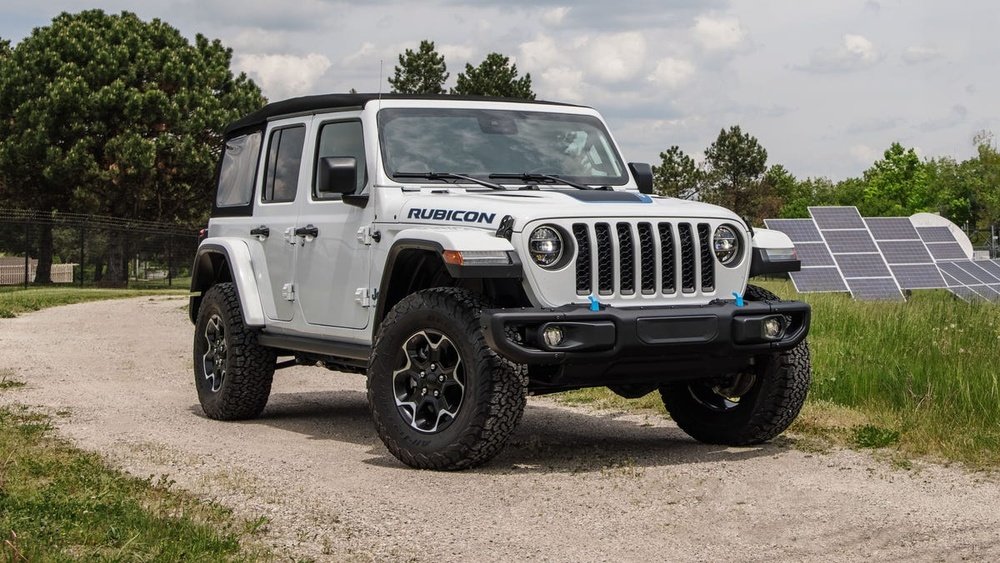
| Locking Differential | Locks wheels together for max grip | Wrangler Rubicon |
| Electronic Limited-Slip | Computer-controlled traction | Grand Cherokee Trailhawk |
Open Differential
The open differential is the most basic type. It’s strong and simple, but it doesn’t help if one wheel slips—like when you’re stuck in mud. Power goes to the wheel with the least grip.
Limited-slip Differential (lsd)
The LSD is a step up. It sends power to both wheels, even if one starts slipping. It’s good for snow, sand, or wet roads. Many Jeeps offer LSD as an option.
Locking Differential
A locking differential can “lock” both wheels on an axle. This means both spin together, no matter what. It’s perfect for off-roading where one wheel might be in the air. But don’t use it on dry pavement—it can damage your Jeep.
Electronic Limited-slip
The electronic limited-slip differential uses sensors and computers. It reacts faster than a mechanical LSD, shifting power to the wheel that needs it most. Newer, high-end Jeep models use this for advanced traction control.
How To Identify Your Jeep’s Differential
Finding out which differential your Jeep has isn’t always easy. Here’s how you can check:
- Owner’s Manual: Your manual usually lists the differential type and gear ratio.
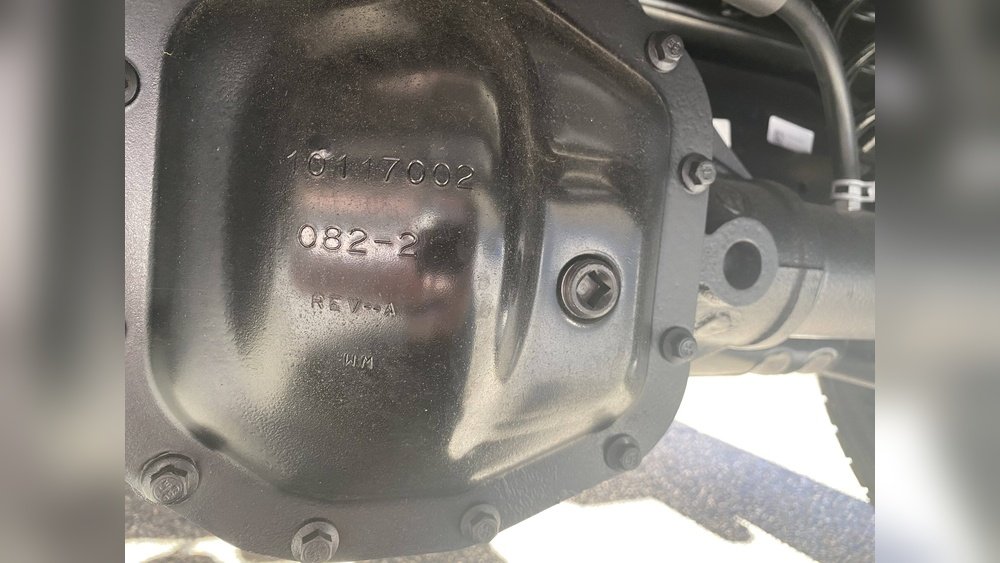
- Axle Tag: Look for a metal tag on the differential cover. It often shows model and ratio.
- VIN Decoder: Enter your Jeep’s VIN (Vehicle Identification Number) on Jeep’s website or VIN decoder tools.
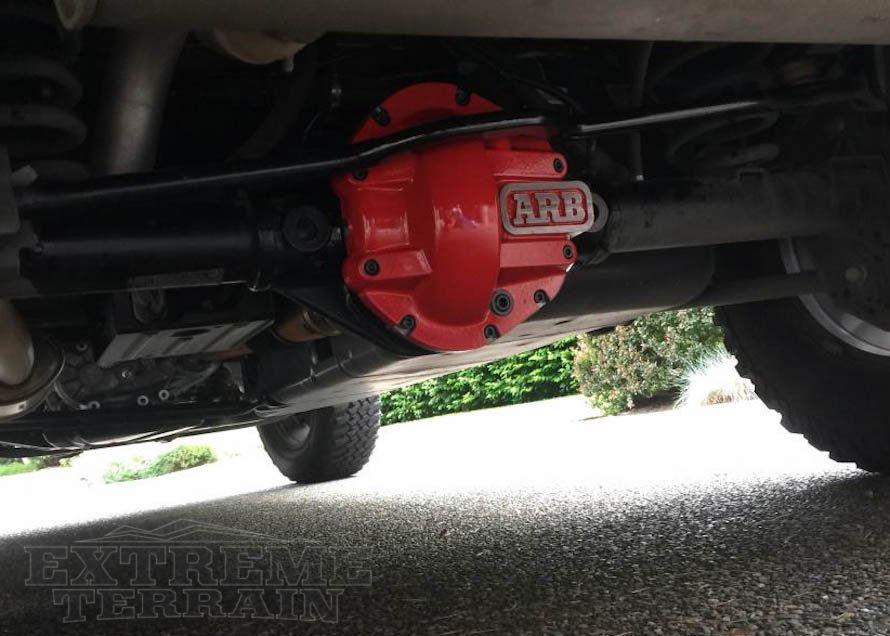
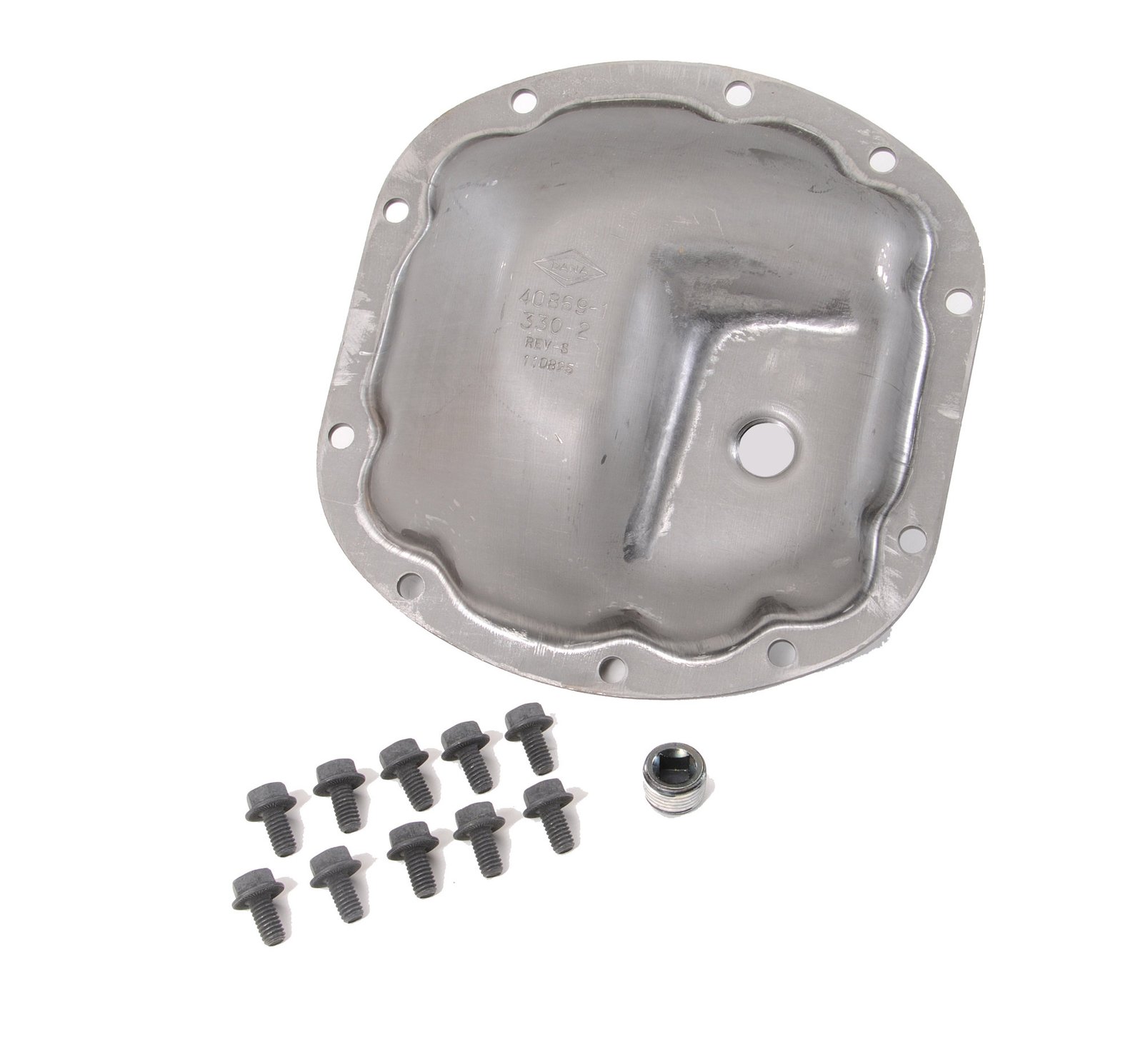
- Visual Inspection: Some differentials have unique shapes. For example, the Dana 44 has a “stop sign” shaped cover.
- Ask a Dealer: Jeep dealers can look up your build sheet with your VIN.
Common Jeep Axle And Differential Models
Jeeps use a few main axles. Each has its own strengths and is paired with specific differentials.
| Axle Model | Differential Types | Used In |
|---|---|---|
| Dana 30 | Open, LSD | Wrangler, Cherokee (front) |
| Dana 35 | Open, LSD | Wrangler (rear), Cherokee (rear) |
| Dana 44 | Open, LSD, Locking | Wrangler Rubicon, Gladiator |
| Chrysler 8.25 | Open, LSD | Cherokee, Liberty |
Knowing your axle is important. For example, the Dana 44 is stronger than the Dana 35. If you plan to add bigger tires or tow heavy loads, a stronger axle and differential matter.
Why Differential Type Matters
Your Jeep’s differential changes how it handles different surfaces. Here’s why it’s important:
- Off-Roading: Locking differentials give you the best grip on rocks or mud.
- Daily Driving: Open or LSDs are smoother for city and highway use.
- Snow/Ice: LSDs or electronic limited-slip are safer when roads are slippery.
- Towing: Stronger differentials (like Dana 44) handle heavy loads better.
One thing beginners miss: Upgrading tires or lifting your Jeep affects stress on the differential. If you go bigger, check if your differential can handle it.
Another tip: Different gear ratios change how your Jeep accelerates and uses fuel. Lower ratios (like 4.10:1) are better for climbing; higher ratios (like 3.21:1) save fuel on highways.
How To Maintain Your Jeep’s Differential
A strong differential lasts a long time, but only with care. Here’s what you should do:
- Check Fluid Levels: Differential oil keeps gears cool and smooth. Change it every 30,000–50,000 miles, or sooner if you off-road often.
- Watch for Leaks: Look for wet spots on the differential cover.
- Listen for Noises: Whining, grinding, or clunking sounds mean it’s time for service.
- Use the Right Fluid: Jeeps need specific gear oils. The wrong type can damage the gears.
If you drive in deep water or mud, change the oil more often. Water can sneak in and cause rust or wear.
Upgrading Your Jeep’s Differential
Want better off-road performance? Many Jeep owners swap for tougher differentials or add lockers. Here are popular upgrades:
- Add a Locker: Turns an open or LSD into a locking differential.
- Change Gear Ratio: Better for bigger tires or towing.
- Upgrade to Dana 44 or aftermarket axle: More strength for extreme use.
However, upgrades can void warranties or stress other parts. Always research or ask a Jeep specialist first.
Frequently Asked Questions
What Is The Easiest Way To Tell What Differential I Have?
Check your owner’s manual or the metal tag on the differential cover. You can also use your VIN to look up the build sheet.
Can I Upgrade My Jeep’s Differential?
Yes, many Jeep owners upgrade for better off-road ability. You can add lockers, swap for a limited-slip, or change gear ratios. Get expert help to make sure everything fits.
What’s The Difference Between Dana 30 And Dana 44?
The Dana 44 is larger and stronger than the Dana 30. Dana 44 is better for big tires, off-roading, or towing. Dana 30 is lighter and common in front axles of many Jeeps.
How Often Should I Change My Differential Fluid?
Every 30,000 to 50,000 miles is typical. If you off-road or drive in water a lot, change it more often.
Where Can I Find More Technical Details About Jeep Differentials?
The official Jeep Wikipedia page has more detailed info about Jeep axles and differentials.
Understanding your Jeep’s differential can help you get the best performance on and off the road. It’s a key part of your adventure machine, so give it the attention it deserves.
Whether you keep it stock or upgrade for the trail, knowing your differential means you’ll always be ready for what’s ahead.