The Jeep Wrangler is well-known for its rugged looks and off-road abilities. One of the key features that sets it apart is the removable hard top. Many owners love the flexibility to switch between an open-air ride and a closed cabin. But when you decide to remove the hard top, you might wonder: How heavy is a Jeep Wrangler hard top? Understanding the weight is important for safe removal, storage, and even when considering modifications or accessories. Let’s explore the details, including real numbers, model variations, and practical tips for handling your Jeep’s hard top.
Jeep Wrangler Hard Top: Weight By Model
Not all Jeep Wrangler hard tops are the same. The weight varies by model, year, and the number of doors. Here’s a clear look at the most common types.
| Model | Doors | Hard Top Weight (lbs) |
|---|---|---|
| Wrangler YJ/TJ | 2-door | 120-140 |
| Wrangler JK | 2-door | 110-140 |
| Wrangler JK | 4-door (Unlimited) | 140-150 |
| Wrangler JL | 2-door | 120-140 |
| Wrangler JL | 4-door (Unlimited) | 140-150 |
| Wrangler 4xe | 4-door (Unlimited) | Approx. 150 |
Most hard tops for the 4-door Unlimited models weigh 140-150 pounds. The 2-door versions are usually lighter, ranging from 110 to 140 pounds. Even small changes, like a rear wiper or defroster, can make a few pounds’ difference.
What Affects Hard Top Weight?
Several factors affect the weight of a Jeep Wrangler hard top:
- Number of doors: 4-door hard tops are longer and heavier.
- Materials: Most are made from fiberglass, but some aftermarket options use aluminum or composite materials.
- Extras: Features like rear defrosters, wiper motors, and sound insulation can add 5-10 pounds.
- Generation: Newer hard tops may have extra features or sound-proofing.
Here’s a simple comparison between factory and aftermarket hard tops:
| Type | Material | Weight (lbs) | Features |
|---|---|---|---|
| Factory 2-door | Fiberglass | 120-140 | Standard |
| Factory 4-door | Fiberglass | 140-150 | Standard |
| Aftermarket | Aluminum/Composite | 80-120 | Optional |
If you’re thinking about replacing your hard top, remember that lighter materials make removal easier but may reduce sound insulation or weather protection.
Removing And Handling The Hard Top
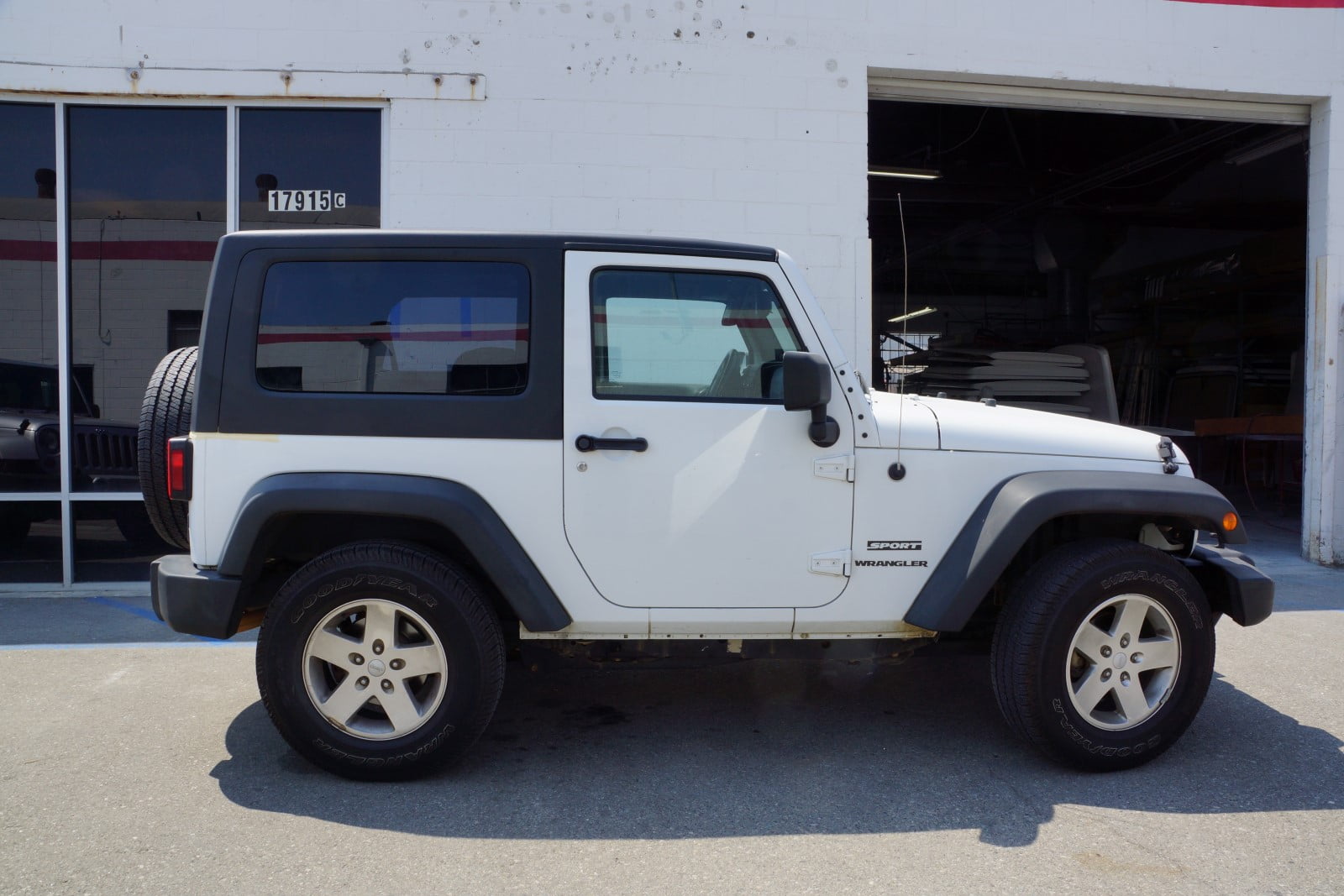
Taking off a hard top is not as simple as removing a soft top. The weight can surprise first-time owners. Here’s what you need to know:
- At least two people needed: Even the lightest hard top is awkward for one person to handle safely. The size makes it hard to balance.
- Proper tools: You’ll need a Torx bit set (usually T40 or T50) for factory bolts.
- Clear space: Have a safe spot to place the top once it’s off. The panels are large and easily scratched.
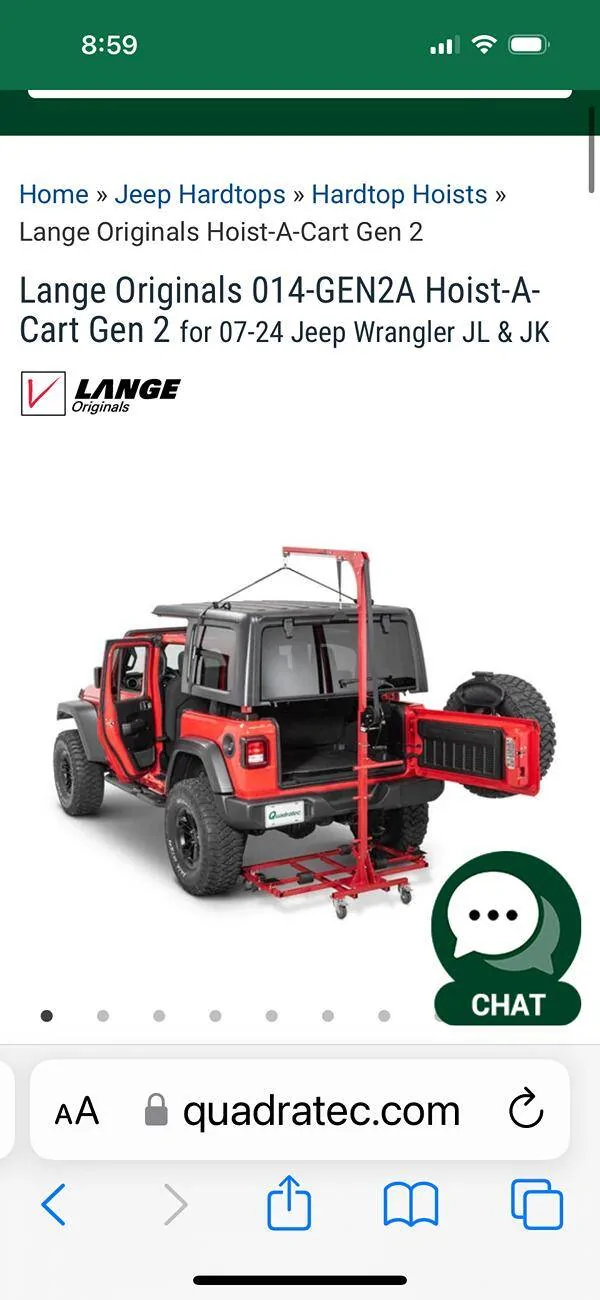
- Use a hoist: Many Jeep owners install a garage hoist system. This makes removal and storage much easier, especially for one person.
Step-by-step Removal Tips
- Remove Freedom Panels (on 4-door models): These smaller panels over the front seats come off first.
- Unbolt main top: Use your Torx driver to remove all bolts at the base of the hard top.
- Disconnect wiring: If your top has a rear defroster or wiper, unplug the connectors.
- Lift with a friend or hoist: Gently lift the top from the back and slide it off the Jeep.
- Store on a soft surface: Avoid placing the top on hard concrete.
A common mistake is trying to remove the hard top alone. This risks damaging the top or hurting yourself. Another tip: keep bolts in a labeled bag for easy reinstallation.
How The Hard Top Weight Matters
Some owners wonder why the weight matters so much. Here are a few reasons:
- Safety: Lifting over 100 pounds without help can cause injury.
- Storage: Heavier tops need sturdy storage racks.
- Accessories: Roof racks and tents must match the hard top’s weight capacity.
- Vehicle balance: Removing the top changes the Jeep’s center of gravity, which can affect handling.
If you plan to switch between tops often, consider investing in a hoist or lighter aftermarket top. For frequent open-air driving, a soft top may be more convenient.
Real-world Examples
Many Jeep forums are full of owners sharing their experiences. For example, a 2021 Wrangler Unlimited owner reported that removing the hard top took two people about 20 minutes. The top weighed around 145 pounds and was difficult to maneuver through a garage door.
Another owner mentioned buying a pulley hoist for about $150, making the job possible alone. A key insight: weather and temperature matter—fiberglass tops can be more brittle in cold weather.
Should You Go Hard Top Or Soft Top?
Choosing between a hard top and a soft top isn’t just about weight. Here are the main differences:
- Hard tops are heavier but offer better security, insulation, and noise reduction.
- Soft tops are much lighter (often under 50 pounds) and easier to remove but less durable and less secure.
If you live in a cold climate or leave valuables in your Jeep, a hard top makes sense. If you love easy open-air driving, a soft top is more practical.
Frequently Asked Questions
How Much Does A Jeep Wrangler Hard Top Weigh?
Most Jeep Wrangler hard tops weigh between 120 and 150 pounds. The exact weight depends on the model, year, and whether it’s a 2-door or 4-door version.
Can One Person Remove A Hard Top Alone?
It’s possible but not recommended. The hard top is heavy and bulky. Using a hoist or getting help from another person is much safer and reduces the risk of damage.
Does The Hard Top Affect Fuel Economy?
A hard top is heavier than a soft top, which can slightly reduce fuel economy. However, the difference is usually small often less than 1 mile per gallon.
Are Aftermarket Hard Tops Lighter?
Some aftermarket hard tops use lighter materials like aluminum or composite. These can weigh 20-40 pounds less than factory tops, but may offer less sound insulation.
Where Can I Find Official Hard Top Weights?
You can check your Jeep owner’s manual, manufacturer websites, or reliable car forums. For more technical data, see the official Jeep Wrangler page on Wikipedia.
Whether you’re planning to remove your Jeep Wrangler’s hard top for summer driving or just curious about its specs, knowing the weight helps you make safer and smarter choices.
Always use proper tools, get help if needed, and consider your options if you want an easier or lighter setup.