Is A Jeep Wrangler A Compact Car?
When you think of a Jeep Wrangler, you might picture adventure, rugged terrain, and a vehicle that stands out. But is it really a compact car? Many shoppers wonder about this, especially when searching for a vehicle that’s easy to park, fuel-efficient, and fits in tight spaces. Understanding how the Jeep Wrangler fits into car classifications can help you make a smarter buying decision. Let’s break down what makes a car “compact,” compare it to the Wrangler, and explore how this vehicle really stacks up.
What Defines A Compact Car?
A compact car is usually smaller than a midsize or full-size vehicle. In the US, this classification is based on interior volume and overall length.
- Most compact cars have an interior passenger and cargo volume between 100-109 cubic feet.
- The length is typically between 165-175 inches.
- These cars are designed for city driving, parking in small spaces, and good fuel economy.
Common examples include the Honda Civic, Toyota Corolla, and Ford Focus. They are light, easy to maneuver, and generally affordable.
Jeep Wrangler Dimensions Vs Compact Cars
How does the Jeep Wrangler compare to the numbers above? Let’s look at the key measurements.
| Model | Length (inches) | Width (inches) | Interior Volume (cu ft) |
|---|---|---|---|
| Jeep Wrangler (2-door) | 166.8 | 73.8 | 104 |
| Honda Civic | 179.0 | 70.9 | 104 |
| Toyota Corolla | 182.3 | 70.1 | 103 |
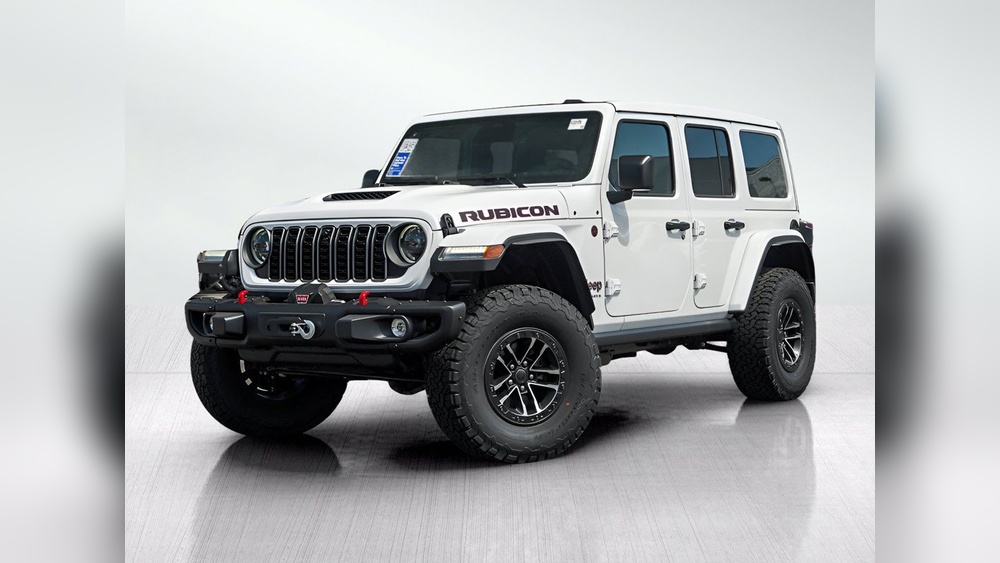
From the table, the 2-door Jeep Wrangler is actually shorter than the Civic and Corolla. Its interior volume is also within the compact range. However, the Wrangler is much wider and taller. The 4-door Wrangler (Unlimited) is even larger:
| Model | Length (inches) | Width (inches) | Interior Volume (cu ft) |
|---|---|---|---|
| Jeep Wrangler Unlimited | 188.4 | 73.8 | 117 |
| Chevrolet Equinox (Compact SUV) | 183.1 | 72.6 | 119 |
The Wrangler Unlimited exceeds both the length and interior volume of most compact cars, placing it closer to compact SUVs.
Why Jeep Wrangler Is Not A Typical Compact Car
Even though the 2-door Wrangler fits some compact car measurements, it doesn’t behave like one. Here’s why:
- Body Type: The Wrangler is a SUV, not a sedan or hatchback. Its height and ground clearance are much greater.
- Weight: At around 4,000 lbs, it is almost double the weight of most compact cars.
- Off-Road Capability: The Wrangler is designed for rough roads and off-road driving, while compact cars are made for city streets.
- Fuel Economy: Compact cars usually offer 30-40 mpg. The Wrangler averages about 18-22 mpg.
These differences matter more than just the numbers. You’ll feel them every time you drive, park, or fill up your gas tank.
Classification According To Official Standards
The Environmental Protection Agency (EPA) classifies cars based on interior volume. According to their rules:
- Compact Cars: 100-109 cubic feet
- Midsize Cars: 110-119 cubic feet
- Large Cars: 120+ cubic feet
With this definition, the 2-door Wrangler does fit in the compact category, but the Wrangler Unlimited falls into the midsize group. However, the EPA also separates SUVs from cars. The Wrangler is officially listed as a small SUV or compact SUV depending on the model.
You can check the official EPA classifications at FuelEconomy.gov.
Real-world Examples: Parking, Driving, And Ownership
Many people expect a compact car to be easy to park, light to drive, and cheap to own. Let’s see how the Wrangler compares.
- Parking: The Wrangler’s short length helps in tight spaces, but its width and height can make parking harder in small garages.
- Handling: Compact cars are agile in traffic. The Wrangler’s high center of gravity and heavier build mean it handles differently.
- Cost: Insurance, repairs, and fuel for a Wrangler are higher than for most compact cars.
- Visibility: The Wrangler’s upright shape gives good visibility, but its boxy design can make it tricky to see out the rear.
Some buyers are surprised by these factors. For example, the Wrangler’s tire size and turning radius mean it needs more room to maneuver. Also, its fuel costs are higher, which is often overlooked.
Key Insights For Buyers
If you’re looking for a compact car for city driving, the Wrangler might not be your best fit. Here are two insights many beginners miss:
- SUVs and Cars Are Classified Differently: The Wrangler’s “compact” label in some systems refers to its size among SUVs, not cars. This leads to confusion.
- Height and Ground Clearance Matter: Even if the length and volume are similar, a high-riding SUV like the Wrangler drives and parks much differently than a compact sedan.

Frequently Asked Questions
Is The Jeep Wrangler Officially A Compact Car?
No. The Wrangler is officially a compact SUV or small SUV by EPA standards. It is not classified as a compact car.
Does The Jeep Wrangler Fit In Compact Car Parking Spaces?
The 2-door Wrangler fits in some compact spaces due to its short length, but its width and height can make parking difficult. Always check local parking rules.
How Does The Wrangler’s Fuel Economy Compare To Compact Cars?
Most compact cars get 30-40 mpg. The Wrangler averages 18-22 mpg, making it less fuel-efficient.
Is Insurance Cheaper For A Jeep Wrangler Than A Compact Car?
No. Insurance for the Wrangler is often higher due to its SUV status, higher repair costs, and risk factors.
Can The Jeep Wrangler Be Used As A City Car?
It can be used in the city, but it’s less practical than a typical compact car. Its size, fuel economy, and handling are better suited for adventure and off-road use.
A Jeep Wrangler is not a compact car in the traditional sense. It sits between categories smaller than many SUVs, but larger and heavier than most compact cars. If you want easy parking and low running costs, you may want to look elsewhere.
But if you value rugged style and off-road ability, the Wrangler stands alone. Always compare your needs to the vehicle’s real strengths before making your final choice.