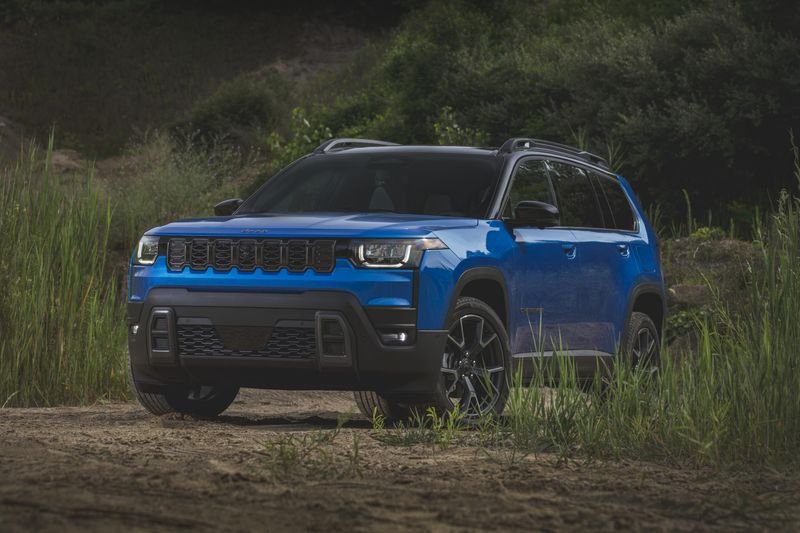
Jeep 4 wheeling is a thrilling adventure, but having the best setup makes the difference between a safe, fun ride and a frustrating experience. Whether you’re tackling rocky trails, muddy paths, or steep climbs, the right gear and preparation are essential. Many beginners overlook key details, leading to breakdowns or dangerous situations. This guide covers the four main components of a top Jeep 4-wheeling setup, with practical advice and real examples to help you build the perfect rig.
Tires
The foundation of any Jeep setup is the right tires. They impact traction, safety, and comfort on all terrains. If your tires aren’t matched to the terrain, you risk getting stuck, losing control, or damaging your Jeep.
Choosing The Right Tires
For 4 wheeling, all-terrain or mud-terrain tires are ideal. All-terrain tires balance grip and road comfort, while mud-terrain tires excel in deep mud, rocks, and loose surfaces. Size matters: larger tires increase ground clearance but can strain your suspension and gears. For example, if you often drive on rocky trails, mud-terrain tires with aggressive tread patterns provide better bite and reduce slippage.
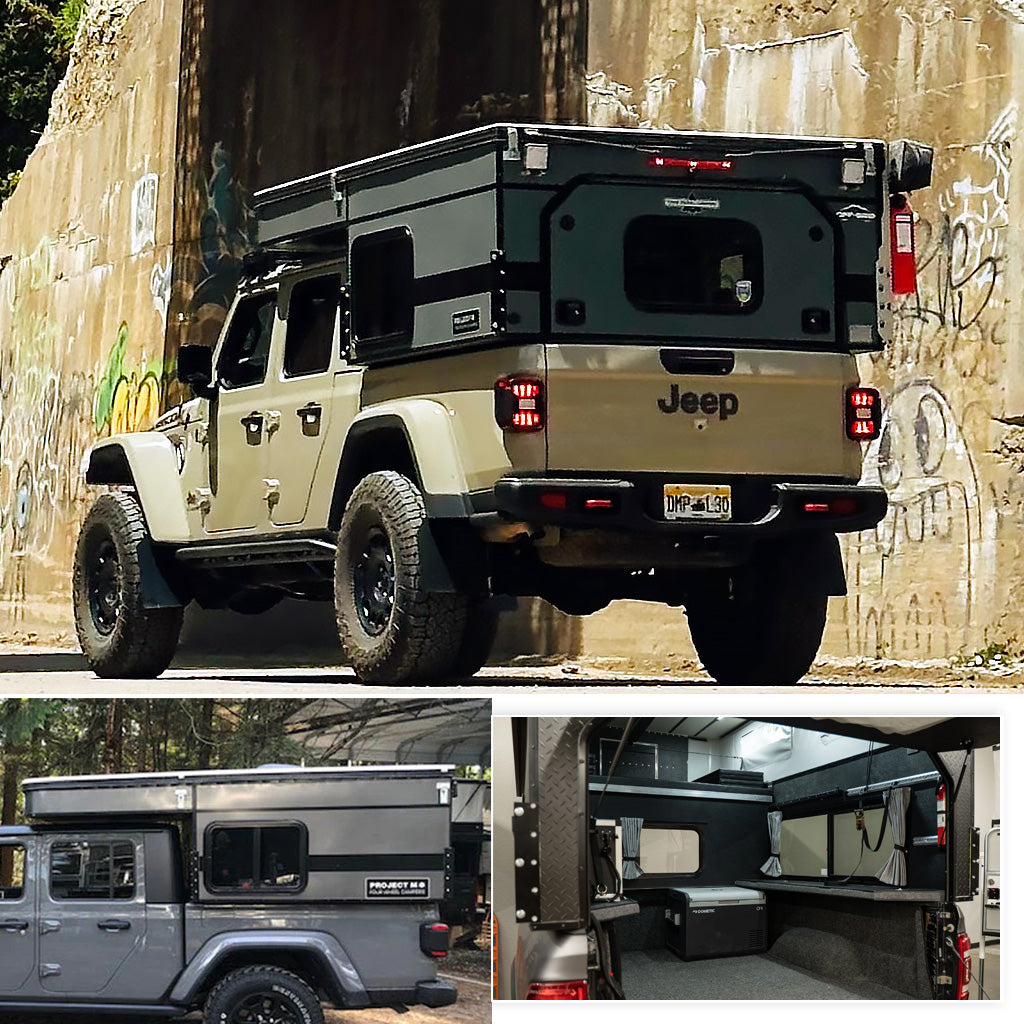
Some trails require wider tires for stability. Wider tires can help spread weight, making it easier to travel over soft sand or snow.
However, they can also make steering harder and reduce fuel economy.
Popular Tire Sizes
Most Jeep owners use 33-inch or 35-inch tires. These sizes offer more clearance and better obstacle handling.
33-inch tires often fit without major modifications, but 35-inch tires usually require a lift kit. If you’re unsure, ask experienced Jeep owners about the best size for your local trails.
Tire Comparison
Here’s a quick comparison of popular Jeep tire types:
| Type | Best For | Average Lifespan (miles) | Noise Level |
|---|---|---|---|
| All-Terrain | Mixed surfaces | 50,000 | Low |
| Mud-Terrain | Mud, rocks | 40,000 | Medium-High |
| Street | Pavement only | 60,000 | Very low |
Non-obvious insight: Many people forget to lower tire pressure for off-road trips. Reducing PSI improves grip and comfort over rocks and sand. An example: If you’re crossing a sandy area, dropping your tire pressure to 15–20 PSI can prevent your Jeep from sinking and make the ride smoother. Always bring a portable air compressor so you can inflate your tires before returning to paved roads.
Another detail beginners miss is checking tire age. Even if the tread looks good, old tires can crack and fail under stress.
Check your tire’s manufacture date, especially if you bought your Jeep used.
Suspension
The suspension system is critical for handling rough terrain. It absorbs shocks, maintains stability, and prevents damage. Without strong suspension, your Jeep can bounce dangerously or scrape against rocks.
Types Of Suspension Upgrades
- Lift kits: Raise the Jeep’s height for more clearance. Popular options are 2-inch and 4-inch lifts. A lift kit also allows larger tires, making obstacles easier.
- Heavy-duty shocks: Essential for absorbing impacts from rocks and dips. Upgraded shocks help keep your wheels on the ground, improving control.
- Control arms: Improve wheel movement and handling. Adjustable control arms can change wheel angle, helping your Jeep flex and climb over tough obstacles.
Suspension upgrades often require other changes, like longer brake lines or bump stop adjustments. This prevents parts from stretching or breaking during extreme movement.
Lift Kit Performance
Compare common lift heights for Jeep setups:
| Lift Height | Ground Clearance (inches) | Max Tire Size | Ride Quality |
|---|---|---|---|
| 2-inch | 12 | 33″ | Good |
| 4-inch | 15 | 35″ | Moderate |
Many beginners skip replacing shocks after lifting their Jeep. This mistake leads to poor handling and faster wear.
For example, using stock shocks with a 4-inch lift can cause your suspension to “bottom out,” making your Jeep unstable and uncomfortable.
Another common mistake is ignoring alignment. After installing a lift kit, always realign your wheels.
If you don’t, tire wear increases and steering becomes harder.

Recovery Gear
Getting stuck is common in 4 wheeling. Recovery gear keeps you safe and gets you back on the trail. Even experienced drivers sometimes need help, so good gear is essential.
Essential Recovery Tools
- Winch: Mounts to the front bumper; pulls your Jeep out of mud, sand, or snow. Choose a waterproof winch for reliability in wet conditions.
- Tow straps: Strong, flexible straps for pulling. Look for straps with reinforced ends to prevent fraying.
- D-rings: Secure points for connecting straps or chains. Make sure your Jeep’s bumpers have solid mounts for D-rings.
- Traction boards: Help tires grip in soft terrain. Brightly colored boards are easier to spot and recover after use.
Bring at least two recovery items, so you have options for different situations. For example, a winch is perfect for deep mud, but in sand, traction boards can get you moving quickly.
Recovery Gear Comparison
Check the effectiveness of different recovery tools:
| Gear | Load Capacity (lbs) | Ease of Use | Best Use |
|---|---|---|---|
| Winch | 8,000-12,000 | Moderate | Deep mud/snow |
| Tow Strap | 20,000+ | Easy | Sand, shallow mud |
| Traction Boards | N/A | Very easy | Sand, snow |
Non-obvious tip: Always carry gloves. Handling winches or straps without gloves can cause serious injuries. Another detail—bring a small shovel. Sometimes clearing mud or sand around your tires is faster than using a winch.
A mistake beginners make is forgetting to practice using recovery gear at home. Before your trip, test your winch and tow straps so you know how they work under pressure.
Protection
To keep your Jeep safe from damage, armor and protection are vital. Rocks, branches, and debris can quickly ruin your rig. Repairs from off-road damage can be expensive and take weeks.
Key Protection Upgrades
- Skid plates: Metal shields under your Jeep protect the engine, transmission, and fuel tank. Custom-fit plates offer better coverage than universal models.
- Rock sliders: Bars along the sides prevent body damage from rocks. Some sliders double as steps, making it easier to climb into your Jeep.
- Bumper upgrades: Strong bumpers help with winch mounting and absorb impacts. Steel bumpers also provide extra recovery points.
Don’t forget about small protection items. Differential covers protect your axles from sharp rocks, and splash guards keep mud out of sensitive parts.
Protection Upgrades Comparison
| Upgrade | Material | Weight (lbs) | Coverage Area |
|---|---|---|---|
| Skid Plate | Steel/Aluminum | 30-70 | Engine, transmission |
| Rock Slider | Steel | 40-80 | Sides |
| Bumper | Steel | 50-120 | Front/rear |
Many new Jeep owners skip skid plates, thinking their factory setup is enough. Most factory plates are thin and offer little protection against large rocks.
For example, a factory skid plate may protect against small stones, but a steel aftermarket plate can survive heavy impacts and prevent oil leaks.
Non-obvious advice: If you drive in forests, consider limb risers—wires that run from the bumper to the roof, keeping branches off your windshield.
Frequently Asked Questions
What Tire Pressure Should I Use For Off-roading?
Lower your tire pressure to 15–20 PSI for better traction on rocks and sand. Always return to normal pressure (30–35 PSI) when driving on pavement. If you drive on sharp rocks, avoid going too low or you risk damaging the tire sidewall.
Do I Need A Lift Kit For 4 Wheeling?
A lift kit is helpful but not required. For mild trails, stock height works. For rocky or muddy terrain, a 2–4 inch lift lets you use larger tires and improves clearance. A lift kit also improves approach and departure angles, making steep climbs safer.
How Do I Choose The Right Winch Size?
Select a winch with a capacity at least 1.5 times your Jeep’s weight. Most Jeeps weigh about 4,000–5,000 lbs, so an 8,000–10,000 lb winch is suitable. If your Jeep is heavily loaded with gear, go for a stronger winch.
Are Aluminum Skid Plates Strong Enough?
Aluminum skid plates are lighter and resist rust but can dent more easily than steel. For rocky trails, steel plates offer better protection. Aluminum works well for light off-roading or sandy trails.
What’s The Most Important Protection Upgrade?
If you choose only one, install a skid plate for your engine and transmission. These are the most vulnerable parts and expensive to repair. If you plan to drive on rocky trails, add rock sliders next.
Jeep 4 wheeling is more than just big tires or a cool lift kit. The best setup combines the right tires, strong suspension, recovery gear, and protection. Upgrading each part gives you confidence and safety on the trail. Many beginners miss key details like tire pressure or proper armor, so take the time to prepare well. For deeper research and expert advice, check out Jeep Official Site before your next adventure. With the right setup, your Jeep can handle almost anything nature throws at it. Remember, preparation is the key to enjoying every trail and keeping your Jeep running strong for years.