Choosing between the Jeep Compass Latitude and the Jeep Compass Sport can feel tricky, especially if you want a mix of comfort, features, and value. Both trims offer the rugged style and off-road attitude Jeep is known for, but they target slightly different drivers. Knowing the real differences can save you money—or help you get more for your budget. Let’s break down how the Compass Latitude compares to the Compass Sport in ways that matter most.
What Sets The Jeep Compass Latitude And Sport Apart?
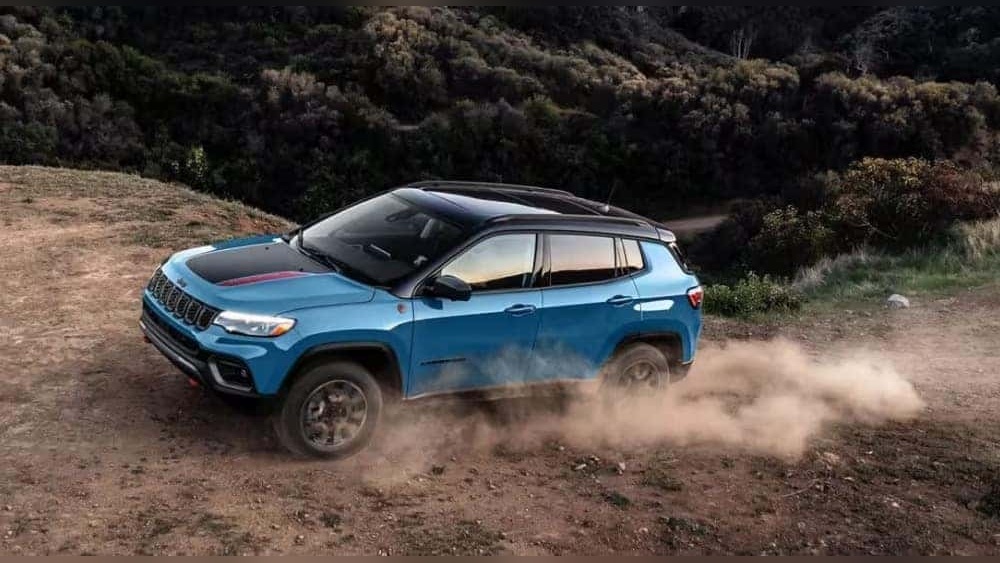
At first glance, the two models look similar. Both share the Compass’s sharp lines, signature grille, and Jeep’s practical size. But when you look closer, the Latitude adds more features and options, while the Sport keeps things simple and affordable.
Below is a direct comparison of their base prices, engines, and core specs:

| Feature | Compass Sport | Compass Latitude |
|---|---|---|
| Starting Price (MSRP) | $27,495 | $29,895 |
| Engine | 2.0L Turbo I4 | 2.0L Turbo I4 |
| Horsepower | 200 hp | 200 hp |
| Drivetrain | FWD / AWD | FWD / AWD |
| Transmission | 8-speed automatic | 8-speed automatic |
Interior And Comfort Features
The Compass Latitude takes a clear lead in comfort and convenience. While both trims have a modern dashboard and usable space, the Latitude offers more upgrades.
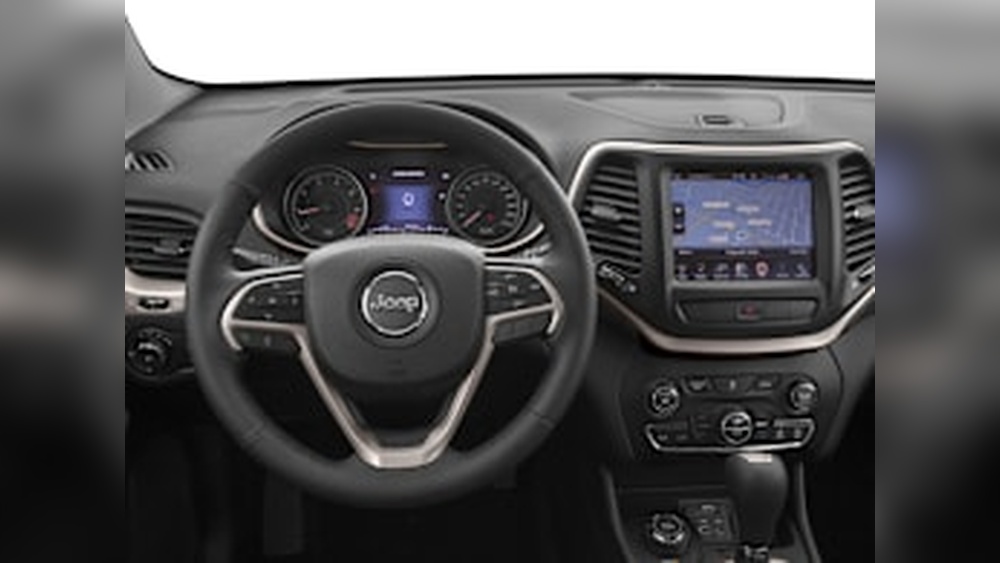
- Sport: Cloth seats, manual air conditioning, basic 8.4-inch touchscreen, six speakers
- Latitude: Premium cloth/vinyl seats, dual-zone automatic climate control, larger available 10.1-inch touchscreen, remote start, and keyless entry
For drivers who want a car that feels a bit more “premium” without jumping to top trims, the Latitude’s extras can make daily driving more pleasant.
Heated front seats and a power driver’s seat are optional on the Latitude but not even available on the Sport.
Technology And Infotainment
Both trims use Jeep’s Uconnect 5 system, but the Latitude gets more tech options. Apple CarPlay and Android Auto are standard for both, so you can connect your phone easily.
The Sport’s 8. 4-inch screen covers basics, but the Latitude lets you upgrade to a 10. 1-inch touchscreen and adds optional wireless charging and extra USB ports.
Here’s a quick look at how their tech stacks up:
| Technology | Compass Sport | Compass Latitude |
|---|---|---|
| Touchscreen Size | 8.4-inch | 8.4-inch (10.1-inch optional) |
| Apple CarPlay/Android Auto | Standard | Standard |
| Wireless Charging | Not available | Optional |
| Remote Start | Not available | Standard |
A detail many new buyers miss: The larger screen in the Latitude isn’t just for show. It means a clearer backup camera view and easier use of navigation—helpful for city driving or road trips.
Safety And Driver Assistance
Both Compass trims score well for basic safety. Each comes with:
- Forward collision warning
- Lane keep assist
- Blind spot monitoring
- Rear cross path detection
But the Latitude unlocks more advanced features, like adaptive cruise control and parking sensors, as add-ons.
Buyers often overlook that insurance rates can be lower for trims with more safety tech. That’s a hidden saving with Latitude’s extra driver aids.
Exterior Details And Styling
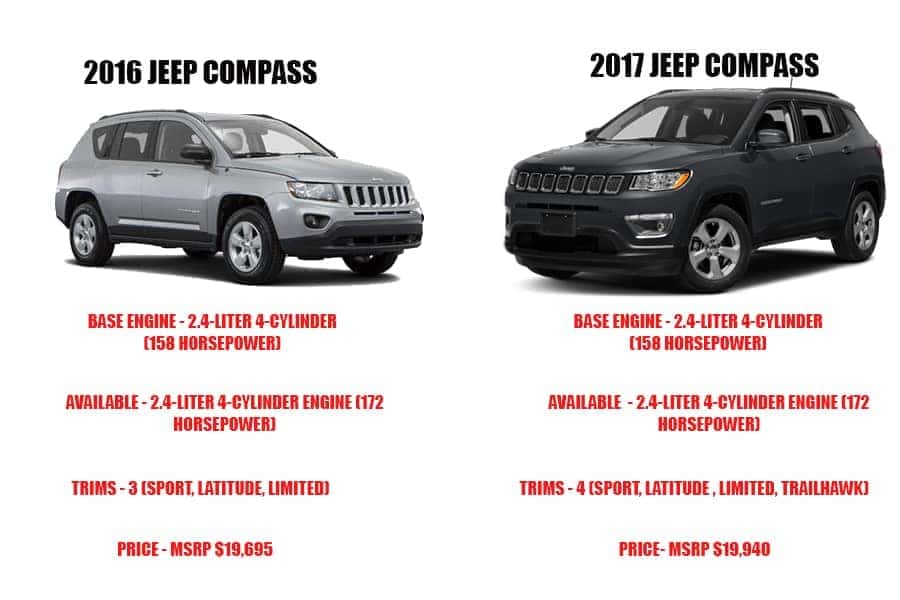
Visually, the Sport and Latitude can look alike unless you know what to check. The Sport has basic 17-inch steel wheels and black mirror caps. The Latitude stands out with:
- 17-inch alloy wheels (or optional 18-inch)
- Body-colored mirrors and door handles
- Fog lamps (not standard on Sport)
- Silver roof rails
The Latitude’s subtle upgrades give it a more upscale look, which some buyers prefer for city or suburban use.
Driving Experience And Capability
Both trims use the same 2.0-liter turbo engine and offer front-wheel or all-wheel drive. Acceleration, fuel economy, and towing (up to 2,000 lbs when properly equipped) are the same.
But here’s something most buyers miss: The Latitude’s available “All-Weather Group” package adds heated front seats, a heated steering wheel, and remote start. These features make a big difference in colder climates, and they’re not available on the Sport.
Noise insulation is also a bit better in the Latitude, so it feels quieter at highway speeds.
Value For Money
When you compare the total cost, the Sport is the better pick for budget-focused buyers. It delivers Jeep’s style and capability for less. But the Latitude justifies its higher price with more features and comfort. For many, the extra $2,400 (approximate) is worth it for the upgrades.
Here’s a summary of key differences that affect value:
| Feature | Sport | Latitude |
|---|---|---|
| Premium Interior Options | No | Yes |
| Advanced Safety Features | Limited | More Available |
| All-Weather Package | No | Yes (optional) |
| Remote Start | No | Yes |
Who Should Choose Which Model?
- Choose the Compass Sport if you want:
- The lowest price
- Simple features
- A practical, stylish SUV without extras
- Choose the Compass Latitude if you want:
- More comfort for daily driving
- Upgraded tech and interior
- More options for cold weather and safety
For most families and commuters, the Latitude’s comfort and technology make it a better long-term buy. But the Sport is a smart entry point into the Jeep lineup.
If you want a more detailed breakdown, the official Jeep Compass page compares each trim with current offers.
Frequently Asked Questions
Is The Jeep Compass Latitude Worth The Extra Money Over The Sport?
For many buyers, yes. The Latitude adds comfort and features that make daily driving easier. If you care about heated seats, a larger touchscreen, or advanced safety, the extra cost is justified.
Do Both Trims Have The Same Engine And Performance?
Yes. Both use the 2.0L turbo engine with 200 horsepower and an 8-speed automatic transmission. Performance and fuel economy are nearly identical.
Can I Add Latitude Features To The Sport?
Some options are exclusive to the Latitude or higher trims. For example, heated seats and the All-Weather package are not offered on the Sport. Upgrading later is usually more expensive than choosing the Latitude up front.
Which Trim Is Better For Winter Driving?
The Latitude is better for cold weather, thanks to available heated seats, heated steering wheel, and remote start. These features are not available on the Sport.
What Is The Resale Value Difference?
The Latitude often holds value a bit better because buyers want its extra features. However, both trims keep strong resale value compared to rivals.
Choosing between the Jeep Compass Latitude and Sport comes down to your priorities: price or features. If you want more comfort and options, the Latitude is a smart upgrade. If you just need rugged Jeep style at a lower cost, the Sport gets you there simply and reliably.