Installing a light bar on your Jeep is a great way to boost visibility for night driving or off-road adventures. However, drilling into your Jeep’s roof or A-pillars can create a new problem: potential leaks. Water can enter through even tiny gaps, leading to rust, mold, or electrical issues. Sealing your Jeep roof after installing a light bar isn’t just about keeping dry—it’s about protecting your investment and ensuring your Jeep lasts for years. Let’s walk through the practical steps, key products, and expert tricks to get a durable, leak-free seal.
Why Roof Sealing Matters After Light Bar Installation
Many Jeep owners focus on the excitement of new lights and forget about the holes, wires, or brackets left behind. Even professionally installed light bars may need extra attention:
- Factory weatherproofing gets broken when drilling or routing wires.
- Water leaks can damage interior electronics and wiring.
- Moisture trapped under the headliner can cause mold growth.
- Unsealed holes can lead to rust, especially in climates with rain or snow.
Sealing your Jeep’s roof properly is a small job that can save you hundreds of dollars in repairs later. It’s not just for off-roaders daily drivers face rain, car washes, and changing weather too.
Tools And Materials You’ll Need
Before you start, gather the right products. The table below compares popular types of sealants and tapes for this job:
| Product Type | Best Use | Waterproof? | Flexibility | Longevity (years) |
|---|---|---|---|---|
| Silicone Sealant | Small gaps, wire holes | Yes | High | 5-10 |
| Polyurethane Sealant | Large holes, brackets | Yes | Medium | 10+ |
| Butyl Tape | Between surfaces | Yes | Very High | 10+ |
| Rubber Grommets | Wire pass-through | Partial | High | Varies |
You’ll also need:
- Rubbing alcohol or degreaser
- Clean rags
- Masking tape (optional, for neat edges)
- Caulking gun (for tube sealants)
- Utility knife or scissors
Step-by-step: How To Seal Your Jeep Roof After Installing A Light Bar
Let’s break down the process into easy steps. Each step is important for a reliable, long-lasting seal.
1. Inspect All Entry Points
After installation, carefully check:
- Drill holes for mounting brackets
- Wire entry points
- Edges of any seals or gaskets affected by the install
Use a flashlight to spot small gaps or cracks around the new hardware. Even tiny holes can cause big leaks.
2. Clean The Area
Good sealing starts with a clean surface. Wipe the area with rubbing alcohol to remove dirt, oil, and old adhesive. If old sealant is present, carefully scrape it away so the new sealant can bond well.
3. Select The Right Sealant
Choose your product based on the size and location of the gap:
- Small holes/wire entries: Clear silicone or polyurethane sealant
- Brackets/surfaces: Butyl tape under the bracket, then polyurethane sealant around edges
- Wiring through metal: Use a rubber grommet for the wire, then seal around it
If you’re unsure, polyurethane sealant is a safe all-around choice for Jeep roofs because it’s tough and UV resistant.
4. Apply Sealant Or Tape
For holes and gaps:
Squeeze a generous bead of sealant into and around the hole. Use a gloved finger or small tool to smooth it flat. Make sure the sealant overlaps the edges of the hole.
For brackets:
Apply butyl tape between the bracket and the roof before tightening bolts. This creates a watertight gasket. After bolting, run a bead of polyurethane sealant around the bracket’s edge.
For wires:
Insert a rubber grommet if possible. Seal around the wire and grommet with silicone or polyurethane.
5. Check For Gaps And Smooth The Seal
Inspect the work for missed spots. Air bubbles or thin areas can let water in. Smooth the sealant so water flows away, not toward the hole.
Tip: Masking tape can help create clean edges. Remove the tape while the sealant is still wet for a neat finish.
6. Allow To Cure Properly
Every sealant needs time to cure. Most silicone and polyurethane sealants need 24-48 hours to fully set. Avoid washing your Jeep or exposing it to rain during this time.
7. Test Your Work
Once cured, test the seal:
- Use a hose or bucket to pour water over the sealed areas.
- Check inside for any leaks or drips.
If you spot moisture, dry the area and reseal as needed.
Comparing Common Sealant Brands
Choosing a good brand is just as important as the type of sealant. Here’s a quick comparison of popular products for Jeep roof sealing:
| Brand | Type | UV Resistant | Paintable | Price (USD) |
|---|---|---|---|---|
| 3M Marine Adhesive 5200 | Polyurethane | Yes | Yes | 18-22 |
| Permatex Clear RTV | Silicone | Yes | No | 5-8 |
| Dicor Butyl Seal Tape | Butyl Tape | Yes | N/A | 8-12 |
| GE Advanced Silicone 2 | Silicone | Yes | No | 6-9 |
Pro tip: While marine-grade products cost more, they offer the best protection against sun and weather.
Preventing Common Mistakes
Many first-timers make the same errors when sealing their Jeep’s roof. Avoid these for a watertight result:
- Skipping the cleaning step: Even a little dust or oil can stop sealant from sticking.
- Using the wrong product: Household caulks may not last outdoors or in sun.
- Not sealing both inside and outside: Water can wick along wires if not sealed fully.
- Applying too little sealant: It’s better to use a bit too much than too little.
- Ignoring curing times: Rushing this step can ruin your hard work.
Advanced Tips For A Professional Seal
- Double-seal for extra safety: For critical spots, seal both inside and outside the roof.
- Paint over cured sealant: If you want a factory look, use touch-up paint after the sealant is fully cured and paintable.
- Check yearly: Sun, road vibration, and temperature changes can slowly break down even the best seal. Inspect your work every spring and after off-roading.
- Watch out for wire chafing: Use split loom tubing or grommets to prevent wires from rubbing against sharp metal, which can cause leaks later.
Many Jeep owners forget to check under the headliner after sealing. Small drips might not be visible from outside, but can still cause hidden damage. A quick inspection can save headaches.
Real-world Example: Jeep Wrangler Jl Light Bar Install
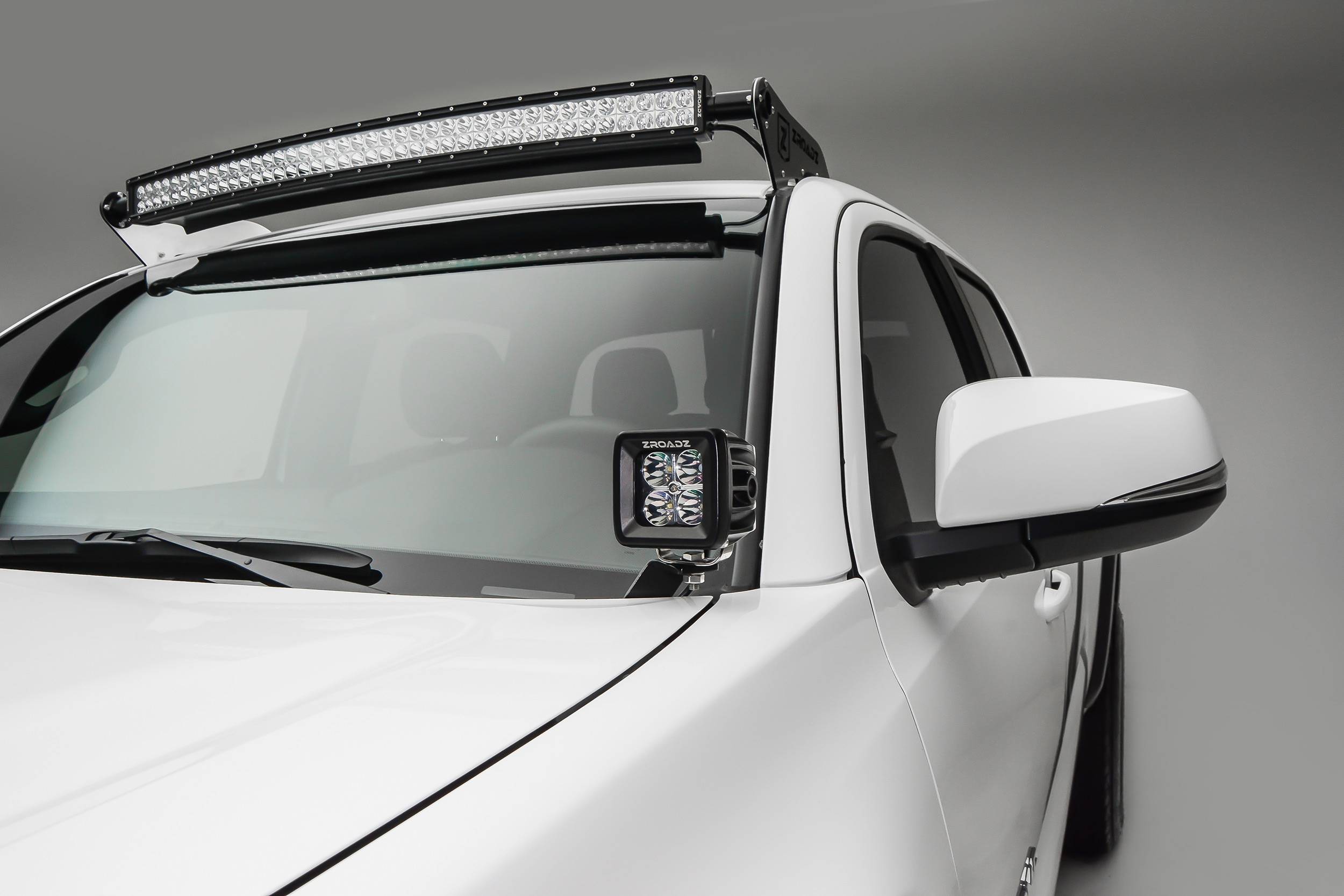
Let’s look at an example. Suppose you install a 50-inch LED light bar across the top of a 2021 Jeep Wrangler JL. The brackets require drilling two holes per side into the A-pillar.
- First, clean the area and apply butyl tape under the brackets.
- After bolting the brackets, apply polyurethane sealant around the bracket base.
- For the wire entry, drill a hole large enough for a rubber grommet, feed the wire through, then seal all around with clear silicone.
- Let all sealant cure for 48 hours, then test with a hose.
In this real-world scenario, the most common mistake is skipping the butyl tape, which can lead to water getting trapped under the bracket. The double layer of tape and sealant ensures no moisture sneaks in.
Cost Breakdown
Sealing your Jeep roof after a light bar install is a DIY job for most people. Here’s a rough estimate:
- Sealant: $8–$22 (varies by product)
- Butyl tape: $8–$12
- Rubber grommets: $5–$10
- Rubbing alcohol and rags: $5
- Total: $25–$50
Professional shops may charge $100 $200 for the job, so doing it yourself can save a lot.
How Sealing Impacts Jeep Value And Longevity
A well-sealed roof helps maintain your Jeep’s resale value. Water damage is a red flag for buyers, and rust repairs can be costly. If you ever plan to remove the light bar, proper sealing makes it easier to restore the roof to its original state.
Non-obvious insight: Jeep roofs flex more than most cars, especially off-road. This means your sealant needs to be flexible and UV-resistant, or it will crack over time.
Another detail beginners miss: modern Jeeps have sensitive electronics hidden in the roof and pillars. Even a slow drip can damage sensors or airbag wiring, which are expensive to fix.
Frequently Asked Questions
How Long Does The Sealant Last After Sealing A Jeep Roof?
Most high-quality sealants, like polyurethane or marine-grade products, last 5 to 10 years if applied correctly. But regular checks are important, especially after harsh weather or off-road trips.
Can I Drive My Jeep Immediately After Sealing The Roof?
It’s best to wait 24-48 hours for the sealant to cure fully before exposing it to water or heavy vibration. Driving short distances is fine, but avoid car washes or rain.
What’s The Best Sealant For Metal-to-metal Joints On A Jeep?
Polyurethane sealant is usually best for metal-to-metal joints, as it remains flexible and resists UV breakdown. Marine-grade options are especially durable.
Do I Need To Seal Both Inside And Outside The Roof?
For the most watertight result, seal both inside and outside any holes or wire entries. Water can travel along wires or through small cracks if you only seal one side.
Are There Professional Services For Jeep Roof Sealing?
Yes, many off-road shops and auto body shops offer sealing as part of light bar installations. Always check their experience with Jeeps, as some techniques are specific to Jeep models. For more guidance, see the Jeep Official How-To Guides.
Sealing your Jeep roof after installing a light bar is one of those “small jobs” that pays off big over time. With careful prep, the right products, and a bit of patience, you can keep your Jeep dry and ready for any adventure.