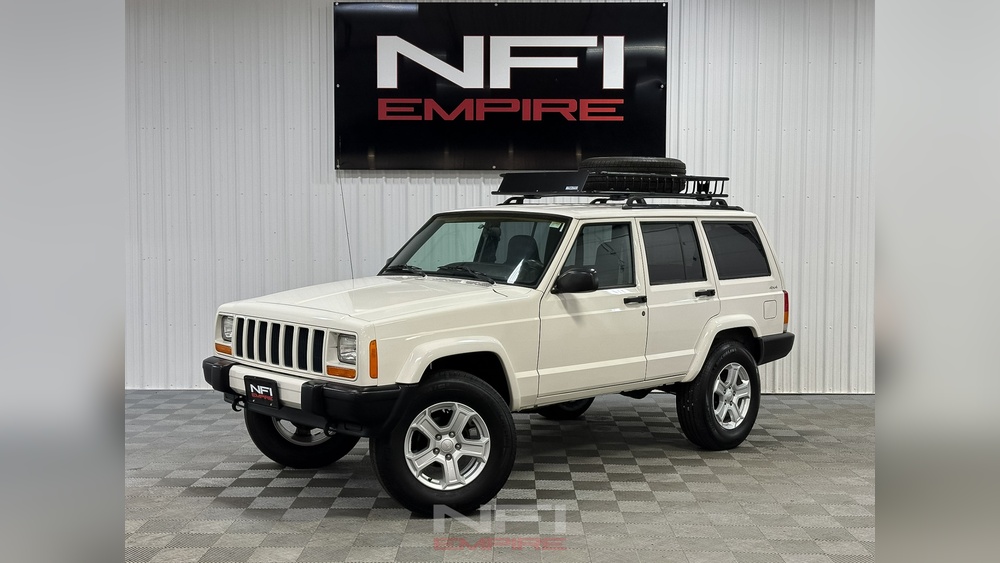
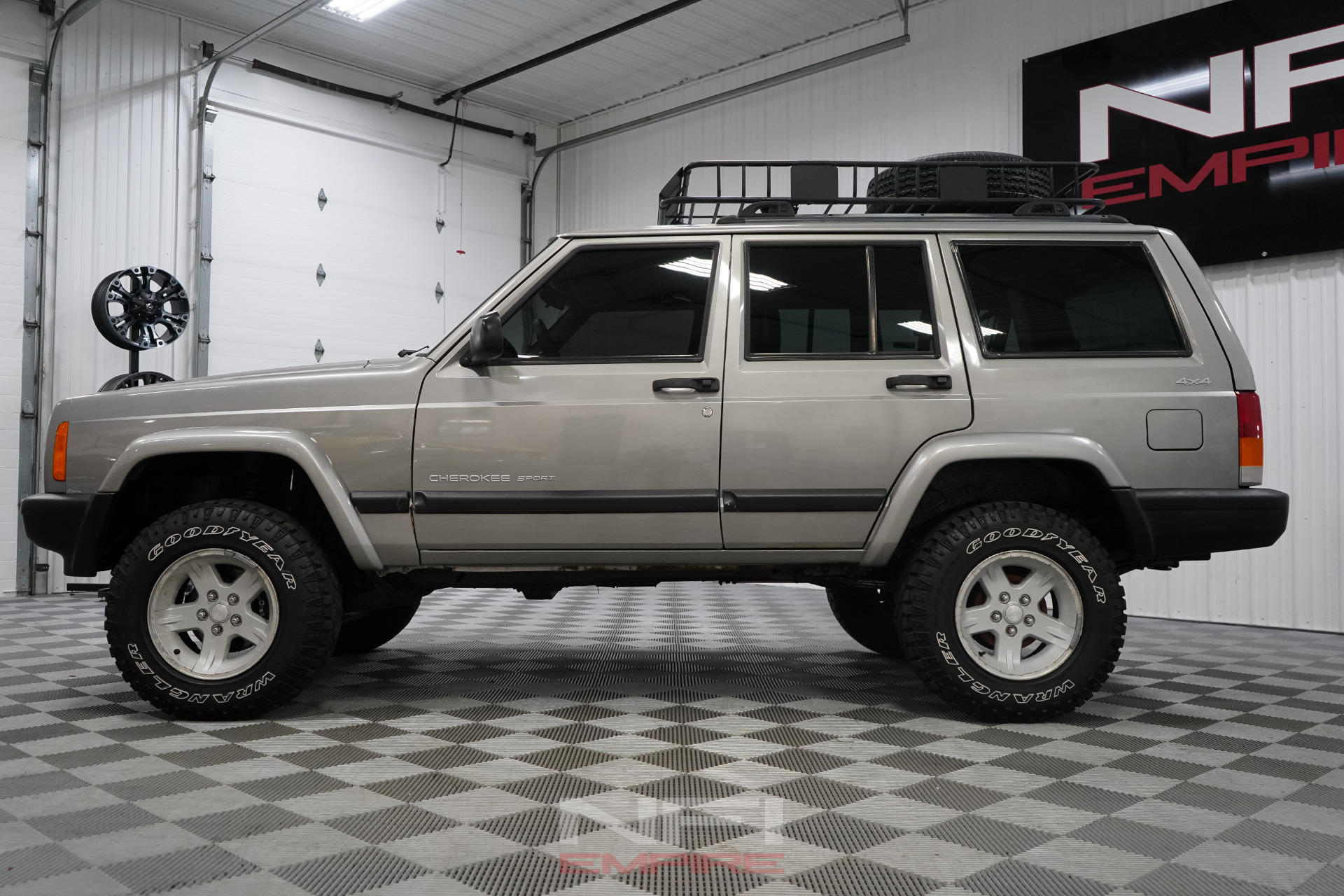
For many Jeep enthusiasts, the 2001 Jeep Cherokee Sport stands out as a reliable vehicle for both everyday driving and off-road adventures. One of its greatest features is the 4 wheel drive system. However, if you’re new to Jeeps or off-roading, understanding when and how to use the different 4WD modes can feel confusing. Using 4WD incorrectly can even damage your vehicle or reduce safety. In this guide, you’ll learn exactly how to use all four 4WD settings on a 2001 Jeep Cherokee Sport, when to use each, and practical tips for confident driving in any condition.
Understanding The 2001 Jeep Cherokee Sport 4 Wheel Drive System
The 2001 Jeep Cherokee Sport typically comes with the Selec-Trac or Command-Trac 4WD system. Both systems offer four main driving modes, but Selec-Trac is more common on the Sport trim. The transfer case lever, located next to the gear shifter, allows you to switch between these modes. The four main settings are:
- 2WD (2 High)
- 4 Part Time (4WD High)
- 4 Full Time (All Wheel Drive)
- 4 Lo (4WD Low)
Before diving into how to use each, it’s important to know that improper use can wear out your tires, strain the drivetrain, or create steering problems.
Always consult your owner’s manual for details, and practice switching modes in a safe, open area before you need them for real.
2wd (2 High): Everyday Driving
The default mode for most conditions is 2WD (2 High). In this setting, only the rear wheels receive power. This mode offers:
- Best fuel efficiency
- Smoothest ride on dry pavement
- Lowest wear on drivetrain components
When To Use 2wd
Use 2WD for:
- Dry, paved roads
- City streets
- Highway driving
2WD is not designed for slippery or loose surfaces. If you try to drive in snow, mud, or sand using only 2WD, you may lose traction and get stuck.
How To Engage And Disengage 2wd
To switch to 2WD, make sure your vehicle is at a complete stop or moving slowly in a straight line. Move the transfer case lever to the 2WD position. You will feel less resistance in the steering and notice a quieter ride. For city and highway driving, always return to this mode to avoid unnecessary wear on your Jeep’s 4WD system.
4 Part Time (4wd High): For Slippery Surfaces
The 4 Part Time (4WD High) mode sends power to all four wheels at the same time. However, it should only be used on surfaces where the wheels can slip, such as snow, mud, or loose gravel.
Key Features Of 4 Part Time
- Increased traction for slippery conditions
- Not for dry pavement, as it can cause drivetrain binding
- Can be shifted “on the fly” at speeds below 55 mph (always check your manual)
When To Use 4 Part Time
Choose this mode for:
- Snow-covered roads
- Wet grass or mud
- Loose gravel or sand
How To Engage 4 Part Time
- Reduce speed below 55 mph.
- Move the transfer case lever from 2WD to 4 Part Time.
- Check for 4WD indicator light on the dashboard.
If you hear a clunk or feel a small jolt, that’s normal. The system is engaging. When conditions improve, return the lever to 2WD to prevent excess wear.
Example Scenario
Imagine you’re driving through a snowstorm. You notice your rear tires slipping when starting from a stop. Move the lever to 4 Part Time, and you’ll immediately feel the Jeep grip the road more securely.
4 Full Time (all Wheel Drive): Versatile Traction
4 Full Time mode, available on Selec-Trac systems, acts like an all-wheel drive. It allows the Cherokee to send power to all four wheels but includes a center differential. This means you can use it on any surface, including dry pavement, without risking damage.
Advantages Of 4 Full Time
- Safe for all road conditions
- Great for mixed weather (rain, patchy snow, or changing surfaces)
- Can be left engaged for extended periods
When To Use 4 Full Time
Use this mode if:
- Roads are wet, icy, or unpredictable
- You drive between dry and slippery areas often
- You want extra peace of mind in uncertain conditions
How To Engage 4 Full Time
- You can shift into 4 Full Time at any safe speed below 55 mph.
- Move the lever from 2WD or 4 Part Time to 4 Full Time.
- Check the dashboard indicator.
This is the best mode for city commutes during winter, as it handles changes in traction without driver input. One non-obvious tip: 4 Full Time can also help in heavy rain, reducing the chance of hydroplaning by sending power to all wheels.
4 Part Time Vs. 4 Full Time
Sometimes drivers confuse 4 Part Time and 4 Full Time. Here’s a quick comparison:
| Mode | Use On Dry Pavement? | Best For | Drivetrain Binding Risk |
|---|---|---|---|
| 4 Part Time | No | Deep snow, mud, off-road | High if used on dry surfaces |
| 4 Full Time | Yes | Rain, ice, mixed conditions | None |
4 Lo (4wd Low): Maximum Power For Tough Terrain
4 Lo (4WD Low) is your go-to mode for off-road adventures and extreme conditions. It delivers maximum torque at low speeds by using a low gear ratio. This means more power goes to the wheels, but you must drive slowly.
When To Use 4 Lo
Switch to 4 Lo if you are:
- Climbing or descending steep hills
- Crossing deep mud, sand, or snow
- Pulling a heavy load at slow speeds
- Navigating rocky trails
Never use 4 Lo for normal driving it’s designed for speeds under 25 mph and can damage your Jeep if used on dry pavement or at high speeds.
How To Engage 4 Lo
- Stop the vehicle completely.
- Shift the transmission into Neutral.
- Move the transfer case lever from 4 Part Time or 4 Full Time to 4 Lo.
- Return the transmission to Drive (or 1/2 for more control).
Expect a firm clunk as the gears engage. If the lever resists, try gently rolling forward or backward a few inches.
Common Mistakes In 4 Lo Use
A frequent error is trying to shift into 4 Lo while moving or using it for highway driving. This can seriously harm the transfer case.
Practical Tips For Using 4 Wheel Drive Safely
Knowing when and how to use each 4WD mode is only part of safe driving. Here are some expert tips to help you get the most from your Jeep Cherokee’s 4WD system:
- Shift only when the wheels are straight and the vehicle is moving slowly (except when stopped for 4 Lo).
- Avoid sharp turns in 4WD on high-traction surfaces to prevent drivetrain binding.
- Practice shifting between modes in a safe location before heading out in bad weather.
- If you hear grinding or have trouble shifting, check for obstacles under the vehicle or consult a mechanic.
- Regularly service your 4WD system to keep it working smoothly.
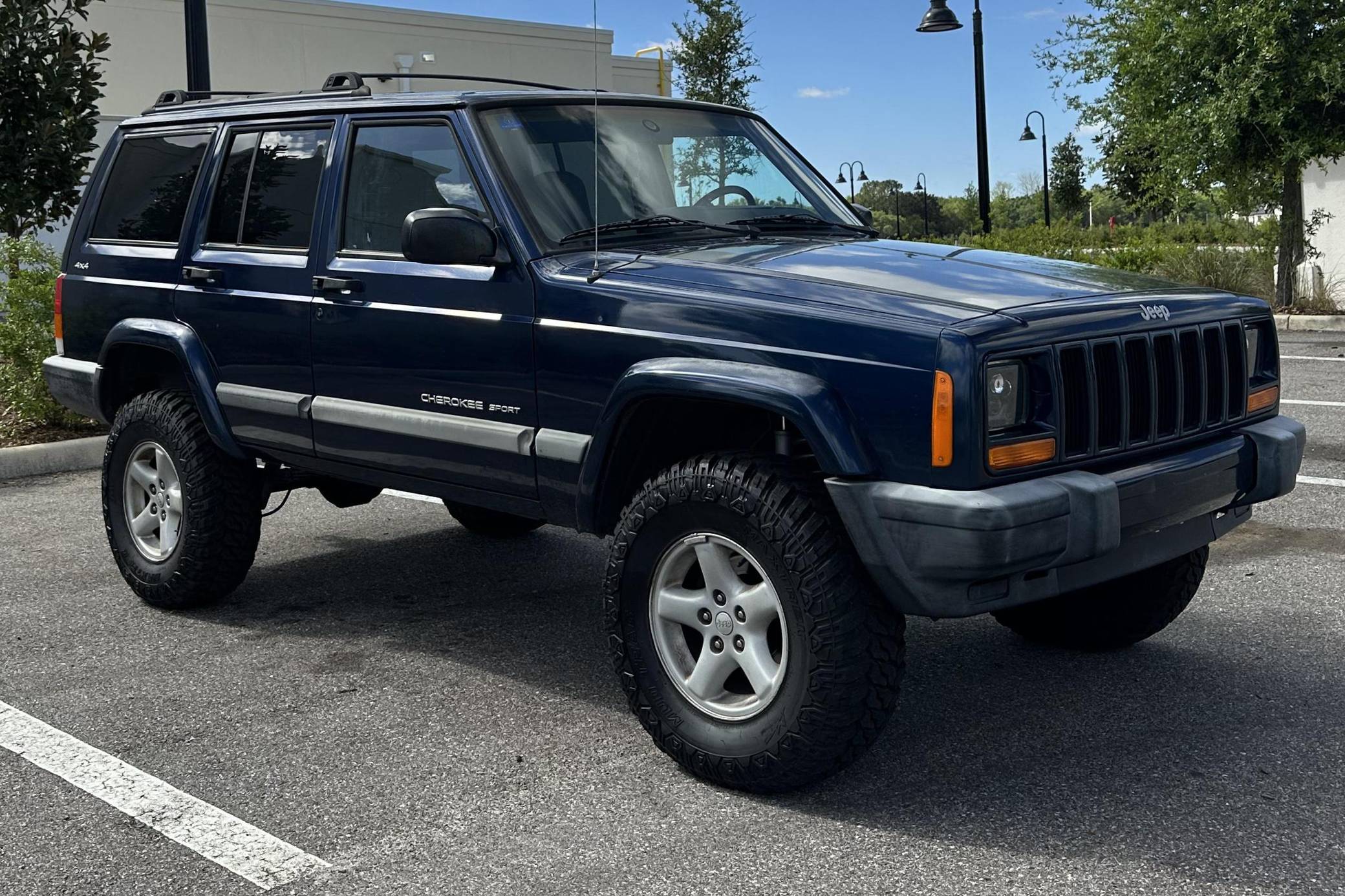
Real-world Example: Winter Driving In 2001 Jeep Cherokee Sport
Let’s say you live in Minnesota and face mixed winter roads. You leave home on a dry street (2WD), but soon encounter icy patches. Shift to 4 Full Time for better grip as you head down the highway. An unexpected blizzard covers the exit ramp in deep snow—slow down, shift to 4 Part Time (if not already in 4 Full Time), and make your way safely. If you get stuck or must climb a steep, snow-covered driveway, stop and engage 4 Lo for maximum pulling power.
Maintenance And Troubleshooting
A well-maintained 4WD system is less likely to fail when you need it. Here’s how to keep your Cherokee’s system running strong:
- Check fluid levels in the transfer case at every oil change.
- Listen for unusual noises (clunking, grinding) when shifting modes.
- Inspect the transfer case lever for smooth operation.
- If you notice a dashboard warning light or trouble engaging 4WD, visit a trusted mechanic.
A common beginner mistake is ignoring small noises or rough shifting. Early attention can prevent expensive repairs later.

How The 2001 Jeep Cherokee Compares To Other Suvs
If you’re curious how the Cherokee’s 4WD system stacks up, here’s a quick look compared to similar SUVs from 2001.
| Vehicle | 4WD Modes | AWD Option | Max Torque (lb-ft) |
|---|---|---|---|
| Jeep Cherokee Sport | 2WD, 4 Part Time, 4 Full Time, 4 Lo | Yes (Selec-Trac) | 225 |
| Toyota 4Runner | 2WD, 4WD High, 4WD Low | No | 217 |
| Ford Explorer | 2WD, 4WD Auto, 4WD Low | Yes | 240 |
The Cherokee’s combination of 4 Full Time and 4 Part Time is unique, giving you flexibility for any condition.
Common Myths About Using 4 Wheel Drive
1. “4wd Makes You Invincible In Snow.”
This is false. 4WD helps with traction but doesn’t shorten stopping distances. Always drive carefully.
2. “use 4wd All The Time For Better Control.”
Not true using 4WD on dry pavement can harm your vehicle.
3. “4 Lo Will Get You Out Of Any Situation.”
4 Lo helps with power, but if you’re completely stuck, it may not be enough. Carry recovery gear and know when to call for help.
A key insight: Always use the least aggressive 4WD mode needed for the conditions. This reduces wear and risk.
Frequently Asked Questions
What’s The Difference Between 4 Part Time And 4 Full Time?
4 Part Time is for slippery, loose surfaces only—never use it on dry roads. 4 Full Time can be used on any surface, including dry pavement, thanks to its center differential.
Can I Shift Between 2wd And 4wd While Driving?
Yes, you can switch between 2WD, 4 Part Time, and 4 Full Time at speeds up to 55 mph. For 4 Lo, you must stop completely and shift the transmission to neutral.
How Do I Know If 4wd Is Engaged?
Look for the 4WD indicator light on your dashboard. If the light doesn’t appear or you feel resistance, check the lever position or consult your manual.
Is Using 4wd Bad For Fuel Economy?
Yes, using 4WD (especially 4 Part Time or 4 Lo) reduces fuel economy compared to 2WD. Use 4WD only when needed to save gas.
Where Can I Learn More About Jeep 4wd Systems?
For detailed technical information, visit the official Jeep Cherokee Wikipedia page.
Whether you’re commuting in city snow or exploring backcountry trails, understanding your 2001 Jeep Cherokee Sport’s 4 wheel drive system gives you power and confidence. With the right knowledge, you’ll enjoy safer driving and protect your Jeep for years to come.