Replacing the rear wheel bearing on a 2015 Jeep Patriot is a task that many vehicle owners consider when they notice unusual noises or handling problems. While it may sound complicated, with the right tools, some patience, and this clear guide, you can handle the job in your own garage. Doing this yourself can save hundreds of dollars on labor and help you understand your vehicle better.
Let’s walk through the process step by step, highlight key details, and address common concerns so you feel confident tackling this repair.
Understanding Rear Wheel Bearings
The rear wheel bearing is a key part that lets your wheels spin with minimal friction. On the 2015 Jeep Patriot, this bearing sits inside the wheel hub assembly. When it fails, you might hear a humming, grinding, or roaring noise from the rear of your car, especially as you speed up. Left unchecked, a bad bearing can affect handling or even cause a wheel to separate.
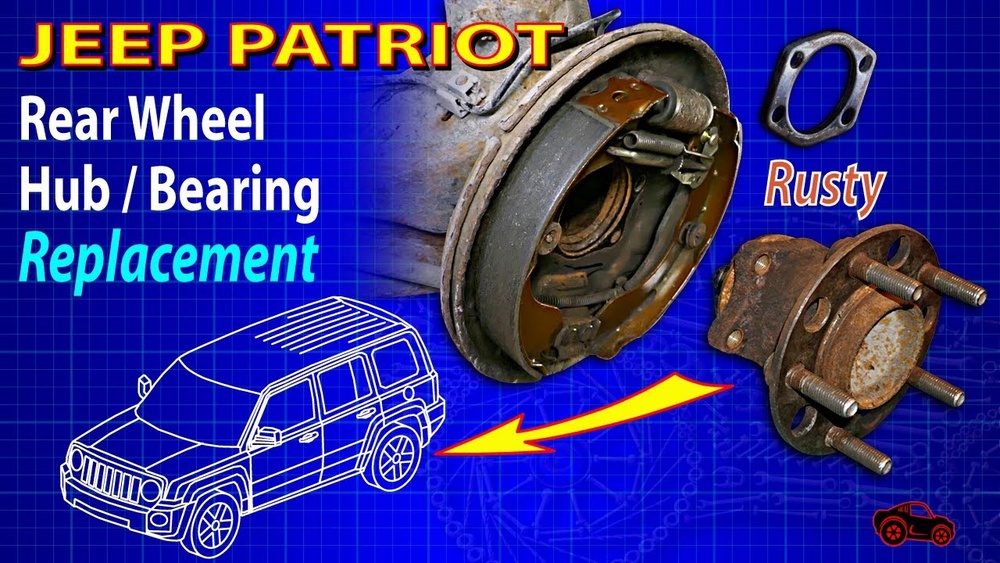
Non-obvious insight: Many people replace just one side, but if one bearing fails, the other may not be far behind. Consider replacing both rear bearings if your budget allows.
Tools And Parts You’ll Need
Before you start, gather the right tools and parts. Having everything ready makes the process smoother and avoids frustration.
Essential tools:
- Jack and sturdy jack stands
- Lug wrench or impact gun
- Socket set (including 32mm axle nut socket)
- Breaker bar
- Torque wrench
- Flathead screwdriver
- Hammer and punch
- Needle-nose pliers
- Pry bar
- PB Blaster or similar penetrating oil
Parts:
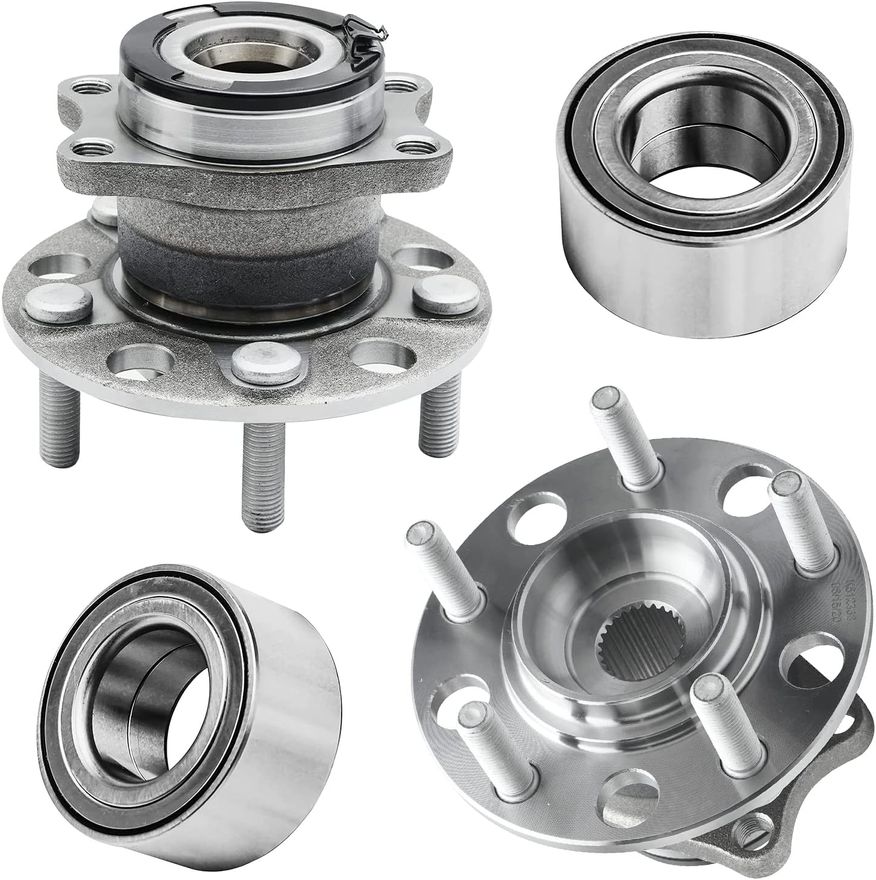
- Replacement rear wheel bearing and hub assembly (specific for 2015 Jeep Patriot)
- New axle nut (recommended)
- Brake cleaner
Optional but helpful:
- Anti-seize lubricant
- Gloves and safety glasses
Practical tip: Don’t start until you have the new hub assembly in hand. Check it matches your Jeep’s specs—ABS sensor compatibility matters.
Safety First
Never work under a car supported only by a jack. Always use jack stands on a solid, level surface. Chock the front wheels to prevent rolling. Wear gloves and safety glasses to avoid injury from dust, rust, or sharp edges.
Step-by-step Replacement Process
Let’s dive into the actual replacement. These steps cover the left or right rear wheel; the process is nearly identical for both sides.
1. Loosen The Lug Nuts
Before lifting the car, use a lug wrench to slightly loosen (but do not remove) the rear wheel lug nuts. This prevents the wheel from spinning while you work.
2. Raise The Vehicle
Position your jack under the Jeep’s rear jacking point. Lift the car until the wheel is off the ground. Place jack stands securely under the frame and lower the Jeep onto them. Double-check stability before continuing.
3. Remove The Wheel
Finish removing the lug nuts and take off the rear wheel. Set it aside.
4. Remove The Brake Caliper And Bracket
- Use a ratchet to remove the two caliper bolts.
- Hang the caliper with a wire or bungee cord—never let it dangle by the brake hose.
- Remove the caliper bracket (two more bolts) if it blocks access to the rotor.
5. Remove The Brake Rotor
- If the rotor sticks, tap it gently with a rubber mallet.
- If there are retaining screws, remove them first.
6. Remove The Dust Cap And Axle Nut
- Pry off the axle dust cap with a flathead screwdriver.
- Use a 32mm socket and breaker bar to remove the axle nut. It may be tight; use penetrating oil if needed.
7. Disconnect The Abs Sensor (if Equipped)
- Unclip the ABS sensor wire from the hub. Some models have a plug at the back of the hub or a bracket—disconnect carefully.
8. Remove The Old Hub Assembly
- Remove the three or four bolts holding the hub to the trailing arm or knuckle.
- Tap the old hub with a hammer if it’s rusted in place. Use penetrating oil and patience; avoid damaging other components.
9. Clean The Mounting Surface
- Scrape away any rust or debris from the hub mounting surface.
- Spray with brake cleaner for a clean fit.
10. Install The New Hub Assembly
- Line up the new hub and slide it onto the axle.
- Install and hand-tighten the hub bolts.
- Torque the bolts to factory specs (usually 66 ft-lbs, but check your manual).
11. Reconnect The Abs Sensor
- Plug the ABS sensor wire back in and secure any clips or brackets.
12. Install A New Axle Nut
- Thread the new axle nut on by hand.
- Use a torque wrench to tighten to 177 ft-lbs (refer to your service manual for confirmation).
13. Reinstall The Brake Rotor And Caliper
- Slide the rotor back on.
- Reattach the caliper bracket and caliper.
- Torque all bolts to spec.
14. Put The Wheel Back On
- Mount the wheel, hand-tighten the lug nuts.
15. Lower The Vehicle And Final Torque
- Remove jack stands and lower the Jeep.
- Tighten lug nuts to 100 ft-lbs in a star pattern.
Non-obvious insight: Always test brake pedal feel after reassembly—pumping the pedal helps seat the pads against the rotor.
Common Mistakes To Avoid
- Skipping torque specs: Over-tightening or under-tightening can damage parts or cause unsafe driving.
- Forgetting to reconnect the ABS sensor: This will trigger a warning light and can affect stability control.
- Not cleaning rust: A dirty surface can make the new bearing wear out faster or cause vibration.
- Ignoring both sides: If one bearing failed due to age, the other may fail soon. Replacing both saves time.
Signs You Need New Rear Wheel Bearings
- Humming or roaring noise increasing with speed
- Wheel play when you shake it left and right
- ABS or traction control warning lights
- Uneven or unusual rear tire wear
If you notice these symptoms, inspect both rear bearings.
Cost Comparison: Diy Vs. Professional Repair
Here’s how costs can compare between doing it yourself and hiring a shop:
| Option | Parts Cost | Labor Cost | Total Estimate |
|---|---|---|---|
| DIY | $70–$150 | $0 | $70–$150 |
| Repair Shop | $120–$200 | $150–$300 | $270–$500 |
Tip: Some auto parts stores will loan you specialty tools for free with a refundable deposit.
How Long Does It Take?
For a first-timer, expect 2 3 hours per side. An experienced DIYer may finish in about 1 1. 5 hours. Rusty or seized parts can add time, especially in older vehicles.
Troubleshooting After Replacement
If you still hear noise after replacement, check:
- Lug nuts: Are they torqued properly?
- Brake parts: Did you reinstall everything in order?
- ABS sensor: Is it plugged in and undamaged?
A persistent noise could mean another issue like a bad tire or differential.
Maintenance Tips For Longer Bearing Life
- Avoid deep water and mud when possible—water can damage bearings.
- Replace rear axle seals if you see any grease or oil leaks.
- Rotate tires every 6,000–8,000 miles to reduce uneven load on bearings.
- Listen for early signs of wear (noise, vibration).
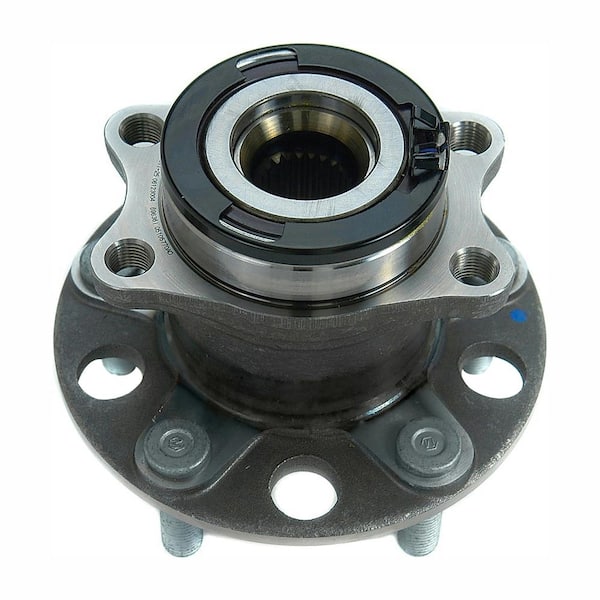
Jeep Patriot Rear Wheel Bearing Specifications
A quick reference for specs and details:
| Detail | 2015 Jeep Patriot Rear Bearing |
|---|---|
| Torque Spec (Axle Nut) | 177 ft-lbs |
| Torque Spec (Hub Bolts) | 66 ft-lbs |
| Bearing/Hub Type | Sealed hub assembly |
| ABS Sensor | Integrated (if equipped) |
When Should You Seek Professional Help?
Some situations call for a mechanic:
- Severe rust or seized bolts you cannot remove
- Noisy bearing right after installation
- ABS or traction warning lights that stay on
- Lack of confidence or proper tools
Remember, safety comes first. There’s no shame in getting help if the job feels overwhelming.
Jeep Patriot: Rear Wheel Bearing Vs. Front Bearing
Here’s a quick comparison for those curious about differences:
| Feature | Rear Bearing | Front Bearing |
|---|---|---|
| Type | Hub assembly | Hub assembly |
| ABS Sensor Location | Usually integrated | Usually integrated |
| Replacement Difficulty | Moderate | Moderate to High (due to axle shaft) |
| Common Failure Mileage | 80,000–120,000 miles | 80,000–120,000 miles |
Sourcing Quality Parts
When choosing a replacement bearing, stick to reputable brands—Moog, Timken, or genuine Mopar. Cheaper parts may fail sooner or cause fitment headaches. Always match the part to your Jeep’s VIN for the correct ABS and fit.
For more information on bearing types and automotive repair, you can check Wikipedia’s wheel bearing article.
Frequently Asked Questions
What Are The Signs Of A Bad Rear Wheel Bearing On A 2015 Jeep Patriot?
A bad rear wheel bearing often makes a humming or grinding noise that gets louder with speed. You may also feel vibration, or notice uneven tire wear and ABS warning lights.
Can I Drive With A Failing Wheel Bearing?
You should not drive with a bad wheel bearing. It can fail suddenly, leading to loss of control or the wheel separating from the vehicle, which is very dangerous.
Do I Need Any Special Tools For This Job?
You’ll need a 32mm axle nut socket, a torque wrench, and possibly a puller if the hub is rusted. Most other tools are standard. Many auto parts stores loan specialty tools with a deposit.
Should I Replace Both Rear Wheel Bearings At The Same Time?
It’s not required, but if one is worn out, the other may fail soon. Replacing both together saves time and avoids another repair soon after.
What Torque Settings Do I Need To Follow?
Torque the axle nut to 177 ft-lbs and the hub bolts to 66 ft-lbs. Always double-check your owner’s manual or service guide for your specific trim.
Replacing the rear wheel bearing on your 2015 Jeep Patriot is a rewarding project that can restore smoothness and safety to your drive. With the right tools, attention to detail, and the guidance above, you can get it done at home and save money.
Always take your time, use proper safety measures, and don’t hesitate to consult a professional if you get stuck.