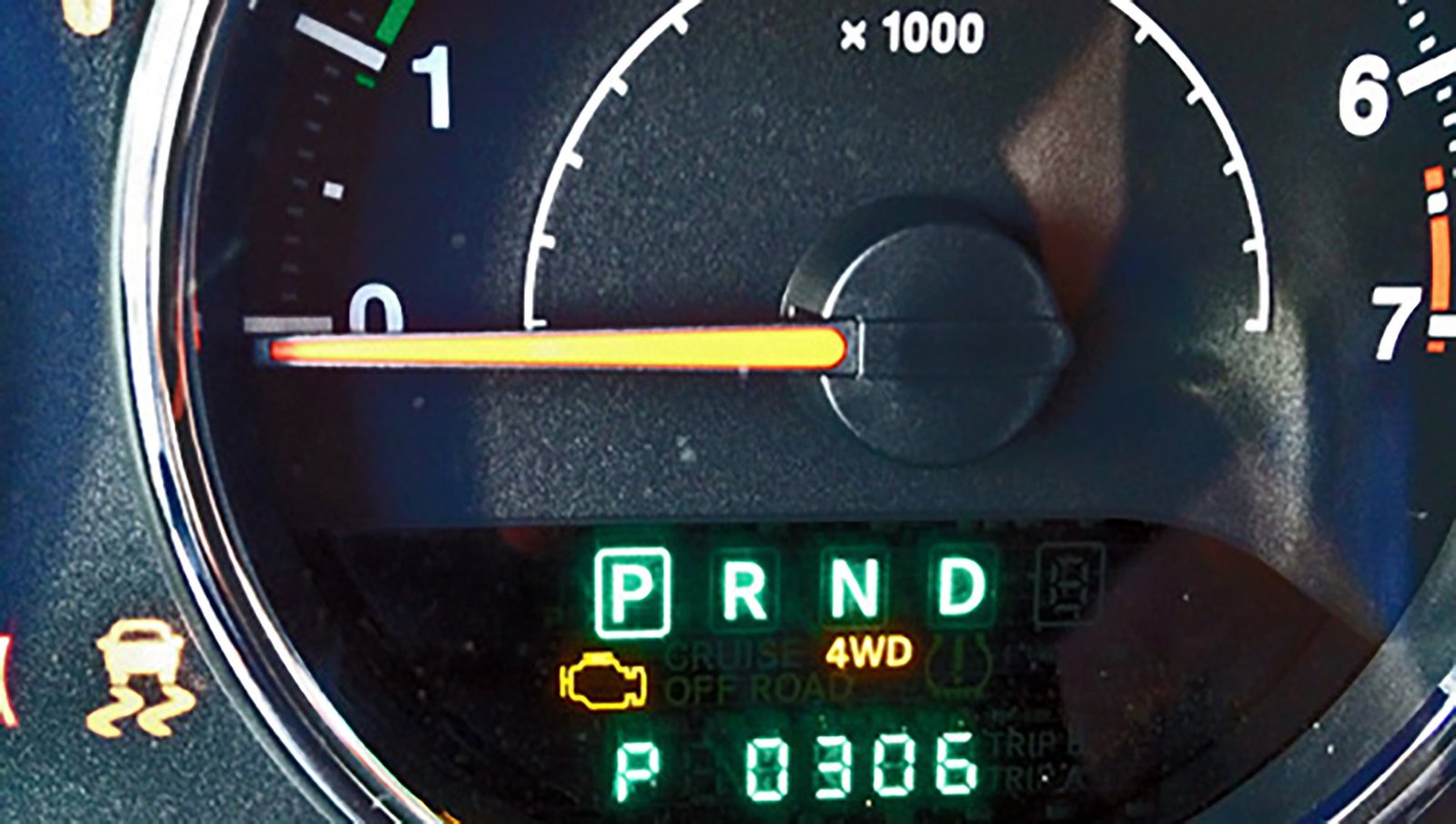
If you drive a Jeep Wrangler, you may have seen the Malfunction Indicator Light (MIL)—often called the check engine light—turn on unexpectedly. This little light on your dashboard can cause worry, especially if you’re not sure what triggered it or how to turn it off. The MIL is an important warning system that tells you when something is wrong with your vehicle’s engine, emissions, or other critical parts. But sometimes, after fixing the problem, the light stays on. Knowing how to reset it the right way can save you time, money, and unnecessary trips to the mechanic.
This guide explains what the malfunction indicator light means, why it comes on, and how to reset it on your Jeep Wrangler safely. You’ll find step-by-step instructions, practical tips, and answers to common questions.
Whether you’re an experienced Jeep owner or just starting out, you’ll learn how to manage your MIL confidently.
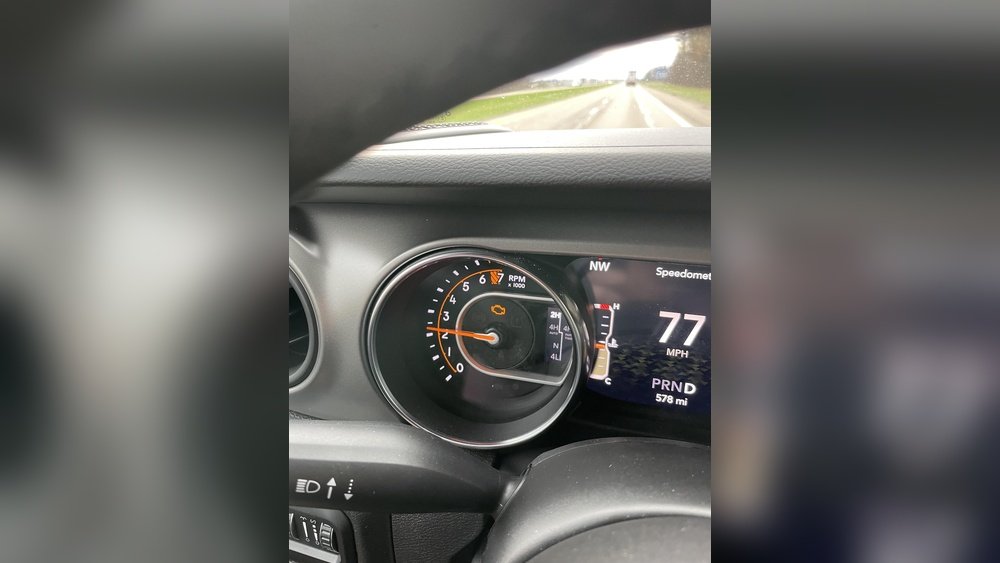
What Is The Malfunction Indicator Light?
The malfunction indicator light is a warning signal in your Jeep Wrangler’s dashboard. It looks like an engine symbol or sometimes simply says “CHECK ENGINE.” When it lights up, it means your vehicle’s computer has found a problem that might affect emissions or engine performance.
Why Does The Mil Turn On?
The MIL can switch on for many reasons, such as:
- Loose or faulty gas cap
- Bad oxygen sensor
- Misfiring spark plugs
- Exhaust leaks
- Faulty mass airflow sensor
- Issues with the catalytic converter
Sometimes, the problem is minor and easy to fix. Other times, it signals a serious issue that needs attention right away.
Is It Safe To Drive With The Light On?
If the light is steady, you can usually drive the vehicle, but you should check the problem soon. If it’s blinking, it could mean a severe engine problem. In this case, stop the car as soon as possible and avoid driving until the issue is fixed.
How The Mil Works In Jeep Wranglers
The Jeep Wrangler uses an On-Board Diagnostics (OBD-II) system. This system tracks how your engine and related systems perform. When something goes wrong, the OBD-II system logs a code and turns on the MIL.
Here’s a quick comparison of how the MIL might behave in different Jeep Wrangler models:
| Wrangler Model Year | MIL Symbol | Reset Method |
|---|---|---|
| 1996–2006 (TJ) | Engine icon | Manual or OBD-II scanner |
| 2007–2017 (JK) | Engine icon or “CHECK ENGINE” | OBD-II scanner preferred |
| 2018–present (JL) | Engine icon with text | OBD-II scanner or software |
Understanding your Wrangler’s model year helps you choose the right reset method.

Diagnosing The Cause Before Resetting
Before you try to reset the malfunction indicator light, always find out what caused it. Resetting the MIL without fixing the problem can lead to more damage, failed emissions tests, or even voiding your warranty.
How To Check The Trouble Code
- Use an OBD-II scanner: Plug it into the port under your dashboard.
- Turn the ignition on: Do not start the engine.
- Read the code: The scanner will show a code, such as P0456 (EVAP system leak).
- Check the code meaning: Look up the code in your Wrangler’s manual or online.
Many auto parts stores will check your code for free.
How To Reset The Malfunction Indicator Light
Once you’ve fixed the issue that caused the MIL to turn on, you can reset the light. There are several ways to do this. Each method works for different model years or situations.
1. Using An Obd-ii Scanner
This is the safest and most reliable way, especially for newer Jeeps.
Steps:
- Plug the OBD-II scanner into the port beneath the dashboard.
- Turn the ignition to “ON” without starting the engine.
- Follow your scanner’s instructions to read codes.
- After confirming the fix, select “Clear Codes” or “Erase Codes.”
- Wait for the scanner to confirm the reset.
- Turn off the ignition and unplug the scanner.
2. Disconnecting The Battery
This method works for older Wranglers but is less precise. It erases all electronic memory, including radio presets and clock.
Steps:
- Turn off the engine.
- Open the hood.
- Use a wrench to disconnect the negative battery terminal (black cable) first.
- Wait at least 15 minutes.
- Reconnect the negative cable.
- Start the vehicle and check if the MIL is off.
Tip: Some newer models may not reset with this method due to advanced computers.
3. Automatic Reset After Several Drive Cycles
If you’ve fixed the cause, the MIL may turn off on its own after a few driving trips.
- A “drive cycle” means starting your Jeep cold, driving it until warm, then shutting it off.
- Usually, 3 to 5 drive cycles will reset the light if the issue is gone.
4. Using The Gas Pedal (some Older Models)
Some older Jeep Wranglers allow a manual reset by pressing the gas pedal.
- Turn the key to “ON” (do not start).
- Press the gas pedal slowly three times within 10 seconds.
- Turn the key off and wait a few seconds.
- Start the engine and check the light.
This does not work for all models, but some owners report success.
Which Method Is Best?
The OBD-II scanner is the most accurate and least risky. Disconnecting the battery is less reliable for newer Jeeps. Always confirm the problem is fixed before resetting the MIL.
Common Mistakes When Resetting The Mil
Many Jeep owners make the same errors when trying to reset their malfunction indicator light:
- Not fixing the root problem: The MIL will come back if the cause is not fixed.
- Repeated battery disconnects: This can confuse your Wrangler’s computer and may cause other problems.
- Ignoring blinking lights: A flashing MIL usually means engine damage is possible.
- Using cheap or faulty OBD-II tools: Inaccurate tools can fail to clear codes or give wrong results.
Avoid these mistakes to keep your Jeep running smoothly.
Why The Mil Stays On After Resetting
Sometimes, the malfunction indicator light stays on even after you try to reset it. Here’s why:
- The issue was not completely fixed.
- The code was cleared, but the problem still exists.
- The OBD-II system needs more drive cycles to confirm the repair.
- There is a problem with the Jeep’s computer or wiring.
If the light stays on after several resets and repairs, it’s best to get a professional diagnosis.
Preventing Mil Problems In The Future
You can reduce the chances of the MIL turning on by following these habits:
- Tighten the gas cap: Always click it 3–4 times after fueling.
- Use the right fuel: Follow your manual for fuel grade.
- Keep up with maintenance: Replace spark plugs, air filters, and oxygen sensors on schedule.
- Listen for odd noises: Address strange sounds quickly.
- Check for leaks: Watch for oil or coolant leaks under your Jeep.
Regular care helps prevent surprise warning lights.
What To Do If The Mil Flashes
A flashing MIL is a serious warning. It usually means a misfire or major engine problem that could damage the catalytic converter.
- Stop the vehicle as soon as it’s safe.
- Do not drive far with a flashing light.
- Call for roadside help or a tow if needed.
Ignoring a flashing MIL can lead to expensive repairs.
Jeep Wrangler Mil Reset: Real-world Example
Imagine you see the MIL on your 2015 Jeep Wrangler JK. You notice it turned on after filling up with gas. Here’s how you might handle it:
- Check that the gas cap is tight.
- If the light stays on, use an OBD-II scanner. The code reads P0457, which often means a loose gas cap.
- Replace the gas cap with a new one if the seal looks worn.
- Use the scanner to clear the code.
- Drive for a few days to see if the light stays off.
This simple process saves a trip to the mechanic and keeps your Jeep running well.
Comparing Reset Methods
To help you choose, here’s a side-by-side look at the most common ways to reset the MIL:
| Reset Method | Works On | Pros | Cons |
|---|---|---|---|
| OBD-II Scanner | All models | Accurate, quick, safe | Requires tool |
| Battery Disconnect | Older Wranglers | No tools needed | May not work, resets all memory |
| Drive Cycles | All models | Easy, no tools | Takes time, problem must be fixed |
| Gas Pedal Trick | Some older models | Quick, no tools | Not reliable |
Most Jeep owners find the OBD-II scanner method easiest and most reliable.
When To Get Professional Help
Some MIL problems are too complex to solve at home. Get help if:
- The MIL flashes or stays on after multiple resets
- You see additional warning lights
- The engine runs rough, stalls, or makes strange noises
- Your Jeep fails an emissions test
Professional mechanics have advanced tools and training to find hard-to-diagnose issues.
Extra Tips For Jeep Wrangler Owners
- Buy a quality OBD-II scanner: It pays off if you plan to keep your Jeep long-term.
- Document repairs and resets: Keep a log of problems, codes, and fixes.
- Check Jeep forums: The Jeep community is a helpful resource for real-world advice.
For more technical details, you can read about OBD-II systems on the Wikipedia OBD-II page.
Frequently Asked Questions
How Long Does It Take For The Mil To Reset After A Repair?
If you fix the problem, the MIL can turn off after 3 to 5 drive cycles. This means you must start, drive, and stop your Jeep several times. If it stays on longer, check for other issues.
Can I Pass An Emissions Test If The Mil Is On?
No. Most states will fail your vehicle if the MIL is on, even if your Jeep seems to run fine. Always fix and reset the problem before testing.
Is It Okay To Disconnect The Battery To Reset The Mil?
It works on some older models, but it’s not the best method for newer Jeeps. It can erase radio presets and other settings. Use an OBD-II scanner for the safest results.
What Should I Do If The Mil Comes Back Right After Resetting?
This means the root problem is not fixed. Read the code again, repair the issue, and then reset. Repeated resets without repairs can damage your vehicle.
Does The Mil Always Mean Something Serious Is Wrong?
Not always. Sometimes it’s a minor problem like a loose gas cap. But you should never ignore it. Check the code and address the issue to avoid bigger problems.
Dealing with the malfunction indicator light on your Jeep Wrangler doesn’t have to be stressful. By understanding what triggers the light, diagnosing the problem, and using the right reset method, you keep your Jeep healthy and safe on the road.
Taking the time to fix issues correctly and not just resetting the warning light helps protect your Jeep and your wallet in the long run.