Replacing the fog light assembly on your 2016 Jeep Renegade can improve visibility and keep your SUV looking sharp. Many drivers think this job requires a mechanic, but with the right tools and careful steps, you can do it at home. This guide will help you understand what you need, how to avoid common mistakes, and the best way to install new fog light assemblies on your Jeep Renegade. Whether your fog lights are cracked, faded, or just not bright enough, this article will walk you through everything in simple, clear language.
Why Replace Your Fog Light Assembly?
Fog lights are crucial for driving in bad weather. They help you see the road better when there’s fog, rain, or snow. Over time, the assemblies can get damaged or cloudy, making them less effective. Replacing them restores their full function and improves your Jeep’s appearance and safety. Also, new assemblies often come with better seals and brighter reflectors, so you get more light on the road.
Tools And Materials Needed
Before starting, make sure you have everything ready. This helps avoid frustration and saves time.
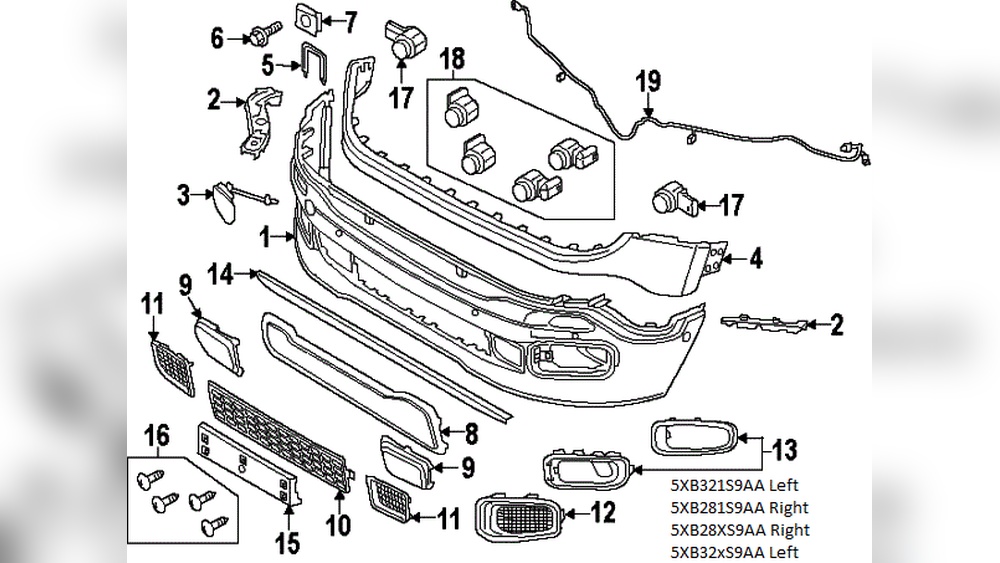
- New fog light assemblies (left and right, made for 2016 Jeep Renegade)
- Flathead screwdriver
- Phillips screwdriver
- 10mm socket and ratchet
- Torx driver set (usually T20 or T25)
- Trim removal tool (optional but helpful)
- Gloves and safety glasses
- Clean cloth
Pro tip: Always check your vehicle manual for the exact tool sizes, as Jeep may change screw types between trims.
Preparing Your Jeep Renegade
Safety comes first. Make sure the Jeep is parked on a flat surface. Turn off the engine, set the parking brake, and disconnect the negative battery cable. This prevents electrical shorts and keeps your hands safe.
If your fog lights are in the lower bumper, you’ll need to remove a few bumper fasteners and possibly the wheel well liner for better access. Lay out a mat or blanket to protect your paint and keep screws from getting lost.
Removing The Old Fog Light Assembly
- Access the fog light by turning the steering wheel away from the side you’ll work on first. This gives you more room near the wheel well.
- Use a flathead screwdriver or trim tool to remove the plastic clips holding the wheel well liner. Gently pull back the liner to expose the rear of the fog light assembly.
- Disconnect the fog light wiring harness by squeezing the tab and pulling back.
- Remove the mounting screws (usually two or three) with your socket or Torx driver.
- Carefully slide out the old assembly. If it feels stuck, double-check for hidden screws or clips.
Non-obvious tip: Take photos before you remove anything. This helps you remember how everything fits during reassembly.
Installing The New Fog Light Assembly
- Unbox your new fog light assembly and compare it with the old one. Make sure the brackets and connectors match.
- Slide the new assembly into the mounting position, lining up all holes.
- Insert and tighten the mounting screws. Don’t overtighten—plastic parts can crack.
- Reconnect the wiring harness. Push until you hear a click.
- Test the new fog light before reattaching the liner. Reconnect the battery and turn on the fog lights to check function and aim.
- If all works, reinstall the wheel well liner and plastic clips.
Insight: Sometimes, aftermarket assemblies can have slightly different wiring plugs. If yours doesn’t fit, you may need a plug adapter or to swap the bulb socket from your old assembly.
Repeating For The Other Side
Repeat the same process for the opposite fog light. Most people find the second side goes faster because they’ve learned the steps. Always check both sides for proper alignment and brightness before finishing.
Adjusting And Aiming The Fog Lights
After installation, you might need to adjust the aim. Poorly aimed fog lights can blind other drivers or fail to light the road.
- Park your Jeep about 25 feet from a wall.
- Turn on the fog lights and check the beam pattern.
- Use the adjustment screw (usually on the back or top of the assembly) to set the beam slightly below headlight level.
Non-obvious insight: If the new fog lights are brighter, don’t aim them too high. Brighter lights can cause more glare if not aimed correctly.
Common Mistakes To Avoid
- Forgetting to disconnect the battery. This could cause a short circuit.
- Losing screws or clips. Keep a small tray nearby to hold all hardware.
- Forcing the assembly. If it doesn’t fit, check for hidden screws or mismatched parts.
- Not testing before reassembly. Save time by checking function before buttoning up.
Comparing Oem Vs Aftermarket Fog Light Assemblies
Choosing between OEM (Original Equipment Manufacturer) and aftermarket assemblies matters. Here’s a quick comparison:
| Feature | OEM | Aftermarket |
|---|---|---|
| Fit & Finish | Guaranteed | Varies by brand |
| Price | Higher | Usually lower |
| Warranty | Often included | Depends on seller |
| Brightness | Standard | Can be improved |
Key takeaway: If you want a guaranteed fit and no surprises, go with OEM. For budget or upgraded lighting, quality aftermarket parts can be a good choice.
Cost And Time Estimates
You can expect to spend $80–$200 for a pair of fog light assemblies, depending on OEM or aftermarket. Labor at a shop may cost $100–$250, but doing it yourself saves money.
Most DIYers finish the job in 1–2 hours. If you’re a beginner, set aside extra time to go slowly and avoid mistakes.
Maintenance Tips For Long-lasting Fog Lights
- Clean the lenses regularly with mild soap and water.
- Avoid high-pressure washers near the seals.
- Check for condensation inside the lens—this means the seal is bad.
- Change bulbs promptly if they burn out.
- Use dielectric grease on connections to prevent corrosion.
Pro insight: Keeping the wiring clean and dry prevents many electrical problems with fog lights.
Troubleshooting Common Issues
If your new fog light doesn’t work after installation, check these:
- Blown fuse: Look in the fuse box under the hood.
- Loose connector: Make sure the wiring harness is fully seated.
- Wrong bulb type: Some assemblies need a specific bulb. Double-check the number.
- Damaged wiring: Inspect for pinched or broken wires during installation.
Most problems are simple a quick recheck solves them.
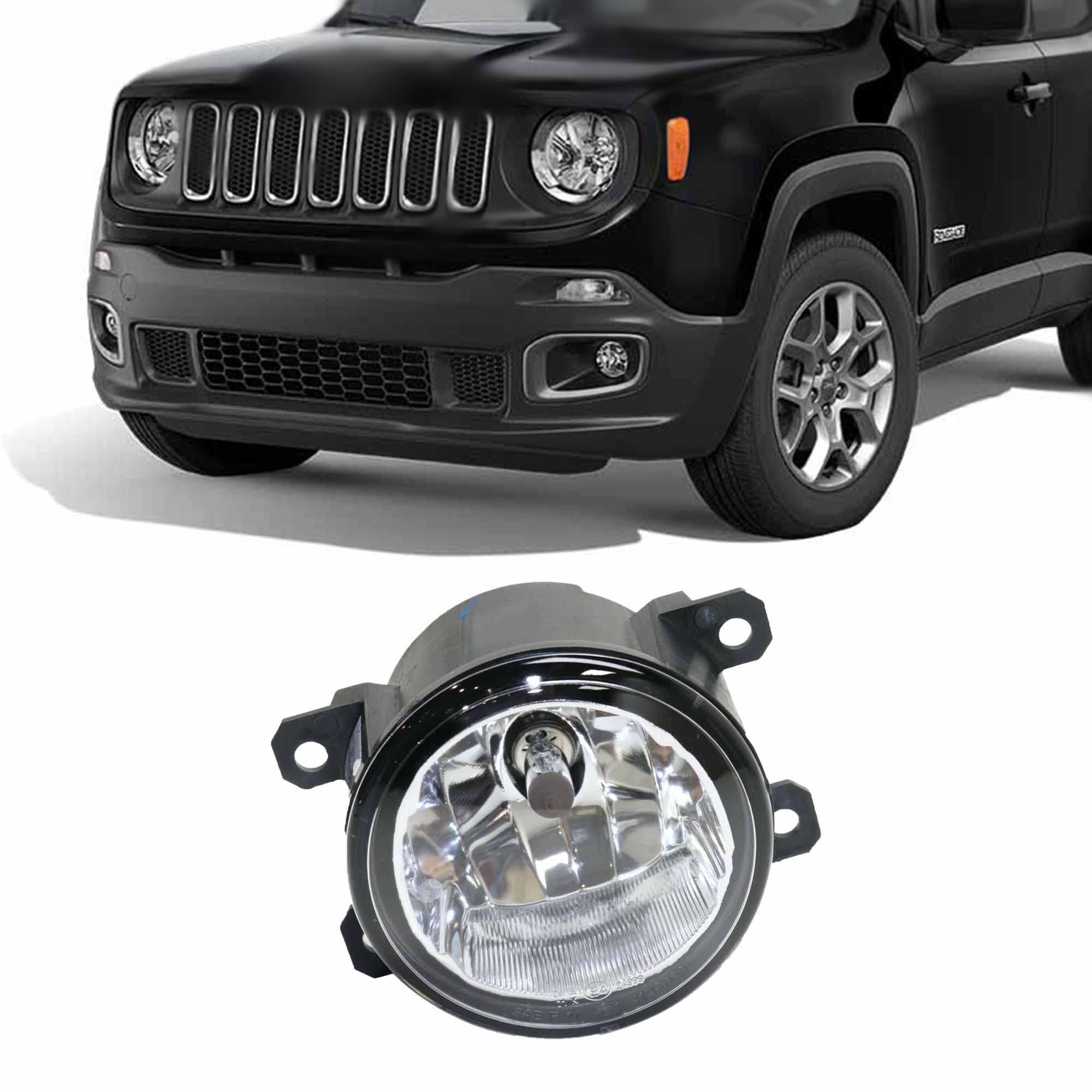
Quick Reference: Jeep Renegade Fog Light Specs
Here’s a handy overview for 2016 Jeep Renegade fog lights:
| Spec | Detail |
|---|---|
| Assembly Type | Halogen (most trims) |
| Bulb Size | H11 |
| Mount Location | Lower front bumper |
| Adjustment | Manual screw |
| Average Lifespan | 2–4 years |
If you want to see original specs and details, check the Jeep Official Owner’s Site.
Upgrading To Led Or Hid Fog Lights
Some owners want brighter lights and longer life. Upgrading to LED or HID can help, but check local laws first. Some areas only allow certain types. Make sure the new assemblies are DOT-approved.
Installation is similar, but you may need to add a ballast (for HID) or a resistor (for LED) to prevent flickering or warning lights.
Real-world Example: Owner Experience
Kevin, a 2016 Jeep Renegade owner in Ohio, shared that replacing both fog lights took him about an hour. His biggest surprise was how much brighter the new lights were, but he needed to adjust the aim to avoid blinding oncoming traffic.
He also found that the cheap aftermarket assemblies needed a spacer washer for a snug fit something OEM didn’t require.
Lesson: Always test fit parts before final assembly, and don’t rush the aiming process.
When To Call A Professional
If you’re not comfortable removing body panels, or if the wiring looks damaged, it’s smart to get help. A local shop can usually install fog light assemblies quickly.
If you notice water in the new lights after installation, get it checked bad seals can lead to electrical failure.
Frequently Asked Questions
What Size Bulb Does A 2016 Jeep Renegade Fog Light Use?
The 2016 Jeep Renegade uses an H11 bulb for fog lights. Always confirm with your vehicle’s manual, as some trims or aftermarket assemblies might vary.
Do I Need To Remove The Bumper To Change The Fog Light Assembly?
No, for most 2016 Jeep Renegade models, you only need to remove the wheel well liner for access. Full bumper removal is rarely needed unless the fasteners are damaged.
Can I Upgrade To Led Fog Lights?
Yes, you can upgrade to LED fog lights. Make sure the kit is compatible with your Jeep and is DOT-approved. Some kits may need an adapter or resistor to work without error codes.
Why Is My New Fog Light Not Working After Installation?
This could be due to a loose connector, a blown fuse, or the wrong bulb type. Double-check connections, and consult your owner’s manual for fuse locations.
How Do I Aim My New Fog Lights Correctly?
Park your Jeep 25 feet from a wall, turn on the fog lights, and adjust the beam so it’s below the headlight line. Use the adjustment screw on the back of the assembly for fine-tuning.
Replacing your 2016 Jeep Renegade’s fog light assembly isn’t just about style it’s a key safety upgrade. With the right tools, patience, and the steps above, you can tackle this project and enjoy brighter, clearer drives in any weather.
Take your time, check your work, and enjoy the results of a job well done.