Owning a Jeep Wrangler is not just about driving—it’s about adventure, versatility, and solving real-world problems on and off the road. One question that often comes up is whether you should keep a spare wheel inside your Jeep Wrangler. While the answer may seem simple, the reality involves a mix of practicality, safety, and even style. Let’s dive deep into the reasons, methods, and best practices for keeping a wheel in your Jeep Wrangler, so you can travel with confidence wherever the trail leads.
Why Jeep Wrangler Owners Carry A Spare Wheel
The Jeep Wrangler is famous for tackling tough terrains, from rocky hills to muddy paths. When you’re far from help, a flat tire can quickly turn from a minor issue to a serious problem. Here’s why keeping a spare wheel is a must for most Wrangler owners:
- Safety First: Getting stranded in remote areas without a backup tire puts you at risk, especially if cell service is weak.
- Off-Road Necessity: Off-road adventures increase the chance of punctures or tire damage.
- Travel Freedom: Having a spare lets you explore without the constant worry of tire trouble.
- Roadside Assistance Limitations: Services may not reach some off-road locations, so self-reliance is key.
Surprisingly, even city drivers can benefit—urban potholes, sharp debris, or construction zones can cause unexpected flats. For all these reasons, a backup wheel is more than just a Jeep tradition; it’s a practical step for anyone who values reliability.
Where To Keep The Spare Wheel In A Jeep Wrangler
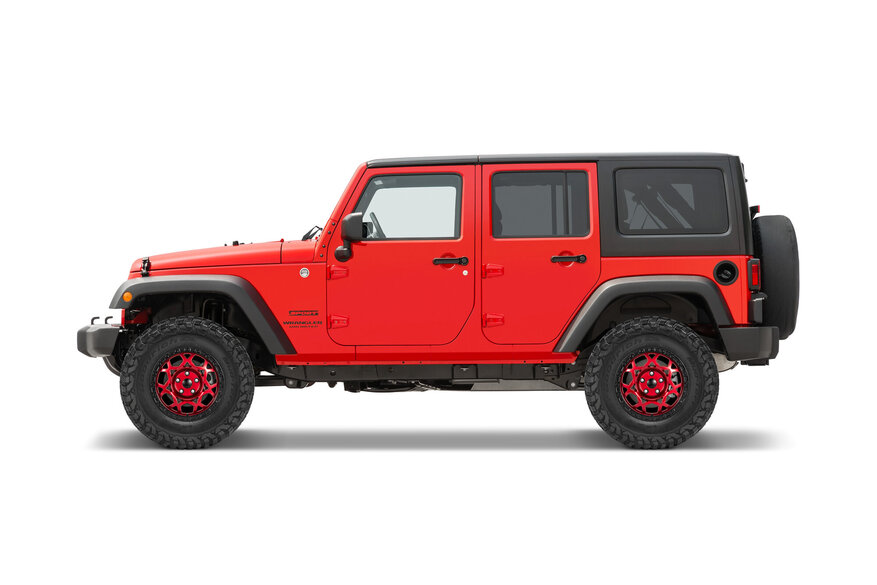
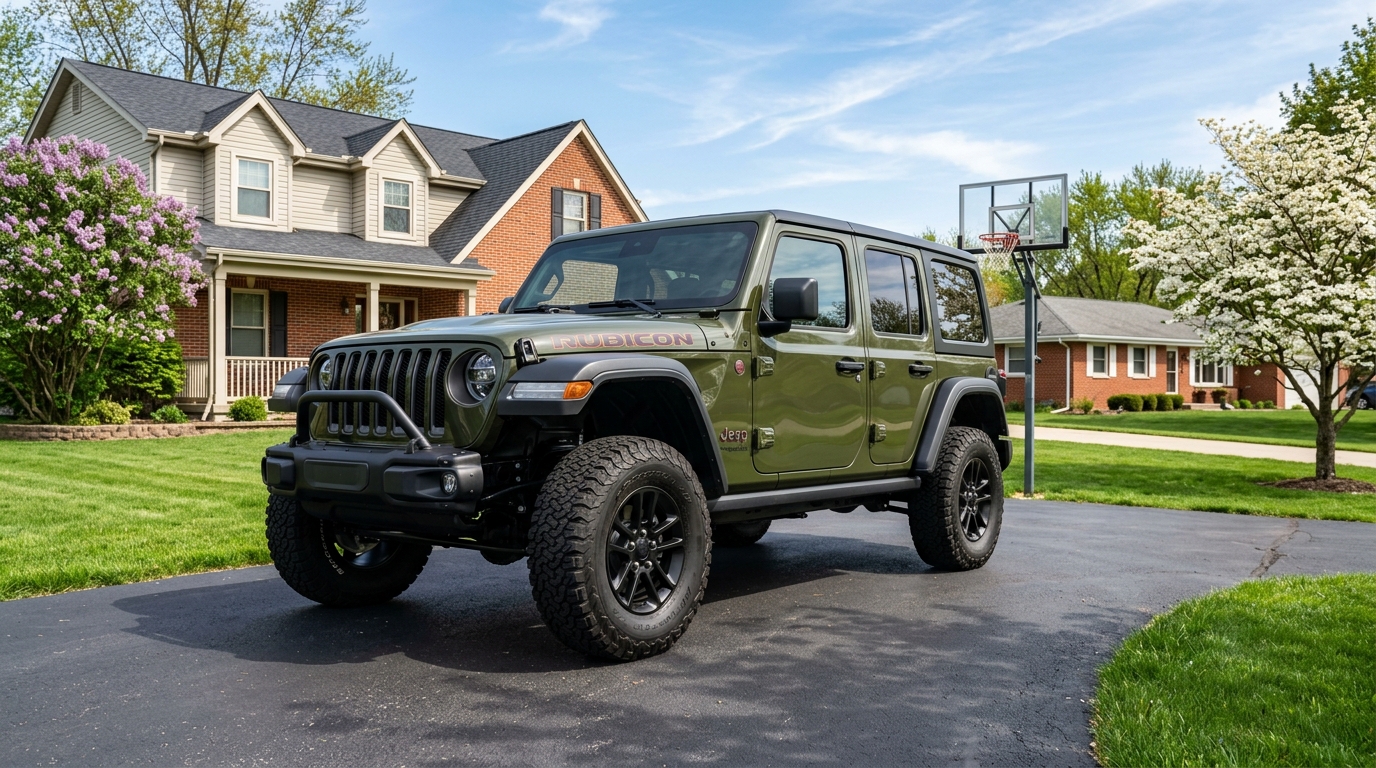
The classic spot is on the rear tailgate, but that’s not the only option. Some drivers prefer to keep the spare wheel inside the Jeep for better security or to avoid extra weight on the tailgate. Let’s explore the main options:
| Location | Pros | Cons |
|---|---|---|
| Rear Tailgate | Easy access, traditional look, saves interior space | Exposed to theft, adds weight to tailgate, possible visibility issues |
| Inside Cargo Area | More secure, protected from weather, reduces tailgate stress | Takes up cargo space, may need mounting hardware |
| Roof Rack | Frees interior and rear space, good for oversized tires | Hard to access, affects vehicle height and aerodynamics |
Most Jeepers stick with the rear mount, but if you carry valuable gear or want extra security, inside storage is worth considering.
How To Properly Store A Wheel Inside Your Jeep Wrangler
Simply tossing the spare in your cargo area is not enough. A loose wheel is dangerous in an accident or even during sharp turns. Here are the steps for safe, practical storage:
- Choose the Right Mounting Solution: Use a proper interior tire carrier or mounting bracket. Popular brands make brackets designed for the Wrangler, which bolt into the cargo floor.
- Position Carefully: Place the wheel as close to the rear seats as possible to minimize movement. Avoid blocking rear visibility.
- Secure the Wheel: Always use heavy-duty straps or tie-downs. The wheel must not shift during sudden stops.
- Protect Your Interior: Put a mat or blanket under the wheel to prevent scratches or damage.
- Check Tire Pressure: A flat spare is useless. Check pressure monthly and before trips.
The right setup keeps your wheel safe, secure, and ready for action when you need it most.
Choosing The Best Spare Wheel For Your Jeep Wrangler
Not all spare wheels are created equal. Here’s what you need to know before picking or upgrading your backup tire:
Size Matters
Always match the spare wheel size to your main tires. Using a smaller or “donut” style spare can cause handling problems—especially with 4WD engaged.
Weight And Material
Modern spares are often steel wheels, which are heavier but cheaper and tougher. Alloy wheels are lighter and look better but may cost more.
| Wheel Material | Weight | Durability | Cost |
|---|---|---|---|
| Steel | Heavier | Very Durable | Lower |
| Alloy | Lighter | Less Durable | Higher |
Tire Type
If you run off-road tires on your Jeep, your spare should match. Mixing tire types can harm your drivetrain, especially if you have lockers or advanced traction systems.
Common Mistakes To Avoid
- Using a spare that’s a different size or tread pattern
- Not checking the spare’s condition regularly
- Forgetting to rotate the spare with your other tires
By matching your spare to your main tires, you ensure safety and smooth performance.
Security Tips: Protecting Your Spare Wheel
Spare wheels are a target for thieves, especially in urban areas or at trailheads. Here are effective ways to protect your investment:
- Use a Spare Tire Lock: Special locks attach to the spare’s lugs and require a unique key.
- Keep It Inside: Storing the wheel in your cargo area makes theft much harder.
- Choose Locking Lug Nuts: Upgrading all wheel lug nuts to locking types adds another layer of security.
- Install an Alarm: Some Jeep alarms can be set to alert you if the tailgate or cargo area is opened.
These steps are simple but can save you money and headaches.
How Keeping A Spare Wheel Affects Jeep Wrangler Performance
Carrying a spare wheel, especially a large one, can impact your Jeep in several ways:
Fuel Efficiency
A heavy, rear-mounted spare can reduce fuel economy. According to some Wrangler owners, the drop is about 1–2 mpg, especially with oversized tires.
Rear Visibility
Both inside and outside spare mounts can block your view. Adjust your mirrors or consider a backup camera if needed.
Suspension Stress
Extra weight on the tailgate stresses the hinges and door. Over time, this can lead to sagging or rattles. If you use large tires, consider a reinforced tailgate hinge or tire carrier.
Practical Tips For Traveling With A Spare Wheel
Here are some less obvious pointers most new Jeep owners miss:
- Rotate Your Spare: Include the spare in your regular tire rotation every 5,000–7,000 miles. This keeps wear even and extends tire life.
- Check the Age: Even unused tires degrade. Replace your spare every 6–8 years, no matter what.
- Pack a Complete Kit: Always carry a lug wrench, jack, and any special tools for your wheels. Don’t rely on the factory kit if you’ve upgraded tires or wheels.
- Label Tire Position: If you rotate all five tires, mark their positions so you know which is which at your next rotation.
- Plan for Oversize Tires: If you run bigger-than-stock tires, make sure your spare can be removed and installed easily. Sometimes the factory bracket or jack won’t fit.
Attention to these details means less stress when you need your spare the most.
Alternatives To Carrying A Full-size Spare
Some Jeep owners choose not to carry a full-size wheel, especially on short trips or when space is tight. Here are a few alternatives:
- Tire Repair Kit: Modern kits can patch small punctures. Useful for slow leaks but not for sidewall damage or large holes.
- Onboard Air Compressor: Useful for reinflating tires after a small puncture or after airing down for trails.
- Run-Flat Tires: Rare on Jeeps, but some drivers use them for city driving.
- Roadside Assistance Coverage: Helpful in urban areas but not reliable off-road.
While these solutions work in specific situations, they’re not a substitute for a proper spare on rugged trips.
Comparing Different Spare Wheel Storage Solutions
Let’s see how popular storage methods compare on the key points:
| Storage Method | Security | Accessibility | Cargo Space Impact | Best For |
|---|---|---|---|---|
| Rear Tailgate | Medium | Easy | None | Daily driving, moderate trails |
| Inside Cargo Area | High | Moderate | High | Urban use, high-theft areas |
| Roof Rack | High | Hard | None | Expeditions, large tires |
Choosing the right method comes down to your travel needs, security concerns, and how much cargo space you’re willing to lose.
Real-world Example: A Weekend Trail Ride
Imagine a Wrangler owner heading out for a weekend trail trip. He keeps his spare tire inside, mounted with a bolt-down bracket and covered with a thick mat. On the trail, a jagged rock slices a sidewall. Thanks to the secure mount, he swaps the tire in 15 minutes, gets back on the road, and avoids a costly tow.
If the spare had been left outside, it could have been stolen or damaged by weather before he needed it.
This story highlights the value of preparation and smart storage.
The Final Word On Keeping A Spare Wheel In Your Jeep Wrangler
If you own a Jeep Wrangler, a spare wheel isn’t just a box to check—it’s a key part of your safety and adventure plan. Whether you mount it outside for convenience or inside for security, what matters is that it’s ready, compatible, and well-maintained.
Pay attention to the details, match your tires, and use the right storage method for your lifestyle. You’ll gain peace of mind and more freedom to enjoy the Jeep life.
If you want to learn more about tire safety and vehicle maintenance, the National Highway Traffic Safety Administration offers reliable resources on this topic: NHTSA Tire Information.
Frequently Asked Questions
Is It Legal To Keep A Spare Wheel Inside A Jeep Wrangler?
Yes, it is legal in the US and most countries to store a spare wheel inside your vehicle, as long as it is properly secured and does not block your view or access to seatbelts.
Does Carrying A Spare Wheel Affect My Jeep’s Gas Mileage?
A full-size spare, especially when mounted outside, can reduce fuel economy by 1–2 mpg due to extra weight and wind resistance.
What Size Spare Wheel Should I Use For My Jeep Wrangler?
Always use a spare that matches your main wheels in both size and tread. Mixing sizes can damage your transmission and 4WD system.
How Often Should I Check My Spare Wheel?
Check your spare’s air pressure and condition at least once a month, and always before long trips or off-road adventures.
What Tools Should I Carry With My Spare Wheel?
Always pack a lug wrench, jack, and any special tools for your wheels. If you have larger tires, make sure your jack can handle them and that your wrench fits your upgraded lugs.