If you own a 2006 Jeep Commander, you might wonder how to use its four wheel drive system correctly. Many drivers feel unsure, especially if they’re new to off-roading or come from two-wheel drive vehicles. Engaging four wheel drive can help you tackle tough roads, snowy conditions, and muddy trails—but it’s important to know the right steps, understand your options, and avoid common mistakes. This guide will walk you through everything you need to know, from the basics to advanced tips, so you can confidently use your Jeep’s four wheel drive and keep your vehicle in top shape.
Understanding The 2006 Jeep Commander’s Four Wheel Drive System
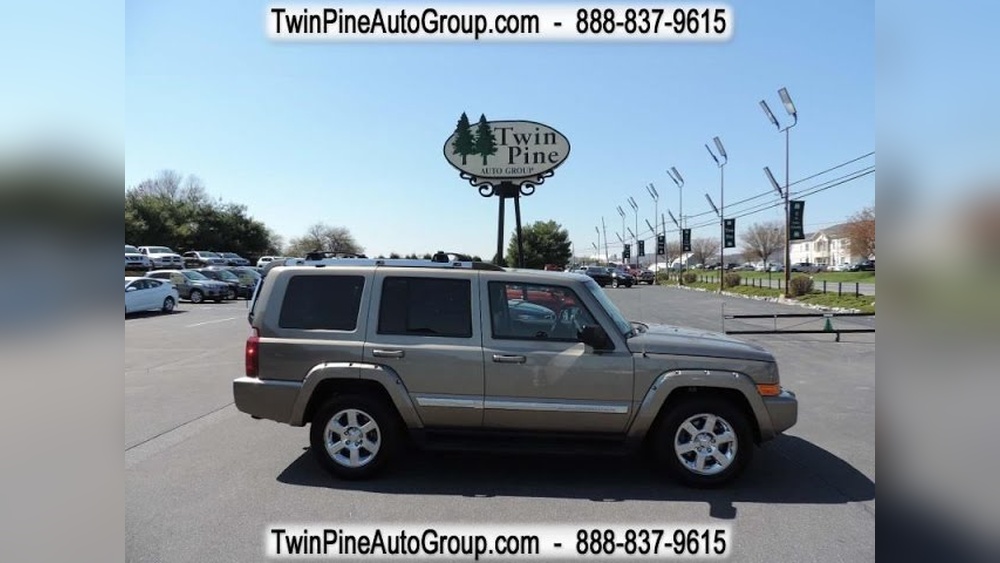
The 2006 Jeep Commander offers several four wheel drive options, depending on your trim. Most models come with either Quadra-Trac I or Quadra-Trac II systems. Some have Quadra-Drive II, which adds more capability.
- Quadra-Trac I: Full-time four wheel drive, no driver input needed.
- Quadra-Trac II: Allows you to switch between different modes, including 4WD Low.
- Quadra-Drive II: Advanced system with electronic limited slip differentials.
These systems are built for reliability, but knowing which one you have is key. You can check your owner’s manual or look for badges on your Jeep.
Key Features
- Full-time 4WD: Always active; you don’t need to engage it manually.
- Selectable 4WD: You can choose between modes for different terrains.
- 4WD Low: Provides more torque for deep mud, sand, or steep hills.
When Should You Engage Four Wheel Drive?
Engaging four wheel drive is not necessary for every drive. It’s best used when:
- Roads are slippery (snow, ice, rain).
- You’re driving off-road (mud, sand, rocks).
- You need extra traction (steep hills, towing).
Using four wheel drive on dry pavement can cause wear on your drivetrain. Always switch back to two wheel drive or full-time mode when conditions improve.
Step-by-step: How To Engage Four Wheel Drive On 2006 Jeep Commander
Before starting, make sure your Jeep is in good condition and the tires are properly inflated.
For Quadra-trac I (full-time 4wd)
If your Jeep has Quadra-Trac I, four wheel drive is always active. You don’t need to do anything—just drive.
Non-obvious insight: Many drivers don’t realize that full-time systems work automatically, even if you don’t see a switch or lever.
For Quadra-trac Ii And Quadra-drive Ii (selectable 4wd)
If your Commander has Quadra-Trac II or Quadra-Drive II, follow these steps:
- Stop the vehicle: For 4WD Low, your Jeep must be stationary.
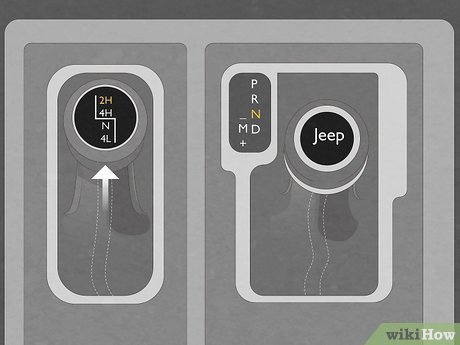
- Shift to Neutral (N): Move the gear lever to the neutral position.
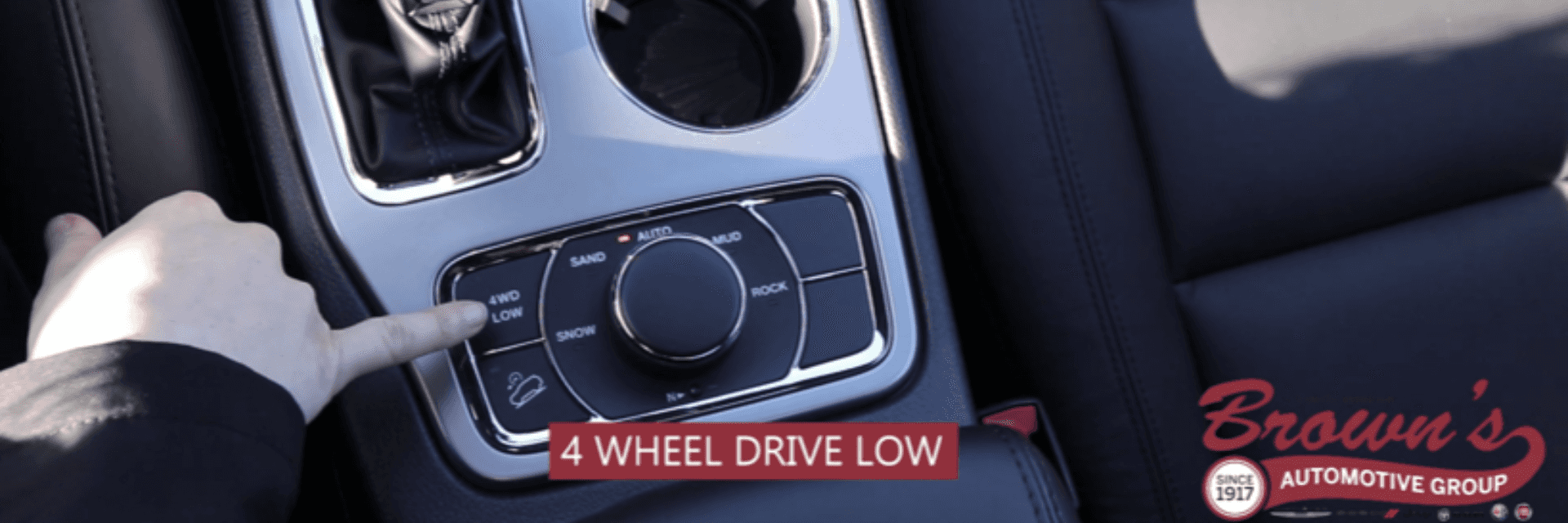
- Engage 4WD Low: Turn the switch or lever to “4WD Low.”
- Wait for confirmation: The dashboard light will show “4WD Low.”
- Shift back to Drive (D): Now you can drive with increased torque.
Practical tip: Only use 4WD Low for tough conditions—deep mud, sand, or steep hills. Using it on regular roads can damage your Jeep.
Common Mistakes
- Engaging 4WD Low while moving: Always stop and shift to neutral first.
- Using 4WD Low on dry pavement: This causes unnecessary wear.
- Ignoring dashboard warnings: If a warning light appears, check your system before driving further.
Comparison: 4wd Modes On The 2006 Jeep Commander
To help you understand the differences, here’s a comparison table:
| Mode | When To Use | How To Engage | Key Benefit |
|---|---|---|---|
| Full-Time 4WD | Normal driving, mild off-road | Automatic | Convenience, always ready |
| 4WD High | Snow, rain, light mud | Switch or lever (moving) | Extra traction |
| 4WD Low | Deep mud, sand, steep hills | Switch or lever (stopped) | Maximum torque |
Data: 2006 Jeep Commander Four Wheel Drive Statistics
The 2006 Jeep Commander is known for its strong performance in tough conditions. Here are some useful data points:
- Maximum towing capacity: 7,200 lbs (with 4WD)
- Ground clearance: 8.6 inches
- Approach angle: 26.6 degrees
- Departure angle: 20.5 degrees
These numbers show that your Jeep is built for challenging roads and heavy loads.
Troubleshooting Four Wheel Drive Problems
Sometimes, the four wheel drive system doesn’t work as expected. Here’s how to spot and fix common issues:
Dashboard Warning Lights
If you see a 4WD warning light, don’t ignore it. It usually means the system needs attention. Check your owner’s manual for details.
Strange Noises
Grinding or whining sounds when engaging four wheel drive can signal a problem. Stop using 4WD and get your Jeep checked by a mechanic.
Difficulty Engaging 4wd Low
If 4WD Low doesn’t engage:
- Make sure you’re in neutral.
- Stop the vehicle completely.
- Try turning the switch or lever again.
If it still won’t work, the system may need servicing.
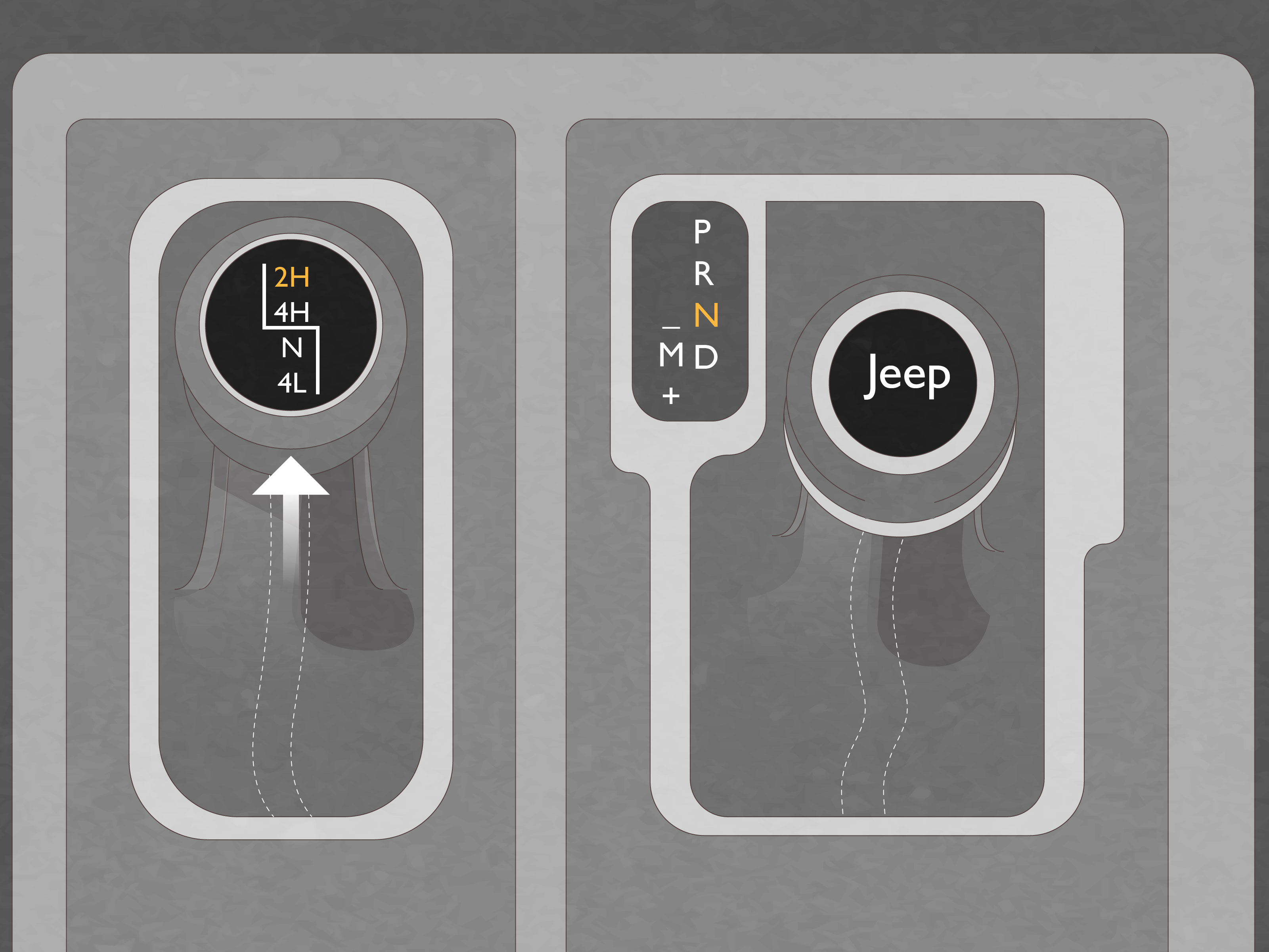
Table: Common Issues And Solutions
Here’s a quick reference for troubleshooting:
| Problem | Possible Cause | Solution |
|---|---|---|
| 4WD Won’t Engage | Not in Neutral, moving vehicle | Stop & shift to Neutral |
| Warning Light On | Sensor issue, low fluid | Check system, add fluid |
| Strange Noises | Worn parts, wrong usage | See mechanic |
Real-world Example: Engaging 4wd On Snowy Roads
Let’s say you’re driving in heavy snow. You notice the wheels slipping. If you have Quadra-Trac II, follow these steps:
- Slow down and stop safely.
- Shift to neutral.
- Turn the switch to “4WD Low.”
- Wait for the dashboard to confirm.
- Shift back to drive.
Now, your Jeep will get more torque and better grip. Once you’re back on clear pavement, switch off 4WD Low.
Non-obvious insight: Many drivers forget to disengage 4WD Low after leaving tough conditions. This can cause extra wear on your Jeep.
Maintaining Your Four Wheel Drive System
To keep your four wheel drive working smoothly, regular maintenance is important.
- Check fluids: Transfer case and differential fluids should be checked every 30,000 miles.
- Inspect tires: Uneven tire wear can affect traction.
- Listen for noises: Early detection prevents bigger problems.
You can find more maintenance tips from the official Jeep website: Jeep Owners.
Table: Maintenance Schedule
Here’s a simple maintenance schedule for your four wheel drive system:
| Item | Interval | Action |
|---|---|---|
| Transfer case fluid | 30,000 miles | Check & replace |
| Differential fluid | 30,000 miles | Check & replace |
| Tire inspection | Every 6 months | Check for wear |
| Listen for noises | Monthly | Investigate sounds |
Tips For Safe Four Wheel Drive Use
- Engage 4WD only when needed: Using it all the time wears out parts.
- Avoid sharp turns in 4WD: This stresses the drivetrain.
- Drive slowly in tough conditions: 4WD gives you control, not speed.
- Know your limits: Even with 4WD, deep water or big rocks can damage your Jeep.
- Practice off-road driving: Take a course or join a club to improve your skills.
Frequently Asked Questions
How Do I Know Which Four Wheel Drive System My 2006 Jeep Commander Has?
Check your owner’s manual or look for badges near the gear lever or on the back of your Jeep. Most Commanders have Quadra-Trac I or II, but some have Quadra-Drive II.
Can I Engage Four Wheel Drive While Driving?
You can switch to 4WD High while moving at low speeds, but you must stop and shift to neutral to engage 4WD Low.
Is It Safe To Use Four Wheel Drive On Dry Roads?
It’s not recommended. Using four wheel drive on dry pavement can cause extra wear on your drivetrain and tires.
What Should I Do If The Four Wheel Drive System Won’t Engage?
Check if your Jeep is in neutral and stopped. If it still won’t engage, there may be a mechanical issue get it checked by a professional.
How Often Should I Maintain My Four Wheel Drive System?
Check transfer case and differential fluids every 30,000 miles. Inspect tires and listen for noises regularly.
Getting comfortable with your 2006 Jeep Commander’s four wheel drive system takes a bit of practice, but once you know the steps and understand the features, you’ll drive with more confidence and safety. Whether you’re facing snow, mud, or steep hills, your Jeep is ready for the challenge—just remember to engage four wheel drive correctly, maintain the system, and drive smart.