Replacing your Jeep’s steering wheel might sound difficult, but with some care and the right tools, it’s a job you can tackle in your own garage.
Whether you want a fresh look, a smaller grip, or to upgrade to a wheel with modern features, swapping out the steering wheel brings both style and comfort.
This guide will walk you through every step, from preparation to installation, and help you avoid common mistakes that can cost time and money.
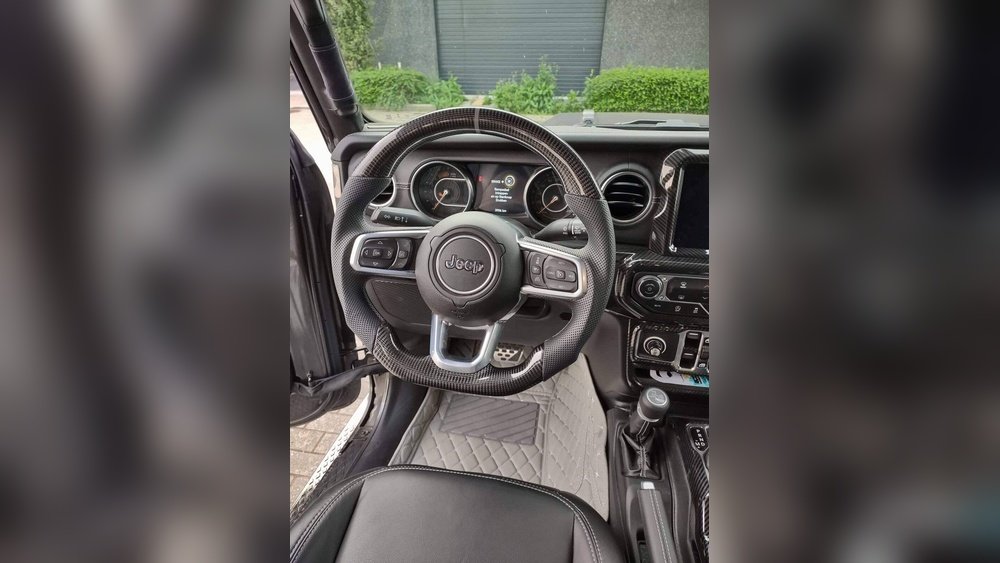
Why Replace Your Jeep Steering Wheel?
Many Jeep owners consider replacing the steering wheel for several reasons. The most common include:
- Worn or damaged wheel: Years of use can crack or fade the original wheel, making it uncomfortable to hold.
- Customization: Upgrading to an aftermarket steering wheel can change your Jeep’s look and feel, adding sportiness or luxury.
- Improved grip and features: Modern wheels offer better materials and sometimes functions like radio or cruise controls.
An upgraded steering wheel is one of the most noticeable changes you can make inside your Jeep.
What You’ll Need For The Job
Before starting, gather all necessary tools and materials. Here’s a checklist to help you prepare:
- New steering wheel (compatible with your Jeep model)
- Steering wheel puller kit
- Socket set and ratchet
- Screwdrivers (Phillips and flathead)
- Torx bits (often required for airbag bolts)
- Torque wrench
- Trim removal tool
- Gloves and safety glasses
- Thread locker (optional, for extra security)
- Electrical tape (if handling wires)
Having the right tools makes the process safer and prevents damage to your Jeep’s interior.
Understanding Airbags And Safety
Most modern Jeeps have airbags inside the steering wheel. Handling them requires extra care. Never skip these safety steps:
- Disconnect the battery: Remove the negative cable from your battery. Wait at least 15 minutes for the airbag system to discharge completely.
- Work slowly: Rushing increases the chance of accidental airbag deployment or wire damage.
- Handle the airbag module gently: Always place the airbag face up on a flat surface.
Some Jeep models have sensitive wiring, so always read your owner’s manual for model-specific advice.
Step-by-step Guide: Removing The Old Steering Wheel
Follow these instructions for a smooth and safe removal:
- Disconnect the Battery
- Turn off your Jeep.
- Open the hood and use a wrench to disconnect the negative battery terminal.
- Wait at least 15 minutes before touching anything near the airbag.
- Remove Airbag Module
- Locate the screws or Torx bolts at the back of the steering wheel.
- Use the proper bit to loosen and remove them.
- Carefully pull the airbag module away from the wheel.
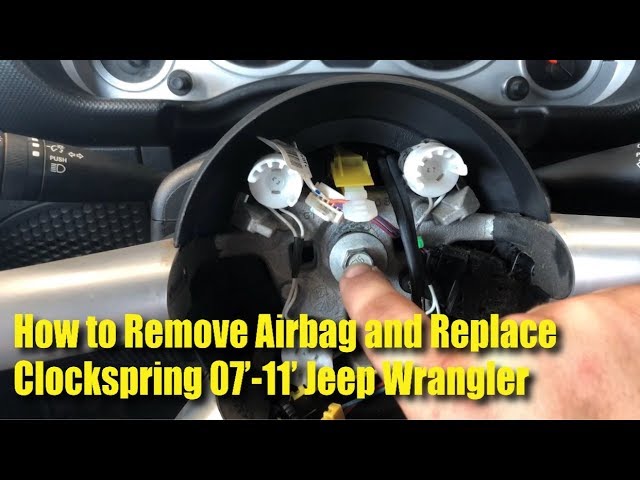
- Detach the airbag’s wiring connectors. Some have clips—do not force them.
- Unplug Other Controls
- If your steering wheel has audio or cruise control buttons, unplug these connectors as well.
- Mark the Wheel Position
- Use a marker or tape to note the alignment of the steering wheel relative to the steering shaft. This ensures your new wheel sits straight.
- Loosen the Center Nut
- Use a socket and ratchet to remove the large center nut holding the wheel.
- Do not remove it entirely yet—leave it threaded a few turns.
- Use a Steering Wheel Puller
- Attach the puller to the steering wheel as instructed in the kit.
- Tighten the puller to break the wheel free from the shaft.
- Once loose, remove the center nut and pull the wheel off.
Extra Insight: Common Mistake
Beginners often forget to mark the original wheel’s position. Skipping this step can leave your new steering wheel off-center, making driving feel strange.
Comparing Steering Wheel Types
Choosing the right replacement depends on your preferences and Jeep model. Here’s a comparison:
| Type | Pros | Cons | Popular With |
|---|---|---|---|
| OEM Replacement | Perfect fit, retains airbags and controls | Limited style options | Restorers, daily drivers |
| Aftermarket Sport | Lighter, better grip, unique styles | May lose airbag, wiring needs work | Off-road, performance fans |
| Custom/Retrofit | Personalized look, premium materials | Expensive, complex install | Show Jeeps, enthusiasts |
Not all aftermarket wheels support airbags or factory controls. Check compatibility before buying.
Installing The New Steering Wheel
Once the old wheel is off, it’s time to install the replacement:
- Check Alignment
- Make sure the wheels are pointed straight ahead.
- Align your new steering wheel using the marks you made earlier.
- Slide on the New Wheel
- Carefully slide the new wheel onto the shaft, lining up the splines.
- Reconnect Controls
- Plug in any wiring for horn, audio, or airbag (if supported).
- Double-check connections—they must be snug and secure.
- Tighten the Center Nut
- Hand-tighten the nut first, then use a torque wrench to the manufacturer’s specification.
- Over-tightening can damage the shaft threads.
- Install Airbag Module
- Attach the airbag connectors.
- Gently position the airbag and secure it with the screws or bolts.
- Reconnect the Battery
- Reattach the negative battery cable.
- Sit in the passenger seat and turn the ignition to the “on” position—this keeps you safe if there’s a problem.
- Test Everything
- Try the horn, radio controls, and airbag warning light.
- If the airbag light stays on or controls don’t work, disconnect the battery and check your wiring.
Extra Insight: Steering Wheel Adapters
Some aftermarket wheels need a hub adapter to fit your Jeep’s steering shaft. This small part can add cost and complexity, so always check if it’s included or sold separately.
Data: Common Jeep Steering Wheel Sizes
Choosing a steering wheel size can affect comfort and handling. Here’s a quick comparison:
| Diameter (inches) | Handling | Comfort | Notes |
|---|---|---|---|
| 14″ | Quick response | Less leverage | Popular for off-road |
| 15″ | Balanced | Good leverage | OEM standard |
| 16″ | Slower steering | Maximum comfort | Classic models |
A smaller wheel offers a sportier feel but requires more effort at low speeds. Larger wheels make slow-speed driving easier, especially off-road.
Troubleshooting: What If Something Goes Wrong?
Replacing a steering wheel is usually straightforward, but problems can happen. Here’s how to handle a few common issues:
- Airbag light stays on: Double-check your airbag connectors. If the problem remains, consult a professional—do not drive with the airbag disabled.
- Steering wheel is off-center: You may have installed the wheel one spline off. Remove and reinstall, aligning with your marks.
- Horn or controls don’t work: Check for pinched wires or loose connectors behind the wheel.
If you’re unsure about any step, it’s better to pause and get help than risk damaging your Jeep’s safety systems.
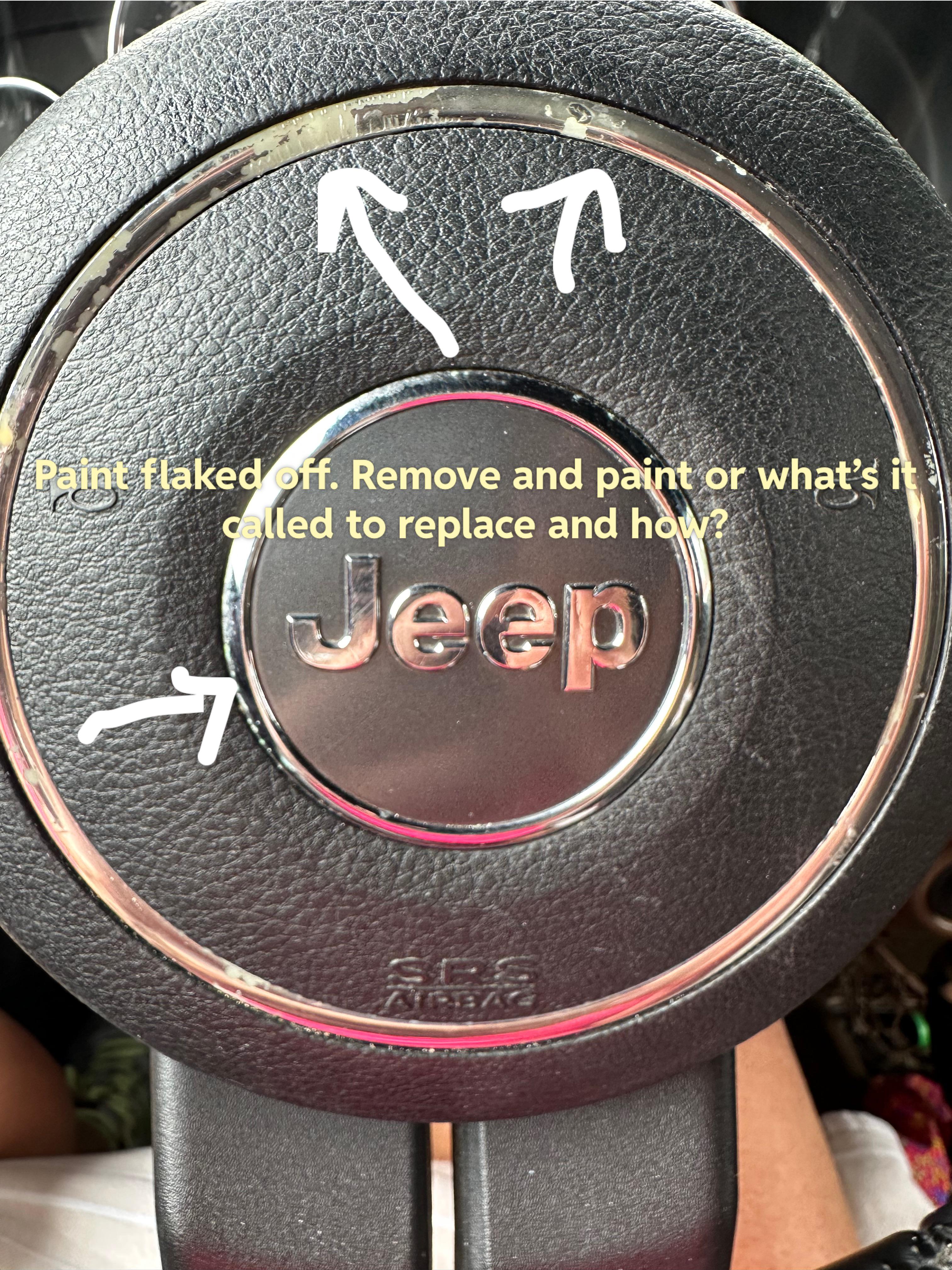
Practical Tips For Jeep Owners
- Take photos as you go: Pictures help you remember wire locations and screw types when putting everything back.
- Label connectors: Use masking tape to mark each wire for faster reassembly.
- Test before final assembly: Temporarily reconnect the battery and test functions before securing the airbag module.
Not all Jeeps are the same. For example, a Wrangler JK uses different bolts and connectors than a Grand Cherokee, so always confirm your model’s requirements.
Cost And Time Estimates
On average, replacing a Jeep steering wheel takes about 1-2 hours for a DIYer. Here’s a breakdown of costs:
| Item | Estimated Cost (USD) |
|---|---|
| OEM replacement wheel | $100–$400 |
| Aftermarket wheel | $80–$300 |
| Steering wheel puller kit | $20–$40 |
| Hub adapter (if needed) | $30–$100 |
| Professional labor (optional) | $100–$200 |
Most Jeep owners can handle this upgrade with basic tools, but if your Jeep has advanced electronics or you’re not comfortable with airbags, consider hiring a pro.
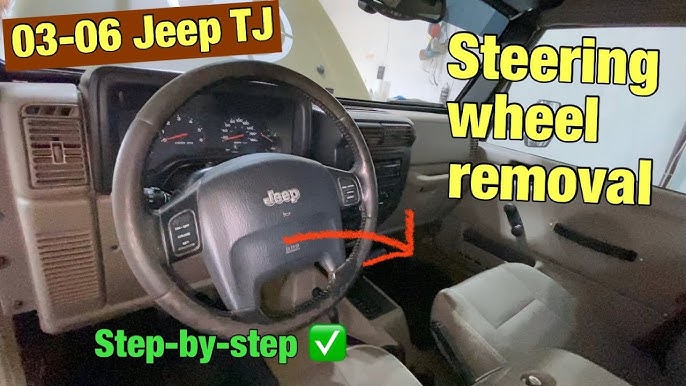
When To Seek Professional Help
If you’re unsure about any part of the process—especially dealing with the airbag system—it’s wise to consult a certified mechanic. Airbag systems are sensitive, and mistakes can be costly or dangerous. Some newer Jeeps have steering wheel controls that require special programming after installation. If your horn, cruise control, or airbags don’t work after replacing the wheel, a professional can diagnose and fix these issues safely.
Where To Find More Information
For detailed, model-specific instructions and torque specifications, check your Jeep’s factory service manual. Forums and YouTube channels dedicated to Jeep modifications offer helpful walkthroughs. If you want to understand the science behind airbag safety and steering systems, the Steering Wheel Wikipedia page is a solid reference.
Final Thoughts
Replacing your Jeep’s steering wheel is a satisfying project that adds comfort, style, and sometimes safety. By following careful steps disconnecting the battery, marking positions, and double-checking every connection you can avoid common mistakes and enjoy your upgrade.
Remember, if you run into problems, don’t hesitate to ask for help.
Upgrading your steering wheel is more than just a cosmetic change; it’s a step toward making your Jeep truly yours.
Frequently Asked Questions
How Long Does It Take To Replace A Jeep Steering Wheel?
Most DIYers can finish the job in 1 to 2 hours. If you’re new to car repairs, give yourself extra time to go slowly and double-check each step.
Can I Keep My Airbag When Installing An Aftermarket Steering Wheel?
Some aftermarket wheels support airbag transfer, but many do not. Always check the product details. If the new wheel does not have airbag support, you may lose this important safety feature.
Do I Need A Steering Wheel Puller For Every Jeep Model?
While some older Jeep models have wheels that can be removed by hand, most require a steering wheel puller to avoid damaging the steering column. It’s a good investment for this job.
Will My Steering Wheel Controls Still Work After Replacement?
If you use an OEM replacement, factory controls usually continue to work. For aftermarket wheels, you may lose functions like radio or cruise control unless you buy special adapters.
What Should I Do If My Airbag Light Stays On After Installation?
This usually means something is wrong with the airbag wiring. Double-check all connectors. If the light remains, consult a professional before driving your Jeep, as your airbag may not work correctly.