If you drive a Jeep Wrangler, you know that the steering feel is important for both comfort and safety. A loose or wobbly steering wheel can make your Wrangler feel unstable on the road or off-road. Many Jeep owners notice the steering becomes less precise over time, leading to frustration or even dangerous situations. But the good news is that tightening the steering wheel is often possible with the right steps and tools. This article shows you exactly how to tighten a Jeep Wrangler steering wheel, why it might feel loose, and what to check if tightening doesn’t solve the problem.
Why Does Your Jeep Wrangler Steering Wheel Feel Loose?
A loose steering wheel doesn’t always mean a simple problem. In a Jeep Wrangler, the steering system is exposed to more stress than most vehicles, especially if you go off-road. Common causes for a loose steering wheel include:
- Worn steering components like tie rods, drag links, or ball joints
- Loose steering gear box
- Damaged steering shaft coupler
- Improper wheel alignment
- Worn bushings or bearings
Many Jeep owners overlook the steering gear box adjustment—one of the simplest ways to tighten up the steering. However, it’s also important to rule out more serious issues before making adjustments.
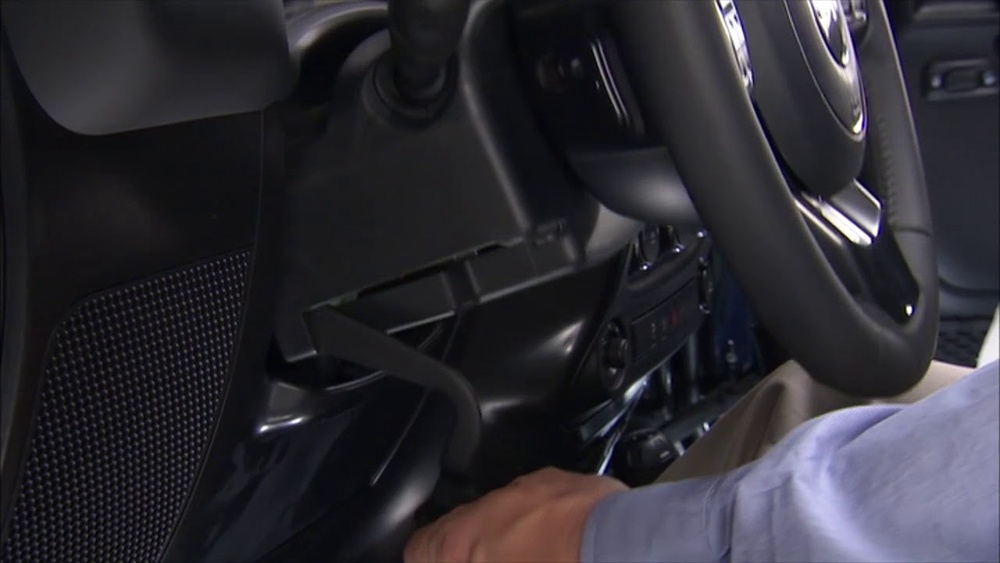
Signs Your Steering Wheel Needs Tightening
Not sure if your steering wheel is too loose? Here are common signs:
- Excessive play in the steering wheel (it moves left or right before the tires respond)
- Vague or wandering feeling while driving straight
- Vibration or shaking coming through the wheel
- Clunking noises when turning
- Delayed response when changing direction
If you notice one or more of these, tightening the steering wheel can make a big difference.
Tools And Materials Needed
Before starting, gather these tools:
- Socket wrench set (especially 10mm, 13mm, 15mm, and 18mm sockets)
- Flathead screwdriver
- Torque wrench
- Jack and jack stands (if inspecting underneath)
- Penetrating oil (like WD-40)
- Work gloves and eye protection
- Marker or chalk (to mark adjustments)
- Service manual (for your Jeep’s model year)
Having the right tools makes the job safer and easier.
Safety Precautions You Should Never Skip
Working on your steering system is serious. Always:
- Park on a level surface and set the parking brake.
- Disconnect the negative battery terminal to avoid airbag deployment.
- Wear gloves and eye protection.
- Use jack stands, not just a jack, if lifting the vehicle.

Step-by-step Guide: How To Tighten Jeep Wrangler Steering Wheel
Ready to get started? Here’s how to tighten the steering wheel on a Jeep Wrangler. This guide works for most Wrangler models (YJ, TJ, JK, JL), but always check your specific year in the service manual.
1. Inspect Steering Components First
Before adjusting anything, check for worn or damaged parts:
- Grab the tie rods and try to move them by hand. Any movement means they’re worn out.
- Look at the drag link and track bar bushings for cracks or play.
- Check the steering shaft coupler (also called the rag joint or U-joint) for looseness.
- Inspect the steering gear box for leaks or damage.
If you find any worn parts, replace them before tightening the steering box. Adjusting a worn system won’t solve your problem and could make it worse.
2. Locate The Steering Gear Box Adjustment Screw
The steering gear box is usually on the driver’s side frame rail, just behind the front bumper. Look for a slotted screw with a locking nut on top of the box. This is the preload or lash adjustment screw.
- Clean the area with a rag and spray a little penetrating oil on the nut and screw.
- Mark the current position with a marker or chalk. This helps you track your adjustments.
3. Loosen The Lock Nut
- Hold the adjustment screw steady with a flathead screwdriver.
- Use a wrench (often 13mm or 15mm) to loosen the lock nut counterclockwise.
- Do not remove the nut—just loosen it enough to turn the screw.
4. Adjust The Preload (lash)
- With the lock nut loose, turn the adjustment screw 1/8 turn clockwise to tighten the steering.
- Never turn more than 1/4 turn at a time—small adjustments make a big difference.
- After each adjustment, tighten the lock nut, reconnect the battery, and test drive the Jeep.
5. Test And Repeat If Needed
Take your Wrangler for a short drive. If the steering feels better, you’re done. If it’s still loose, repeat the steps—never exceeding a total of 1/2 turn from the original position. Over-tightening can damage the steering gear box or cause the steering to bind.
6. Re-check After Driving
After a test drive, double-check all bolts and nuts for tightness. Make sure there’s no new noise, binding, or stiffness in the wheel.
Comparison: Steering Wheel Play Before And After Adjustment
To see how much steering play you’ve removed, compare the before and after results:
| Condition | Steering Play (degrees) | Steering Feel |
|---|---|---|
| Before Adjustment | 15-25° | Loose, Wandering |
| After Adjustment | 5-10° | Firm, Responsive |
Most Jeep Wranglers should have 5-10 degrees of play at the steering wheel. More than that means you still have a problem.

When Tightening The Steering Wheel Isn’t Enough
Sometimes, tightening the gear box won’t fix your loose steering. Other possible issues:
- Worn tie rod ends or ball joints
- Loose track bar bushings or bolts
- Bad wheel alignment
- Damaged steering shaft
If your Jeep still wanders or feels unsafe, have a shop inspect the suspension and steering system.
Typical Repair Costs: Do-it-yourself Vs. Shop
How much does it cost to fix a loose steering wheel? Here’s a quick comparison:
| Repair Type | Parts Cost | Labor Cost | Total (Approx.) |
|---|---|---|---|
| DIY Steering Box Adjustment | $0 (uses tools you likely own) | $0 | $0 |
| Replace Tie Rod Ends | $80–$150 | $100–$200 | $180–$350 |
| Shop Steering Box Adjustment | $0 | $60–$120 | $60–$120 |
DIY is often free if you already have the tools, but replacing parts can add cost. Shops charge more but offer professional diagnosis.
Common Mistakes To Avoid
Even experienced Jeep owners sometimes make these errors:
- Over-tightening the adjustment screw—this can damage the steering box or make steering too stiff, even dangerous.
- Skipping inspection of steering parts—adjusting a worn system won’t help and could hide bigger problems.
- Not marking the original screw position—if you go too far, you might not get back to the safe setting.
- Ignoring safety steps—working under the Jeep without jack stands or disconnecting the battery can be risky.
- Testing at low speed only—always test at highway speed (safely) to check for wandering.
Real-world Example: 2012 Jeep Wrangler Jk
Let’s look at a real example. A 2012 Wrangler JK owner noticed the steering wheel had about 20 degrees of play and the Jeep wandered on the highway. After inspecting the tie rods and finding no wear, they adjusted the steering gear box 1/8 turn clockwise.
The play dropped to 7 degrees, and steering felt much tighter. This shows how a small adjustment can make a big difference—if all other parts are in good shape.

Extra Tips For Lasting Results
- Check tire pressure—low or uneven tire pressure can mimic loose steering.
- Rotate tires regularly—uneven wear affects steering feel.
- Get a wheel alignment after replacing any steering part.
- Grease steering parts if your model has grease fittings.
- Inspect after off-roading—rocks and mud can damage steering parts.
Surprisingly, many Jeep owners miss the importance of tire pressure and regular alignment. These simple checks can make your steering feel new again.
Steering Gear Box Types By Model Year
Not all Jeep Wranglers use the same steering gear box. Here’s a quick look at the most common types:
| Model Year | Gear Box Type | Main Adjustment |
|---|---|---|
| YJ (1987–1995) | Recirculating Ball | Top Screw |
| TJ (1997–2006) | Recirculating Ball | Top Screw |
| JK (2007–2018) | Recirculating Ball | Top Screw |
| JL (2018+) | Recirculating Ball | Top Screw |
Most Wranglers use a recirculating ball gear box with a top adjustment screw. Always check your manual for the exact location and specs.
When To Ask A Professional For Help
If you experience:
- Steering wheel vibration at all speeds
- Grinding or popping noises
- Steering binds or locks
- Loose steering after all adjustments
It’s time to see a professional. Some problems, like a cracked steering shaft or bent frame, need expert repair.
Where To Find More Help
If you want more technical information on Jeep steering systems, the Jeep Wrangler Wikipedia page offers a good overview. For step-by-step video guides, many Jeep forums and YouTube channels provide visuals for your specific model.
Frequently Asked Questions
How Much Steering Wheel Play Is Normal On A Jeep Wrangler?
Most Jeep Wranglers should have about 5 to 10 degrees of play in the steering wheel. If you have more, something needs adjustment or repair.
Can I Tighten The Steering Wheel Myself?
Yes, if you have basic tools and follow safety steps. Always check for worn parts before adjusting the gear box.
Will Tightening The Steering Gear Box Fix All Loose Steering Problems?
No, it only helps if the box itself is the problem. Worn tie rods, ball joints, or track bar bushings also cause loose steering.
How Often Should I Check My Jeep’s Steering System?
Check the steering system every 6 months or after any off-road trip. Early detection of wear prevents bigger problems.
Is A Loose Steering Wheel Dangerous?
Yes. Loose steering can lead to poor control, especially at high speeds or on rough terrain. Fix it as soon as possible for safety.
Tightening the steering wheel on your Jeep Wrangler isn’t hard if you follow the right steps. Always start with a careful inspection, adjust slowly, and never ignore safety. With a little patience, your Jeep will feel tighter, safer, and ready for any road—or trail—ahead.