Wiring extra lights on a Jeep JL is a popular upgrade for off-road enthusiasts and anyone who wants better visibility in tough conditions. Many Jeep owners install LED light bars, spotlights, or fog lights to improve night driving or trail riding. But adding lights isn’t just about mounting them. You need safe, reliable wiring. If you’re new to vehicle wiring, this guide will help you do it right without damaging your Jeep or risking electrical issues.
A Jeep JL’s factory electrical system is designed for stock accessories. When you add more lights, you need to follow proper steps so your battery, alternator, and wiring stay safe.
You’ll learn how to choose the right parts, connect everything, and avoid mistakes that beginners often make.
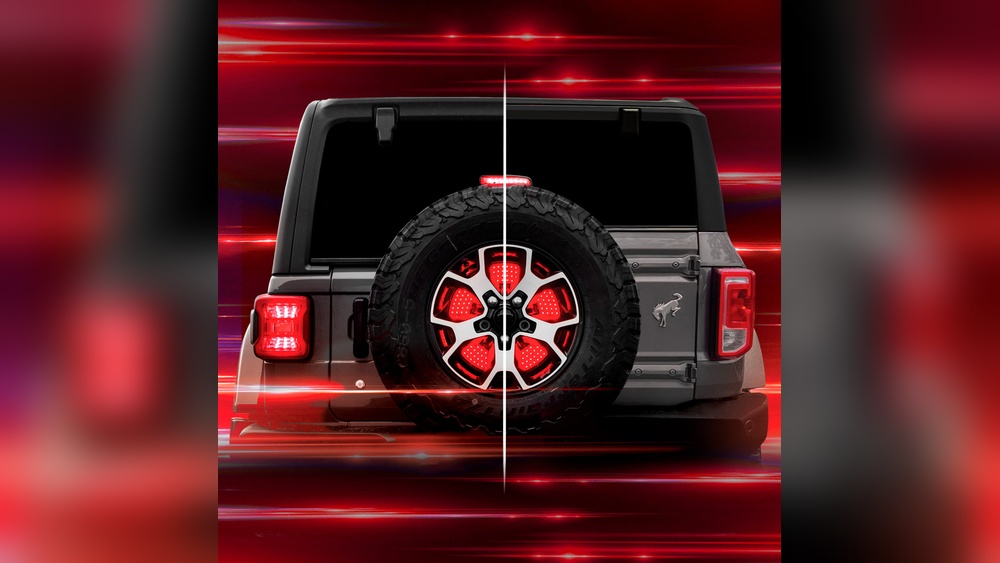
Whether your goal is a stylish look or practical lighting, you can install extra lights confidently with the right knowledge.
Understanding Jeep Jl Electrical Basics
Before you start, it’s important to know how your Jeep JL electrical system works. Most extra lights require 12 volts, just like your Jeep’s battery. The JL uses a CAN bus system, which is sensitive to electrical changes. Adding lights incorrectly can cause warning lights or system errors.
Your Jeep JL has:
- A 12V battery for starting and powering accessories
- An alternator for charging the battery while driving
- Fuse boxes that protect circuits from overload
- The CAN bus controlling sensors, switches, and communications
When adding lights, never tap directly into CAN bus wires or critical circuits. Instead, use the battery and a dedicated relay harness.
Choosing Extra Lights And Wiring Kits
Picking the right lights is step one. You’ll find many types:
- LED light bars (for wide, bright coverage)
- Spotlights (focused beams for distance)
- Fog lights (wide, low beams for bad weather)
Most lights are rated by watts and lumens. For example, a 20-inch LED light bar might use 120 watts and produce 12,000 lumens. Make sure your Jeep’s alternator and battery can handle the extra load. The JL alternator is usually 220 amps, which is enough for several lights, but avoid running all high-powered lights at once.
Wiring kits are available from brands like Rigid Industries, KC HiLiTES, and Nilight. Kits include:
- Relay harness (protects the circuit)
- Switch (controls the lights)
- Fuses (prevents overload)
- Connectors and wires
A quality kit makes wiring safer and easier.
| Light Type | Typical Wattage | Best Use |
|---|---|---|
| LED Light Bar | 80-300W | Wide area lighting |
| Spotlight | 10-60W | Focused beam |
| Fog Light | 10-40W | Low, wide beam |
Planning The Installation
A smart installation starts with a plan. Decide:
- Where you’ll mount the lights (bumper, roof, hood)
- How many lights you want
- Which switch to use (factory or aftermarket)
- The route for wiring
For safety and neatness, run wires along factory paths and avoid sharp edges or moving parts. Plan for future upgrades leave space for more lights if you might add them later.
Example: Mounting Locations
- Front bumper: Great for fog lights and light bars
- Roof: Good for wide-area coverage
- A-pillars: Popular for small spotlights
Tools And Materials You Need
Get these basic tools and materials before starting:
- Wire cutters/strippers
- Crimping tool
- Electrical tape
- Zip ties
- Relay wiring harness
- Fuse holder/fuses
- Heat shrink tubing
- Switch (toggle or rocker)
- Drill (if needed for mounting)
- Multimeter (for testing)
Always use automotive-grade wire—14 AWG or thicker for most lights.
Step-by-step Wiring Guide
Follow these steps to wire extra lights safely:
1. Disconnect The Battery
Always start by disconnecting the negative battery terminal. This prevents accidental shorts and protects the Jeep’s electronics.
2. Mount The Lights
Install the lights where you want them. Use sturdy brackets and secure them tightly. Aim the lights as needed.
3. Install The Relay Harness
A relay is important because it switches a high-current circuit using a low-current signal. This keeps your switches safe and avoids CAN bus interference.
- Place the relay near the battery.
- Connect the relay power wire to the positive battery terminal.
- Install an inline fuse (rated for your lights).
4. Route The Wires
Run wires from the relay to the lights, following factory wire paths if possible. Use heat shrink tubing and zip ties to protect and secure the wires.
- Avoid hot surfaces and moving parts.
- Go through factory grommets if you enter the cabin.
5. Connect The Switch
You can use a factory switch or install an aftermarket one. Many Jeep JL models have a factory auxiliary switch panel—these switches are pre-wired and make installation easier.
If you use an aftermarket switch:
- Mount it where you can reach it easily
- Run a wire from the relay to the switch
- Connect the switch ground wire
6. Ground The Circuit
Ground wires are critical. Attach the ground from each light to a solid metal part of the Jeep’s body or frame. Scrape paint off the ground point for a good connection.
7. Test The System
Reconnect the battery. Turn on the switch and test each light. Check for bright output and make sure no warning lights appear on the dashboard.
| Step | Purpose | Common Mistake |
|---|---|---|
| Disconnect Battery | Safety | Leaving battery connected |
| Mount Lights | Positioning | Loose brackets |
| Install Relay | Protect circuit | No fuse or wrong relay |
| Route Wires | Neatness/Safety | Wires near moving parts |
| Connect Switch | Control | Poor switch placement |
| Ground Circuit | Complete circuit | Bad ground connection |
| Test System | Check function | No test before driving |
Tips For A Clean And Safe Installation
A professional-looking install is more reliable and easier to maintain. Here are some practical tips:
- Use waterproof connectors for outside wires. This prevents corrosion and shorts.
- Label wires if you add multiple lights. You’ll know which wire goes where if you need to fix or upgrade later.
- Add extra slack to wires. This helps if you need to move or replace lights.
- Fuse each light or group. If one light fails, others stay safe.
- Avoid wire clutter. Bundle wires and hide them behind panels or in wire loom.
Many beginners skip grounding or use cheap connectors, leading to dim lights or electrical errors. Always invest in quality parts and double-check connections.
Using Factory Auxiliary Switches
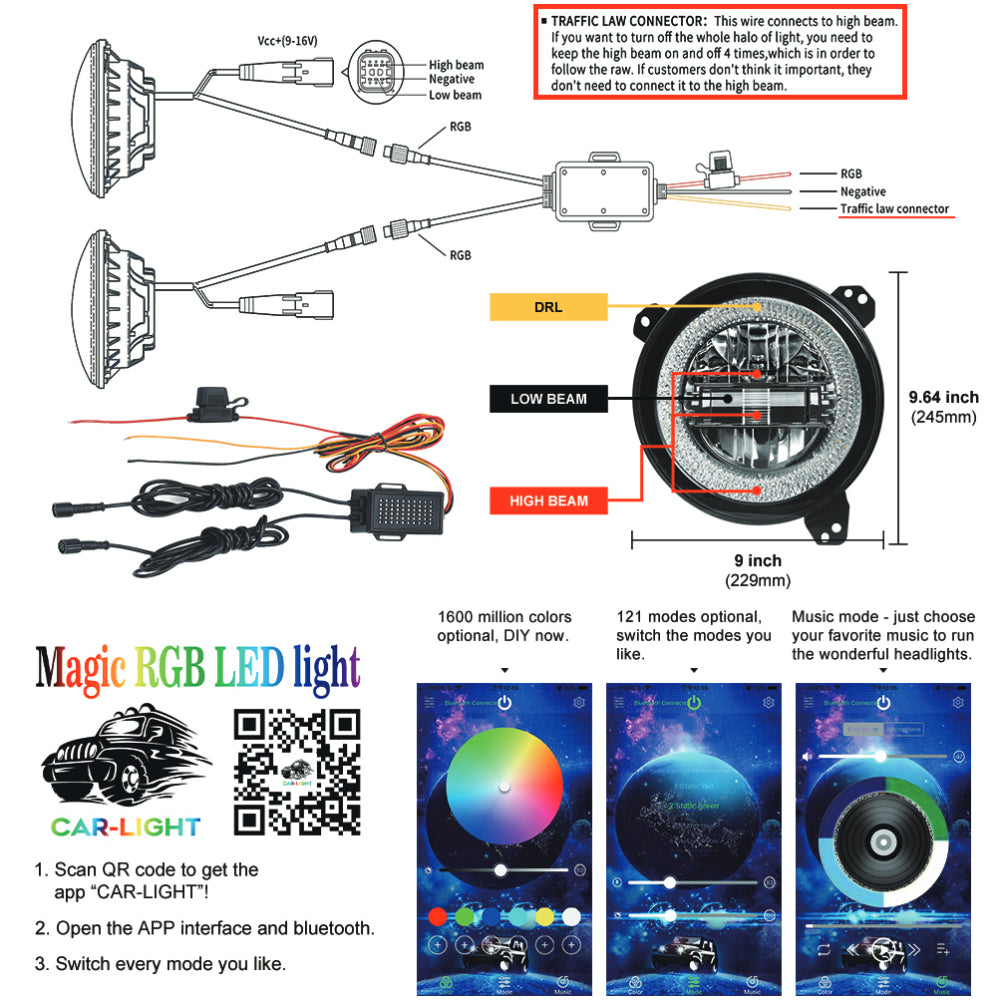
The Jeep JL offers an Auxiliary Switch Package (sometimes called “Upfitter” switches). These switches are pre-wired and connect to a fuse box under the hood. If your Jeep has these, wiring extra lights is easier and safer.
- Find the auxiliary switch wires (usually labeled AUX 1, AUX 2, etc.)
- Connect the relay harness power wire to the appropriate AUX switch wire
- Use the switch panel to control your lights
This system avoids running wires into the cabin and keeps everything neat. It also prevents CAN bus errors, since it’s designed for extra accessories.
Common Wiring Mistakes To Avoid
Even experienced installers make mistakes. Here are some errors to watch out for:
- Tapping into factory wires: This can cause CAN bus problems or void your warranty.
- Skipping relays/fuses: Direct wiring without protection risks fire or damage.
- Poor grounding: Weak ground connections cause flickering or dim lights.
- Overloading circuits: Too many lights can drain the battery or overload the alternator.
If you’re unsure about a connection, use a multimeter to check voltage and continuity.
Example: Wiring A 30-inch Led Light Bar
Let’s walk through a real example—a 30-inch LED light bar on the roof.
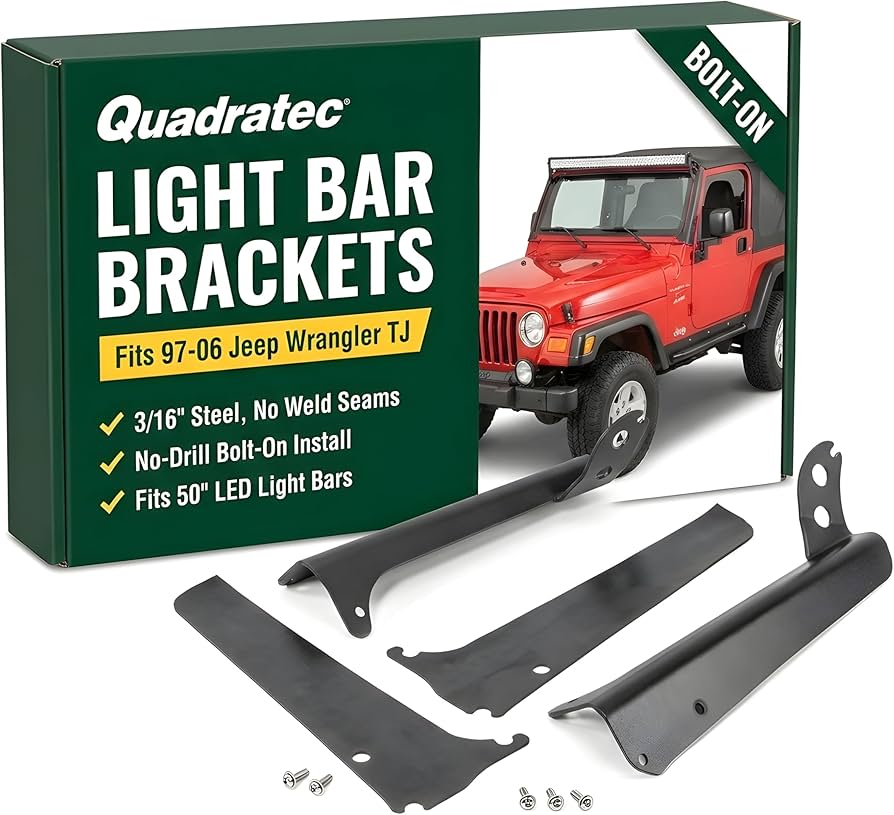
- Mount the light bar using roof brackets.
- Run the relay harness from the battery to the light bar, hiding wires under trim.
- Install an inline fuse (30A) near the battery.
- Connect the relay output wire to the light bar’s positive terminal.
- Ground the light bar to a roof bolt (bare metal).
- Run the switch wire through the firewall to the dashboard.
- Mount a rocker switch on the dash.
- Test the light bar for brightness and correct operation.
If you use factory auxiliary switches, just connect the relay to the AUX wire instead of running a switch wire.
Safety Considerations
Extra lights draw more power. Always check your battery and alternator health before adding big upgrades. If you run many lights at once, consider upgrading your battery to a higher capacity unit.
- Use properly rated fuses for each light or circuit.
- Avoid wiring near fuel lines or sensitive sensors.
- If you drive in deep water, seal all connections with heat shrink tubing.
Wiring mistakes can lead to electrical fires or system failures. If you’re unsure, consult a professional or reference official guides like this Jeep JL official site.
| Fuse Size | Light Wattage | Safety Margin |
|---|---|---|
| 10A | Up to 120W | Safe for small lights |
| 20A | Up to 240W | Medium setups |
| 30A | Up to 360W | Large light bars |
Upgrading For More Lights
If you plan to add more than four lights, consider using a power distribution block. This lets you run multiple circuits safely, each with its own fuse and relay.
- Mount the block near the battery.
- Run separate wires for each light or group.
- Use relays and switches for each circuit.
This upgrade keeps your wiring neat and prevents overload.
Troubleshooting After Installation
If your lights don’t work or you see warning lights, check:
- All ground connections for tightness and clean metal
- Fuse condition—replace if blown
- Relay operation—listen for a click when the switch is flipped
- Switch connections—check for loose wires
- Light aiming—adjust if beams are too high or low
Sometimes, dashboard errors mean the CAN bus is detecting a voltage drop. Move your wiring to dedicated circuits and avoid tapping into factory wires.
Non-obvious Insights
- Voltage drop matters for long wire runs. If you mount lights far from the battery, use thicker wire (12 AWG or bigger) to prevent dimming.
- Pulse width modulation (PWM) is used in some Jeep JL models for factory lights. If you tap into these circuits, your extra lights may flicker. Always use dedicated circuits.
Frequently Asked Questions
Can I Wire Extra Lights Without A Relay?
You should always use a relay when wiring extra lights. Relays protect switches and prevent electrical problems. Direct wiring can overload switches and cause safety issues.
Will Adding Lights Void My Jeep Jl Warranty?
If you use factory auxiliary switches or dedicated circuits, your warranty is usually safe. Avoid tapping into factory wires, as this can cause system errors and void the warranty.
How Many Extra Lights Can My Jeep Jl Handle?
Most Jeep JL models can handle 4-6 extra lights (LED type) without battery or alternator upgrades. If you install high-wattage lights, check your alternator rating and battery capacity.
Do I Need To Upgrade My Battery For Extra Lights?
For standard LED lights, your factory battery is usually enough. If you run many lights at once or use high-powered halogen lights, consider a higher-capacity battery.
What Is The Best Switch For Controlling Extra Lights?
The factory auxiliary switch panel is best if your Jeep JL has it. Otherwise, use a quality toggle or rocker switch with a relay. Mount the switch where you can reach it easily.
Adding extra lights to your Jeep JL is a rewarding upgrade for better visibility and style. With careful planning, quality parts, and safe wiring, your Jeep will be ready for any adventure.
If you follow these steps and avoid common mistakes, you’ll enjoy reliable lighting without risking your vehicle’s electronics.