Installing a Blue Ox base plate on a Jeep Wrangler can make towing safer and more convenient. Many Jeep owners choose Blue Ox because of its solid construction and easy-to-use design. If you plan to flat tow your Wrangler behind an RV, this upgrade is one of the most important steps. The process may sound complex, but with the right guidance, you can handle it at home. This guide will walk you through each step, share useful tips, and point out common mistakes to avoid.
Tools And Materials Needed
Before starting, gather all necessary tools and parts. Having everything ready makes the job much smoother.
- Blue Ox base plate kit (specific for your Wrangler model/year)
- Socket set (metric and standard)
- Torque wrench
- Screwdrivers (Phillips and flathead)
- Pliers
- Trim removal tool
- Safety glasses and gloves
- Floor jack and sturdy jack stands
- Marker or chalk
- Drill and drill bits (may be needed for older models)
- Loctite or thread locker
The actual tools needed can vary depending on your Jeep’s year and trim. Always read the Blue Ox instructions fully before you begin.
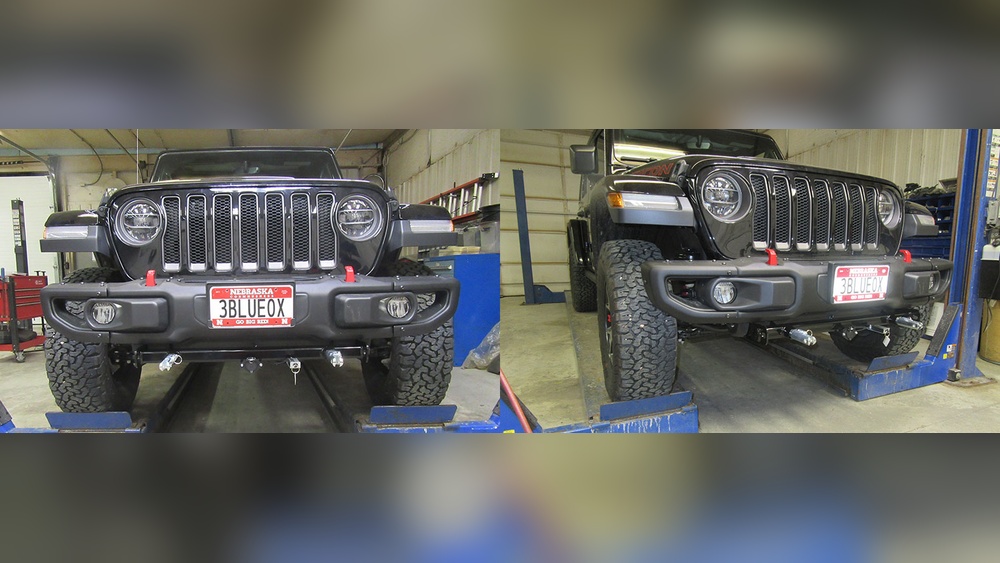
Preparing Your Jeep Wrangler
It’s important to prepare both your workspace and your Jeep. Choose a flat, well-lit area. Park your Jeep, set the parking brake, and remove the negative battery cable for safety.
- Remove the front bumper: Start by taking off any plastic covers or skid plates using the trim tool and socket set. Then, unbolt the bumper from the frame.
- Disconnect fog lights or sensors: If your model has them, carefully unplug these and set them aside.
- Check for obstructions: Look for any accessories (like winches or aftermarket lights) that might block the base plate installation.
Example: Removing A Stock Bumper
On most Wranglers, you’ll find eight bolts securing the bumper. Remove them in an X-pattern to avoid stress on the frame.
Installing The Blue Ox Base Plate
With the front end clear, it’s time to fit the base plate. Blue Ox designs their kits to match the Jeep’s frame for a secure fit.
Step-by-step Installation
- Test fit the base plate: Hold the base plate up to the frame and check alignment.
- Mark drill points (if needed): Some models require drilling new holes. Mark these with chalk.
- Secure the base plate: Bolt the base plate to the frame using hardware from the kit. Start all bolts by hand before tightening.
- Torque bolts to spec: Use a torque wrench to tighten bolts to the values given in the instructions—usually between 65-90 ft-lbs.
- Apply thread locker: For extra safety, add Loctite to all main bolts.
- Reinstall or trim the bumper: Some bumpers may need minor trimming for the base plate arms to pass through. Use a sharp blade and test fit often.
- Reconnect fog lights and sensors.
Quick Comparison: Drilling Vs No-drill Base Plates
| Type | Pros | Cons |
|---|---|---|
| No-Drill | Faster install, no frame modification | May cost more, not for all years |
| Drill Required | Fits more models, often cheaper | Needs extra tools, takes longer |
Not all Wranglers require drilling. Check your kit and Jeep model to be sure.
Finishing Touches And Safety Checks
After the base plate is in place, check your work carefully.
- Inspect all bolts: Make sure every bolt is torqued and secure.
- Check clearance: Ensure the base plate arms are straight and clear of the bumper.
- Test the tow bar connection: Attach your Blue Ox tow bar and check for smooth operation.
- Double-check wiring: Reconnect all lights and sensors.
Data: Typical Installation Time
| Experience Level | Estimated Time |
|---|---|
| Beginner | 4-6 hours |
| Experienced DIYer | 2-4 hours |
| Professional | 1.5-2 hours |
Most Jeep owners finish the job in an afternoon. Take your time and don’t rush.

Common Mistakes To Avoid
- Skipping the thread locker: This can cause bolts to loosen over time.
- Over-tightening bolts: This may damage the frame. Always use a torque wrench.
- Forgetting to reconnect sensors: This can trigger warning lights or disable safety features.
- Not trimming the bumper enough: This can cause rubbing or damage to the base plate arms.
- Rushing the test fit: Always make sure the base plate aligns perfectly before tightening.
Practical Tips For A Smooth Install
- Lay out all parts before starting. This prevents missing hardware and confusion.
- Photograph your bumper wiring before disconnecting, so you remember how to reconnect it.
- Ask a friend for help. Some steps are easier with two people, especially holding the base plate in place.
- Use anti-seize compound if you live in a wet or snowy area, to prevent rusted bolts.
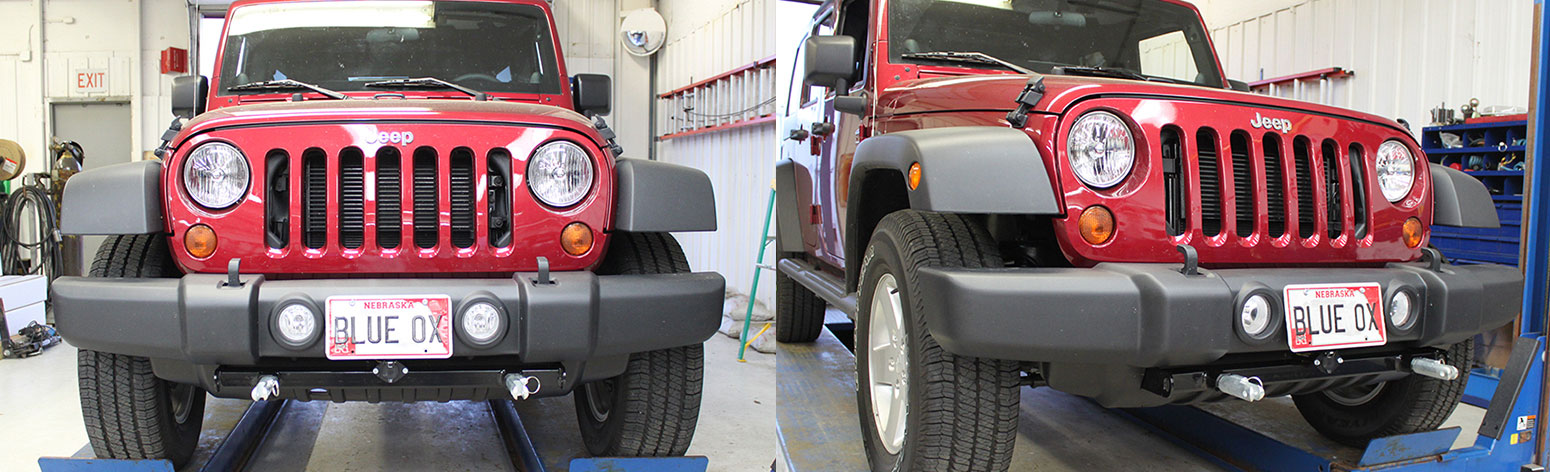
Many first-time installers overlook the importance of test-fitting the bumper and base plate together before final tightening. This step can save you hours of frustration if something doesn’t line up.
When To Seek Professional Help
If you’re not comfortable removing the bumper or using power tools, it’s smart to get help. A professional shop can usually install a Blue Ox base plate in under two hours. This may be a good choice if your Jeep has heavy modifications, as custom parts sometimes require extra work.
For official instructions and safety information, always check the manufacturer’s website, such as the Blue Ox official site.
Final Thoughts
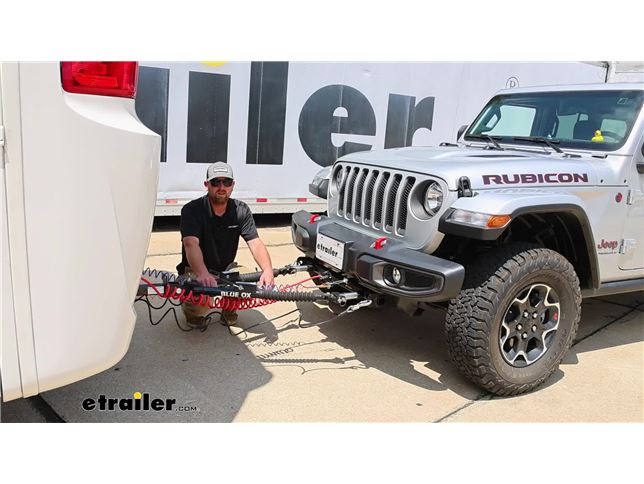
Installing a Blue Ox base plate on your Jeep Wrangler is a valuable upgrade for flat towing. While the job takes patience and attention to detail, most Jeep owners can complete it with basic tools and careful planning. Remember to follow every step, check your work, and never rush. The confidence and safety you gain for your next adventure will be well worth the effort.
Frequently Asked Questions
How Do I Know Which Blue Ox Base Plate Fits My Jeep Wrangler?
Each Blue Ox base plate is designed for specific Wrangler models and years. Check your Jeep’s year, trim, and if it has factory or aftermarket bumpers. The Blue Ox website lists compatible kits for each model.
Do I Need To Drill Holes In The Frame?
Many newer Jeep Wranglers use a no-drill base plate, but some older or less common models require drilling. Always verify this in your kit’s instructions before starting.
Can I Reuse My Stock Bumper After Installing The Base Plate?
In most cases, yes. Some bumpers need small cuts for the base plate arms. Aftermarket or steel bumpers may need extra trimming or may not fit at all.
How Often Should I Check The Base Plate Bolts?
Check all mounting bolts after the first 100 miles of towing and then every 3,000 miles. Also inspect before each towing trip for safety.
Will Installing A Base Plate Void My Jeep’s Warranty?
Proper installation following manufacturer guidelines should not void your warranty. However, check with your dealer if you have concerns about modifications and warranty coverage.