Changing the tail light on a 2014 Jeep Grand Cherokee is a smart DIY project. It can save you money and keep your vehicle safe and legal. Many drivers worry about making mistakes or damaging their car, but with the right guide, it’s simpler than you think. This article will show you how to replace the tail light step by step, with clear tips and common pitfalls to avoid. Even if you are new to car repairs, this guide will help you get the job done confidently.
Tools And Parts You Need
Before you begin, gather these items:
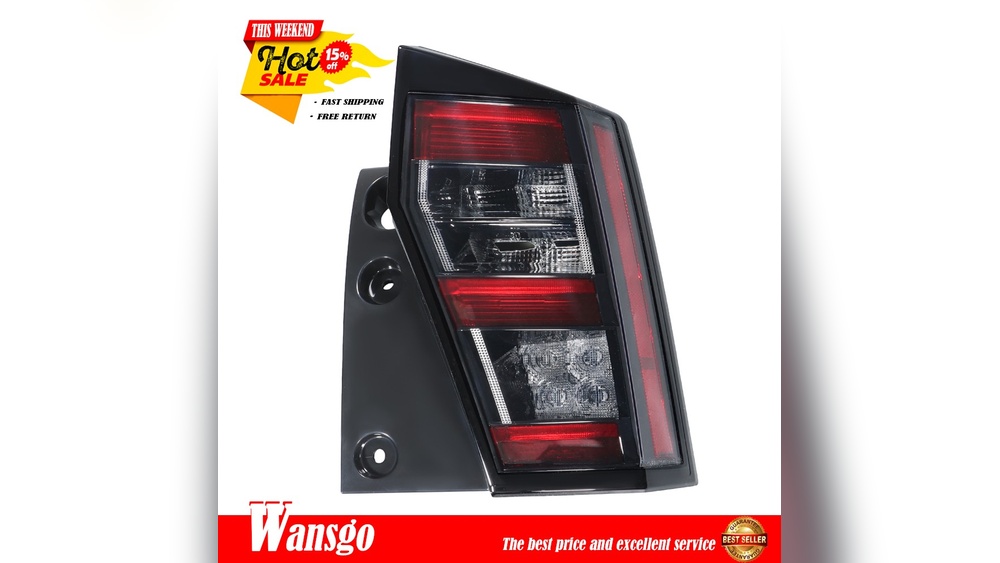
- Replacement tail light assembly for 2014 Jeep Grand Cherokee (make sure it matches your trim)
- Phillips screwdriver
- Flathead screwdriver (optional for prying)
- Socket wrench (usually 10mm, check your car)
- Gloves (protect your hands and keep bulbs clean)
Check the new tail light carefully. Some units come with bulbs, others do not. If your new assembly does not include bulbs, buy the correct size (check your manual).
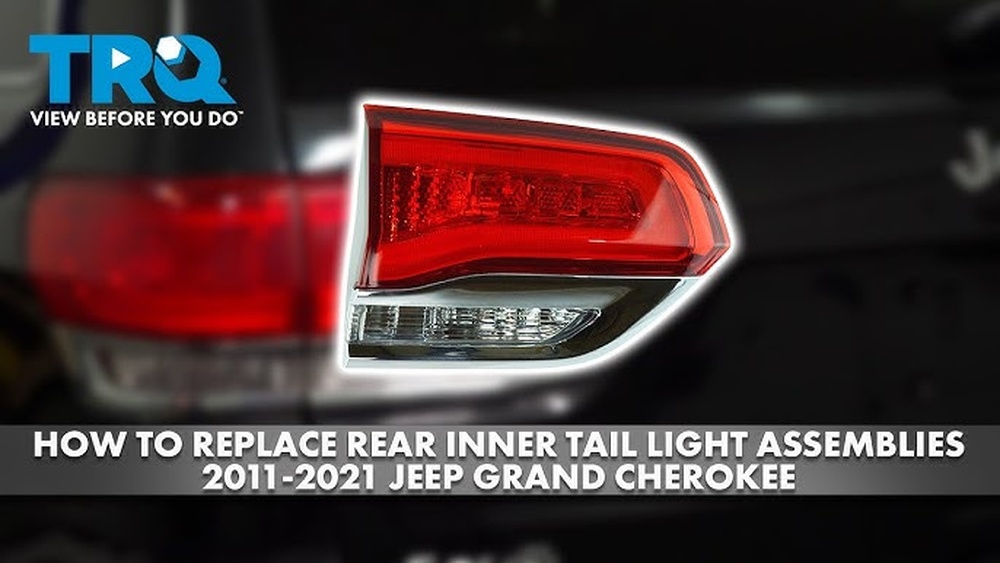
Removing The Old Tail Light
- Open the Liftgate: Lift the rear hatch to access the tail light mounting area.
- Locate Screws or Bolts: You’ll see two screws or bolts holding the tail light. They are visible along the inside edge, near the liftgate.
- Remove Fasteners: Use your Phillips screwdriver or socket wrench to unscrew them. Keep them safe for reinstallation.
- Gently Pry Off the Tail Light: The tail light is still held by clips. With both hands, pull the assembly straight back. Do not twist or pull sideways—this can break the clips.
- Disconnect Wiring Harness: Press the tab on the wiring connector and gently pull it out. Now, the tail light is free.
Non-obvious insight: If the tail light feels stuck, check for hidden bolts under rubber covers or trim. Forcing it may crack the plastic.
Installing The New Tail Light
- Compare Assemblies: Before installation, hold the new and old assemblies side by side. Confirm all mounting points and wiring match.
- Reconnect Wiring: Plug the wiring harness into the new tail light. Make sure it clicks in securely.
- Position the Tail Light: Line up the new assembly with the holes and clips.
- Press into Place: Push gently but firmly until the clips engage.
- Reinstall Screws/Bolts: Use the same screws or bolts to secure the new tail light.
- Test the Light: Before closing the liftgate, turn on your car and test the tail light, brake light, and turn signal.
Pro tip: If a bulb doesn’t work, check that it’s seated correctly. Sometimes a misaligned bulb or loose connector causes failure.
Common Mistakes To Avoid
- Forcing the assembly: The clips can break easily. If it won’t move, look for missed screws.
- Touching bulbs with bare hands: Oil from skin can shorten bulb life. Use gloves or a clean cloth.
- Not testing before finishing: Test all light functions before closing everything up.

Cost Comparison: Diy Vs. Professional
Here’s a quick look at the cost difference:
| Method | Estimated Cost | Time Needed |
|---|---|---|
| DIY Replacement | $70–$200 (parts only) | 30–60 minutes |
| Mechanic/Dealer | $180–$400 (parts + labor) | 1–2 hours |
Doing it yourself is usually faster and much cheaper.
Types Of Tail Light Assemblies
Not all 2014 Jeep Grand Cherokees use the same tail light. Here’s a quick comparison:
| Trim Level | Tail Light Type | Notes |
|---|---|---|
| Laredo/Limited | Standard Bulb | Easy to replace, affordable |
| Overland/Summit | LED | More expensive, lasts longer |
| SRT | LED with dark finish | Sporty look, harder to find |
Check your trim before ordering parts.

Troubleshooting After Replacement
After installing the new tail light, you might see issues like a flickering bulb or a check lamp warning. Most problems come from a loose connection or wrong bulb type. Double-check all plugs and the part number on the bulb.
If the new assembly works but the warning light stays on, disconnect the battery for 10 minutes, then reconnect. This resets the car’s computer. If the problem continues, you may need a scan tool or a visit to a technician.
Safety And Legal Notes
Driving with a broken tail light is unsafe and can lead to a ticket. In many states, police can stop you for a non-functioning light. Proper tail light function is critical for visibility at night and in bad weather. Always check both sides, as problems often happen in pairs.
Where To Buy Quality Parts
You can find tail light assemblies at:
- Auto parts stores (AutoZone, Advance Auto Parts)
- Online retailers (RockAuto, Amazon)
- Jeep dealerships (for OEM parts)
OEM (original equipment manufacturer) parts cost more but guarantee perfect fit and finish. Aftermarket parts are cheaper but sometimes differ slightly in appearance.
To learn more about car lighting laws and safety, visit the NHTSA Lighting Equipment page.
Frequently Asked Questions
How Do I Know If My Tail Light Assembly Is Bad?
Look for cracks, water inside the lens, or dim/failed lights. If fuses and bulbs are good but the light won’t work, the assembly may be faulty.
Do I Need To Disconnect The Battery Before Changing The Tail Light?
It’s not required for most tail light swaps. However, disconnecting the battery is safer if you are worried about short circuits or your car has sensitive electronics.
Can I Use Led Bulbs In A Non-led Tail Light Housing?
You can, but check compatibility. Some housings are not designed for LED bulbs, which can cause fast blinking or warning lights. Use bulbs recommended for your vehicle.
How Long Should It Take To Replace A Tail Light On A 2014 Jeep Grand Cherokee?
Most people finish the job in 30 to 60 minutes. If you’re new to car repairs, take your time and follow the steps closely.
Will A Broken Tail Light Cause My Car To Fail Inspection?
Yes. In most states, tail lights must work properly to pass inspection. Replace broken lights before your test.
Replacing a tail light on your 2014 Jeep Grand Cherokee is a practical skill that saves money and keeps your SUV in top condition. With the right part and tools, most owners can do this job in less than an hour.
Always double-check your work for safety, and don’t hesitate to ask for help if something doesn’t look right. Your Jeep—and everyone driving behind you—will thank you.