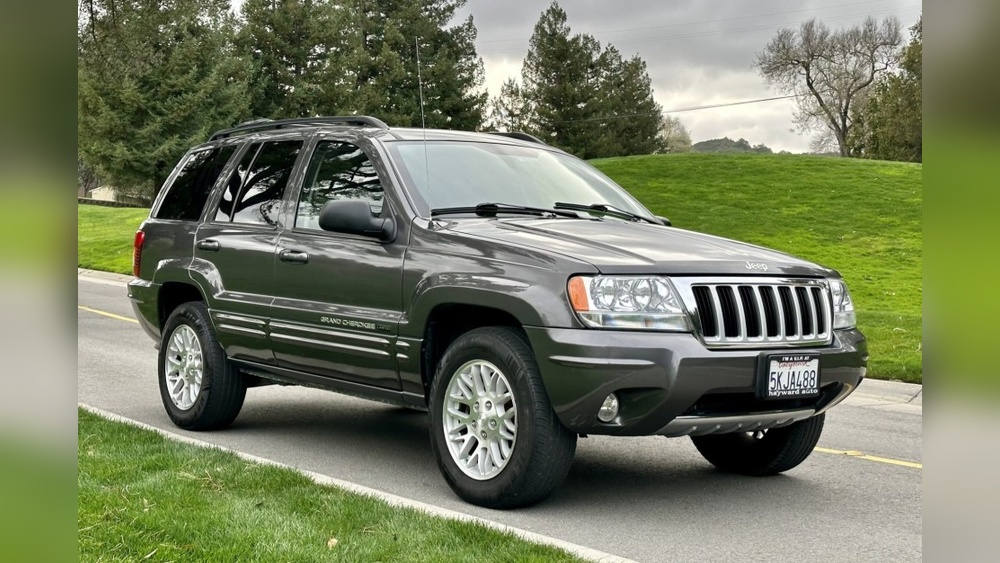
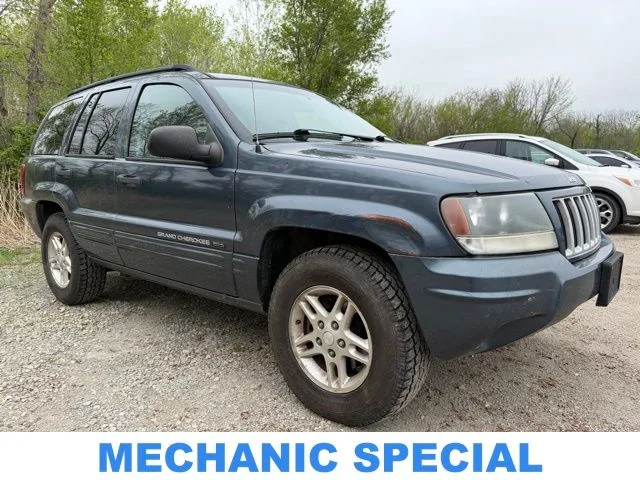
Owning a 2004 Jeep Grand Cherokee means you have access to a strong 4-wheel drive system. This feature helps your Jeep handle rough terrain, slippery roads, and tricky situations. But many drivers are unsure when and how to use the different 4WD modes. If you learn how to use each setting, you’ll protect your vehicle and enjoy safer, smoother driving.
This guide explains the four main 4WD modes found in the 2004 Jeep Grand Cherokee. Each section gives clear steps, real-world examples, and practical tips so you can confidently use your Jeep’s 4WD. By the end, you’ll know when to switch modes, what each does, and how to avoid costly mistakes.
Understanding The 4wd System In Your Jeep Grand Cherokee
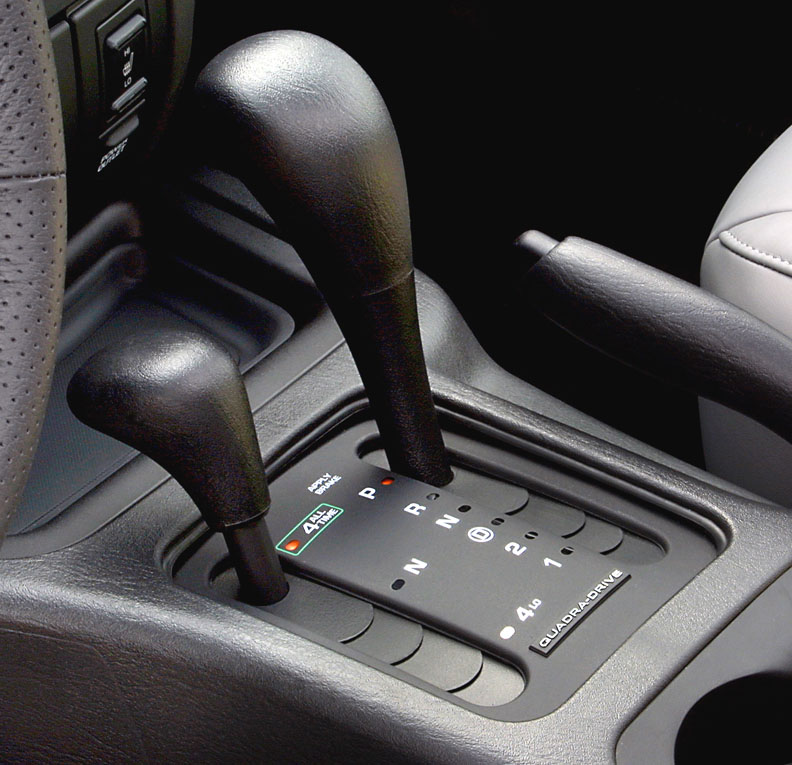
The 2004 Grand Cherokee mostly uses the Quadra-Trac II or Selec-Trac system. Both offer four main modes:
- 2WD (Two-Wheel Drive)
- 4WD Part-Time
- 4WD Full-Time
- 4WD Low
Each mode is designed for different road conditions. Using the right setting improves performance and reduces wear.
Here’s a quick comparison between the modes:
| Mode | Best For | Speed Limit | Common Mistakes |
|---|---|---|---|
| 2WD | Dry, paved roads | No special limit | Using in slippery conditions |
| 4WD Part-Time | Snow, mud, gravel | Usually under 55 mph | Using on dry pavement |
| 4WD Full-Time | Mixed conditions | No special limit | Switching unnecessarily |
| 4WD Low | Off-road, steep hills | Under 25 mph | Engaging at high speed |
1. Using 2wd (two-wheel Drive)
2WD is the default setting for most driving. Only the rear wheels receive power.
- When to use: Dry, paved roads, highways, or city streets.
- Why it matters: Using 2WD saves fuel and reduces stress on the drivetrain.
How to select:
- Make sure your Jeep is stopped or moving slowly.
- Move the transfer case lever to 2WD.
Example: If you’re driving to work on a sunny day, keep your Jeep in 2WD.
Common mistake: Some drivers use 2WD on wet or icy roads. This reduces traction and increases the risk of losing control. Always switch to 4WD when roads are slippery.
2. Using 4wd Part-time
4WD Part-Time is for tough conditions where wheels may slip, such as mud, sand, or deep snow.
- When to use: Off-road trails, snowy streets, or muddy parking lots.
- Why it matters: This mode locks the front and rear axles together, giving equal power to all wheels.
How to select:
- Slow down to under 55 mph. Stop if possible.
- Move the transfer case lever to 4WD Part-Time.
Example: If your Jeep gets stuck in deep mud, switch to 4WD Part-Time. This gives maximum grip.
Common mistake: Never use 4WD Part-Time on dry pavement. It can cause binding in the drivetrain and damage your Jeep. Only use it when roads are slippery.
3. Using 4wd Full-time
4WD Full-Time is flexible. The system automatically sends power to the wheels that need it most.
- When to use: When weather changes, or you drive on mixed surfaces—wet, dry, or icy spots.
- Why it matters: You can leave this mode on without worrying about damage. It’s safer for long trips in uncertain conditions.
How to select:
- Move the transfer case lever to 4WD Full-Time while driving at any speed.
- No need to stop.
Example: You’re on a mountain highway in spring. The road is dry in some places but icy in others. Use 4WD Full-Time for constant traction.
Common mistake: Many drivers switch between modes too often. If conditions are mixed, stick with 4WD Full-Time.
Here’s a simple table comparing fuel efficiency:
| Mode | Estimated MPG | Notes |
|---|---|---|
| 2WD | 16–18 | Best for fuel economy |
| 4WD Part-Time | 14–16 | Lower efficiency |
| 4WD Full-Time | 15–17 | Balanced option |
| 4WD Low | 13–15 | Off-road only |

4. Using 4wd Low
4WD Low delivers maximum torque for tough situations. It’s not for normal driving.
- When to use: Steep hills, rocky paths, deep sand, or when towing heavy loads.
- Why it matters: This mode multiplies engine power so you can crawl slowly and steadily.
How to select:
- Stop the Jeep completely.
- Shift the transmission to Neutral.
- Move the transfer case lever to 4WD Low.
- Wait for the indicator light.
Example: You’re climbing a steep, uneven trail. Switch to 4WD Low for safe, slow movement.
Common mistake: Engaging 4WD Low at high speed can damage the transfer case. Always come to a full stop before switching.
Practical Tips For Safe 4wd Use
- Always follow the owner’s manual for your specific Jeep model.
- Test each mode in a safe area before driving in tough conditions.
- If you hear grinding or feel resistance, stop and check your settings.
- Don’t forget to return to 2WD or 4WD Full-Time after leaving rough terrain.
Many beginners forget to disengage 4WD Part-Time after bad weather. This causes unnecessary wear. Also, some drivers think 4WD means you can speed on snow. In reality, it helps you start moving but doesn’t improve stopping—brakes work the same as in 2WD.
Frequently Asked Questions
How Do I Know Which 4wd Mode To Use?
Check the road conditions. Use 2WD for dry roads, 4WD Part-Time for slippery or off-road, 4WD Full-Time for mixed surfaces, and 4WD Low for steep or rough terrain.
Can I Switch Between Modes While Driving?
You can switch between 2WD and 4WD Full-Time at speed. For 4WD Part-Time and 4WD Low, slow down or stop first. Always follow your Jeep’s manual.
Will Using 4wd Damage My Jeep?
Not if you use the right mode for the conditions. Using 4WD Part-Time on dry roads or engaging 4WD Low at high speed can cause damage.
Does 4wd Help With Braking?
No. 4WD improves traction when moving, but braking is not affected. Drive carefully in snow and ice.
Where Can I Find More Details About My Jeep’s 4wd System?
Visit the Jeep Grand Cherokee Wikipedia page for technical specs and history.
Learning to use your 2004 Jeep Grand Cherokee’s 4WD system is simple once you understand each mode. With the right setting, you’ll handle changing weather, rough roads, and off-road adventures safely. Remember these tips, avoid common mistakes, and your Jeep will keep performing for years to come.