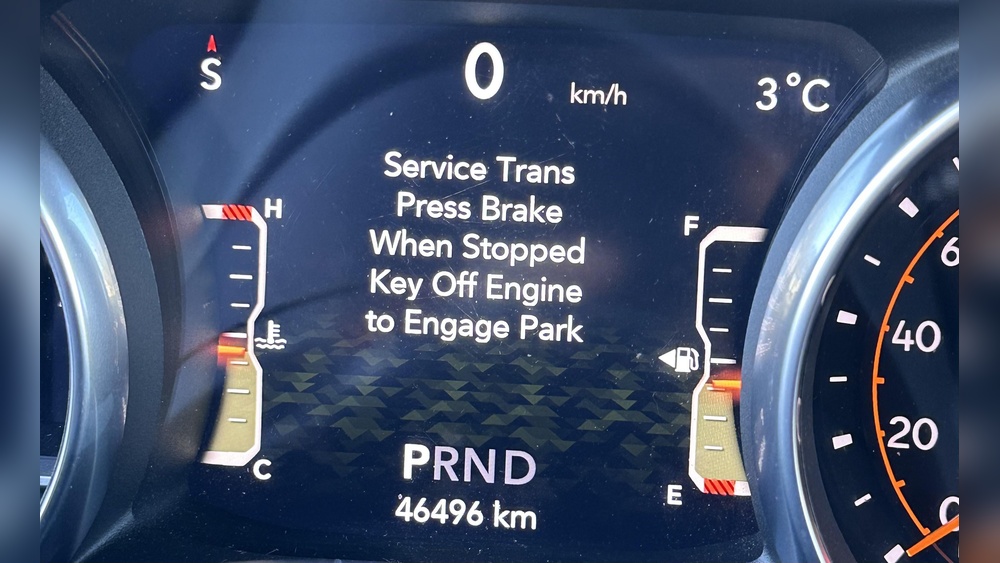
If you drive a Jeep JK with an automatic transmission, keeping your transmission fluid fresh is essential. Many Jeep owners enjoy tackling trails and long road trips, but few realize that old or dirty transmission fluid can cause shifting problems, overheating, and even expensive failures. Changing your Jeep JK’s automatic transmission fluid is a smart way to protect your vehicle and improve its performance.
Why Transmission Fluid Change Matters
Automatic transmission fluid, or ATF, does more than lubricate. It cools, cleans, and helps the transmission shift smoothly. Over time, heat and friction break down the fluid. Contaminants and metal shavings can also build up. If you ignore the fluid, you might notice slow shifting, slipping, or rough engagement when driving.
Most experts recommend changing the ATF every 30,000 to 60,000 miles. However, if you tow, drive off-road, or live in a hot climate, more frequent changes are wise. Don’t rely only on color—ATF can look clean but still be worn out.
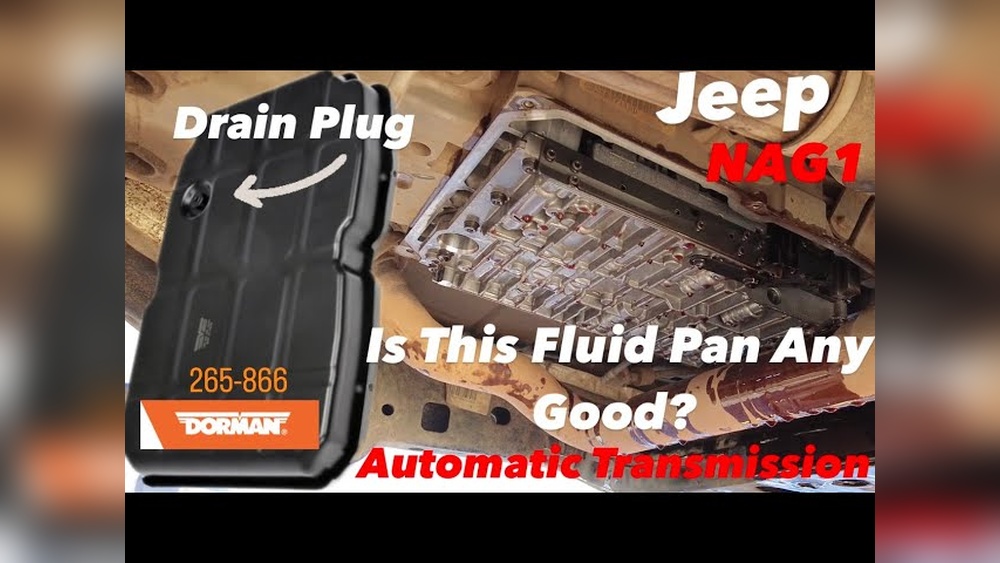
Common Symptoms Of Old Transmission Fluid
- Delayed or harsh shifting
- Transmission slipping
- Unusual noises when changing gears
- Overheating transmission
- Fluid leaks or a burnt smell
If you experience these, inspect your ATF soon.
Transmission Fluid Types And Capacities
Not all fluids are the same. The Jeep JK (2007–2018) automatic transmission typically uses ATF+4 fluid, which is a synthetic blend designed for Chrysler transmissions.
Here’s a quick look at fluid types and capacities for popular JK transmissions:
| Year Range | Transmission Model | Fluid Type | Capacity (quarts) |
|---|---|---|---|
| 2007–2011 | 42RLE | ATF+4 | 4.0–5.0 (drain/refill) |
| 2012–2018 | WA580 (5-speed) | ATF+4 | 5.5–6.0 (drain/refill) |
Always check your owner’s manual or the fill cap label before buying fluid.

Tools And Materials Needed
Gather these items before you start:
- New ATF+4 fluid (4–6 quarts, depending on your model)
- New transmission filter
- Gasket or RTV silicone
- Socket set and ratchet
- Drain pan
- Funnel
- Jack and jack stands or ramps
- Clean rags
- Safety glasses and gloves
A torque wrench helps avoid overtightening bolts.
Step-by-step Transmission Fluid Change
Changing the fluid yourself saves money and helps you learn more about your Jeep. Here’s a simple guide:
- Warm up the vehicle. Drive for 10–15 minutes to thin the old fluid. Park on a level surface.
- Raise the Jeep. Use a jack and stands or ramps for safe access. Never work under a vehicle supported only by a jack.
- Remove skid plate. If equipped, unbolt and set aside.
- Place the drain pan. Position it under the transmission pan.
- Loosen the pan bolts. Start at one corner to let fluid drain slowly. Remove bolts and carefully lower the pan.
- Clean the pan. Wipe out old fluid, sludge, and metal particles. Clean the magnet (if present).
- Replace the filter. Remove the old filter and install a new one.
- Install new gasket. Set it on the pan or use a thin bead of RTV silicone.
- Reinstall the pan. Tighten bolts in a crisscross pattern. Check your manual for the proper torque (usually 8–10 ft-lbs).
- Add new fluid. Lower the Jeep, insert a funnel into the dipstick tube, and pour in the recommended amount.
- Check fluid level. Start the engine, shift through all gears, and check for leaks. Check the fluid level again, adding if necessary.
Additional Tips
- Don’t overfill—too much ATF can cause foaming and shifting issues.
- Dispose of used fluid properly; many auto stores accept it.
- Always check for leaks after your first short drive.
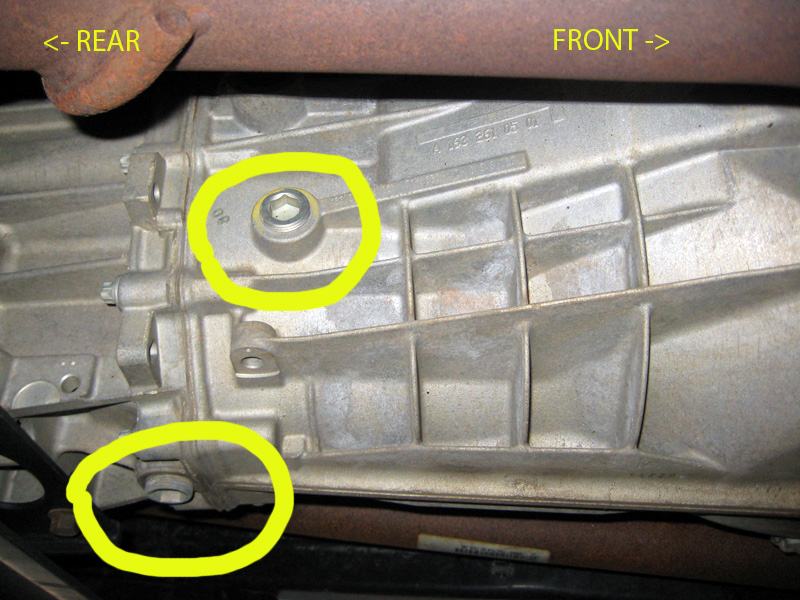
Manual Vs. Automatic Fluid Change: Which Is Better?
Some shops offer a transmission flush instead of a drain-and-fill. Here’s how they compare:
| Method | Fluid Replaced | Cost | Risk |
|---|---|---|---|
| Drain and Fill | 40–50% | Low (DIY) | Minimal |
| Flush Machine | 90–95% | Higher (Shop) | Some risk of dislodging debris |
For most Jeep JKs, a drain and fill is safe and effective. Regular changes reduce the need for full flushes.
Many Jeep JK owners forget to clean the transmission pan magnet. This small part collects metal shavings and should be wiped clean every change.
Another common oversight is using the wrong gasket material. Some aftermarket gaskets don’t fit well and can cause leaks. Always match your gasket to the transmission model.

Signs You Need Professional Help
If you notice strong burnt smells, dark brown or black fluid, or metal shavings larger than dust, it’s a sign of deeper issues. Also, if your Jeep won’t move in gear, don’t attempt repairs yourself—get a professional diagnosis.
Cost To Change Jeep Jk Automatic Transmission Fluid
Doing the job yourself usually costs between $50 and $100 for fluid, filter, and gasket. Shops may charge $150 to $250, depending on location and labor rates.
| Service Type | Estimated Cost | What’s Included |
|---|---|---|
| DIY | $50–$100 | Fluid, filter, gasket |
| Professional | $150–$250 | Labor, fluid, filter, disposal |
Frequently Asked Questions
How Often Should I Change Jeep Jk Automatic Transmission Fluid?
Most sources recommend every 30,000 to 60,000 miles. If you tow, drive off-road, or in hot conditions, consider changing every 30,000 miles.
What Type Of Atf Does My Jeep Jk Use?
Most Jeep JK automatics use ATF+4. Check your owner’s manual to be sure. Using the wrong fluid can cause shifting problems.
Can I Change The Transmission Fluid Myself?
Yes, with basic tools and patience. The process involves removing the transmission pan, replacing the filter, and refilling with fresh fluid. Always follow safe practices.
How Do I Know If My Transmission Fluid Needs Changing?
Look for harsh shifting, slipping, or a burnt smell. Checking the dipstick for dark or dirty fluid is also a good idea.
Is Flushing Better Than Draining And Filling?
A flush replaces more fluid, but can sometimes cause issues in older transmissions. For most Jeep JK owners, regular drain and fills are safest.
Changing your Jeep JK automatic transmission fluid helps your Jeep run smoother and last longer. It’s a task you can do at home with the right tools and care. Don’t wait for problems—regular maintenance keeps your adventures trouble-free. For more details about transmission fluids, you can visit the Automatic Transmission Fluid page on Wikipedia.