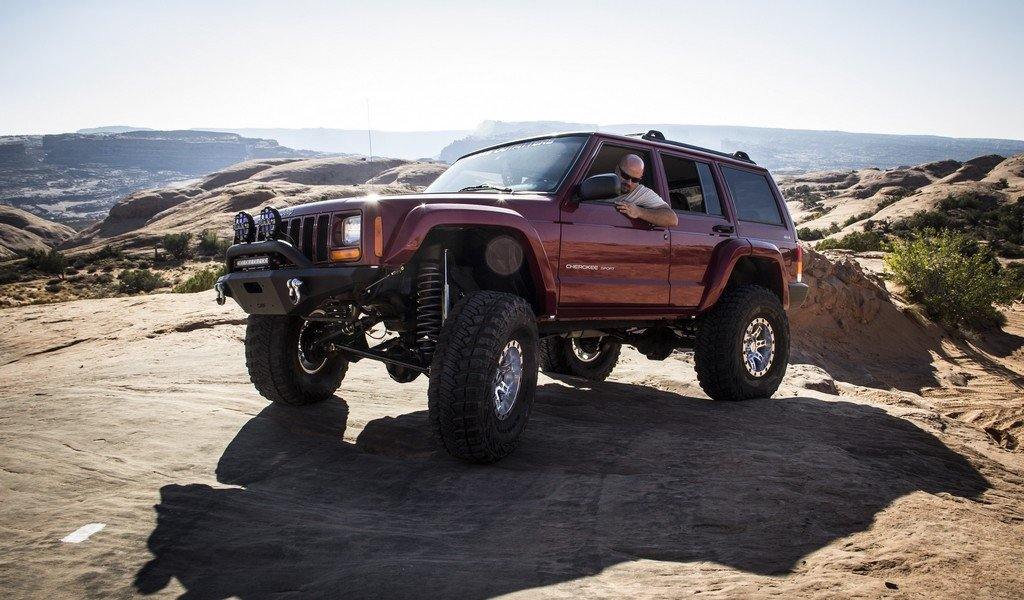
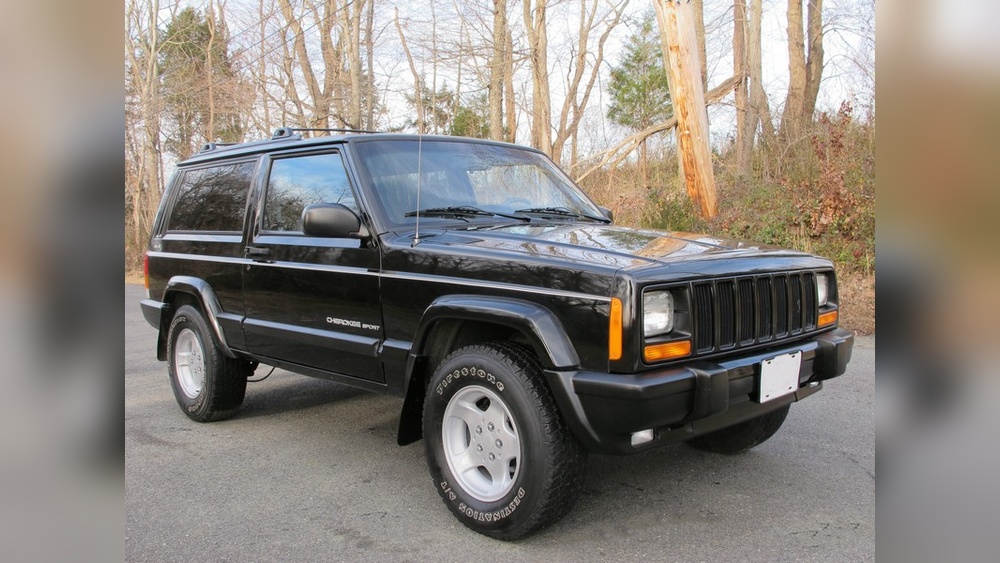
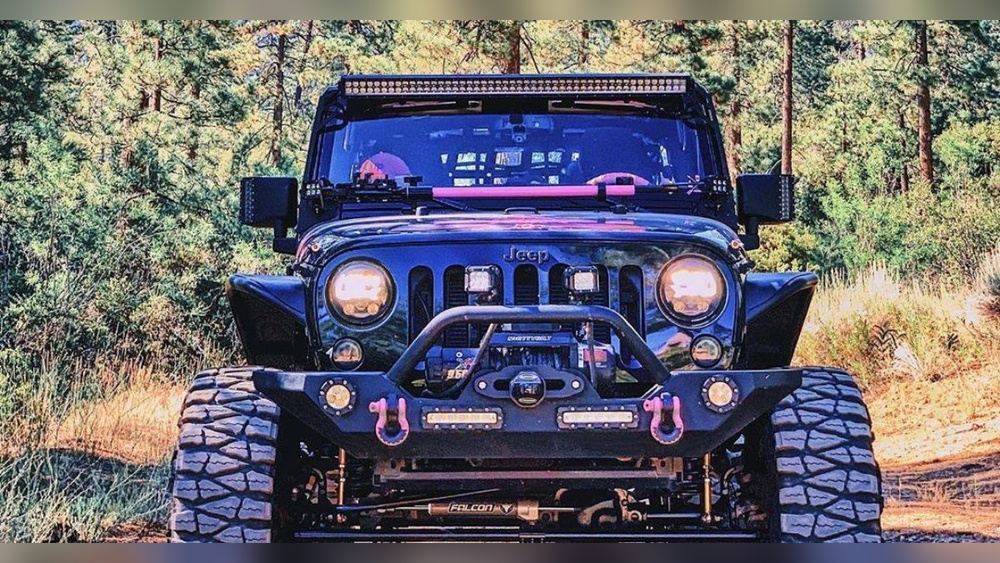
If you drive a Jeep Cherokee XJ, you know it’s more than just a vehicle—it’s a symbol of adventure and capability. But as you take your XJ off-road or add bigger tires, you may notice rocks and mud hitting your paint, or even legal problems if your tires stick out past the fenders. This is where fender flares come in. They protect your Jeep, improve its look, and help you stay within the law. Choosing the right fender flares for your Cherokee XJ can seem tricky, but it doesn’t have to be. Here’s a complete guide that will help you make the best decision for your ride.
Why Fender Flares Matter For The Cherokee Xj
Fender flares are more than just plastic add-ons. They serve several important purposes:
- Protecting your paint: Off-roading throws up rocks and debris that can chip or scratch your Jeep’s body.
- Covering wider tires: Many XJ owners install larger tires for better performance, but these often stick out. Flares cover them, keeping your Jeep street legal in many states.
- Enhancing style: Flares can make your XJ look more rugged and customized.
In fact, some states require tire coverage by law. For example, Colorado and Utah have regulations about tire coverage, so having flares can help you avoid tickets.
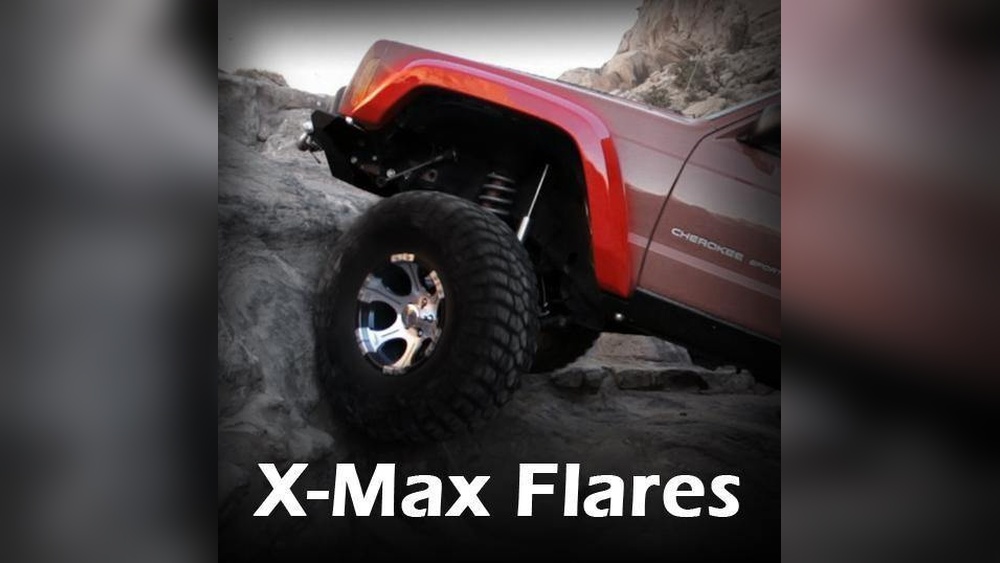
Types Of Fender Flares For Xj
There are several styles to choose from. Each offers different benefits depending on your needs.
| Type | Main Benefit | Drawback |
|---|---|---|
| Factory Style | OEM look, easy install | Limited tire coverage |
| Cut-Out | Maximum clearance | Trimming required |
| Pocket/Bolt-On | Aggressive look, extra width | May look bulky on some builds |
| Flat Flares | Off-road ready, flexible | Less stock appearance |
Factory Style
These match the original XJ look. They’re great if you want to keep your Jeep looking stock or only need minor tire coverage.
Cut-out Flares
Cut-out fender flares require trimming your Jeep’s fenders. They give you the most clearance for big tires, which is perfect for serious off-roaders.
Pocket/bolt-on Flares
These feature visible bolts or rivets and stick out further than stock flares. They are popular for their tough, trail-ready look.
Flat Flares
Flat flares are slim and flexible, often made of durable plastic. They’re ideal for rock crawling, as they won’t crack easily if hit.
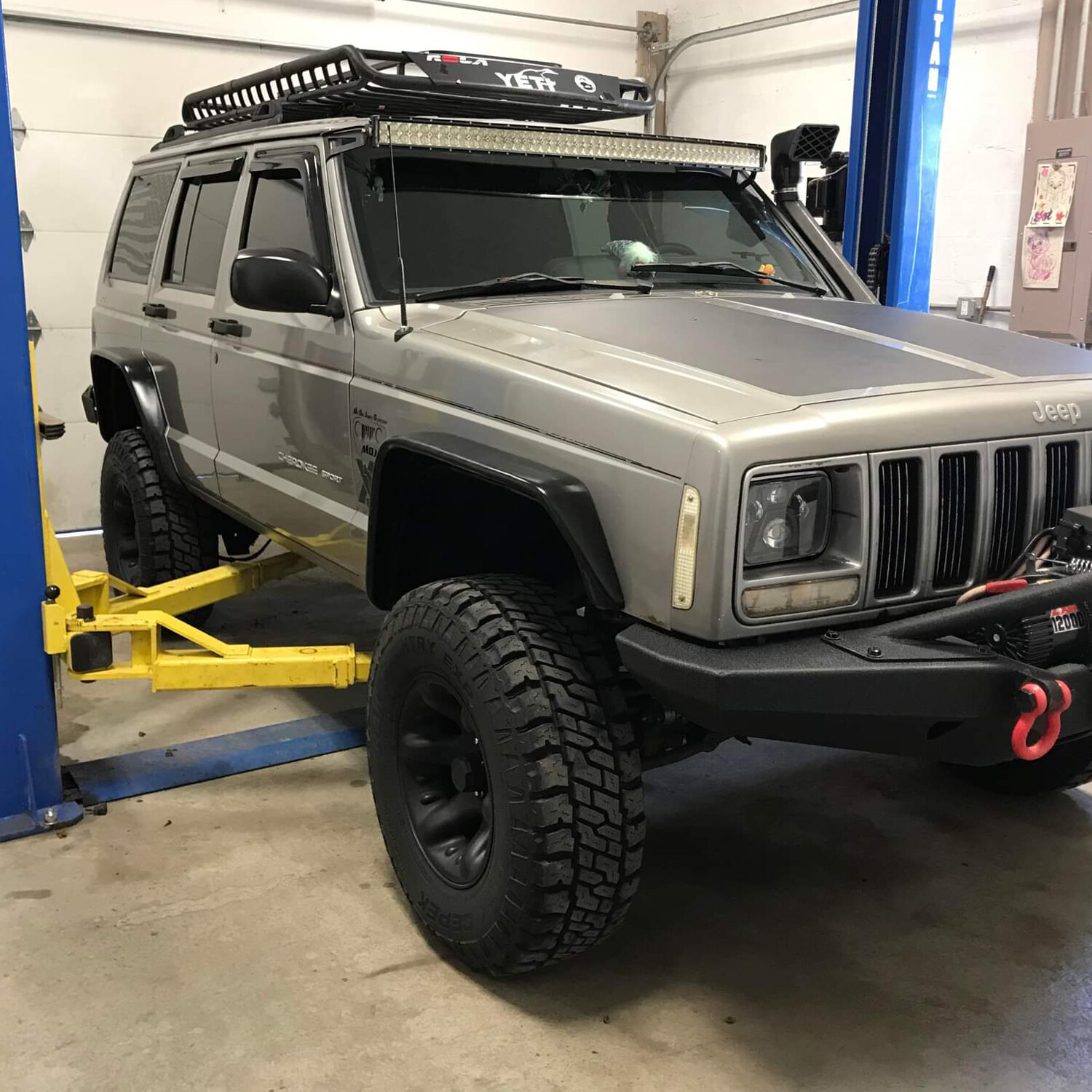
Key Factors To Consider
Before buying, think about these points to make sure you choose the right fender flares.
| Factor | Why It Matters |
|---|---|
| Material | Durability and resistance to cracking |
| Width | Covers different tire sizes |
| Fitment | Ensures proper installation |
| Legal Requirements | Avoids fines in some states |
| Appearance | Matches your Jeep’s style |
- Material: Most XJ flares are made from ABS plastic, polyurethane, or even metal. Plastic is lightweight, but metal can offer more strength.
- Width and Tire Coverage: Measure how far your tires stick out. If you have 33-inch tires or wider wheels, you’ll need flares with more coverage.
- Fitment: XJ fender flares are not always “one size fits all.” Check if the flares are designed for your Cherokee’s year (1984–2001).
- Installation: Some flares require drilling or cutting. Decide if you’re comfortable with this, or prefer bolt-on options.
- Legal Requirements: Check your local laws. States like Washington and Oregon require the entire tire tread to be covered.
Popular Brands And Models
Choosing a reliable brand can make a big difference in fit and durability. Here are a few trusted names for XJ fender flares:
- Bushwacker: Known for cut-out and pocket style flares. Their cut-outs offer up to 5 inches of extra tire clearance.
- Rough Country: Offers affordable pocket-style flares with easy bolt-on installation.
- Rugged Ridge: Produces both flat and factory-style flares, with UV-resistant materials.
- Notch Customs: Specializes in heavy-duty flat flares for extreme off-roading.
For example, Bushwacker Cut-Out flares are often chosen by XJ owners who run 33-inch or larger tires, as they provide enough clearance without major body modifications.
Installation Tips And Common Mistakes
Installing fender flares is usually straightforward, but there are some details you should pay attention to:
- Test fit first: Always hold the flare against the body to check fit before drilling or cutting.
- Seal cut edges: If you trim the fender, use edge trim or paint to prevent rust.
- Don’t overtighten: Screws and bolts should be snug, but not so tight that they crack the flare.
- Double-check measurements: Mark all holes before drilling.
A common mistake is forgetting to check local tire coverage laws. Some owners install narrow flares, only to find they’re still not legal.
Fender Flares Vs. No Flares: What’s The Difference?
If you’re unsure whether you need fender flares, consider these points.
| With Flares | Without Flares |
|---|---|
| Protects body from debris | Chips and scratches likely |
| Keeps Jeep street legal | Possible legal issues |
| Improved appearance | Worn or unfinished look |
Most serious off-roaders agree: fender flares are worth the investment, especially for long-term paint protection and peace of mind.
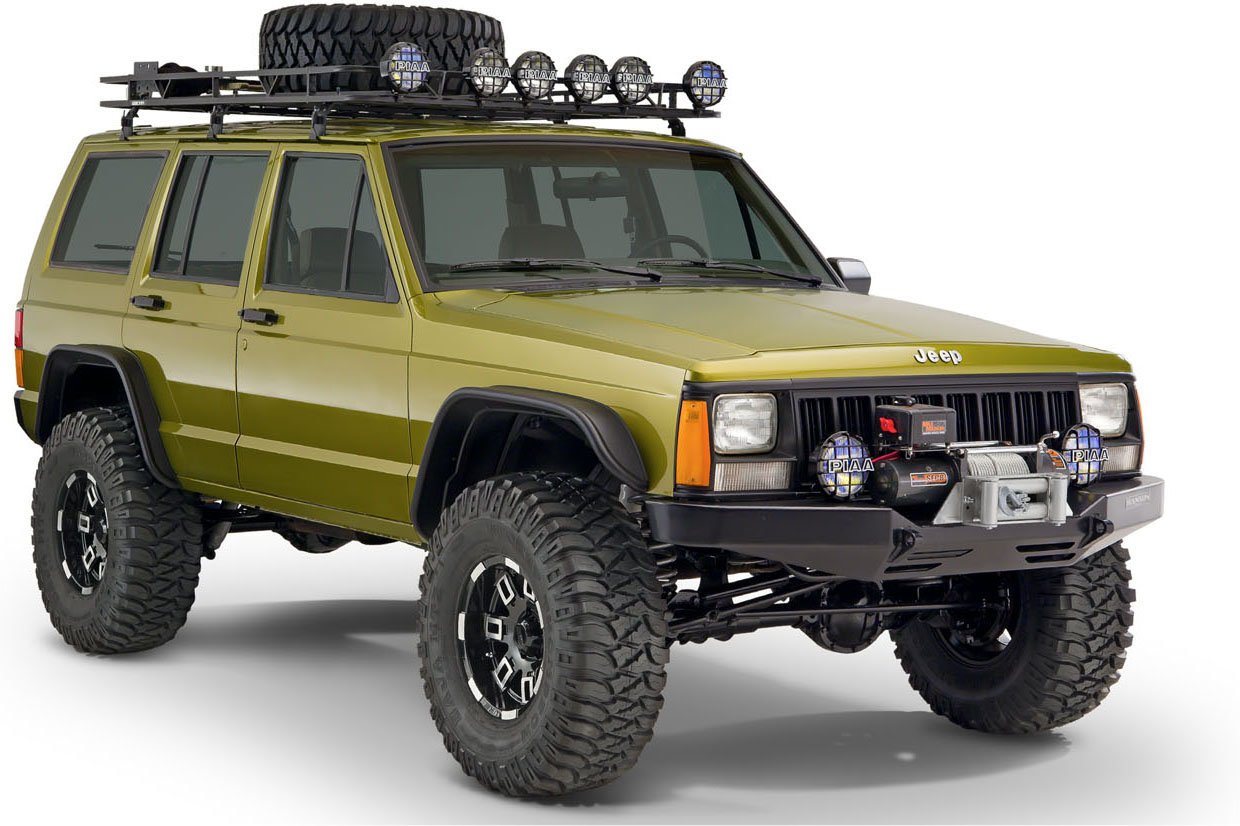
Maintenance And Longevity
To keep your fender flares looking good:
- Clean regularly with mild soap and water.
- Avoid harsh chemicals that can fade plastic.
- Check bolts and clips every few months, especially after off-roading.
High-quality flares can last 5–10 years or more with proper care. Some even come with warranties from the manufacturer.
Frequently Asked Questions
What Size Fender Flares Do I Need For My Xj?
Measure how far your tires stick out from the body. Most Cherokee XJ owners with stock tires use factory-style flares, but if you have wider tires, choose flares with at least 3–5 inches of coverage.
Can I Install Fender Flares Myself?
Yes, most fender flares for the Cherokee XJ are designed for DIY installation. You’ll need basic tools and sometimes a drill. Always follow the instructions specific to your flare model.
Will Fender Flares Affect My Jeep’s Resale Value?
Usually, quality fender flares can increase resale value, especially if they protect the paint and look professional. Poorly fitted or damaged flares can have the opposite effect.
Are Metal Fender Flares Better Than Plastic?
Metal flares are stronger but heavier. Plastic flares (like ABS or polyurethane) are lighter and resist rust, making them popular for most XJ owners. Choose based on your off-road needs and style.
Where Can I Find Legal Requirements For Fender Flares?
Check your state’s Department of Transportation website, or reliable sources like SEMA. Laws change, so check before you buy.
Adding fender flares to your Jeep Cherokee XJ isn’t just about style—it’s about protection, legality, and getting the most from your adventures. With the right information, you can pick the perfect flares for your Jeep and hit the trails with confidence.