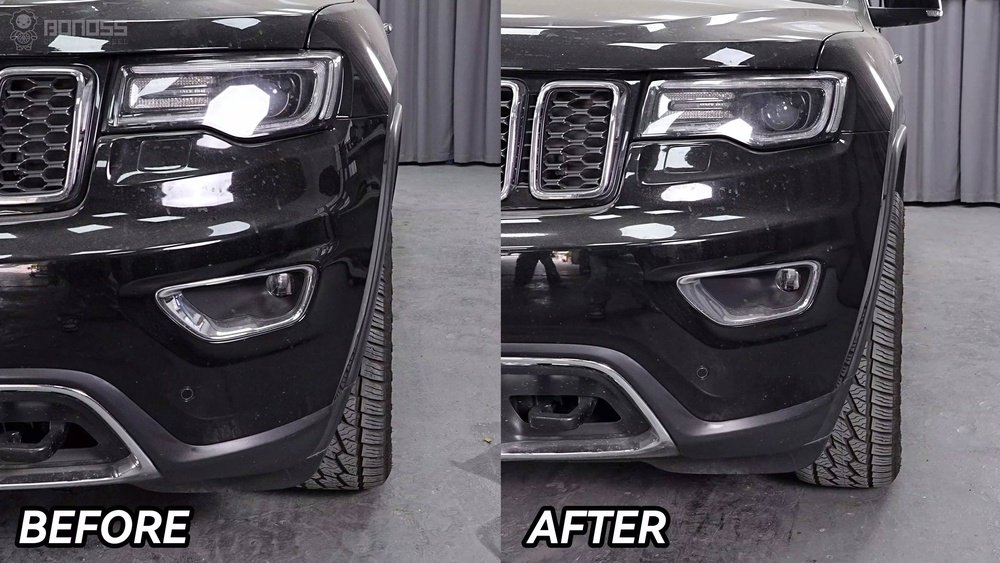
Changing the fog lights on your 2015 Jeep Grand Cherokee can make a big difference in both style and safety. Many drivers notice their fog lights become dim or stop working after a few years, especially if you drive in wet or rough conditions. While it may seem like a small part of your vehicle, working fog lights are critical for seeing the road in bad weather and for helping other drivers see you. The good news: you don’t need to be a professional mechanic or have special tools to replace them yourself. Whether you want to upgrade to brighter bulbs or just need to replace a broken one, this guide covers everything you need to know in simple, clear steps.
Why Change Your Fog Lights?
Your Jeep’s fog lights are designed for low visibility situations, like heavy rain, fog, or snow. Over time, bulbs can get dimmer or burn out. Old or broken fog lights can reduce your ability to see obstacles and make your Grand Cherokee less visible to others. Sometimes, you may also want to change to LED bulbs for brighter and more energy-efficient lighting. Replacing fog lights yourself saves money and gives you confidence that your vehicle is ready for any weather.
Tools And Materials You Will Need
Before you start, gather the following tools and supplies:
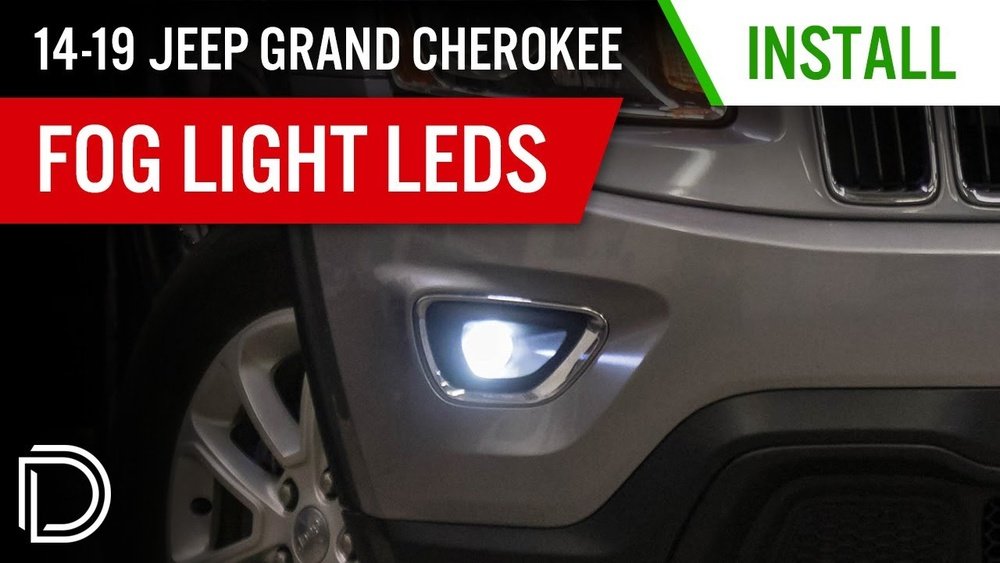
- Replacement fog light bulbs (Check your owner’s manual for the exact type; usually H11 for 2015 models)
- Flathead screwdriver or trim removal tool
- Socket wrench set
- Gloves (prevents skin oil from touching bulbs)
- Protective eyewear (optional but recommended)
- Clean cloth
Having everything ready before you begin makes the process smoother and safer.
Step-by-step Guide: How To Change Fog Lights On A 2015 Jeep Grand Cherokee
1. Prepare Your Vehicle
Park your Jeep on a flat surface and turn off the ignition. Make sure the engine is cool to avoid burns. Engage the parking brake for safety.
2. Access The Fog Light Housing
On the 2015 Grand Cherokee, the fog light assembly is located in the lower front bumper. The best way to reach it is through the wheel well.
- Turn the steering wheel to the opposite side of the fog light you are changing. For example, turn the wheel left to access the right fog light.
- Use a flathead screwdriver or trim removal tool to carefully remove the plastic clips or screws holding the wheel well liner in place.
- Gently pull back the liner to expose the back of the fog light housing.
3. Remove The Old Fog Light Bulb
- Locate the wiring connector at the back of the fog light. Press the tab and pull the connector straight off.
- Turn the bulb counterclockwise to unlock it from the housing.
- Carefully remove the bulb. If it’s stuck, wiggle gently—do not force or twist hard, as you can damage the socket.
4. Install The New Bulb
- Put on gloves before handling the new bulb. Oils from your skin can make the bulb burn out faster.
- Insert the new bulb into the housing and turn clockwise until it locks in place.
- Reconnect the wiring connector. Make sure it clicks securely.
5. Test The Fog Light
Before reassembling everything, turn on your vehicle and test the fog lights to ensure the new bulb works. If it does not light up, check the connector and bulb orientation.
6. Reassemble The Wheel Well Liner
If the bulb works correctly, reposition the wheel well liner and secure it with the clips or screws you removed earlier.
7. Repeat For The Other Side
Follow the same steps for the other fog light if needed.
Choosing The Right Bulb: Halogen Vs Led
When replacing fog lights, you have two main choices: halogen or LED bulbs.
| Feature | Halogen Bulbs | LED Bulbs |
|---|---|---|
| Brightness | Standard | Much brighter |
| Energy Use | Higher | Lower |
| Lifespan | 1-2 years | 5+ years |
| Cost | Lower | Higher |
Halogen bulbs are inexpensive and easy to find. LED bulbs last much longer and use less power but cost more upfront. Many Jeep owners upgrade to LED for better performance, especially in poor weather.
Common Mistakes To Avoid
Changing fog lights is straightforward, but these mistakes can cause problems:
- Touching the new bulb with bare hands: Oil from your skin can create hot spots and shorten bulb life.
- Forcing the bulb: If it doesn’t fit, double-check you have the right type and align it properly.
- Forgetting to test: Always check the new bulb before reattaching the liner to save time.
- Using the wrong replacement bulb: Check the owner’s manual or current bulb for the correct size and wattage.
- Not securing connectors: Loose connectors can cause flickering or no light at all.
Practical Tips For A Smooth Installation
- Work in good lighting so you can see small parts clearly.
- Keep screws and clips organized in a small container.
- Change both bulbs at the same time for even brightness.
- If upgrading to LED, make sure they are CANbus compatible to avoid dashboard errors.
Replacing The Whole Fog Light Assembly
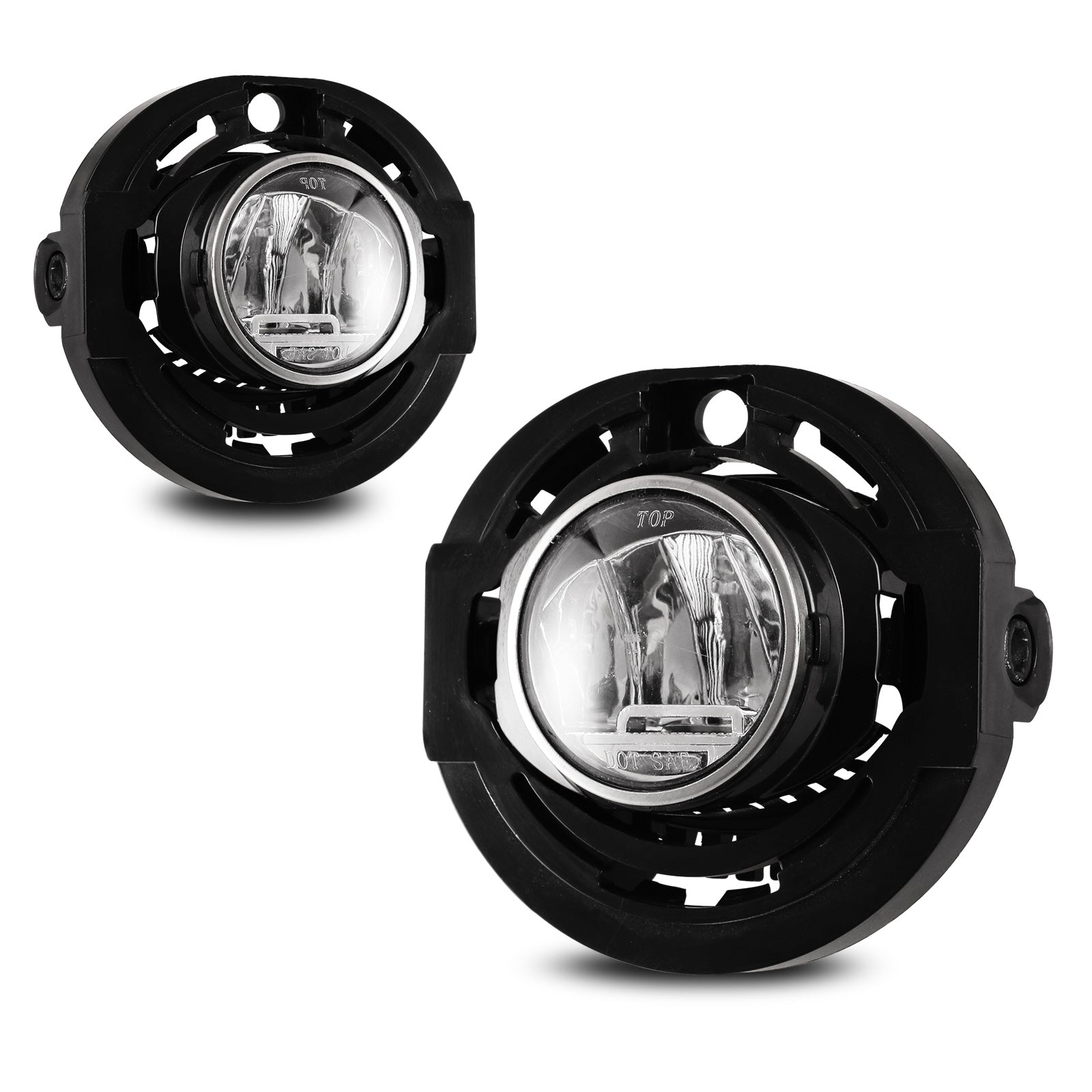
If your fog light housing is cracked or damaged, you may need to replace the whole assembly. This process is a bit more involved but still doable for most DIYers.
Steps To Replace The Fog Light Assembly
- Remove the wheel well liner as before.
- Disconnect the wiring harness.
- Remove the bolts securing the fog light assembly using a socket wrench.
- Take out the old assembly and insert the new one.
- Reattach bolts, connect wiring, and test before reassembling the liner.
This may take longer than a bulb swap, but the steps are similar.
Cost Of Replacing Fog Lights
The cost varies depending on the type of bulb and whether you do it yourself or pay a mechanic.
| Part/Service | DIY Cost | Mechanic Cost |
|---|---|---|
| Halogen Bulb (each) | $10–$20 | $30–$50 (with labor) |
| LED Bulb (each) | $30–$70 | $60–$120 (with labor) |
| Fog Light Assembly | $50–$150 | $100–$300 (with labor) |
Doing it yourself saves you the labor cost, and you can often complete the job in less than an hour.
Signs Your Fog Lights Need Replacing
Not sure if you need to change your fog lights? Watch for these signs:
- Dim or flickering light
- Color change (yellowing or fading)
- Cracked lens or housing
- Warning light on dashboard
- No light when switched on
Any of these signs means it’s time to inspect and likely replace your fog lights.
Upgrading For Better Performance
If you drive often in foggy or rainy areas, upgrading to high-performance LED bulbs can be a smart investment. These bulbs are brighter, last longer, and draw less power. Some even offer adjustable color temperature to match different weather conditions. Be sure to buy bulbs designed for your Jeep’s electrical system to avoid compatibility problems.
Environmental Factors That Affect Fog Lights
Few drivers realize how much weather and road conditions affect fog light lifespan. Road salt, gravel, and potholes can damage the lens or housing. Moisture can seep in and cause the bulb to fail early. Checking your fog lights after winter or rough driving can catch problems before they become serious.
Legal Considerations
In some states, aftermarket LED bulbs or colored fog lights are not legal for road use. Always check your local laws before installing non-standard bulbs. Using the wrong type could result in a ticket or inspection failure.
For official guidance, see the National Highway Traffic Safety Administration.

When To Ask A Professional
If you notice wiring issues, water inside the assembly, or you are uncomfortable working with car parts, it’s best to see a professional mechanic. Electrical issues can be complex and may require special tools.
Comparison: Diy Vs Professional Installation
| Factor | DIY | Professional |
|---|---|---|
| Cost | Low | High |
| Time | 30-60 min | 1-2 hours (including wait time) |
| Skill Needed | Basic tools & skills | None (for you) |
| Warranty | No labor warranty | Often included |
DIY is more affordable and faster if you’re comfortable with tools, but a professional offers peace of mind and warranty.
How Often Should Fog Lights Be Changed?
Most halogen bulbs last 1–2 years, but LED bulbs can last up to 5 years or more. If you notice dimming or failure, replace sooner. It’s smart to check all your exterior lights at least twice a year, especially before winter and before long trips.
Final Thoughts
Changing the fog lights on your 2015 Jeep Grand Cherokee is a simple and rewarding DIY project. With basic tools and a bit of patience, you can improve your vehicle’s safety and appearance in under an hour. Remember to choose the right bulbs, avoid common mistakes, and test your work before finishing up. If you ever feel unsure, a professional can help. Keeping your fog lights in good condition means better visibility and safer driving, no matter the weather.

Frequently Asked Questions
How Do I Know Which Bulb Fits My 2015 Jeep Grand Cherokee?
Check your owner’s manual or the current bulb itself. For most 2015 models, the fog light bulb type is H11. Always double-check before buying.
Can I Upgrade To Led Fog Lights?
Yes, you can upgrade to LED bulbs for brighter and longer-lasting light. Make sure the LEDs are compatible with your Jeep and local laws.
Do I Need To Disconnect The Battery Before Changing The Fog Lights?
It’s not required for a simple bulb change, but if you are replacing the whole assembly or working near wiring, disconnecting the battery is a safe practice.
Why Did My New Fog Light Bulb Burn Out Quickly?
Touching the bulb with bare hands or installing the wrong wattage can cause early failure. Always use gloves and the correct bulb type.
Are Fog Lights And Headlights The Same?
No. Fog lights are for low visibility situations and are mounted lower on the vehicle. Headlights are for normal driving and are brighter and higher up. Each serves a different purpose.