Changing spark plugs in your Jeep Cherokee is one of those tasks that can make your car run smoother, save fuel, and even prevent bigger problems later. Many car owners think it’s too difficult and leave it for the mechanic.
But with some basic tools, a little time, and a clear guide, you can do it yourself. This article walks you through every step for a confident DIY spark plug change. We’ll use simple words and clear instructions so even first-time mechanics can succeed.
Why Changing Spark Plugs Matters
The spark plugs in your Jeep Cherokee create the spark that ignites the fuel in your engine. Over time, these plugs get dirty, worn, or corroded. When this happens, you might notice your Jeep is harder to start, uses more gas, or doesn’t run as smoothly. Replacing spark plugs at the right time helps:
- Improve fuel efficiency (up to 4% better mileage)
- Restore lost power
- Reduce emissions
- Prevent engine misfires
Most Jeep Cherokees need new spark plugs every 30,000 to 100,000 miles, depending on the engine and type of plug. Your owner’s manual will list the exact interval.
Tools And Parts You’ll Need
Before you start, gather these items:
- New spark plugs (check your engine type and owner’s manual for the right size and type)
- Spark plug socket (usually 5/8″ or 13/16″ with a rubber insert)
- Ratchet wrench
- Extension bar (helpful for deep spark plug wells)
- Torque wrench (for proper tightening)
- Dielectric grease (optional, for coil boots)
- Anti-seize compound (optional, for spark plug threads)
- Compressed air or a small brush
- Gloves and safety glasses
Example: Popular Spark Plug Types For Jeep Cherokee
| Engine | Year | Spark Plug Type | Gap (inches) |
|---|---|---|---|
| 2.4L Tigershark | 2014–2020 | Iridium | 0.044 |
| 3.2L Pentastar V6 | 2014–2023 | Platinum | 0.050 |
| 4.0L I6 | 1997–2001 | Copper | 0.035 |
Preparing Your Jeep Cherokee
A little prep work makes the job easier and safer.
- Let the engine cool. Spark plugs get extremely hot. Wait at least 30 minutes after the engine is off.
- Open the hood and disconnect the negative battery cable. This prevents accidental electrical shorts.
- Clean the area around the spark plug wells. Use compressed air or a brush. Dirt falling into the engine can cause damage.
Step-by-step: Changing Spark Plugs
Let’s go through the process. The example here is for a 2014–2022 Jeep Cherokee, but the steps are similar for most models.
1. Locate The Spark Plugs
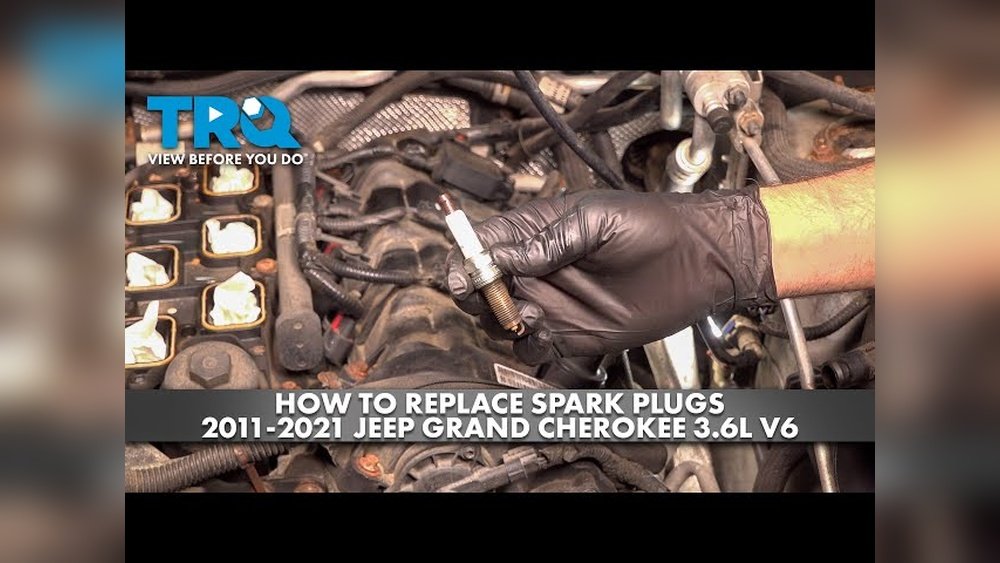
On most modern Cherokees, the spark plugs are under a plastic engine cover. Remove this cover by unscrewing the bolts or popping off the clips.
- 4-cylinder engines: Usually have 4 spark plugs, one per cylinder.
- V6 engines: Usually have 6 spark plugs, three on each side.
2. Remove The Ignition Coil Or Spark Plug Wire
- For engines with coil-on-plug ignition, each spark plug has its own ignition coil. Unclip the electrical connector and unscrew the coil bolt. Gently pull the coil straight up.
- For older models with spark plug wires, twist and pull the wire boot off the plug.
Tip: Label each wire or coil as you remove it, so you put them back in the right place.
3. Remove The Old Spark Plug
- Use a spark plug socket and extension to loosen the plug by turning counterclockwise.
- Carefully lift the plug out. If it’s stuck, don’t force it. Spray a little penetrating oil and wait a few minutes.
Non-obvious insight: If the old plug is oily, sooty, or white, this can signal engine problems. Take a photo for future reference or show it to a mechanic.
4. Check And Gap The New Spark Plug
- Compare the new plug to the old one. They should be the same length and size.
- Use a spark plug gap tool to check the gap. Adjust if needed, but many modern plugs come pre-gapped.
Important: Never force the gap wider or smaller than the manufacturer’s spec. This can damage the plug.
5. Install The New Spark Plug
- Apply a tiny amount of anti-seize compound to the plug threads (unless your manual says not to).
- Insert the new plug by hand first, turning clockwise. This prevents cross-threading.
- Use a torque wrench to tighten to the proper spec (usually 13–20 ft-lbs). Do not overtighten, as this can crack the plug or cylinder head.
6. Reinstall The Coil Or Wire
- Apply a small amount of dielectric grease inside the coil boot or wire (optional, but helps prevent moisture).
- Push the coil or wire back onto the plug.
- Reconnect the electrical connector or wire.
7. Repeat For Each Plug
Work one plug at a time to avoid mixing up wires or coils. Repeat steps 2–6 for each cylinder.
8. Reassemble And Test
- Reinstall the engine cover.
- Reconnect the battery.
- Start the engine. It should run smoothly. If you notice a rough idle, check that all coils or wires are firmly attached.

Common Mistakes To Avoid
Many DIYers make these errors:
1. Cross-threading The Spark Plug
Always start threading by hand to avoid damaging the cylinder head.
2. Overtightening Or Undertightening
Use a torque wrench. Too tight can crack the head; too loose can cause leaks.
3. Mixing Up Ignition Coils Or Wires
Label each one before removal.
4. Skipping The Engine Cool-down
Hot plugs can burn your skin and damage threads.
5. Dropping Dirt Into Spark Plug Holes
Cleaning first prevents engine damage.
How To Know If You Did It Right
Once you’ve changed the spark plugs:
- The engine should start quickly.
- Idle should be smooth, not rough.
- Acceleration feels more responsive.
- No “check engine” light appears.
If the engine runs poorly or the “check engine” light comes on, double-check your work, especially the coil and wire connections.

When To Call A Mechanic
Changing spark plugs is usually straightforward, but sometimes it’s best to get help. Call a professional if:
- A spark plug is stuck and you fear breaking it.
- The plug hole is damaged (cross-threaded).
- You see oil or coolant on the old plug, which can signal bigger engine problems.
- You are not comfortable with tools or have no experience.
Cost Comparison: Diy Vs Mechanic
Here’s a look at what you’ll spend doing it yourself versus at the shop.
| Service | DIY Cost | Mechanic Cost |
|---|---|---|
| Spark Plugs (set of 4) | $20–$60 | Included |
| Labor | $0 | $80–$180 |
| Tools (one-time) | $25–$60 | Included |
| Total (first time) | $45–$120 | $100–$240 |
Tip: If you already have the tools, DIY saves even more on future spark plug changes.

How Often Should You Change Spark Plugs?
Changing frequency depends on your Jeep Cherokee’s engine and spark plug type.
| Spark Plug Material | Typical Lifespan | Recommended For |
|---|---|---|
| Copper | 30,000 miles | Older engines (e.g., 4.0L I6) |
| Platinum | 60,000 miles | Most V6 engines |
| Iridium | 100,000 miles | Modern 4-cylinder engines |
Always check your owner’s manual for the exact recommendation.
Two Non-obvious Tips Most Beginners Miss
- Inspect the coil boots for cracks or carbon tracking. If you see white lines or cracks, replace the coil boots. Ignoring this can cause misfires even with new spark plugs.
- Check for engine software updates after changing spark plugs. Some newer Cherokees have software that can adjust for new ignition parts. Ask your dealer if an update is needed.
Safety Reminders
- Always wear gloves and safety glasses.
- Work in a well-ventilated area.
- Dispose of old spark plugs properly—they contain materials that shouldn’t go in regular trash.
Frequently Asked Questions
How Do I Know Which Spark Plugs My Jeep Cherokee Needs?
Check your owner’s manual or the sticker under the hood. It lists the exact spark plug type, size, and gap. Using the wrong type can cause poor performance or even engine damage.
Can I Use A Regular Wrench Instead Of A Spark Plug Socket?
A spark plug socket has a rubber insert to hold the plug and prevent breakage. Using a regular socket can damage the plug or drop it into the engine.
Is It Okay To Replace Just One Spark Plug?
It’s best to change all spark plugs at the same time. If one is worn out, the others are likely close. Mixing old and new plugs can cause uneven engine operation.
How Tight Should I Make The New Spark Plugs?
Follow the torque spec in your manual (usually 13–20 ft-lbs). If you don’t have a torque wrench, tighten until snug, then give an extra quarter-turn. Never overtighten.
Where Can I Learn More About Spark Plug Maintenance?
You can find detailed guides and explanations on the Wikipedia Spark Plug page for more in-depth information.
Changing the spark plugs in your Jeep Cherokee is a practical way to keep your engine running strong and save money. With careful steps, the right tools, and a little patience, you’ll boost performance and gain valuable DIY confidence.