If you’re thinking about buying a Jeep Wrangler, you probably want to know which years are the best. Wranglers have a strong reputation for off-road ability, but not every model year is equal. Some years offer better reliability, features, and value. Others have known problems or costly repairs. Picking the right year can make your Wrangler experience much better.
What Makes A Jeep Wrangler Year “best”?
A “best year” for Jeep Wrangler means more than just a good-looking vehicle. It’s about durability, performance, and fewer issues. Some Wranglers have stronger engines, better safety, and improved interiors. Others are known for rust, electrical troubles, or expensive fixes. Understanding these factors helps you avoid mistakes and enjoy your Jeep for years.
Let’s compare Wrangler generations quickly:

| Generation | Years | Main Features |
|---|---|---|
| YJ | 1987–1995 | Rectangular headlights, basic design |
| TJ | 1997–2006 | Coil spring suspension, round headlights |
| JK | 2007–2018 | Modern features, 4-door option |
| JL | 2018–present | Advanced tech, improved engines |
Top Jeep Wrangler Years
Some Jeep Wrangler years stand out for their reliability and value. Here are the top picks:
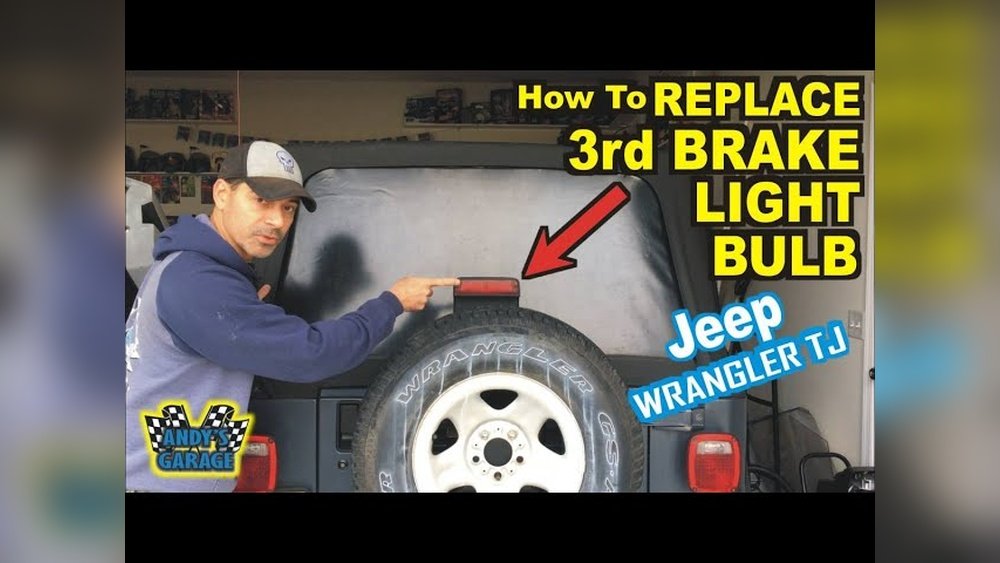
1997–2006 Tj (especially 2003–2006)
The TJ generation brought coil spring suspension for a smoother ride. The 2003–2006 models have fewer problems and stronger engines. The 4.0L inline-6 engine is famous for lasting over 200,000 miles with proper care.
Common strengths:
- Simple electronics (less to go wrong)
- Strong frame and rust resistance
- Easy repairs and low-cost parts
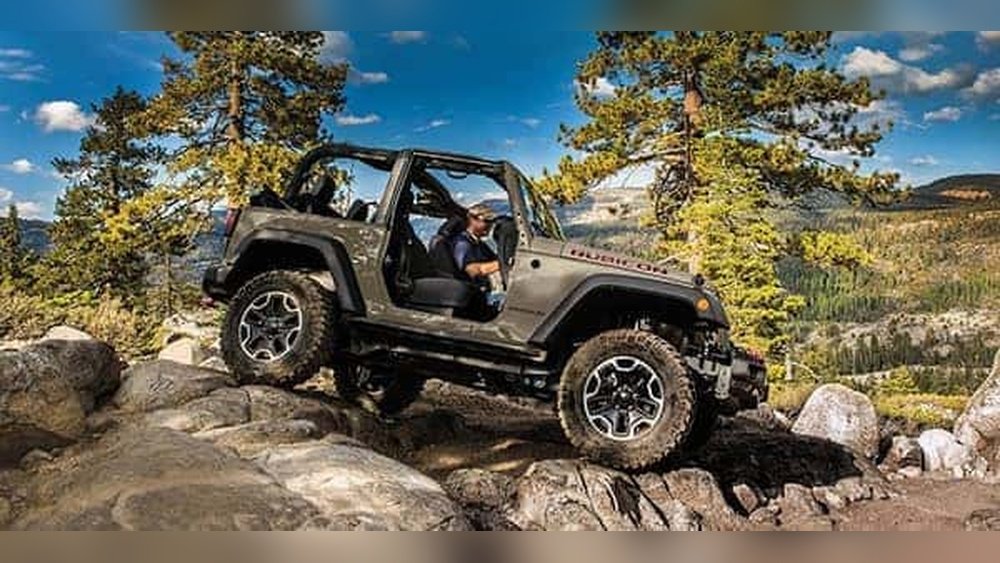
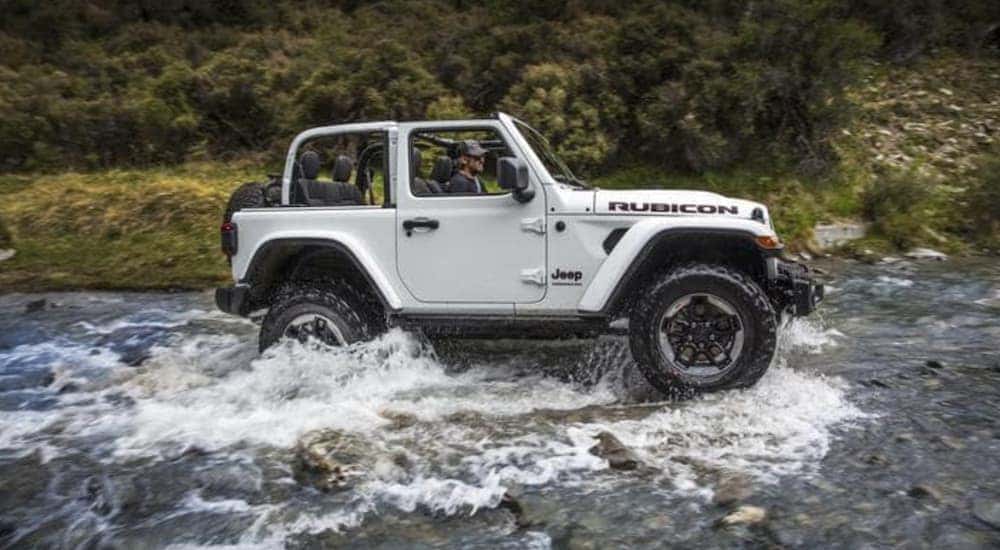
Some 2005–2006 models feature the Rubicon trim, adding stronger axles and locking differentials. Beginners often miss that Rubicon Wranglers can handle tougher trails without many upgrades.
2012–2018 Jk (especially 2012–2014)
The JK generation gave Wranglers modern comforts. The 2012–2014 models fixed problems from earlier JKs. They use the 3.6L Pentastar V6 engine, which is reliable and powerful.
What makes these years great:
- Improved fuel economy (up to 21 mpg highway)
- Better safety (side airbags, stronger roll cage)
- Roomy interior and four-door option
The 2012 model fixed a major issue with the old engine, so it’s much less likely to have oil leaks or overheating.
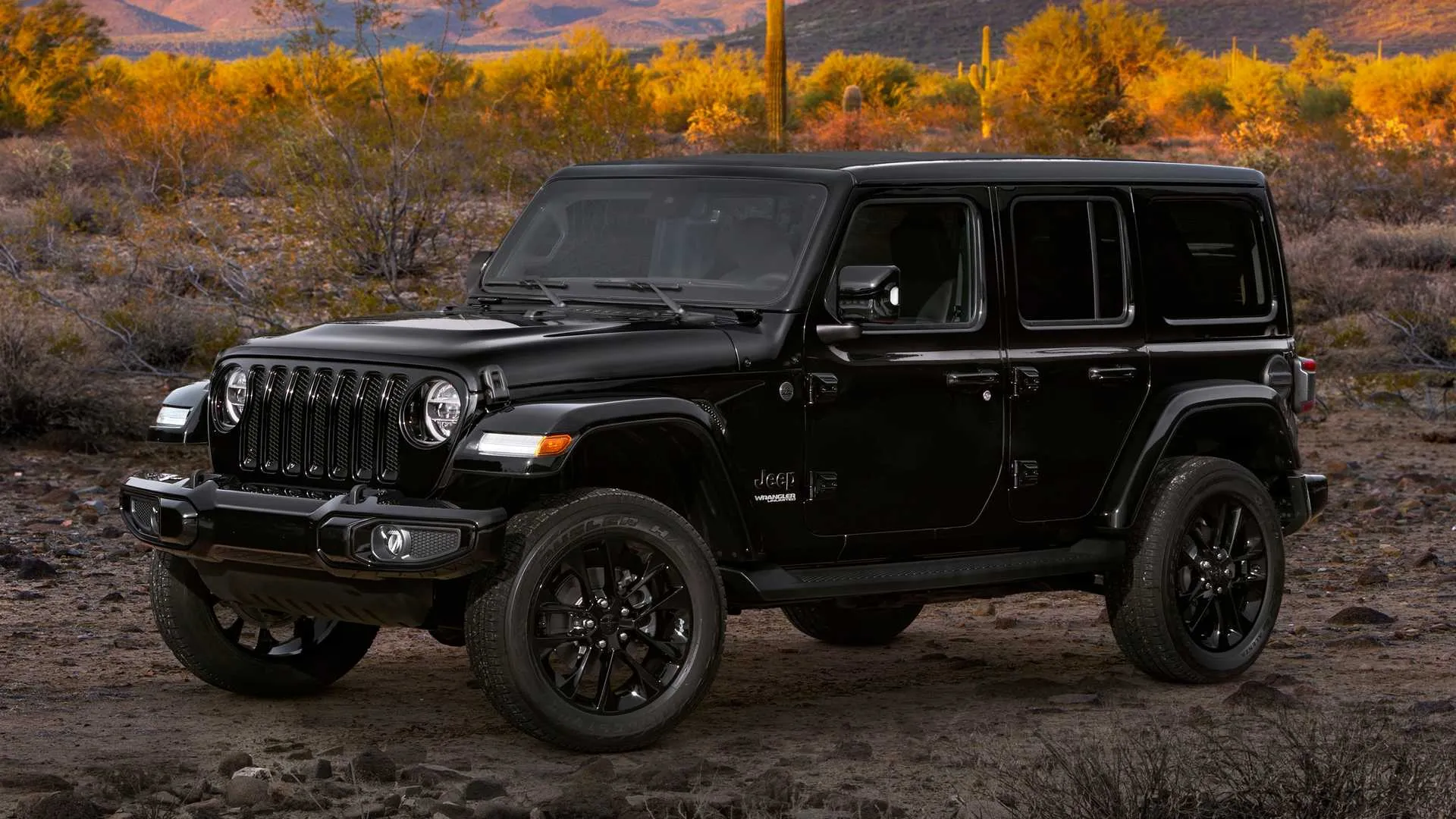
2018–2021 Jl
The newest JL generation brings even more improvements. The 2018–2021 models have advanced tech and smart safety features.
Highlights:
- Turbocharged engine option for better MPG
- Apple CarPlay and modern touchscreen
- Quieter ride and improved roof designs
These years have fewer recalls and better build quality. Owners report fewer electrical issues compared to older Wranglers.
Years To Be Careful With
Not every Wrangler is a winner. Some years are known for costly problems or weak parts. Here’s what to watch out for:
- 2007–2011 JK: Early JKs have engine problems, water leaks, and weak transmissions. Many owners paid thousands for repairs.
- 2008: This year saw many recall notices for brakes and electrical issues.
- 2014 JL: Some early JL models had factory mistakes—paint peeling, sensor errors, and faulty welds.
Here’s a quick comparison of trouble spots:
| Year | Common Issues | Repair Costs |
|---|---|---|
| 2007 | Engine failure, leaks | $2,500–$5,000 |
| 2008 | Electrical faults | $1,200–$2,800 |
| 2014 | Paint, sensors | $800–$1,500 |
Key Features To Look For
When choosing a Jeep Wrangler, pay attention to these important features:
- Engine type: Inline-6 (TJ) and Pentastar V6 (JK) are both strong choices.
- Trim level: Rubicon is best for off-road, Sport is more basic.
- Rust and frame condition: Older Wranglers can have frame rust, especially in wet climates.
- Service history: Look for regular oil changes, brake checks, and recalls fixed.
- Mileage: Wranglers can last long, but lower miles usually mean fewer problems.
Many buyers forget to check under the Jeep for rust or leaks. This can lead to expensive repairs later.
Here’s a side-by-side comparison of popular Wrangler trims:
| Trim | Off-Road Ability | Comfort Features |
|---|---|---|
| Sport | Basic | Minimal |
| Rubicon | Excellent | Upgraded |
| Sahara | Good | Luxury options |
Practical Tips For Wrangler Buyers
- Test drive before buying. Listen for rattles, check all electronics, and drive on rough roads.
- Ask for service records. A well-maintained Wrangler is much less likely to have hidden problems.
- Check recalls. Use official sites to see if all recalls were fixed.
- Inspect for rust. Look under the doors, fenders, and frame.
- Review insurance costs. Wranglers can cost more to insure, especially in urban areas.
A smart buyer checks these points, not just the looks or price.
Frequently Asked Questions
Are Jeep Wranglers Expensive To Maintain?
Wranglers are usually not expensive to maintain if you buy a reliable year. Older models with simple engines cost less to repair. Newer ones may need specialized service.
Which Wrangler Year Is Best For Off-roading?
The 2005–2006 Rubicon and 2012–2018 Rubicon are top choices for off-road. They have strong axles, lockers, and better ground clearance.
How Many Miles Can A Jeep Wrangler Last?
Many Wranglers last over 200,000 miles with regular maintenance. The 4.0L engine in the TJ is especially long-lasting.
Is The Jeep Wrangler A Good Daily Driver?
Modern Wranglers (2012–present) are comfortable for daily driving. Older ones can be noisy and less smooth, but are still reliable.
Where Can I Find More Details About Jeep Wrangler Generations?
You can find detailed information and history at Wikipedia.
Choosing the best Jeep Wrangler year takes a bit of research, but it’s worth the effort. Picking a reliable year means more adventures and less time in the repair shop. Look for strong engines, clean service history, and the right trim for your needs.
With these tips, you’ll find a Wrangler that’s ready for both city streets and rocky trails.