If you’re thinking about buying a 1998 Jeep Cherokee, reliability is likely your biggest concern. These SUVs are popular for their rugged design and off-road abilities. But the real question is: can you trust a 1998 Cherokee for daily driving or adventures? Let’s break down what makes this model reliable—or not—using real data, examples, and practical advice.
What Makes The 1998 Jeep Cherokee Unique?
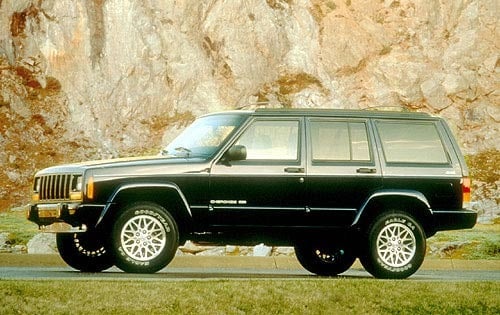
The 1998 Jeep Cherokee is known for its boxy style, simple mechanics, and strong engines. Unlike modern SUVs, it doesn’t have many electronics that can fail. Most Cherokees from this year use the 4.0L inline-six engine, famous for lasting over 200,000 miles with proper care. There’s also a smaller 2.5L four-cylinder, but it’s less common and less powerful.
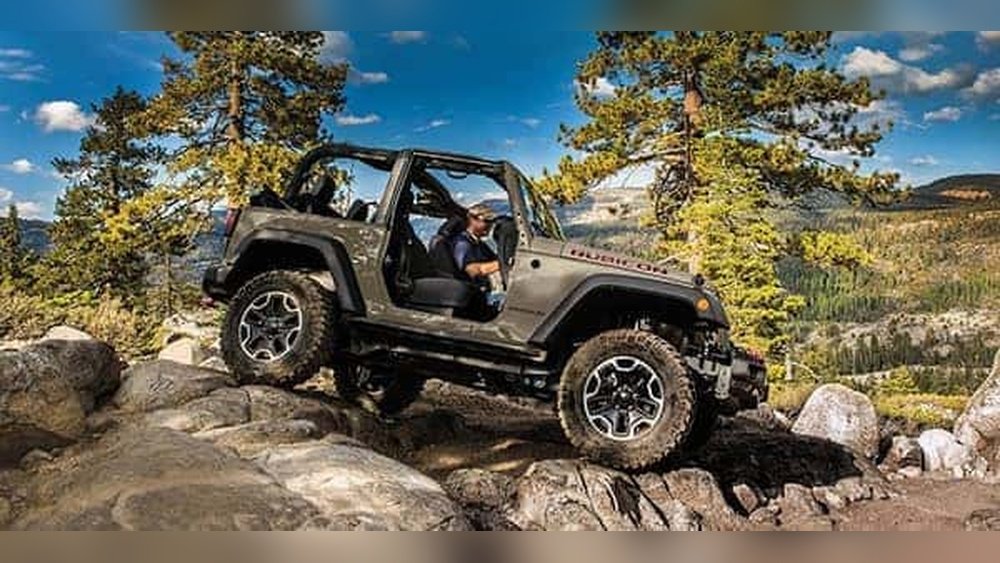
This model uses a solid axle suspension and a durable frame. These features help it handle rough roads and trails. Many owners appreciate its basic interior and straightforward controls, especially compared to newer vehicles with complex infotainment systems.
Reliability Data And Common Problems
Many drivers rate the 1998 Jeep Cherokee as reliable. According to owner surveys and reports, these SUVs often last decades. However, there are a few weak spots:
- Rust: The underbody and door sills often rust, especially in areas with snow or salt.
- Cooling system: Radiators and water pumps can fail after 120,000 miles. Overheating is a risk if not maintained.
- Electrical issues: Window switches and door locks sometimes stop working.
- Suspension wear: Bushings and ball joints need replacement after heavy use.
Here’s a comparison of Cherokee reliability with similar 1990s SUVs:
| Model | Average Lifespan (miles) | Major Repairs (per 100 vehicles) |
|---|---|---|
| 1998 Jeep Cherokee | 220,000 | 12 |
| 1998 Ford Explorer | 180,000 | 21 |
| 1998 Toyota 4Runner | 240,000 | 8 |
You can see the Cherokee stands near the top for durability but isn’t perfect.
Maintenance Costs And Parts Availability
One reason people like the 1998 Jeep Cherokee is its low upkeep cost. Parts are cheap and easy to find. Most repairs don’t require special tools, which is great for DIY owners.
| Repair | Average Cost (USD) | Difficulty (1-5) |
|---|---|---|
| Radiator replacement | $250 | 2 |
| Brake job | $180 | 3 |
| Suspension bushings | $120 | 4 |
| Starter replacement | $200 | 2 |
Most parts are still made by aftermarket suppliers. Unlike some older cars, you won’t struggle to find what you need.
Real-world Owner Experiences
Many owners keep their Cherokees for years. On forums, people share stories of their SUV reaching 300,000 miles. A key insight: regular oil changes and checking for rust can greatly extend the life. Some drivers use their Cherokee for off-roading every weekend and still report few problems.
One common mistake is ignoring minor leaks or noises. These often become bigger issues. Another is failing to wash the underbody after driving in salty conditions, which speeds up rust.
How The 1998 Cherokee Performs Today
Even after 25+ years, the 1998 Jeep Cherokee is popular for camping, towing, and city driving. Its engine is reliable if maintained. The transmission, especially the automatic, is sturdy but needs fluid changes every 30,000 miles.
Here’s how it compares to a modern compact SUV:
| Feature | 1998 Jeep Cherokee | 2023 Honda CR-V |
|---|---|---|
| Engine power | 190 hp | 190 hp |
| Fuel economy | 18 mpg | 28 mpg |
| Safety features | Basic airbags | Advanced driver aids |
| Off-road ability | Excellent | Limited |
| Repair costs | Low | Medium |
While the Cherokee lags in fuel economy and safety, it still beats many new models in off-road strength and repair costs.
Non-obvious Reliability Insights
- Cherokees with manual transmissions often last longer than automatics. Manuals have fewer parts to fail and are easier to fix.
- OEM parts (original manufacturer parts) can be higher quality than cheap aftermarket ones. Using OEM for critical repairs can prevent future breakdowns.
Also, some owners avoid larger tires and heavy lift kits because these increase stress on the suspension and steering, leading to faster wear.

Should You Buy A 1998 Jeep Cherokee?
If you want a simple, tough SUV, the 1998 Cherokee is a smart choice. It’s easy to fix, parts are cheap, and it handles rough roads well. But you need to accept its age. Expect to spend some time and money on maintenance. It’s not the best for fuel economy or safety, but for reliability and utility, it’s a strong performer.
For more detailed specs and history, visit the Wikipedia Jeep Cherokee page.
Frequently Asked Questions
Is The 1998 Jeep Cherokee Good For Daily Driving?
Yes, if maintained well. It’s comfortable for city and highway use, though it’s louder and less refined than modern SUVs.
How Long Can A 1998 Jeep Cherokee Last?
Many last over 200,000 miles. Some owners report 300,000+ miles with regular oil changes and rust prevention.
Are Parts Easy To Find For The 1998 Cherokee?
Yes. Most parts are available from local stores and online. It’s popular, so suppliers continue to make parts.
What’s The Biggest Reliability Issue?
Rust is the biggest threat, especially in northern states. Cooling system problems are also common after high mileage.
Is The 1998 Jeep Cherokee Safe?
It has basic airbags and a strong frame, but lacks modern safety tech. It’s safe for its time, but not compared to new SUVs.
If you want a reliable, simple SUV, a 1998 Jeep Cherokee can be a great option. Just check for rust and keep up with regular maintenance.