Is A Jeep Worth It
Many people dream about owning a Jeep. The brand is famous for adventure, rugged looks, and off-road skills. But buying a Jeep is a big decision. Is it truly worth your money? Let’s look at the real facts, pros, cons, and smart details that can help you decide.
What Makes Jeeps Special
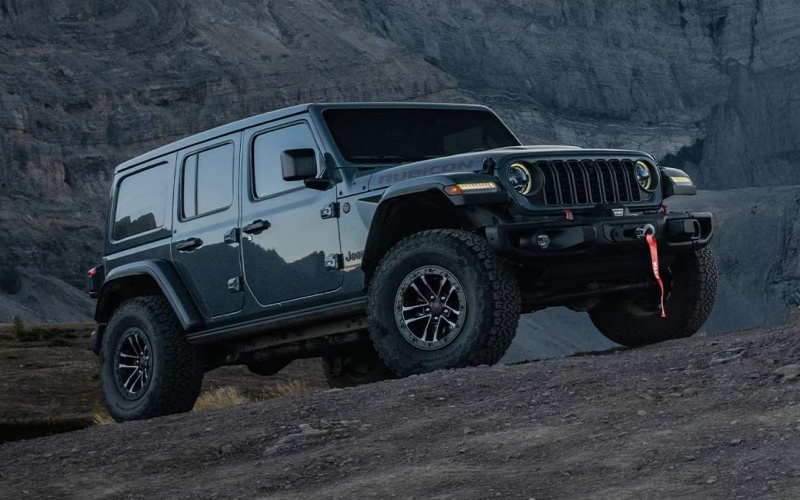
Jeeps are known for their unique design and off-road capability. Models like the Wrangler and Grand Cherokee stand out on the road. Jeeps are built to handle tough terrain, mud, and snow. If you live in a place with rough weather or enjoy outdoor trips, a Jeep can make travel easier.
Jeeps also have a strong community. Owners often join clubs, attend events, and share tips. This sense of belonging is rare in other brands.
Performance And Reliability
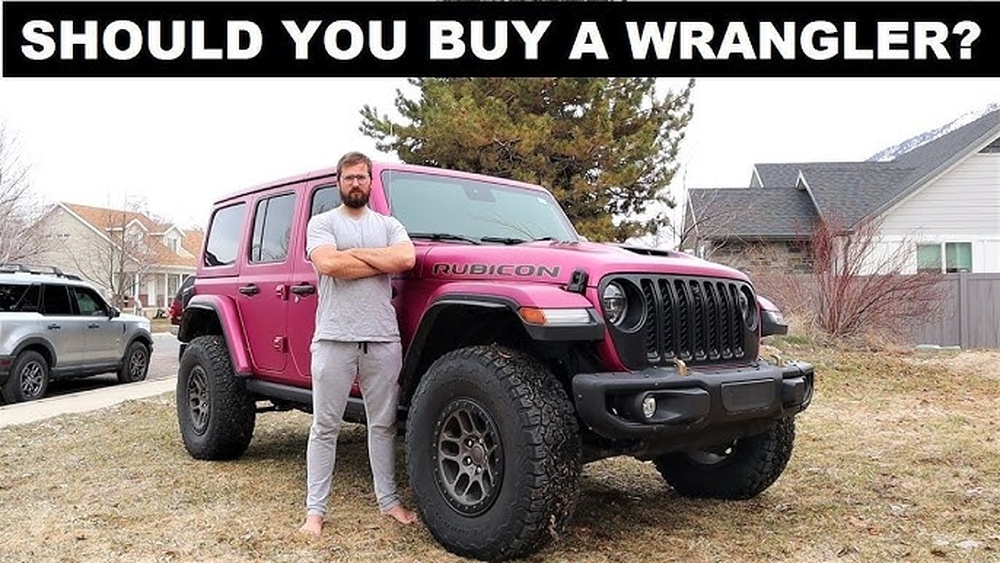
Jeeps offer a mix of powerful engines and flexible drive systems. The Wrangler, for example, has options like a 3.6-liter V6 and turbocharged 4-cylinder. These engines provide good torque for climbing hills or towing.
Here is a comparison of Jeep performance with other SUVs:
| Model | Horsepower | Towing Capacity (lbs) | 4WD |
|---|---|---|---|
| Jeep Wrangler | 285 | 3,500 | Standard |
| Toyota 4Runner | 270 | 5,000 | Optional |
| Ford Bronco | 300 | 3,500 | Standard |
Jeep engines are strong, but some models have had reliability issues. According to Consumer Reports, certain Jeep models score below average for long-term reliability. Owners sometimes report problems with electrical systems, transmissions, and minor leaks.
Cost Of Ownership
Buying a Jeep is not cheap. The starting price for a Wrangler is around $33,000. The Grand Cherokee starts near $40,000. But the real cost includes maintenance, fuel, and insurance.
Let’s break down costs for a typical Jeep Wrangler:
| Cost Type | Annual Estimate |
|---|---|
| Maintenance | $700 |
| Fuel | $1,600 |
| Insurance | $1,200 |
| Registration & Fees | $300 |
Jeeps tend to use more fuel than other SUVs. The Wrangler gets about 17-25 mpg, which is lower than many competitors. Maintenance costs are higher because Jeeps have more moving parts for off-road use.
Comfort And Everyday Use
Jeep interiors have improved in recent years. Modern Jeeps now feature touchscreens, heated seats, and premium materials. However, the ride quality can feel rough, especially in the Wrangler, which is built for trails more than highways.
If you plan to use your Jeep for daily commuting, consider these points:
- Noise: Jeeps, especially Wranglers, are noisier on highways.
- Space: Interior space is decent, but cargo room is smaller than some rivals.
- Ride: Suspension is stiffer, which can be uncomfortable on long trips.
Here’s a quick look at Jeep Wrangler vs. a typical family SUV:
| Feature | Jeep Wrangler | Honda CR-V |
|---|---|---|
| Cargo Space (cu. ft.) | 31.7 | 39.2 |
| Noise Level | High | Low |
| Ride Comfort | Medium | High |
Resale Value And Long-term Ownership
One benefit of owning a Jeep is resale value. Wranglers, for example, hold their value well. After five years, a Wrangler can keep over 60% of its original price. This is higher than most SUVs.
But not all Jeeps perform the same. The Compass and Renegade tend to lose value faster. If you plan to sell your Jeep later, choose popular models and trim levels.
Who Should Buy A Jeep?
A Jeep is a good fit if you:
- Like off-road adventures
- Live in areas with snow or rough roads
- Want a unique, stylish vehicle
- Value community and brand culture
But if you:
- Need a quiet, smooth ride
- Want high fuel economy
- Prefer low maintenance costs
Then a Jeep may not be the best option. Many buyers skip test-driving on rough roads, which is a mistake. Always try a Jeep in both city and off-road conditions before buying.

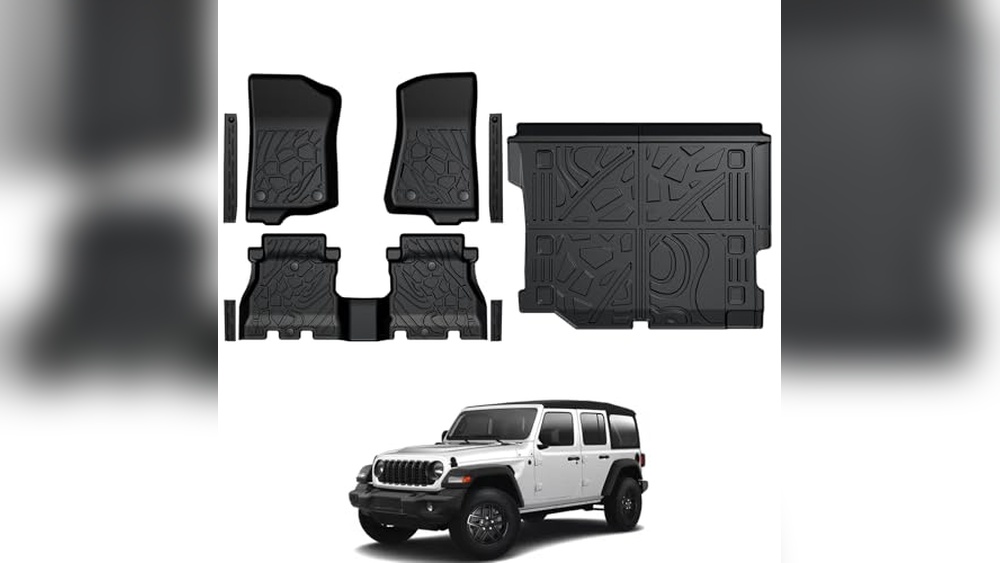
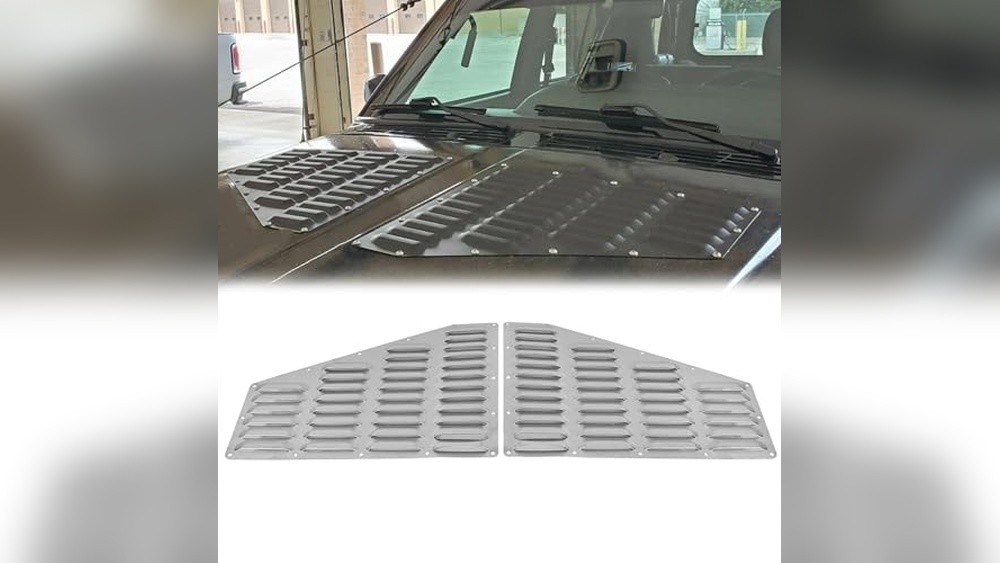
- Customization costs: Many Jeep owners upgrade tires, lights, or suspension. These upgrades can cost thousands. Budget for extras if you want to personalize your Jeep.
- Hardtop vs. Softtop: Wrangler owners often debate between hardtop and softtop. Hardtops are quieter and safer, but softtops are easier to remove. Choose based on your climate and needs.
- Insurance rates: Jeeps often cost more to insure because of their off-road parts and popularity. Compare quotes before you buy.
Frequently Asked Questions
Is A Jeep Good For City Driving?
Jeeps work in cities, but models like the Wrangler are less ideal. They can be noisy and harder to park. If you want a Jeep for urban use, look at the Grand Cherokee or Cherokee.
Are Jeeps Expensive To Maintain?
Yes, Jeeps often cost more to maintain than typical SUVs. Their off-road features add complexity. Regular upkeep, like tire and brake changes, can be pricier.
How Long Do Jeeps Usually Last?
With good care, Jeeps can last over 200,000 miles. Some owners report driving their Wranglers for 15 years or more. However, reliability depends on maintenance and driving style.
Is Jeep Fuel-efficient?
Most Jeeps are not very fuel-efficient. The Wrangler gets around 17-25 mpg, while family SUVs can reach 30 mpg or more. If fuel economy is your priority, consider other brands.
Where Can I Learn More About Jeep Reliability?
You can check detailed reviews and reports at Consumer Reports for unbiased reliability data.
Owning a Jeep is about more than looks or status. It’s a lifestyle choice. If you value adventure, customization, and community, a Jeep may be worth it. But consider costs, comfort, and your daily needs before making the leap. Always test-drive, compare, and ask other owners to get real insights.