Choosing a reliable Jeep is more than just picking a model with great looks or strong off-road skills. Reliability means fewer trips to the mechanic, lower repair bills, and confidence that your SUV will last for years. Jeep’s reputation is built on adventure, but some models stand out for their dependability. Here’s a clear guide to help you find the most reliable Jeep, based on real data, owner reviews, and expert opinions.
What Makes A Jeep Reliable?
Reliability is not only about how often a vehicle breaks down. It’s also about the cost of repairs, how long parts last, and how well the Jeep holds up as it ages. Some key factors include:
- Engine and transmission durability
- Electrical system stability
- Low cost of ownership
- Good resale value
A reliable Jeep should perform well in all these areas, not just one.
The Most Reliable Jeep Models
Several Jeep models have earned a solid reputation for reliability. Let’s look at the top choices and what sets them apart.
Jeep Wrangler (jk And Jl Generations)
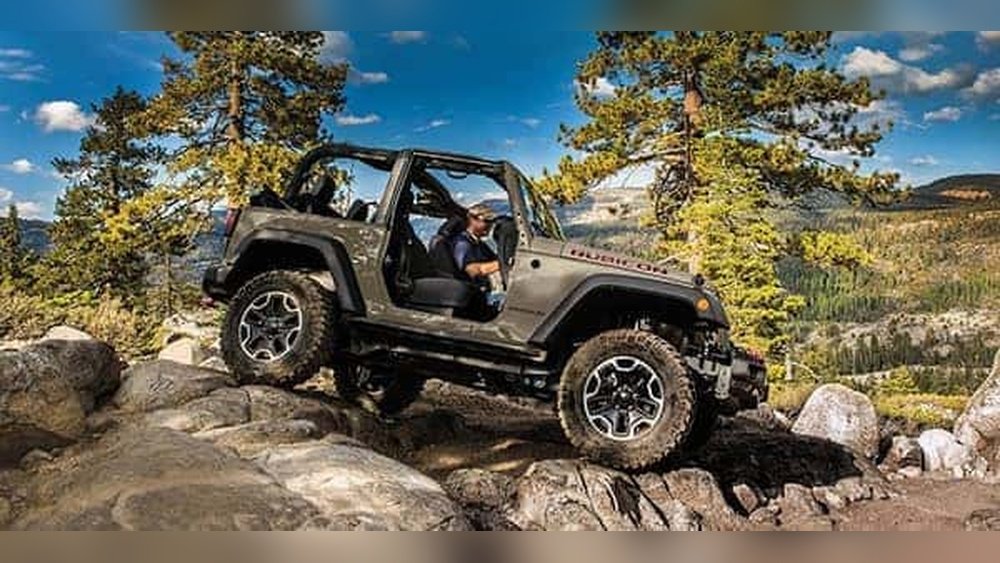
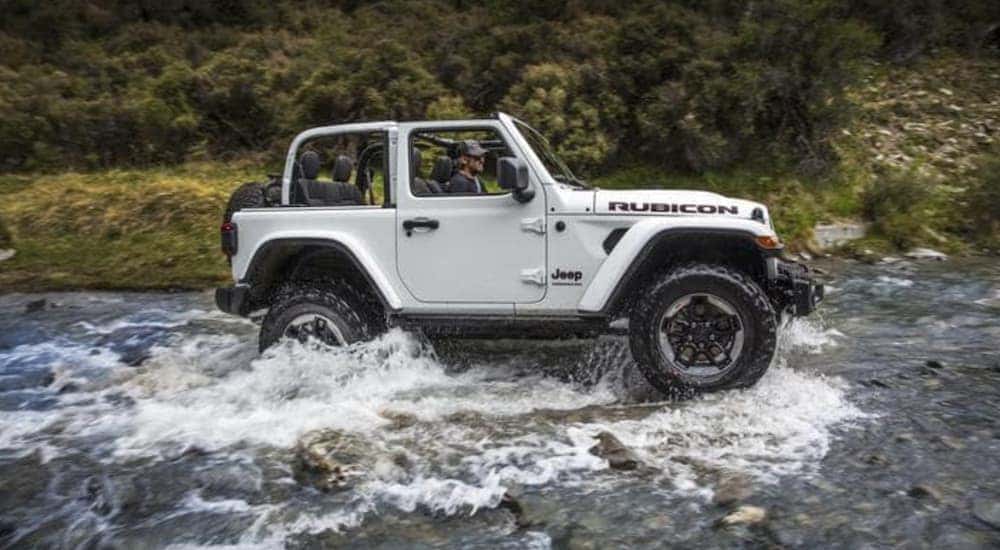
The Jeep Wrangler is iconic for its off-road power. Owners love its simple design and strong engines. The JK (2007–2018) and JL (2018–present) models are known for improved reliability compared to older versions.
- JK Generation: The 3.6L Pentastar V6 engine is long-lasting, with many Wranglers reaching over 200,000 miles.
- JL Generation: Introduced better electronics and fewer recalls.
Key strengths: Durable engines, easy to repair, strong resale value.
Weaknesses: Some minor electrical issues, rough ride on highways.
Jeep Grand Cherokee (2011–2021)
The Grand Cherokee blends comfort with off-road skill. The 2011–2021 models (especially with the 3.6L V6) have fewer major problems than earlier versions.
- Engine: 3.6L V6 is reliable; diesel and V8s are more complex.
- Transmission: 8-speed automatic is smooth and proven.
Key strengths: Comfortable ride, good safety ratings, strong engine.
Weaknesses: Air suspension (on some trims) can be costly to repair.
Jeep Cherokee (2014–2022)
The Cherokee is a compact SUV with a focus on daily driving. The 2.4L Tigershark and 3.2L Pentastar V6 engines are the best choices for reliability.
- Transmission: 9-speed automatic had early issues, but later models improved.
Key strengths: Good fuel economy, comfortable interior, easy to maintain.
Weaknesses: Avoid the first two years (2014–2015) due to transmission recalls.
Jeep Compass (2017–present)
The Compass is smaller but practical. The 2.4L Tigershark engine is simple and reliable if serviced regularly.
Key strengths: Affordable parts, easy handling, modern safety features.
Weaknesses: Transmission can be noisy, not as rugged as other Jeeps.
Jeep Reliability Compared To Other Brands
How does Jeep compare with other brands? Here’s a quick look:
| Brand | Average Reliability Score (out of 100) | Typical Lifespan (miles) |
|---|---|---|
| Toyota | 85 | 250,000+ |
| Honda | 82 | 220,000+ |
| Jeep | 71 | 180,000–200,000 |
| Ford | 73 | 180,000 |
Jeep’s overall reliability is decent, but not at the top. Still, some models (like the Wrangler and Grand Cherokee) score higher than average.
Common Reliability Issues And How To Avoid Them
Even reliable Jeeps can develop issues. Here are common problems and how to manage them:
- Electrical faults: Often caused by water leaks or poor battery connections. Regular checks prevent surprises.
- Transmission problems: Mainly in early Cherokees and Compasses. Choose later model years.
- Rust: Older Wranglers may rust underneath. Rustproofing helps, especially in snowy areas.
- Suspension wear: Grand Cherokees with air suspension may need costly repairs after 100,000 miles.
Pro tip: Always check the Jeep’s service history before buying, and consider a pre-purchase inspection.
Which Jeep Is Most Reliable For You?
Choosing the most reliable Jeep depends on your needs. Here’s a simple guide to match your lifestyle:
| Need | Recommended Jeep | Why |
|---|---|---|
| Daily driving, city | Cherokee or Compass | Comfortable, good on gas, easy to park |
| Family trips, road safety | Grand Cherokee | Spacious, strong safety ratings, good ride |
| Off-road adventure | Wrangler | Best off-road, simple mechanics, holds value |
| Budget-friendly SUV | Used Compass | Lower prices, affordable repairs |
Two Insights Beginners Often Miss
First, service history matters more than model year. A well-maintained older Jeep often outlasts a newer one with poor care. Second, avoid rare engine or transmission options. Sticking to the common engines (like the 3.6L V6) means easier repairs and more parts availability.
Real-world Example
Consider a 2017 Jeep Wrangler with regular oil changes and no major accidents. Owners report reaching 200,000 miles with only minor repairs. But a 2015 Cherokee with a troubled 9-speed transmission may need expensive work before 100,000 miles. This shows why it’s important to research specific years and engines—not just the model name.
Tips For Buying A Reliable Jeep
- Check recall history: Use the VIN to see if all recalls were fixed.
- Ask for maintenance records: Consistent oil changes and fluid checks are signs of care.
- Inspect for rust and leaks: Underbody rust can lead to bigger problems.
- Test all electronics: Make sure windows, locks, and lights work well.
For more detailed Jeep reliability data, visit the Consumer Reports Jeep page.
Frequently Asked Questions
What Jeep Model Lasts The Longest?
The Jeep Wrangler (especially with the 3.6L V6) is known for high mileage, often reaching over 200,000 miles with good care.
Are Older Jeeps More Reliable Than Newer Ones?
It depends. Older Jeeps are simpler and easier to repair, but newer models (like the JL Wrangler or 2011+ Grand Cherokee) have improved reliability and safety.
Which Jeep Has The Lowest Maintenance Cost?
The Jeep Compass and Cherokee with the 2.4L engine usually have lower repair costs because of simpler parts and design.
Is The Jeep Grand Cherokee Reliable?
Yes, especially the 2011–2021 models with the 3. 6L V6 engine. Avoid models with complex air suspension unless service records are strong.
What Is The Biggest Mistake When Buying A Used Jeep?
Many buyers skip checking the transmission and underbody for rust. Always inspect these and get a full service history before buying.
Finding a reliable Jeep means balancing your needs, budget, and a bit of research. With the right choice, your Jeep can deliver both adventure and peace of mind for years.