For many drivers, the Jeep Liberty seems like a good choice for adventure and daily use. With its tough look and Jeep’s reputation, it promises both off-road fun and city reliability. But how reliable is a Jeep Liberty in real life? Before you buy one or keep your current model, it’s smart to know the facts—good and bad. This guide explores how the Jeep Liberty performs over time, its common issues, and what owners really think.
Jeep Liberty At A Glance
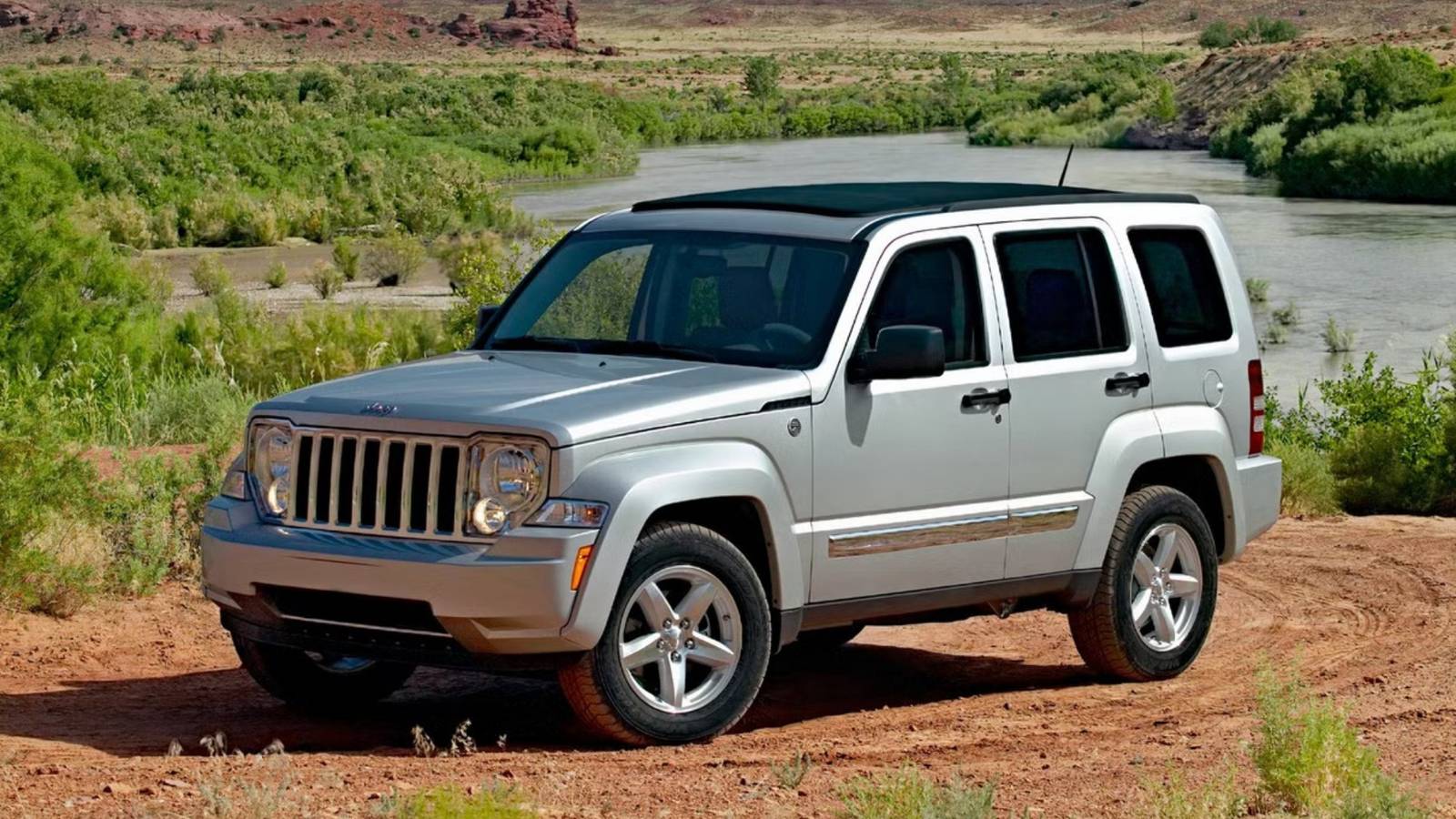
The Jeep Liberty was produced from 2002 to 2012. It was designed as a compact SUV to fit between the smaller Jeep Compass and the larger Grand Cherokee. Over the years, the Liberty had two main generations:
| Generation | Model Years | Main Engines |
|---|---|---|
| First | 2002-2007 | 2.4L I4, 3.7L V6, 2.8L Diesel (limited) |
| Second | 2008-2012 | 3.7L V6 |
The Liberty was popular for its off-road ability and roomy interior. However, reliability is more than just comfort and power.

Reliability Ratings And Owner Experiences
Many car experts and owners have shared their views on the Jeep Liberty’s reliability. Here are some facts:
| Source | Reliability Score | Notes |
|---|---|---|
| J.D. Power | 2.5/5 | Average for its class |
| RepairPal | 3.5/5 | Above average cost to repair |
| Consumer Reports | Below average | Low owner satisfaction |
Owners often say the Liberty is dependable if well maintained. However, it can have more problems than some competitors. Many owners keep their Liberty for over 100,000 miles, but repairs are sometimes needed more often.
Common Issues With Jeep Liberty
The Liberty is not trouble-free. Here are the most common problems:
1. Window Regulator Failure
Many owners report that power windows stop working, often due to a broken regulator.
2. Suspension And Ball Joint Wear
Early models, especially before 2007, had recalls for lower ball joints. Worn parts can cause steering problems.
3. Transmission Problems
Some Libertys have shifting issues or leaks, especially after 100,000 miles.
4. Engine Misfires Or Rough Idle
The 3. 7L V6 engine is strong but sometimes misfires due to coil or spark plug failure.
5. Electrical Problems
Door locks, sensors, and dashboard lights can act up, sometimes needing professional help to fix.
One non-obvious insight: Rust is a hidden problem, especially on 2002-2005 models in snowy regions. The frame and lower body can rust early if not protected.
Cost Of Ownership
Jeep Liberty’s maintenance and repair costs are higher than some rivals. Here’s a quick look at typical costs:
| Service | Average Cost | Frequency |
|---|---|---|
| Oil Change | $40-$70 | Every 5,000 miles |
| Brake Pad Replacement | $250-$350 | Every 30,000-50,000 miles |
| Transmission Repair | $1,200-$2,500 | As needed (after 100,000 miles common) |
| Window Regulator | $200-$400 | As needed |
Another detail most beginners miss: Parts availability is good, but labor can be expensive because some repairs require removing many parts to reach the problem.
How The Jeep Liberty Compares
When choosing an older SUV, buyers often compare the Jeep Liberty with others like the Honda CR-V, Toyota RAV4, and Ford Escape. Here’s how they stack up:
| Model | Reliability | Repair Cost | Off-Road Ability |
|---|---|---|---|
| Jeep Liberty | Below average | High | Excellent |
| Honda CR-V | Above average | Low | Poor |
| Toyota RAV4 | High | Low | Fair |
| Ford Escape | Average | Medium | Fair |
The Liberty stands out for off-road driving, but its reliability and cost of repairs are not as strong as Honda or Toyota options.
How To Keep A Jeep Liberty Reliable
If you own or plan to buy a Jeep Liberty, these tips can help reduce problems:
1. Follow The Maintenance Schedule
Change oil, fluids, and filters on time.
2. Check For Rust
Inspect the frame and underbody, especially if you live where roads are salted.
3. Act On Warning Signs Early
Fix small issues before they become big, expensive repairs.
4. Use Quality Parts
Cheap replacements can fail quickly. Stick to original or trusted brands.
5. Find A Jeep Specialist
Mechanics familiar with Jeeps often spot problems others miss.

Is The Jeep Liberty Right For You?
The Jeep Liberty has a loyal fan base, especially among drivers who love the outdoors. It handles rough roads well and feels solid. But, if you want a low-cost, trouble-free SUV for city driving, there are better choices. The Liberty is best for those ready to do regular maintenance and accept the higher chance of repairs.
If you need more details, the Wikipedia page on Jeep Liberty offers a full history and technical data.
Frequently Asked Questions
Is The Jeep Liberty Expensive To Maintain?
The Jeep Liberty costs more to maintain than most compact SUVs. Common repairs like window regulators and suspension parts add up. Regular upkeep can help control costs.
How Long Does A Jeep Liberty Last?
With good care, many Libertys reach 150,000 to 200,000 miles. However, some owners report major repairs after 100,000 miles, so maintenance is key.
Are There Any Model Years To Avoid?
The 2002-2007 models had more recalls and issues, especially with suspension and rust. The 2008-2012 models are often more reliable, but all years need careful inspection.
Is The Jeep Liberty Good For Off-road Driving?
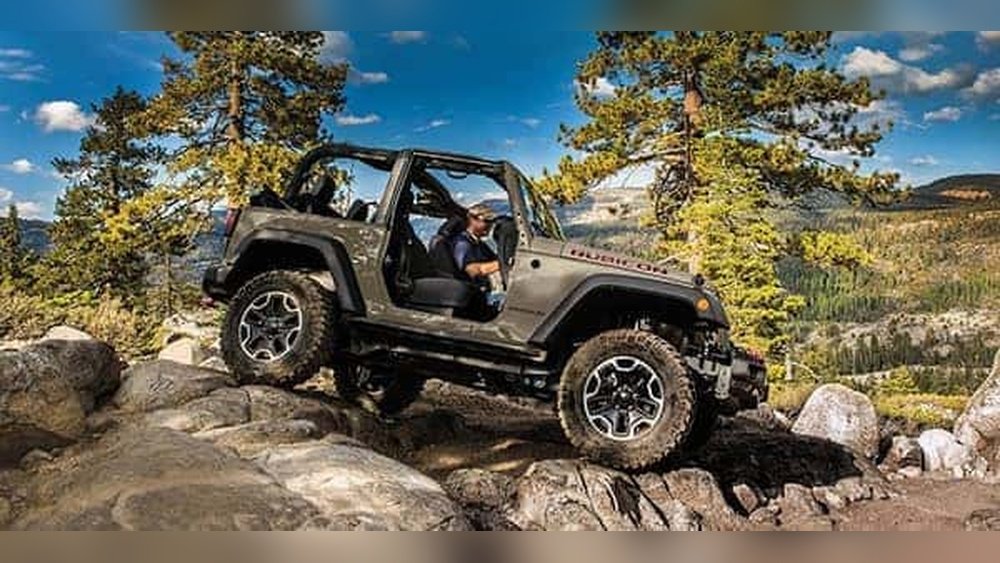
Yes, the Liberty is one of the best small SUVs for off-road use. Its strong frame, available four-wheel drive, and high ground clearance set it apart from rivals.
What Are The Signs Of Common Jeep Liberty Problems?
Watch for power windows that stop working, clunking noises from the suspension, warning lights on the dash, or rough shifting. These are early signs that you need repairs.
The Jeep Liberty is a solid SUV for the right owner—someone who values adventure and is ready for some hands-on care. If reliability is your top concern, compare it carefully with other options before you decide.