If you drive a Jeep, you know how important tire pressure is. Whether you take your Jeep off-road or stick to city streets, having the right tire pressure keeps your ride safe, smooth, and efficient. Under-inflated tires can hurt fuel economy and cause uneven wear.
Over-inflated tires make your Jeep harder to handle and increase the risk of a blowout. Learning how to inflate Jeep tires is a skill every owner should master. This guide shows you step-by-step, with practical tips, common mistakes, and expert advice.
Understanding Jeep Tire Pressure
Before inflating your tires, you need to know the correct pressure. Most Jeeps recommend 35 PSI (pounds per square inch) for standard tires, but this can change based on your model or tire type. Always check the sticker inside the driver’s door or your owner’s manual.
| Jeep Model | Recommended PSI | Tire Size |
|---|---|---|
| Wrangler | 35 | 255/75R17 |
| Grand Cherokee | 36 | 265/60R18 |
| Compass | 33 | 225/60R17 |
Tip: Off-road driving often requires lower pressure for better grip. After off-roading, always re-inflate to the recommended PSI before highway driving.
Tools You Need For Inflating Jeep Tires
You don’t need fancy tools, but having the right equipment makes the job faster and safer.
- Tire pressure gauge – Digital or analog, this checks your PSI.
- Air compressor – Portable models are handy for road trips.
- Valve stem tool – Useful if you need to replace the valve.
- Gloves – Protect your hands, especially in cold weather.
| Tool | Purpose | Average Price (USD) |
|---|---|---|
| Tire Pressure Gauge | Measure PSI | $10-$25 |
| Portable Air Compressor | Inflate Tires | $40-$120 |
| Valve Stem Tool | Replace Valve Core | $5-$10 |
Many beginners forget to check if their air compressor fits their Jeep’s tire valve. Always confirm compatibility before buying.

Step-by-step: How To Inflate Jeep Tires
Inflating Jeep tires is simple if you follow these steps:
- Park your Jeep on level ground. This helps you get an accurate reading.
- Remove the valve cap from the tire you want to inflate.
- Check current pressure with your tire gauge.
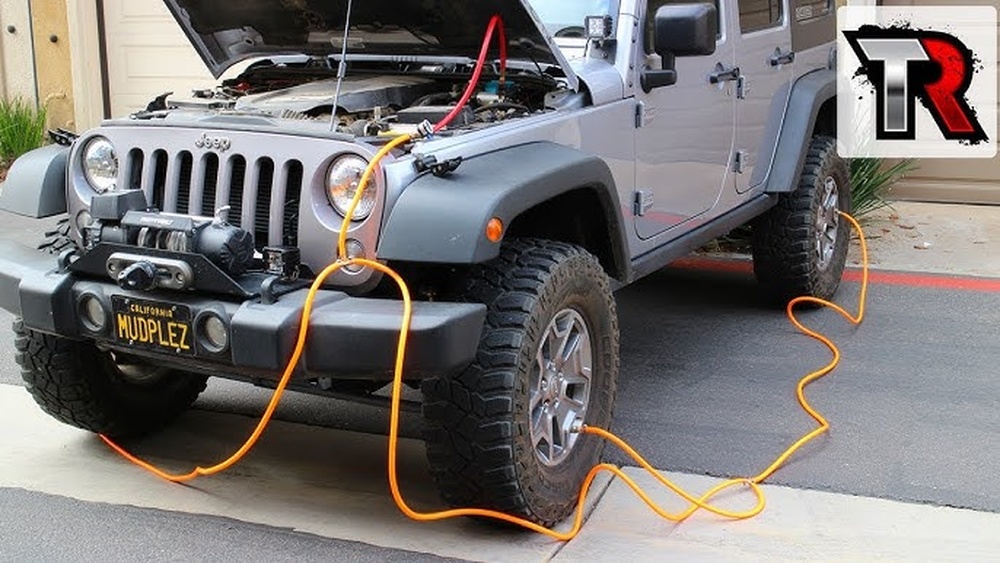
- Connect the air compressor hose to the valve stem.
- Turn on the compressor and add air in short bursts.
- Re-check the pressure after each burst to avoid over-inflation.
- Repeat for each tire.
- Replace the valve cap after you finish.
Example: Inflating After Off-road
Suppose you lowered your tires to 18 PSI for a trail. Back on pavement, you need to re-inflate to 35 PSI:
- Attach the compressor.
- Inflate until you reach 35 PSI.
- Check all four tires. Uneven pressure can make your Jeep pull to one side.
Common Mistakes And How To Avoid Them
Many Jeep owners make simple errors that affect safety and performance.
Over-inflating – Adding too much air can cause tires to wear quickly in the center and reduce traction.
Under-inflating – Not enough air means poor fuel economy and more tire wear on the edges.
Not checking all tires – It’s easy to forget the spare, but it’s just as important.
Using inaccurate gauges – Cheap gauges can be wrong by 2-4 PSI. Invest in a reliable one.
Inflating when tires are hot – Heat increases pressure. Always check and inflate tires when they’re cold for best accuracy.
| Mistake | Impact | Easy Fix |
|---|---|---|
| Over-inflating | Less traction, faster wear | Check after each burst |
| Under-inflating | Poor economy, uneven wear | Use accurate gauge |
| Hot tires | Wrong PSI reading | Inflate when cold |

Extra Tips For Jeep Owners
- Carry a portable air compressor if you travel off-road. It saves time and headaches.
- Check tire pressure monthly. Temperature changes affect PSI.
- Rotate your tires every 5,000 miles to spread wear evenly.
- For deeper info on tire care, visit the Consumer Reports tire guide.
A common insight is that tire pressure drops faster in cold climates. In winter, check your Jeep’s tires more often.
Another tip: Some Jeep tires have larger sidewalls. These need careful monitoring, as they flex more and can hide low pressure until it’s dangerous.
Frequently Asked Questions
How Often Should I Check Jeep Tire Pressure?
Check at least once a month, and before any long trip or off-road adventure. Extreme temperatures can change tire pressure quickly.
Can I Use A Gas Station Air Pump For My Jeep?
Yes, but check the PSI and avoid over-inflation. Gas station pumps may inflate faster, so monitor carefully.
What Happens If I Drive With Low Tire Pressure?
Low pressure makes your Jeep harder to handle, increases fuel use, and can cause tire failure. Always inflate to the recommended PSI.
Do I Need To Inflate The Spare Tire?
Absolutely. If your spare is flat when you need it, you’re stuck. Check and inflate the spare during regular maintenance.
How Do I Know If My Tire Gauge Is Accurate?
Compare your gauge’s reading with a trusted mechanic or buy a quality digital model. Avoid very cheap gauges, as they often give incorrect PSI.
Keeping your Jeep tires properly inflated is simple, but it makes a big difference in safety and performance. With the right tools and knowledge, you can avoid common mistakes, save money, and enjoy every drive. Whether you’re cruising highways or exploring trails, tire care is a key part of Jeep ownership.
Always check your PSI, carry an air compressor, and never neglect your spare. These small steps keep your Jeep ready for any adventure.