Replacing the radiator in a 2006 Jeep Commander is a job many owners can handle with basic tools and patience. A faulty radiator can cause overheating, leaks, or engine damage, so changing it quickly is important. This guide will walk you through every step, highlight common mistakes, and offer practical advice to make the process smoother. If you’re new to car repairs, don’t worry—each section uses simple words and clear instructions.
Preparing For Radiator Replacement
Before starting, gather these tools:
- Socket set (mainly 10mm, 13mm)
- Screwdrivers
- Drain pan
- Pliers
- New radiator
- Coolant (about 2 gallons)
- Safety gloves
Check that your replacement radiator matches the 2006 Jeep Commander. Compare hose locations and mounting points. If you use the wrong radiator, installation will be difficult and may cause leaks.
Safety And Workspace
Work in a well-lit area. Let the engine cool fully—hot coolant can burn your skin. Place the drain pan under the radiator to catch old coolant.
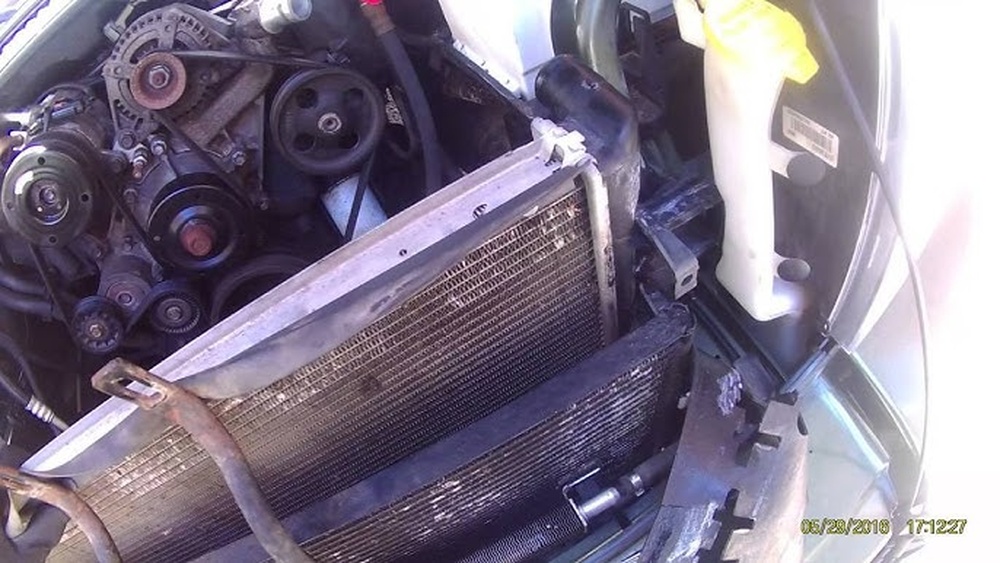
Step-by-step Radiator Removal
- Disconnect Battery: Remove the negative cable. This prevents accidental shorts.
- Drain Coolant: Open the radiator cap, then loosen the drain valve at the bottom. Direct coolant into your pan. If your Jeep has no drain valve, remove the lower hose to drain.
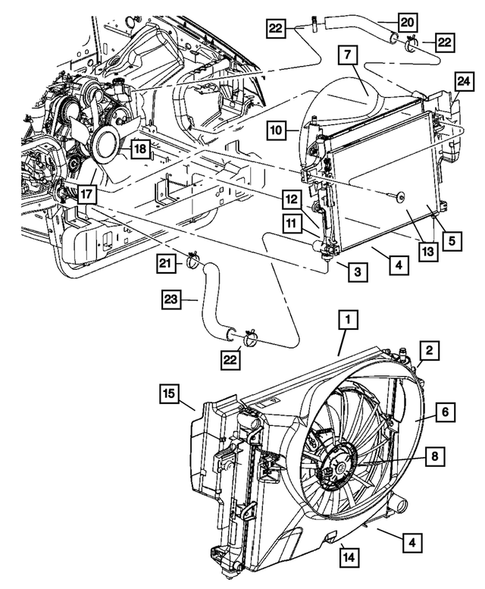
- Remove Air Intake and Fan Shroud: Unscrew and lift out the air intake duct. Take off the fan shroud bolts (usually at the top). Move the shroud up and out.
- Detach Radiator Hoses: Use pliers to loosen hose clamps. Twist and pull hoses off. Some hoses may stick—avoid sharp tools, as these can damage the hose.
- Disconnect Transmission Cooler Lines: If your Commander has an automatic transmission, it will have two metal lines attached. Use open-end wrenches to loosen. Place a rag underneath to catch drips.
- Remove Mounting Bolts: Locate the four radiator bolts (two at the top, two at the bottom). Use your socket set to remove.
- Lift Out Radiator: Carefully lift the radiator straight up. It may need wiggling. Be gentle—damaging the cooling fins can affect performance.
Installing The New Radiator
- Check Fit: Before lowering in, compare the old and new radiators. Make sure hose fittings and mounting holes match.
- Lower Radiator in Place: Align with mounting holes. Insert bolts and tighten snugly—do not overtighten.
- Reconnect Transmission Cooler Lines: Tighten carefully. If you see leaks after installation, re-tighten or replace seals.
- Attach Hoses: Slide hoses onto fittings, secure clamps. If hoses look worn, replace them. Old hoses can crack and cause leaks.
- Install Fan Shroud and Air Intake: Reverse the removal steps. Make sure nothing touches the radiator’s cooling fins.
- Reconnect Battery: Attach negative cable.
Refilling And Bleeding Coolant
Use a 50/50 mix of coolant and water. Pour slowly, checking the level. Start the engine with the radiator cap off, and let it reach normal temperature. Watch for bubbles—these mean air is escaping. Once bubbling stops, add more coolant if needed and close the cap.
Coolant Capacity Comparison
Here’s how the Jeep Commander compares to other SUVs:
| Vehicle | Coolant Capacity (Gallons) | Bleeding Difficulty |
|---|---|---|
| 2006 Jeep Commander | 2.0 | Medium |
| Ford Explorer | 2.3 | Easy |
| Chevy Trailblazer | 2.2 | Hard |

Testing After Installation
Let the engine run for 10-15 minutes. Check for leaks under the radiator and hoses. Watch the temperature gauge—if it rises above normal, shut off the engine. Inspect hose connections and cooler lines.
Common Mistakes And How To Avoid Them
- Not letting engine cool: Hot coolant can cause severe burns.
- Forgetting to bleed air: Air pockets can make your engine overheat.
- Using wrong coolant type: Always use HOAT coolant for Jeep Commanders. Mixing coolants can lead to corrosion.
- Overtightening bolts: This can crack plastic tanks on the radiator.
Cost And Time Estimates
A radiator for a 2006 Jeep Commander costs about $150–$250. Labor at a shop can add another $300–$500. Doing it yourself saves money and usually takes 2–3 hours.
Diy Vs Shop Replacement Comparison
| Method | Cost | Time Required | Skill Needed |
|---|---|---|---|
| DIY | $150–$250 | 2–3 hours | Medium |
| Shop | $450–$750 | 1 day | Low |

Extra Tips For Beginners
- Take photos as you remove parts. It helps you remember where everything goes.
- Place bolts and small items in a cup or tray.
- Inspect hoses, clamps, and fan shroud for wear. Replace as needed.
- If coolant is old or rusty, flush the system before installing the new radiator.
One non-obvious insight: If your Jeep’s radiator fails, check the thermostat and water pump. Sometimes these fail together.
Another tip: Buy quality clamps. Cheap clamps can loosen over time, causing leaks.
Frequently Asked Questions
How Do I Know My Radiator Needs Replacing?
If your Jeep overheats, leaks coolant, or has rust inside the radiator, it’s time to replace. A mechanic can test for internal leaks with a pressure test.
Can I Reuse Old Coolant?
It’s best not to reuse coolant. Old coolant may have debris or lost its corrosion protection. Always use fresh coolant.
Is Bleeding Air From The System Necessary?
Yes. Air pockets can make the engine overheat. Run the engine with the cap off and watch for bubbles. If bubbles continue, squeeze the upper hose gently.
Do I Need To Replace Hoses When Changing The Radiator?
Not always, but if hoses are soft, cracked, or more than five years old, replace them. New hoses prevent leaks and future breakdowns.
Where Can I Find Official Jeep Commander Repair Guides?
Visit the Jeep Owners Manuals page for official repair guides and specs.
Replacing a radiator may seem complex, but with careful steps and patience, you can do it yourself and keep your 2006 Jeep Commander running cool. Take your time, double-check each step, and enjoy the satisfaction of successful car repair.