Stepping into a 4×4 Jeep is a thrilling experience for both new and seasoned drivers. These vehicles are designed for tough roads and wild terrain, but using their features the right way is key for safety and performance. If you’re new to off-roading or want to understand your Jeep better, learning how to use each 4×4 function is essential. This guide explains the four main 4×4 modes in a Jeep, when to use them, and the benefits and risks of each. Whether you’re planning a mountain adventure or preparing for snowy roads, mastering these controls will help you drive with confidence.
Understanding 4×4 Basics
A 4×4 system means all four wheels get power from the engine at the same time. This gives you more grip on rough or slippery surfaces. Most Jeeps offer different 4×4 settings you can switch between, depending on the road conditions.
Many people think they need to use 4×4 all the time, but actually, using the wrong mode can damage your vehicle and waste fuel. Let’s break down the four main 4×4 Jeep modes and how to use each one properly.
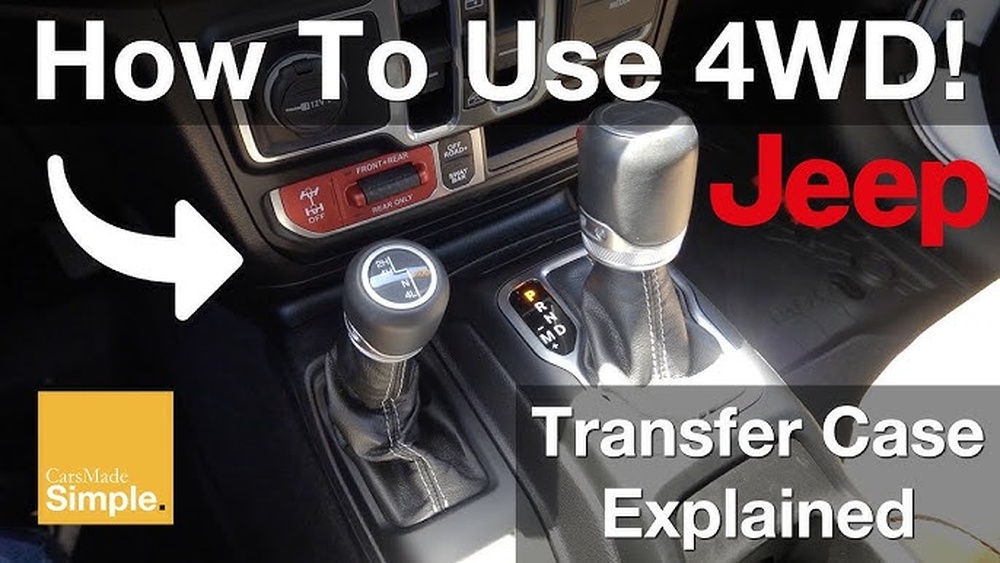
1. 2h (two-wheel Drive High)
2H is the default driving mode for most Jeeps. In this mode, only the rear wheels get power. It’s best for:
- Dry, paved roads
- Normal city driving
- Highway speeds
Driving in 2H gives you better fuel economy and less wear on your tires and drivetrain. Many drivers forget to switch back to 2H after off-roading, which can lead to unnecessary stress on the parts.
When To Avoid 2h
Do not use 2H on slippery, muddy, or icy roads. The lack of extra grip can make you lose control.

2. 4h (four-wheel Drive High)
4H sends power to all four wheels. This is the setting for mild off-road conditions or slippery roads. Use 4H when you need more traction, such as:
- Rainy, snowy, or icy roads
- Gravel or dirt roads
- Light off-road trails
You can switch to 4H while moving (usually up to 55 mph), but always check your Jeep’s manual for the exact speed. 4H keeps all wheels spinning at the same speed, which is great for loose surfaces but can cause problems on dry pavement.
Important Tip
Never use 4H on dry concrete or asphalt. The drivetrain can bind and get damaged. This is called “driveline windup,” and it can be expensive to fix.
3. 4l (four-wheel Drive Low)
4L is for serious off-roading and slow, controlled driving. It uses lower gears to deliver more torque, which helps you climb steep hills, crawl over rocks, or get out of deep mud and sand. Use 4L only when:
- Driving under 25 mph
- Crossing streams, deep snow, or heavy mud
- Descending or climbing very steep terrain
Switching to 4L requires your Jeep to be in neutral and at a complete stop. Many beginners try to shift into 4L while moving, which can cause major transmission problems.
Real-life Example
If you’re crossing a rocky riverbed, 4L gives you better control and prevents your wheels from spinning too fast. Remember, it’s not for speed but for maximum traction and control.
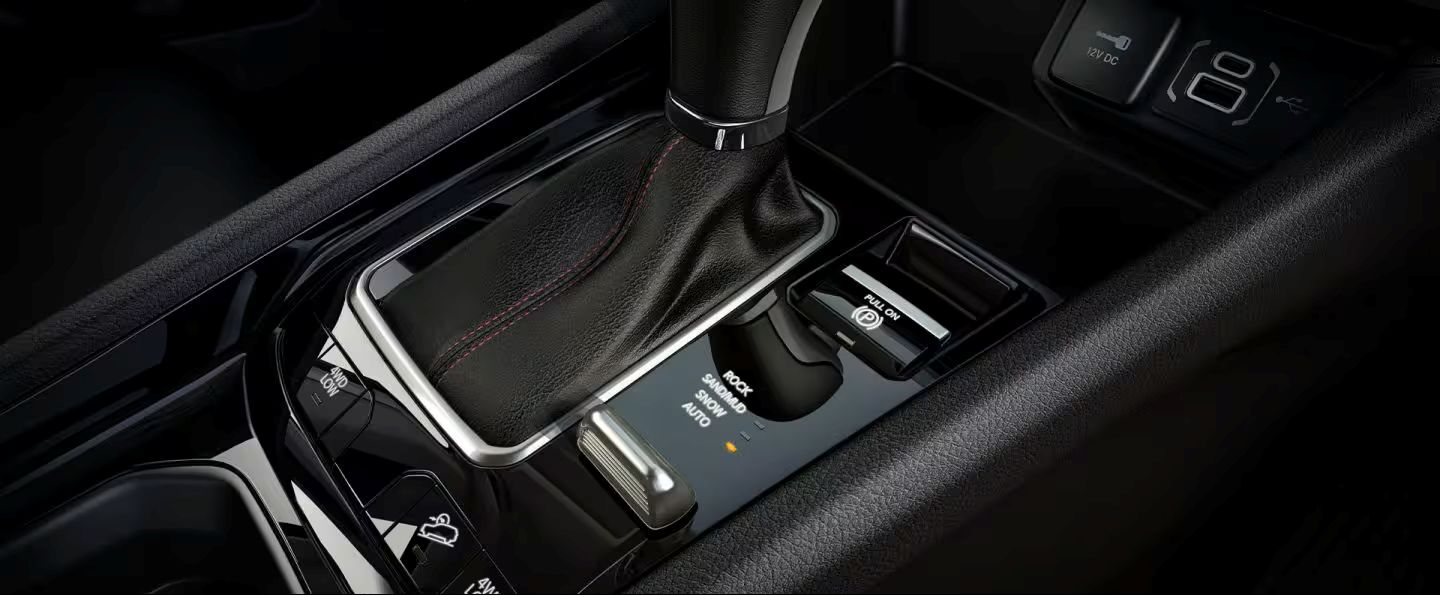
4. Neutral (n)
The Neutral (N) setting in the transfer case isn’t the same as the neutral gear in your main transmission. In this mode, the Jeep’s engine is disconnected from the wheels. You’ll use this mode when:
- Towing your Jeep
- Flat-towing behind an RV
It’s crucial to use Neutral correctly. Forgetting to switch to N when towing can cause serious damage.
Common Mistake
People sometimes confuse the transmission’s neutral with the transfer case’s Neutral. Make sure you are using the correct one for safe towing.
Comparison Of 4×4 Modes
Here’s a quick comparison of when to use each mode:
| Mode | Best For | Max Speed | Main Benefit |
|---|---|---|---|
| 2H | Dry pavement | No limit | Fuel efficiency |
| 4H | Snow, dirt, sand | ~55 mph | Extra traction |
| 4L | Steep hills, mud | ~25 mph | Maximum torque |
| N | Towing only | Not for driving | Disconnects drivetrain |

Fuel Efficiency And 4×4 Mode
Many drivers worry about fuel consumption when using 4×4 modes. Here’s how each mode impacts your gas mileage:
| Mode | Estimated MPG Impact |
|---|---|
| 2H | Best (up to 25% better) |
| 4H | 5-15% worse |
| 4L | Lowest |
Using 4×4 only when needed saves you money and keeps your Jeep running smoothly.
Practical Tips For Using 4×4 Jeep Modes
- Practice switching between modes in a safe area before tackling tough terrain.
- Listen for unusual noises after shifting. Grinding or clunking means something is wrong.
- Regularly check your tires and fluid levels, especially after off-roading.
- Avoid sudden acceleration when in 4L to prevent wheel spin.
- Always read your Jeep’s manual. Some models have unique controls or speed limits.
Many beginners overlook the importance of tire pressure. Lowering your tire pressure off-road can improve traction, but always re-inflate before returning to highways.
Safety And Common Mistakes
Not every situation needs 4×4. Using 4H or 4L on dry pavement can damage your drivetrain and transfer case. Many new drivers also forget to shift back to 2H after off-roading, causing higher fuel use and wear.
Another mistake is thinking 4×4 makes you invincible. You still need to drive carefully on ice and steep hills. Even with all wheels powered, your Jeep can still slide or get stuck if you’re not careful.
Frequently Asked Questions
What Happens If I Use 4h On Dry Pavement?
Using 4H on dry roads can cause the drivetrain to bind, leading to expensive repairs. Only use 4H on loose or slippery surfaces.
Can I Switch From 2h To 4h While Driving?
Yes, most modern Jeeps let you shift from 2H to 4H while moving, usually up to 55 mph. Always check your manual for your model’s limit.
When Should I Use 4l?
Use 4L for slow, tough situations like deep mud, sand, or climbing/descending steep hills. It’s not meant for speed or regular roads.
Is It Safe To Tow My Jeep In 4h Or 4l?
No. Always use the transfer case’s Neutral (N) for towing. Towing in 4H or 4L can damage the drivetrain.
How Often Should I Use My Jeep’s 4×4 System?
Even if you don’t off-road often, engage your 4×4 modes every few months. This keeps the parts lubricated and working properly. For more expert advice, check out the Jeep Official 4×4 Guide.
Driving a 4×4 Jeep is about more than power—it’s about using the right tool for the right job. With these tips, you can explore new paths while keeping your Jeep in top shape. Enjoy the adventure, and always stay safe on the trails!