Stroking a 4. 0 Jeep engine is a popular project for Jeep owners who want more power and torque. This process increases the engine’s displacement, creating a stronger, more responsive ride—especially for off-roading or towing. But building a reliable stroker isn’t just about swapping a few parts.
You need to understand the right combination of components and avoid common pitfalls. If you’re considering this upgrade, here’s a clear, step-by-step guide to the 40 key parts and steps you’ll need.
1. Engine Block
Start with a solid 4.0L Jeep engine block. Make sure it’s free of cracks, especially between the cylinders, as this is a common weak spot.
2. Crankshaft
Swap in a 4.2L (258) crankshaft. This is the heart of the stroker build, increasing the stroke from 3.41 to 3.895 inches.
3. Connecting Rods
Use 4.0L connecting rods. They are strong enough and fit the pistons you’ll use.
4. Pistons
Select the correct pistons—usually custom or 4.0L pistons with a specific compression height to match the longer stroke.
5. Main Bearings
Upgrade to high-performance main bearings for reliability, especially if you plan to push the engine hard.
6. Rod Bearings
Choose quality rod bearings to handle the increased torque.
7. Piston Rings
Install gapless piston rings for better compression and less blow-by.
8. Camshaft
Pick a performance camshaft suited for your driving style—torque-focused for off-roading, or a hotter cam for high RPM.
9. Lifters
Use new lifters to ensure smooth valve operation and avoid early wear.
10. Timing Chain
A double-roller timing chain is stronger than stock and helps maintain accurate timing.
11. Timing Cover
Inspect and replace the timing cover if it’s worn or damaged.
12. Cylinder Head
The stock 4.0L head works, but porting the intake and exhaust runners can unlock more power.
13. Head Gasket
Install a multi-layer steel head gasket for better sealing under higher compression.
14. Intake Manifold
A ported intake manifold helps the stroker breathe better.
15. Exhaust Manifold
Upgrade to a header-style exhaust manifold for improved flow and power.
16. Fuel Injectors
Use larger fuel injectors (24lb/hr or higher) to match the increased airflow.
17. Fuel Pump
Upgrade the fuel pump to handle the higher fuel demand.
18. Throttle Body
A larger throttle body (60mm or more) improves throttle response.
19. Air Intake
Install a cold air intake to increase airflow and keep intake temperatures down.
20. Mass Airflow Sensor
Some setups benefit from a performance mass airflow sensor for more accurate fuel metering.
21. Engine Management
Consider a custom tune or programmable ECU to get the most from your build.
22. Spark Plugs
Use colder spark plugs to avoid detonation with higher compression.
23. Ignition Coil
Upgrade to a high-performance ignition coil for a stronger spark.
24. Plug Wires
Install low-resistance plug wires to reduce misfires.
25. Harmonic Balancer
A new or upgraded harmonic balancer helps control engine vibration.
26. Oil Pump
A high-volume oil pump ensures good lubrication for all moving parts.
27. Oil Pan
A deep sump oil pan prevents oil starvation during hard driving.
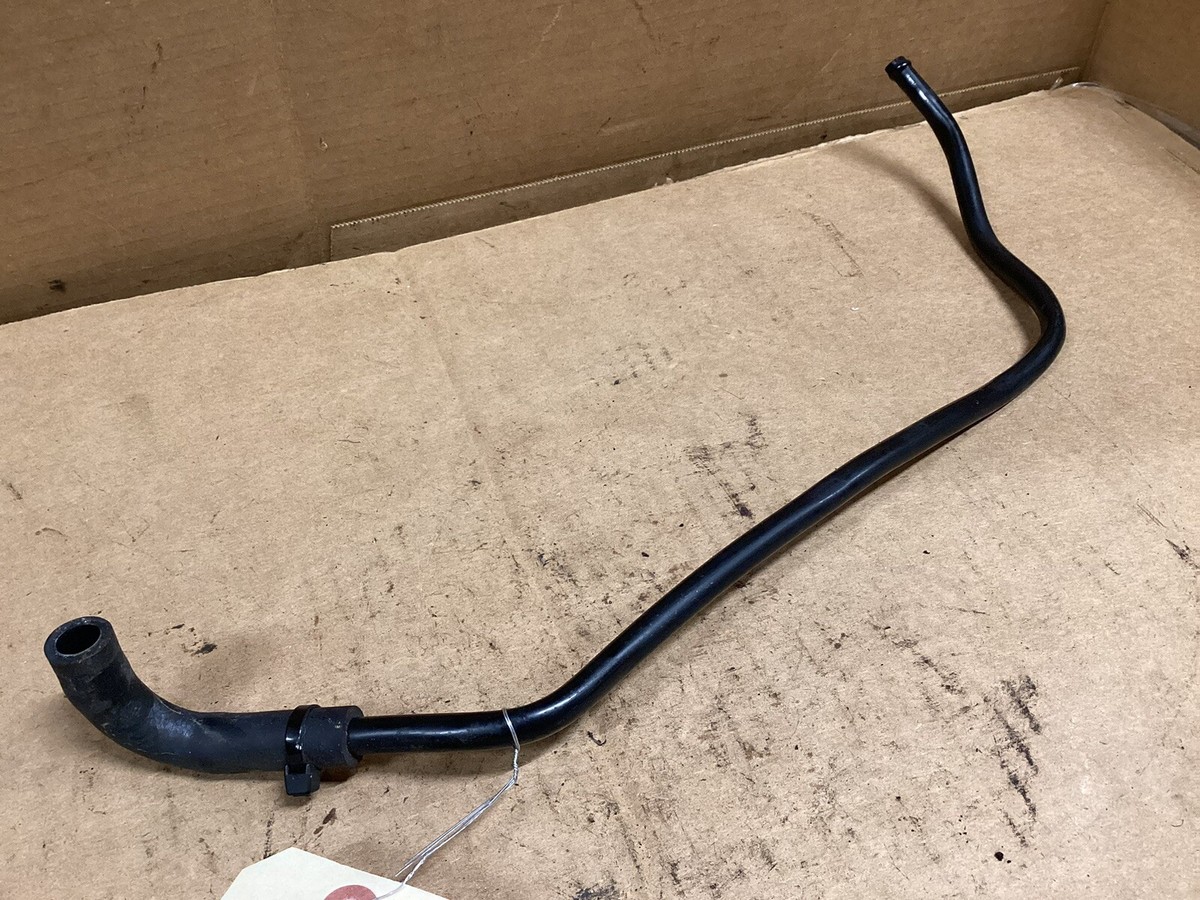
28. Water Pump
Install a high-flow water pump to keep the stroker cool.
29. Radiator
A larger radiator manages the extra heat from increased power.
30. Thermostat
Use a 180°F thermostat to keep operating temperatures in check.
31. Serpentine Belt
Replace with a new serpentine belt to avoid failures.
32. Gaskets And Seals
Use premium gaskets and seals throughout to prevent leaks.
33. Engine Mounts
Stronger polyurethane engine mounts help handle the extra torque.
34. Flywheel Or Flexplate
The flywheel (manual) or flexplate (automatic) must match your transmission and balance.
35. Clutch Or Torque Converter
Upgrade the clutch or torque converter for reliable power transfer.
36. Exhaust System
A free-flowing exhaust (2.5 inches or more) supports higher output.
37. Oxygen Sensors
Install new oxygen sensors for accurate fuel control.
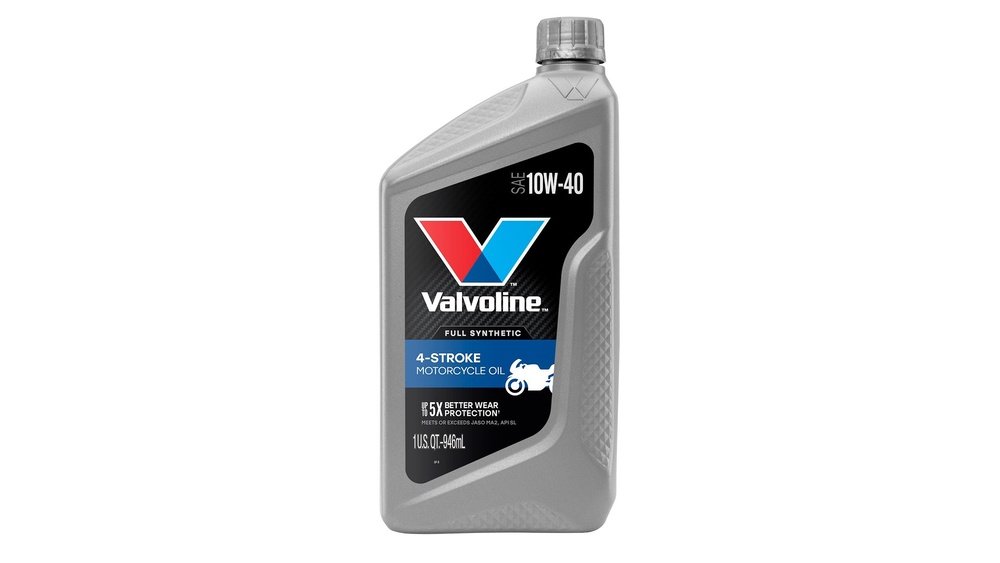
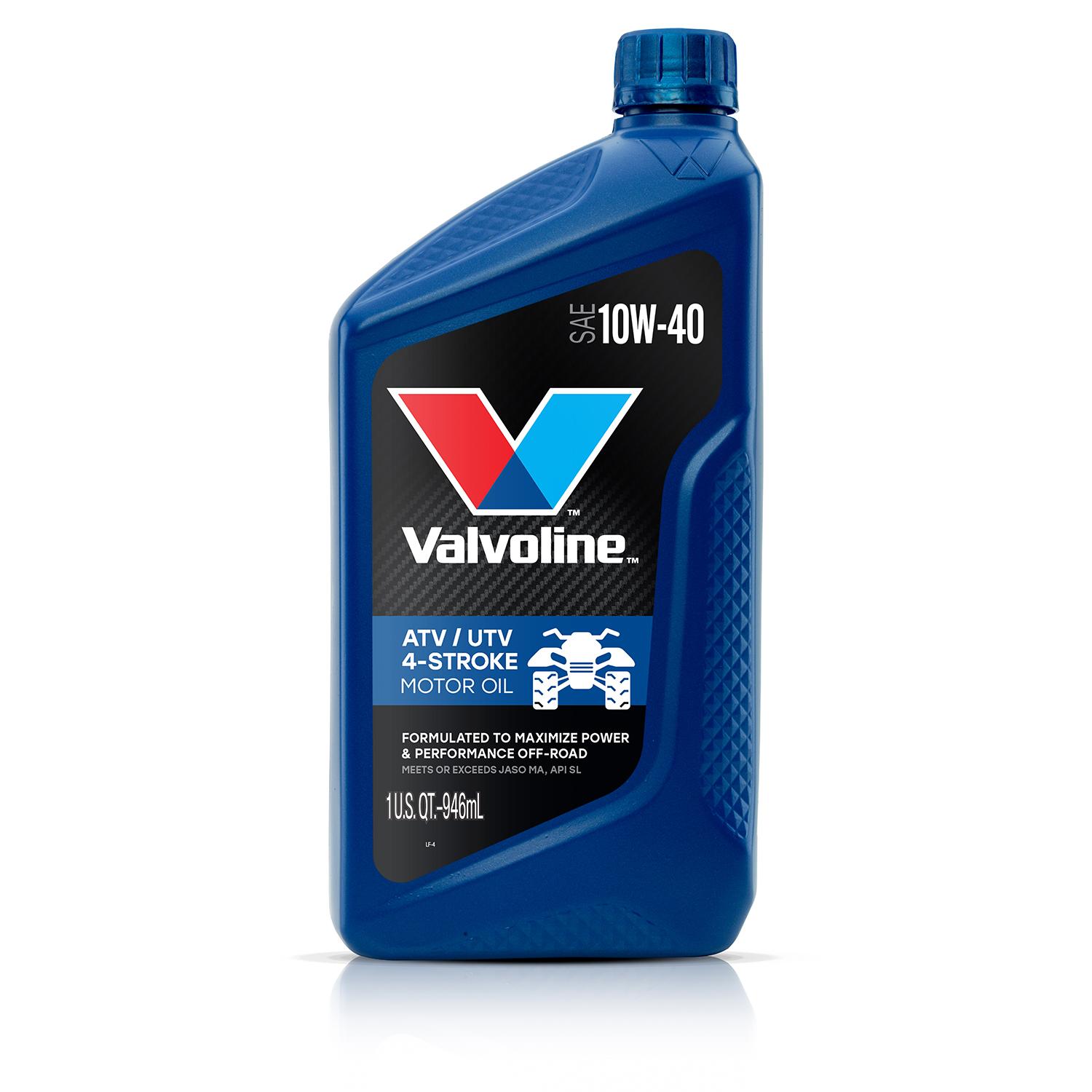
38. Engine Break-in Oil
Use special break-in oil for the first 500 miles to protect new components.
39. Assembly Lubricant
Apply assembly lube on all moving parts during build.
40. Engine Stand And Hoist
You’ll need an engine stand and hoist for safe assembly and installation.
Key Component Comparison
Here’s a quick look at three vital stroker parts and their differences:
| Component | Stock 4.0L | Stroker Upgrade |
|---|---|---|
| Crankshaft Stroke | 3.41 in | 3.895 in (4.2L) |
| Fuel Injectors | 19 lb/hr | 24–27 lb/hr |
| Throttle Body | 52 mm | 60 mm+ |
Assembly Process Overview
Building a stroker is more than just swapping parts. Here’s a brief outline:
- Clean and inspect the block.
- Test-fit the crankshaft, rods, and pistons.
- Check clearances (main, rod, piston-to-wall).
- Assemble bottom end with bearings, lube, and torque specs.
- Install camshaft, lifters, and timing set.
- Prepare and install the head.
- Set up intake, exhaust, and accessories.
- Prime oil system and break in according to best practices.
Common Mistakes To Avoid
- Using the wrong piston compression height—this can cause piston-to-head contact.
- Not upgrading the fuel system—running lean can quickly ruin your engine.
- Skipping a custom tune—factory ECUs won’t optimize a stroker’s potential.
- Over-tightening main caps—can cause binding or bearing failure.
Example Build Cost Breakdown
Here’s an approximate cost for the main parts:
| Part | Approximate Cost (USD) |
|---|---|
| Crankshaft (used) | $100-$250 |
| Pistons & Rings | $250-$400 |
| Camshaft | $200-$350 |
| Machine Work | $800-$1200 |
Final Thoughts
Stroking a 4.0 Jeep engine is a proven way to boost both horsepower and torque, making your Jeep more capable on and off-road. Success depends on choosing the right combination of parts and not cutting corners. Most beginners overlook details like fuel system upgrades or the need for a proper tune, but these are critical for a reliable, high-performing stroker. If you’re new to engine builds, consider getting help from a machine shop or Jeep specialist. For more technical details, see this AMC straight-6 engine overview.
Frequently Asked Questions
What Is The Main Benefit Of Stroking A 4.0 Jeep Engine?
You get increased displacement, which means more torque and power—especially at low RPMs.
How Much Horsepower Can I Expect?
With the right parts and tune, a stroker can make 240–270 horsepower and 320–350 lb-ft of torque.
Do I Need A New Ecu?
Not always, but a custom tune or standalone ECU is highly recommended for the best results.
Will Fuel Economy Change?
Expect slightly lower fuel economy due to more power and a richer fuel mixture.
Can I Use Regular Gas?
Most strokers run fine on regular gas if compression is kept reasonable. Higher compression builds may need premium.