If you drive a Jeep, you know the oil light is a small but important warning. When your Jeep tells you it’s time for an oil change, you should act soon. But even after changing the oil, sometimes the oil change light stays on. This can confuse many drivers. Resetting the oil light is simple once you know how. In this guide, you’ll learn step-by-step how to reset the oil light on most Jeep models, why it matters, and what to do if it doesn’t work. You’ll also see practical tips, useful data, and answers to common questions—so your Jeep stays healthy and safe.
Why Resetting The Oil Light Matters
The oil light isn’t just a reminder. It’s part of your Jeep’s maintenance system. When the oil light stays on after an oil change, your car’s computer still thinks the oil is old. This can cause:
- Incorrect maintenance schedules — Your Jeep may warn you too soon or too late.
- Reduced resale value — Buyers may worry about missed maintenance.
- Confusion for drivers — You might ignore future alerts, risking engine damage.
Resetting the oil light keeps your maintenance records accurate and helps your engine last longer.
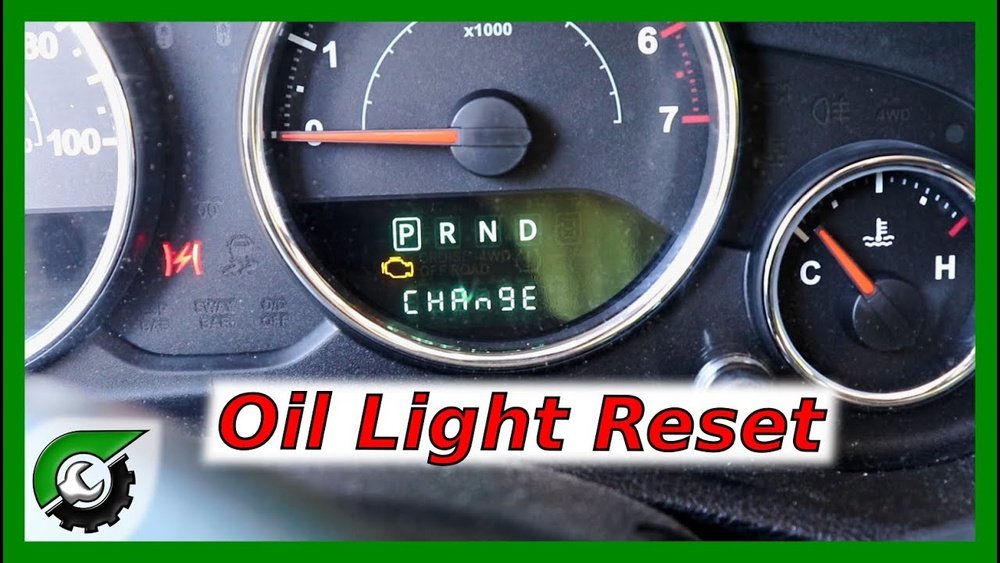
Step-by-step: How To Reset Jeep Oil Light
Different Jeep models use similar methods, but there are small differences. Here’s the most common way for models like Jeep Grand Cherokee, Wrangler, Compass, and Cherokee from the past decade.
- Put your Jeep in Park. Make sure the engine is off.
- Turn the ignition to ‘On’ (but don’t start the engine). For push-button systems, press the button twice without pressing the brake.
- Press the gas pedal three times. Within 10 seconds, press the accelerator all the way down, then release. Do this three times.
- Turn off the ignition. Wait a few seconds, then start the engine. The oil light should be gone.
This process resets the oil change reminder in most Jeep models from 2011 onward. For older Jeeps, check your owner’s manual or contact a dealer.

Jeep Oil Light Reset Methods: Model Comparison
Not all Jeeps use the same reset steps. Here’s a quick comparison:
| Model | Reset Method | Year Range |
|---|---|---|
| Grand Cherokee | Gas pedal x3 | 2011–2024 |
| Wrangler | Gas pedal x3 | 2011–2024 |
| Cherokee | Gas pedal x3 | 2014–2024 |
| Compass | Gas pedal x3 | 2017–2024 |
| Older models | Manual button/menu | Pre-2010 |
Some newer Jeeps may use a touchscreen or menu-based reset. Always check your manual if the standard method doesn’t work.
Common Problems And Solutions
Resetting the oil light usually takes less than a minute, but sometimes things go wrong. Here are the most frequent issues:
1. Oil Light Won’t Turn Off.
Double-check you pressed the gas pedal fully three times within 10 seconds. Try again more slowly.
2. Wrong Ignition Position.
Make sure the ignition is ‘On’ but the engine isn’t running.
3. Electrical Issues.
If your battery is weak or disconnected, the reset may not work. Check battery health first.
4. Dashboard Errors.
If other warning lights show, there may be a deeper problem. Visit a mechanic if needed.
5. Wrong Reset For Your Model.
Some Jeeps use a menu system. For example, the Grand Cherokee’s touchscreen can reset the oil light through ‘Vehicle Info’ > ‘Oil Life’ > ‘Reset’.
How Often Should You Change Jeep Oil?
Changing oil keeps your engine safe and efficient. Jeep recommends changing oil every 5,000–7,500 miles for most models. This depends on your driving style and climate.
Here’s a quick comparison of oil change intervals:
| Model | Recommended Interval | Oil Type |
|---|---|---|
| Grand Cherokee | 7,500 miles | Full Synthetic |
| Wrangler | 5,000 miles | Conventional/Synthetic |
| Cherokee | 7,500 miles | Full Synthetic |
| Compass | 5,000 miles | Conventional/Synthetic |
Many drivers forget the oil light is only a guide. Always check your oil level and quality—especially before long trips.
Real-world Example: Reset Didn’t Work
A Jeep Wrangler owner changed their oil but the light stayed on. After trying the pedal reset twice, nothing happened. The solution? The ignition was in ‘Run’ instead of ‘On’. They switched to ‘On’, repeated the steps, and the light finally reset.
This shows how small mistakes can cause frustration.

Practical Tips For Jeep Owners
- Always use manufacturer-recommended oil. Wrong oil can damage your engine.
- Record your oil changes and resets. This helps with resale and warranty claims.
- If your oil light comes back soon after reset, check for leaks or sensor problems.
- Don’t ignore warning lights. They protect your engine.
Jeep Oil Light Vs. Check Engine Light
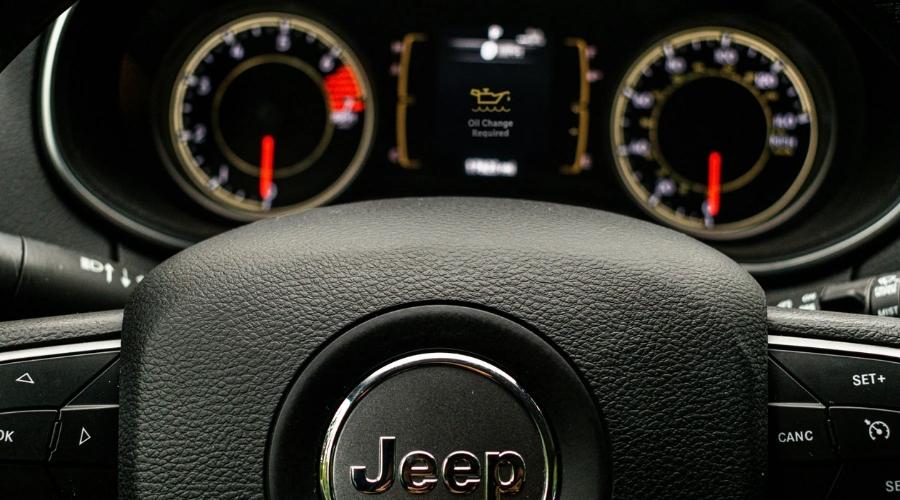
Some drivers confuse the oil light with the check engine light. The oil light means it’s time for an oil change or oil pressure is low. The check engine light covers many issues, from sensors to exhaust. Never ignore either, but always check your owner’s manual for details.
| Light | Meaning | Action Needed |
|---|---|---|
| Oil Light | Oil change due/low oil | Change oil, reset |
| Check Engine Light | Various engine issues | Diagnose error |
Frequently Asked Questions
How Do I Know If My Jeep Oil Light Reset Worked?
After reset, the oil change reminder should disappear from your dashboard or info screen. If it’s still there, repeat the process or check your manual.
Can I Drive With The Oil Light On?
You can drive for a short time, but it’s risky. The oil light means your oil is old or low. Driving too long can damage your engine.
What If The Oil Light Comes Back After Reset?
If the oil light returns soon, check for leaks, oil level, or sensor problems. Sometimes, a faulty sensor triggers the light. See a mechanic if you’re unsure.
Does The Reset Method Work For All Jeep Models?
Most newer Jeeps use the gas pedal method, but some older models need a manual or touchscreen reset. Always check your manual for details.
Where Can I Find Official Jeep Maintenance Info?
Visit the official Jeep website or trusted sources like Jeep Owners for accurate maintenance schedules and reset methods.
Resetting your Jeep oil light keeps your car healthy and your records clear. With these steps, you’ll avoid confusion and protect your engine. Always follow your manual, and don’t hesitate to ask a mechanic if you’re stuck. A simple reset saves time, money, and worry for all Jeep drivers.