What Does Jk Jeep Mean
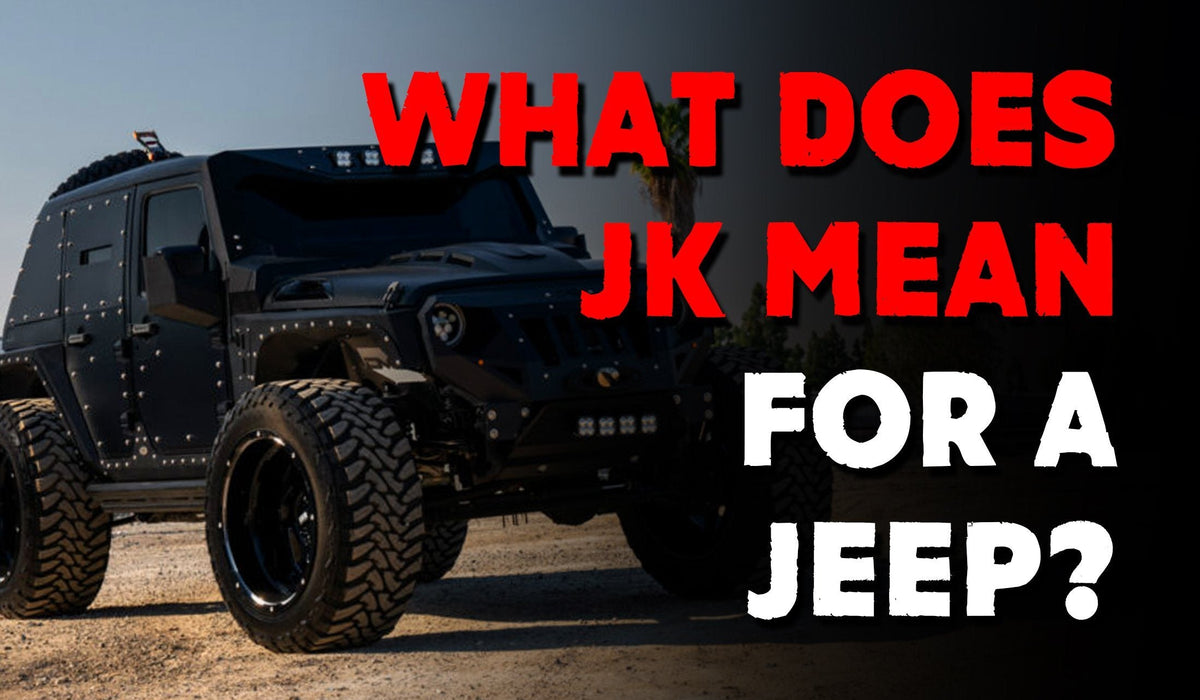
Many people hear the term JK Jeep when talking about off-road vehicles or Jeep communities. But what does it really mean? If you’re new to Jeeps, or you’re thinking about buying one, it can be confusing. Let’s break down the meaning, history, features, and why the JK Jeep is so popular among both beginners and experienced drivers.
The Meaning Of Jk Jeep
The JK Jeep refers specifically to a generation of the Jeep Wrangler produced from 2007 to 2018. The term “JK” is an internal code used by Jeep to identify this model. Jeep has used different codes for each Wrangler generation, like YJ, TJ, JK, and JL. So, when someone says “JK Jeep,” they mean the Wrangler built during those years.
“JK” doesn’t stand for a special phrase. It is simply a code chosen by Jeep engineers and is part of their tradition for naming vehicle generations. Understanding this code helps you talk confidently with Jeep owners and mechanics.

Jk Jeep Generations And Comparison
To see how the JK fits in the Wrangler family, here’s a comparison of the main Wrangler generations:
| Generation | Model Code | Years Produced | Main Features |
|---|---|---|---|
| YJ | YJ | 1987–1995 | Square headlights, leaf springs |
| TJ | TJ | 1997–2006 | Round headlights, coil springs |
| JK | JK | 2007–2018 | Wider body, modern features, 4-door option |
| JL | JL | 2018–Present | Updated design, advanced tech |
The JK Jeep stands out because it introduced many changes compared to older models. It was the first Wrangler to offer a four-door version, making it more family-friendly and practical.
Key Features Of The Jk Jeep
The JK Jeep brought several upgrades and new options to the Wrangler family. Here are the most important features:
- Two-door and four-door (Unlimited) versions: The four-door JK, called the Wrangler Unlimited, became very popular.
- Wider body: The JK is about 2 inches wider than the TJ, which means more interior space and stability.
- Improved suspension: The JK uses a coil-spring suspension for better ride comfort and off-road performance.
- Modern interior: Compared to older Wranglers, the JK offers more comfort, better seats, and more technology.
- Engine options: Most JK Jeeps have a 3.8L V6 or a 3.6L Pentastar V6 engine.
- Enhanced safety: Airbags, stronger roll bars, and better crash protection.
These features made the JK Jeep a favorite for both off-road enthusiasts and people who wanted a rugged SUV for daily driving.
Jk Jeep Trim Levels
The JK Jeep came in several trim levels. Each trim has different features, price points, and style. Here is a quick overview:
| Trim Level | Main Features | Target Buyers |
|---|---|---|
| Sport | Basic features, manual windows, cloth seats | Budget buyers, entry-level drivers |
| Sahara | Upgraded interior, power windows, body-colored fenders | Comfort-focused buyers |
| Rubicon | Locking differentials, disconnecting sway bar, off-road tires | Serious off-roaders |
| Unlimited | Four doors, extra cargo space | Families, travelers |
Each trim offers a different experience. For example, the Rubicon is built for tough trails, while the Sahara is better for city driving and longer trips.
Engine And Performance Data
The JK Jeep’s engine options changed during its production years. Here are the main engines and their performance stats:
| Engine | Years Used | Horsepower | Torque | Fuel Economy (mpg) |
|---|---|---|---|---|
| 3.8L V6 | 2007–2011 | 202 hp | 237 lb-ft | 15 city / 19 highway |
| 3.6L Pentastar V6 | 2012–2018 | 285 hp | 260 lb-ft | 17 city / 21 highway |
The 3.6L Pentastar V6 is more powerful and efficient than the older 3.8L engine. Many Jeep fans recommend the 2012–2018 models for better performance.
Why Is The Jk Jeep So Popular?
Several reasons make the JK Jeep a top choice:
- Versatility: You can drive it in the city, on highways, or on rough trails.
- Customization: The JK has thousands of aftermarket parts available. Owners often upgrade wheels, bumpers, suspension, and lights.
- Strong community: Jeep owners love to share tips, organize events, and help each other.
- Reliability: The JK is known for handling tough conditions and lasting many years with proper care.
- Resale value: Used JK Jeeps often keep their value better than other SUVs.
One non-obvious insight: The four-door JK Unlimited changed the market. Before this model, most Wranglers were two-door. The Unlimited made the Jeep practical for families and travelers, leading to a huge jump in sales.
Common Problems And Maintenance Tips
Like any vehicle, the JK Jeep has some common issues. Knowing these can help you avoid costly mistakes:
- Oil leaks: Some JKs develop leaks around the engine or transmission.
- Death wobble: This is a shaking of the front wheels, often caused by worn suspension parts.
- Rust: Frame and underbody rust can happen, especially in snowy or wet regions.
- Electrical problems: Some owners report issues with sensors, lights, or wiring.
To keep your JK Jeep running well:
- Regularly check suspension and steering components.
- Inspect for rust and treat it quickly.
- Change oil and fluids on schedule.
- Use quality parts for repairs and upgrades.
A second non-obvious tip: Many beginners forget to check the VIN (Vehicle Identification Number) for recalls before buying a used JK Jeep. Always check for open recalls at the official Jeep website.
Jk Jeep Vs Other Wrangler Generations
How does the JK compare to the TJ or JL? Here’s a quick comparison:
- JK vs TJ: The JK is bigger, has more comfort features, and is easier to customize. The TJ is lighter and simpler, but not as modern.
- JK vs JL: The JL has more advanced technology, better engines, and improved fuel economy. But the JK is often cheaper and easier to find used parts for.
If you want a balance of old-school toughness and modern comfort, the JK Jeep is a solid choice.

Buying A Used Jk Jeep: What To Check
If you’re thinking about buying a used JK Jeep, pay attention to these factors:
- Check for rust: Look underneath and around door hinges.
- Inspect suspension and steering: Test drive to check for any wobble or noise.
- Look at engine history: Ask for service records, and check for oil leaks.
- Test electronics: Try all lights, windows, and dashboard controls.
- VIN check: Use the VIN to check for recalls and accident history.
A common buyer mistake is skipping the test drive. Always drive the vehicle yourself to spot any hidden issues.
Modifying Your Jk Jeep
One big reason people love the JK Jeep is the ability to modify it. Here are some popular upgrades:
- Lift kits: Increase ground clearance for tougher trails.
- Bigger tires: For better grip and a more aggressive look.
- LED lights: Brighter and more reliable than stock lights.
- Winches: Useful for getting out of mud or helping others.
- Armor: Skid plates and rock sliders protect the underside.
Many beginners rush into upgrades without planning. Before buying parts, set a goal for your Jeep. Do you want a daily driver, a weekend trail machine, or something in between?
Jk Jeep In The Off-road Community
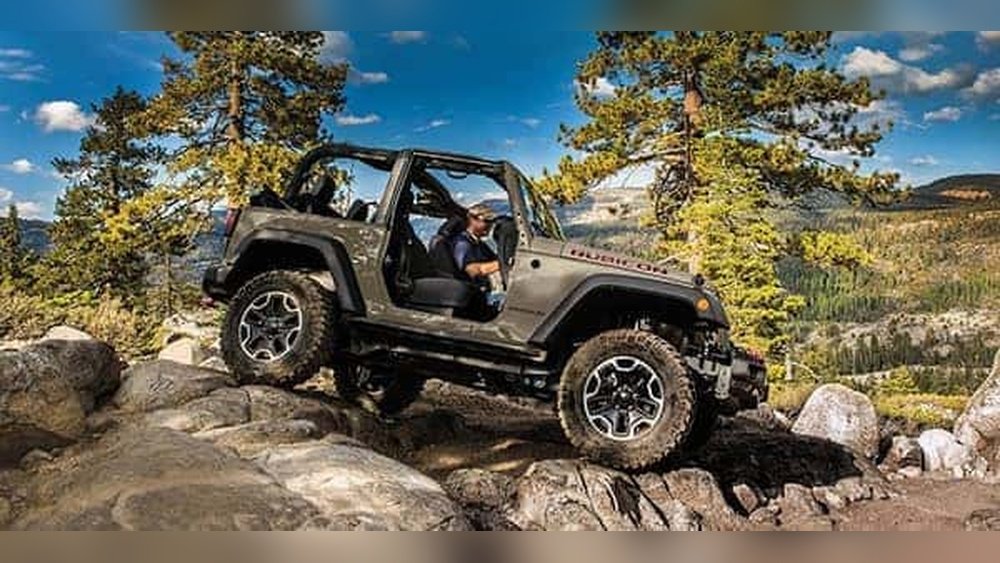
The JK Jeep is a favorite among off-road clubs and events. Its strong frame, powerful engine, and easy customizations make it perfect for:
- Trail riding
- Rock crawling
- Camping trips
- Outdoor events
Jeep owners often wave to each other on the road—a tradition called the Jeep wave. Being part of the Jeep community means sharing adventures, tips, and stories.
Jk Jeep Ownership Costs
Owning a JK Jeep can be affordable, but costs vary:
- Fuel: JK Jeeps are not the most fuel-efficient. Expect 15–21 mpg.
- Insurance: Usually higher than average SUVs, because Jeeps are often used off-road.
- Maintenance: Regular service is important. Parts are widely available, but off-road upgrades can add to costs.
According to Edmunds, the average five-year cost for a used JK Jeep (2012–2018) is about $30,000–$45,000, including purchase price, fuel, and repairs. Prices depend on condition, trim, and upgrades.
How To Tell If Your Jeep Is A Jk
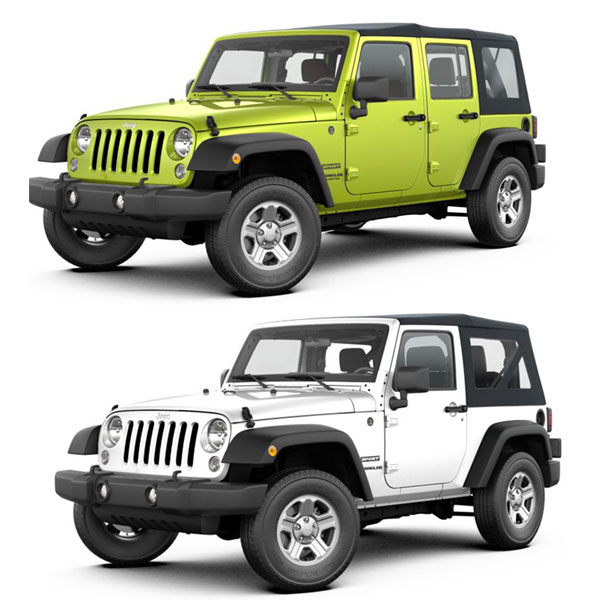
If you’re not sure which Wrangler you have, look for these clues:
- Year: 2007–2018 means it’s a JK.
- Body style: Four-door Unlimited is only available from the JK generation onwards.
- Dashboard: JK Jeeps have a more modern dashboard with rounded air vents.
- VIN: The eighth character in the VIN often identifies the engine and model.
If you’re still unsure, ask a Jeep dealer or visit the official Jeep website for help.
Should You Buy A Jk Jeep?
The JK Jeep is a great option if you want:
- A versatile vehicle: Good for both city and trails.
- Customization: Endless options to make it unique.
- Strong resale value: Easy to sell or trade.
- Community: Join events, clubs, and forums.
However, if you want the latest technology or better fuel economy, the newer JL might be a better fit.
Frequently Asked Questions
What Does The “jk” Code Stand For In Jeep Wrangler?
“JK” is an internal model code used by Jeep engineers. It doesn’t stand for a specific phrase; it simply identifies the Wrangler generation built from 2007 to 2018.
Is The Jk Jeep Good For Beginners?
Yes, the JK Jeep is popular with beginners because it’s easy to drive, customize, and find parts for. It’s also more comfortable than older Wranglers.
What Are The Main Differences Between Jk And Jl Jeeps?
The JL Jeep has newer engines, better fuel economy, and advanced technology. The JK Jeep is more affordable and has a huge aftermarket parts community.
How Can I Check If My Jeep Is A Jk?
Check the year (2007–2018), look for four doors (Unlimited), and check the dashboard design. The VIN can also confirm the model.
Where Can I Find More Information About Jk Jeeps?
You can visit the official Jeep site or read trusted sources like Wikipedia for detailed history and specs.
The JK Jeep is more than just a vehicle. It’s a symbol of adventure and community. Whether you want an off-road machine or a reliable SUV, the JK Jeep delivers. With its strong build, easy upgrades, and welcoming community, it remains one of the most loved Jeep generations.
If you’re curious about Jeep ownership, the JK is a great place to start your journey.