Installing a hitch on a Jeep is a practical way to boost its utility. Whether you want to tow a trailer, attach a bike rack, or haul extra gear, a hitch transforms your Jeep’s capabilities. This guide is tailored for beginners, focusing on clear steps, useful tips, and common mistakes.
You’ll learn how to install a hitch safely and confidently, even if you’ve never tried before.
Understanding Jeep Hitch Types
Before starting, it’s important to know which hitch fits your Jeep. Most Jeep Wranglers and Cherokees use a Class III or Class IV hitch. These are strong enough for light trailers and most accessories.
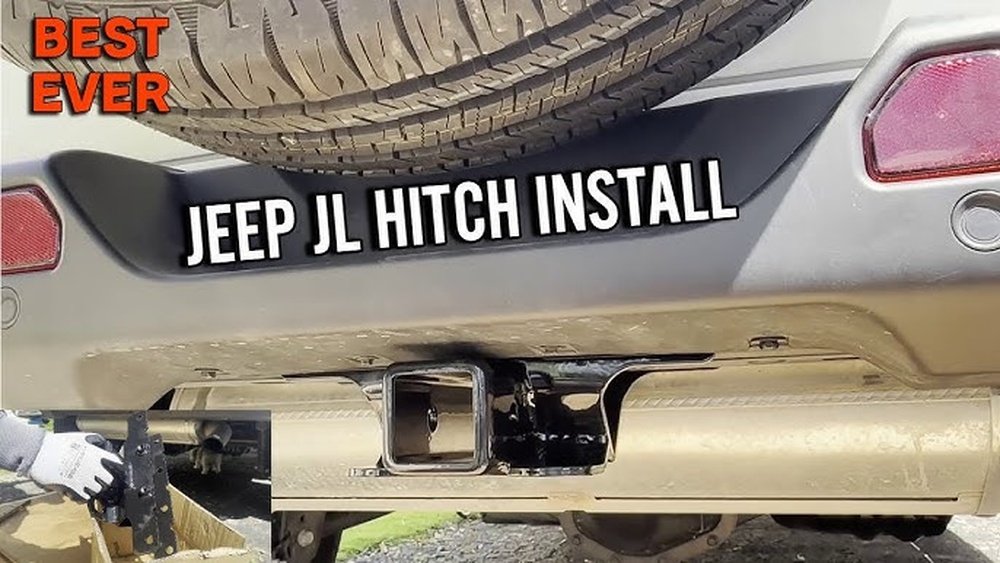
Here is a quick comparison of hitch classes:
| Hitch Class | Towing Capacity | Common Uses |
|---|---|---|
| Class I | Up to 2,000 lbs | Bike racks, small trailers |
| Class III | Up to 5,000 lbs | Medium trailers, boats |
| Class IV | Up to 10,000 lbs | Large trailers, campers |
Check your Jeep’s manual for the recommended hitch class and towing limits. Installing the wrong hitch can risk your safety and vehicle warranty.
Tools And Materials Needed
Gather these essential items before you start:
- Hitch receiver kit (includes bolts, nuts, washers)
- Torque wrench
- Socket set
- Screwdriver
- Safety glasses
- Gloves
Some Jeep models require extra tools, like a trim removal tool or drill. Always check your specific Jeep’s requirements.
Step-by-step Hitch Installation
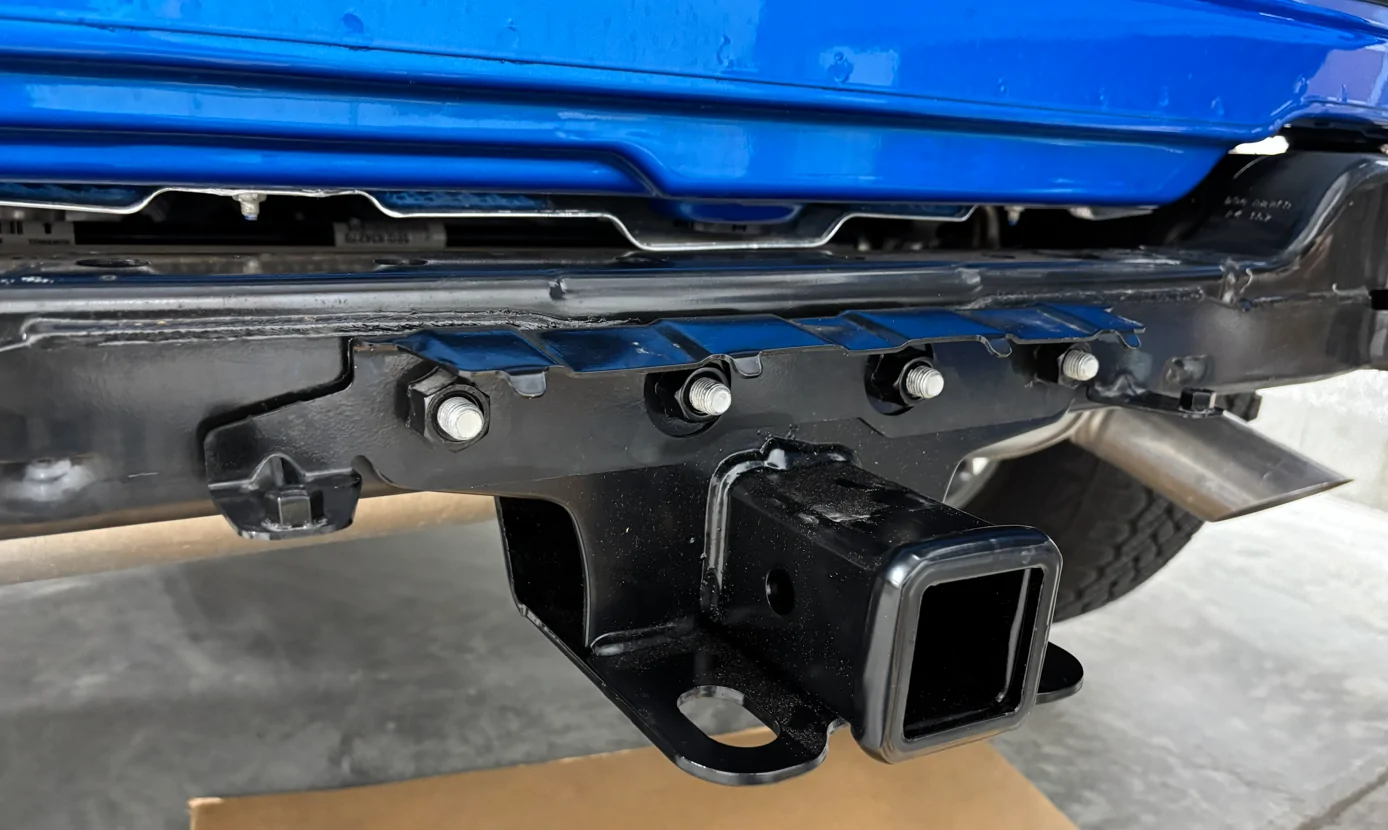
Follow these steps to install a hitch on your Jeep:
1. Prepare Your Jeep
Park on a flat surface. Engage the parking brake. If your Jeep has a spare tire under the rear, remove it for easier access.
2. Locate Mounting Points
Most Jeeps have pre-drilled holes under the rear bumper. Clean these with a cloth to remove dirt and rust. If your model doesn’t have holes, you may need to drill them—refer to your Jeep manual.
3. Position The Hitch
Lift the hitch receiver into place. Align the hitch with the mounting holes. It’s easier with a helper, but you can use a jack for support.
4. Insert Bolts And Hardware
Insert bolts through the hitch and frame. Add washers and nuts. Hand-tighten each bolt at first to keep the hitch stable.
5. Tighten Bolts Properly
Use a torque wrench to tighten bolts to the recommended torque (usually 75–90 ft-lbs for Class III). Over-tightening can damage the frame, while loose bolts are unsafe.
6. Check Alignment And Clearance
Ensure the hitch sits flush against the frame. Check that the receiver tube is level and clear of the exhaust, bumper, or wiring.
7. Reinstall Spare Tire (if Removed)
Put the spare tire back in place. Double-check all connections before finishing.
Here’s a table showing typical torque specs for Jeep hitch bolts:
| Jeep Model | Bolt Size | Torque Spec (ft-lbs) |
|---|---|---|
| Wrangler JK | ½ inch | 85 |
| Cherokee XJ | ⅜ inch | 75 |
| Grand Cherokee | ½ inch | 90 |
Practical Tips For A Smooth Install
- Use penetrating oil on old bolts if your Jeep is rusty.
- Always wear safety glasses to protect your eyes from debris.
- If you struggle to align the hitch, loosen bolts slightly and try again.
- Avoid using power tools for final tightening. Manual torque is safer and more accurate.
Many beginners forget to check the wiring harness. If you plan to tow a trailer, install a wiring kit for brake and signal lights. Skipping this can lead to accidents or fines.
Common Mistakes To Avoid
- Using the wrong hitch class: Always match your Jeep’s rating.
- Skipping torque specs: Under- or over-tightening is dangerous.
- Ignoring clearance: Make sure the hitch doesn’t block the exhaust or bumper.
- Not checking wiring: Trailer lights are required by law.
- Forgetting to test: After installation, give the hitch a firm shake to confirm stability.
Here’s a quick comparison between professional and DIY installation:
| Method | Average Cost | Time Required | Skill Level |
|---|---|---|---|
| Professional | $150–$300 | 1–2 hours | None |
| DIY | $80–$200 | 1–3 hours | Beginner–Intermediate |
Testing Your New Hitch
After you finish, always test the hitch before towing. Attach your accessory or trailer and check for movement. The receiver should feel solid, with no wobble. If you installed a wiring kit, check all trailer lights.
A non-obvious tip: Drive around the block with your trailer or rack attached. Listen for strange noises and check for loose bolts after your first drive. It’s easy to miss small issues until you use the hitch under real conditions.

Frequently Asked Questions
How Long Does It Take To Install A Hitch On A Jeep?
Most people finish in 1–3 hours. It’s faster if your Jeep has pre-drilled holes and you have the right tools. If you run into rust or need to drill holes, it may take longer.
Can I Install A Hitch Without Professional Help?
Yes, most Jeep hitch kits are designed for DIY installation. Follow the steps carefully, use a torque wrench, and check your Jeep’s manual for specific instructions.
Do I Need A Wiring Harness For My Jeep Hitch?
If you plan to tow a trailer, you must install a wiring harness for brake and signal lights. Bike racks and cargo carriers do not require wiring.
Is It Safe To Use A Hitch For Towing Heavy Loads?
It’s safe if you use the correct hitch class, follow torque specs, and never exceed your Jeep’s towing capacity. Always check the hitch and bolts before every trip.
Where Can I Find Reliable Installation Instructions?
For official installation guides, visit the manufacturer’s website or check etrailer.com. They offer videos and detailed instructions for most Jeep models.
Installing a hitch on your Jeep is a simple upgrade that pays off every time you need extra hauling power. With careful preparation and attention to detail, you can do it yourself and save money. Take your time, follow each step, and enjoy new adventures with your Jeep.