Flat towing a vehicle can sound complicated, especially if you’re new to it. But for many Jeep Wrangler JL owners, it’s a practical way to bring your adventure-ready SUV along for the journey. Whether you’re heading out with an RV or planning a long road trip, knowing how to flat tow a Jeep Wrangler JL safely is essential.
Let’s walk through the process, highlight what makes this model unique for flat towing, and share tips that most beginners miss.
What Makes The Jeep Wrangler Jl Ideal For Flat Towing?
The Jeep Wrangler JL is popular among RV enthusiasts for a simple reason: it’s one of the few modern vehicles designed for flat towing (also called “dinghy towing”). The JL’s transfer case allows all four wheels to roll freely without damaging the drivetrain. Unlike many SUVs, you don’t need to add expensive modifications or disconnect the driveshaft.
Here’s a quick comparison of flat towing readiness:
| Vehicle | Flat Tow Ready? | Extra Steps Needed? |
|---|---|---|
| Jeep Wrangler JL | Yes | No |
| Honda CR-V (2015+) | No | Major Modifications |
| Ford F-150 4WD | Yes | Follow Procedure |
Equipment You Need Before Flat Towing
To flat tow your Jeep safely, you must use the right equipment. Using improper gear is a common mistake that can damage your vehicle or cause an accident.
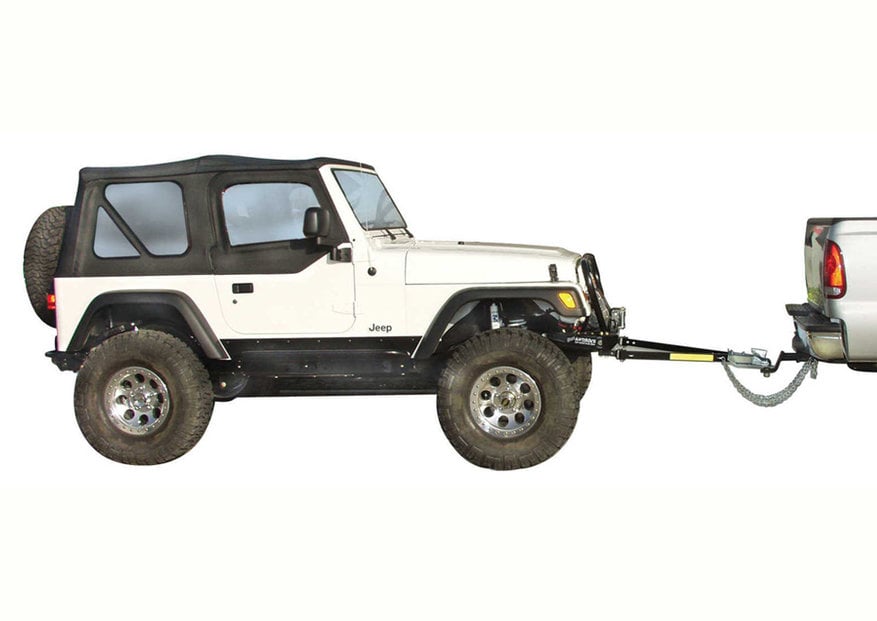
- Tow Bar: Connects the Jeep to the RV. It must match your Jeep’s weight.
- Base Plate Kit: Attaches to the Jeep’s frame and provides mounting points for the tow bar.
- Safety Cables: Required by law in many states as a backup connection.
- Wiring Harness: Ensures your Jeep’s lights (brake, turn, tail) work in sync with the RV.
- Braking System: Some states require a supplemental braking system for towed vehicles over a certain weight (often 3,000 lbs).
- Tow Bar Adapter (if needed): For compatibility with your RV or Jeep model.
Many beginners overlook the need for a braking system. It’s not just a safety step—it can also protect your RV’s brakes from excess wear.

Step-by-step Guide: How To Flat Tow A Jeep Wrangler Jl
With your equipment ready, follow these steps carefully each time you prepare to flat tow:
- Park on a Level Surface: This makes setup easier and safer.
- Transmission and Transfer Case Setup:
- Start the engine and press the brake.
- Shift the transmission to Neutral (N).
- Shift the transfer case lever to Neutral (N). It’s important to use the transfer case, not just the transmission.
- Shift the transmission to Park (P) if it’s an automatic, or leave it in gear if it’s a manual.
- Turn off the engine and leave the ignition in the “unlocked” position (usually one click back from OFF).
- Connect the Tow Bar and Safety Cables: Attach the tow bar to the base plate and the RV. Cross safety cables under the tow bar for extra protection.
- Plug In Wiring Harness: Make sure all lights (brake, turn, tail) work from the RV controls.
- Install Braking System: Place the portable brake controller inside the Jeep if required.
- Double-Check Connections: Walk around and pull lightly on each connection.
- Check Tire Pressure: Proper tire pressure prevents uneven wear or blowouts.
- Release Parking Brake: This is a frequent mistake—never tow with the parking brake engaged.
Here’s a quick reference for transmission and transfer case positions:
| Transmission | Transfer Case | Towing Status |
|---|---|---|
| Neutral (N) | Neutral (N) | Safe to Tow |
| Park (P) | Neutral (N) | Safe (Auto Only) |
| Any Other | 2H/4H/4L | Do Not Tow |
Common Mistakes And How To Avoid Them
Many new flat towers make errors that can lead to costly repairs. Here are mistakes to avoid:
- Skipping the Transfer Case Neutral: Only putting the transmission in neutral will damage your Jeep’s transmission.
- Incorrect Wiring: Relying on battery-powered magnetic lights can fail during long trips. Use a hard-wired harness.
- Forgetting the Ignition Unlock: If the steering wheel locks, your tires can scrub and wear down.
- Not Checking the Braking Laws: Some states have strict rules for towed vehicle brakes. Always check regulations for every state you’ll travel through.
One non-obvious tip: Regularly inspect the tow bar’s locking pins. Road vibrations can sometimes loosen them, so a quick check before every drive makes a big difference.
Safety And Legal Considerations
Flat towing isn’t just about hooking up and driving off. You must meet legal and safety standards:
- Weight Limits: Make sure your RV can handle the Jeep’s weight. The Wrangler JL can weigh between 3,970 and 4,439 lbs depending on trim.
- Brake Laws: Many US states require a supplemental braking system for vehicles over 3,000 lbs. Check the state laws before your trip.
- Lighting: All lights must work as if the Jeep were being driven.
- Insurance: Confirm your insurance covers towing incidents.
Practical Tips For A Smooth Towing Experience
Flat towing isn’t risky if you follow a routine. But a few expert habits can keep your trips stress-free:
- Keep a checklist in your glove box to review every step.
- Test your brake and turn signals before every trip.
- Use a tire pressure monitoring system for real-time updates.
- Grease your tow bar regularly—neglecting this can make it stiff or noisy.
- After long drives, inspect your safety cables and base plate bolts for wear or looseness.
If you plan to leave your Jeep parked for long periods while towing, consider disconnecting the negative battery cable to prevent battery drain. This is often missed by first-timers.

Frequently Asked Questions
Can I Flat Tow A Jeep Wrangler Jl With An Automatic Transmission?
Yes, both manual and automatic JL models are flat towable. Just make sure to follow the transfer case and transmission settings as listed in your owner’s manual.
Do I Need A Special Tow Bar For The Wrangler Jl?
You need a tow bar rated for the Jeep’s weight and a base plate kit designed for the JL model. Not all tow bars fit every vehicle, so check compatibility before buying.
Will Flat Towing Add Miles To My Jeep’s Odometer?
No, the JL’s odometer does not add miles while flat towed, because the drivetrain is fully disengaged.
How Fast Can I Drive While Flat Towing My Jeep?
Most manufacturers recommend not exceeding 65 mph while towing. Always check your RV and tow bar manuals for speed limits.
Is Flat Towing Safe For Long Distances?
Yes, if you follow all procedures and use the correct equipment. Many RVers tow their Jeeps across the country without issue. Regular checks make long-distance towing safe and reliable.
Bringing your Jeep Wrangler JL along for the ride opens up many travel possibilities. By following these steps and tips, you’ll ensure every trip is safe, legal, and worry-free. Flat towing may seem complicated at first, but with practice, it becomes second nature—so you can focus on the adventure ahead.