If you drive a Jeep JL, you probably know how important engine power and efficiency are. Many Jeep owners look for ways to improve performance, especially if they use their vehicles for off-roading or daily driving. One popular upgrade is the cold air intake. But is a Jeep JL cold air intake worth it? This article looks closely at the facts, benefits, downsides, and real-world results to help you decide if this upgrade makes sense for your Jeep.
What Is A Cold Air Intake?
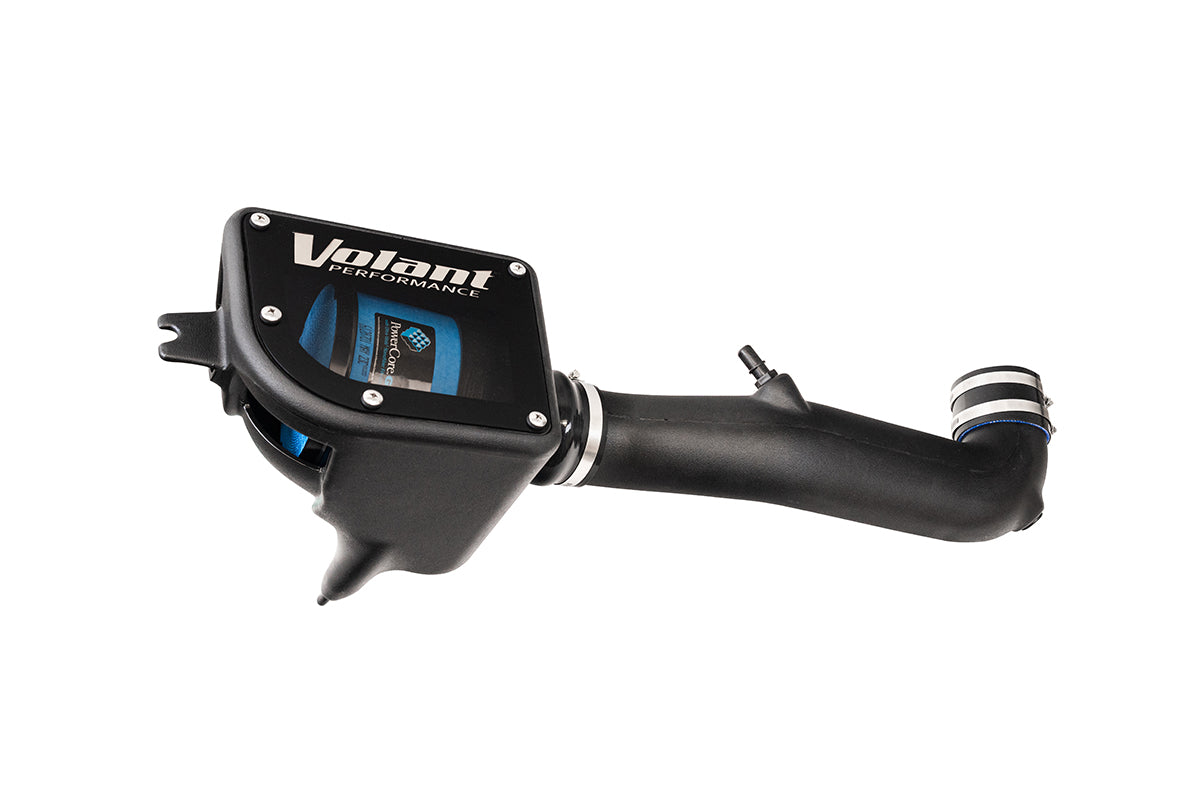
A cold air intake is an aftermarket part that replaces your Jeep’s stock air intake system. Its main purpose is to pull cooler air from outside the engine bay into the engine. Cooler air is denser and contains more oxygen, which can improve combustion and boost engine power.
The typical cold air intake setup includes:
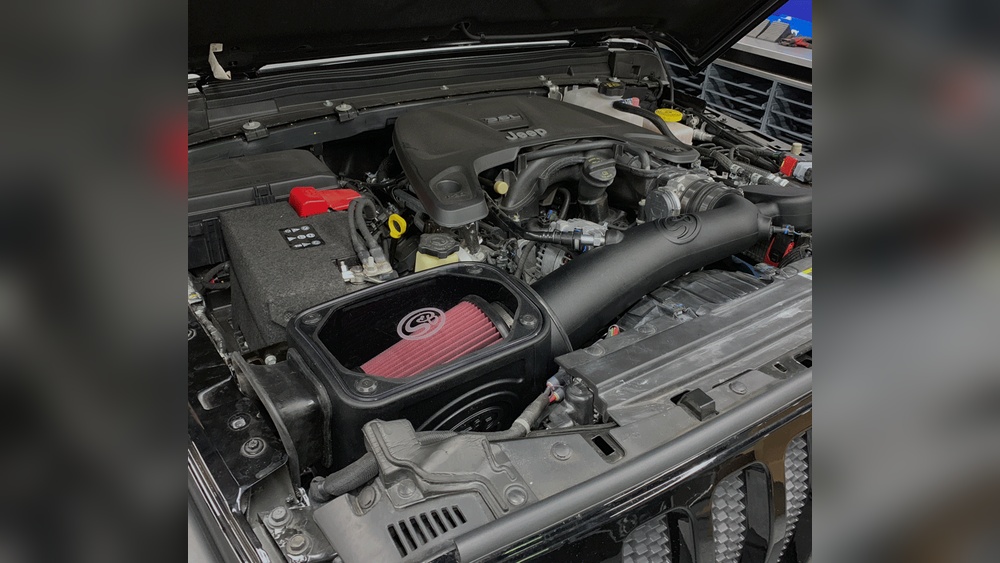
- A larger, smoother intake tube
- A high-flow air filter (often reusable)
- A heat shield or box to keep out hot engine air
Unlike the factory air box, a cold air intake is designed to reduce air resistance and maximize airflow.
Why Jeep Jl Owners Consider Cold Air Intakes
The Jeep JL is a capable SUV, but some owners feel it could use more power and better throttle response. Here are the main reasons people consider a cold air intake:
- Increase horsepower
- Improve torque
- Enhance throttle response
- Better fuel economy
- More aggressive engine sound
- Reusable filters (lower maintenance costs)
For off-roaders, getting more power can help in tough situations. For city drivers, a cold air intake may offer smoother acceleration and possibly better gas mileage.

Performance Gains: What Do The Numbers Say?
Many companies claim their cold air intakes add 5–15 horsepower. But what do real tests show? Let’s look at some data comparing stock and aftermarket cold air intakes for the Jeep JL.
| Intake Type | Horsepower (HP) | Torque (lb-ft) | 0–60 mph Time |
|---|---|---|---|
| Stock Intake | 285 | 260 | 7.5 sec |
| Cold Air Intake | 292–298 | 265–270 | 7.2–7.3 sec |
The data shows a modest increase of 7–13 horsepower and 5–10 lb-ft of torque. The improvement in 0–60 time is about 0.2–0.3 seconds. While this isn’t a huge jump, it can feel noticeable, especially when merging or climbing hills.
Real-world Benefits
Improved Throttle Response
Most Jeep JL owners report faster throttle response after installing a cold air intake. The engine feels more “alive,” especially when you press the accelerator quickly. This is because the engine gets more oxygen-rich air, making combustion more efficient.
Enhanced Engine Sound
A cold air intake often changes your Jeep’s sound. You’ll hear a deeper, more aggressive intake noise when accelerating. Some owners like this sporty sound, while others prefer the quieter stock setup.
Potential Fuel Economy Gains
Cold air intakes can improve fuel economy in some cases. The more efficient airflow helps the engine “breathe,” possibly reducing the effort needed to maintain speed. However, gains are usually small—about 1–2 mpg if you drive smoothly.
Maintenance And Reusability
Many cold air intakes use reusable filters. Instead of replacing paper filters every 12,000–15,000 miles, you can clean and reuse the filter. This saves money and reduces waste. It’s a practical benefit for Jeep drivers who put on high mileage.
Installation: What To Expect
Cold air intakes for the Jeep JL are usually easy to install. Most kits come with clear instructions, and the process can take 30–60 minutes.
Steps include:
- Removing the stock air box and intake tube
- Installing the new intake tube and filter
- Securing the heat shield or air box
- Checking all connections for tightness
You don’t need advanced tools—just screwdrivers, pliers, and sometimes a socket wrench. Many Jeep owners do the installation themselves, but a mechanic can help if you’re unsure.
Cost Vs. Value
Cold air intake kits for the Jeep JL range from $250 to $500. Is this investment worth it? Here’s a comparison:
| Upgrade | Cost | Expected HP Gain | Installation Difficulty |
|---|---|---|---|
| Cold Air Intake | $250–$500 | 7–13 HP | Easy |
| Performance Exhaust | $700–$1200 | 10–20 HP | Medium |
| ECU Tune | $350–$700 | 20–40 HP | Medium–Hard |
Cold air intakes are one of the most affordable and easy-to-install upgrades. They offer modest performance gains and a new engine sound, but don’t expect huge horsepower increases.
Common Myths And Mistakes
Myth: Huge Power Gains
Some ads promise 20+ horsepower boosts. This is not realistic for most Jeep JL setups. The real gains are smaller, as shown above.
Mistake: Ignoring Filter Maintenance
Reusable filters must be cleaned regularly. If you forget, airflow drops and performance suffers. Always follow the cleaning schedule.
Myth: Works For All Driving Styles
Cold air intakes help most in situations where the engine needs lots of air, like quick acceleration or off-roading. If you mostly drive slowly, the difference may be less noticeable.
Mistake: Using Low-quality Kits
Cheap cold air intakes can cause problems. They may fit poorly or let in dirt. Always choose a trusted brand with good reviews.
Effects On Warranty And Emissions
Many Jeep owners worry that installing a cold air intake could affect their vehicle warranty or emissions tests.
- Warranty: Most cold air intakes will not void your warranty unless they directly cause a problem. If your engine fails because of a faulty intake, warranty coverage may be denied.
- Emissions: Quality cold air intakes are designed to work with factory sensors and emissions systems. Always check if the kit is CARB-certified (important for California drivers).
If you’re unsure, ask your dealer or check the product’s paperwork.
Cold Air Intake Vs. Other Upgrades
Let’s compare cold air intakes with other common Jeep JL upgrades.
| Upgrade Type | Main Benefit | Drawback | Typical Cost |
|---|---|---|---|
| Cold Air Intake | Better airflow, throttle response | Modest power gain | $250–$500 |
| Exhaust System | More power, sporty sound | Higher cost, louder | $700–$1200 |
| ECU Tune | Significant power boost | Risk to engine, warranty | $350–$700 |
| Turbo/Supercharger | Major power increase | Very expensive, complex | $3000–$7000 |
Cold air intakes offer a good balance of cost, ease, and performance. They won’t turn your Jeep JL into a sports car, but they do make the engine feel more responsive.
Two Insights Most Beginners Miss
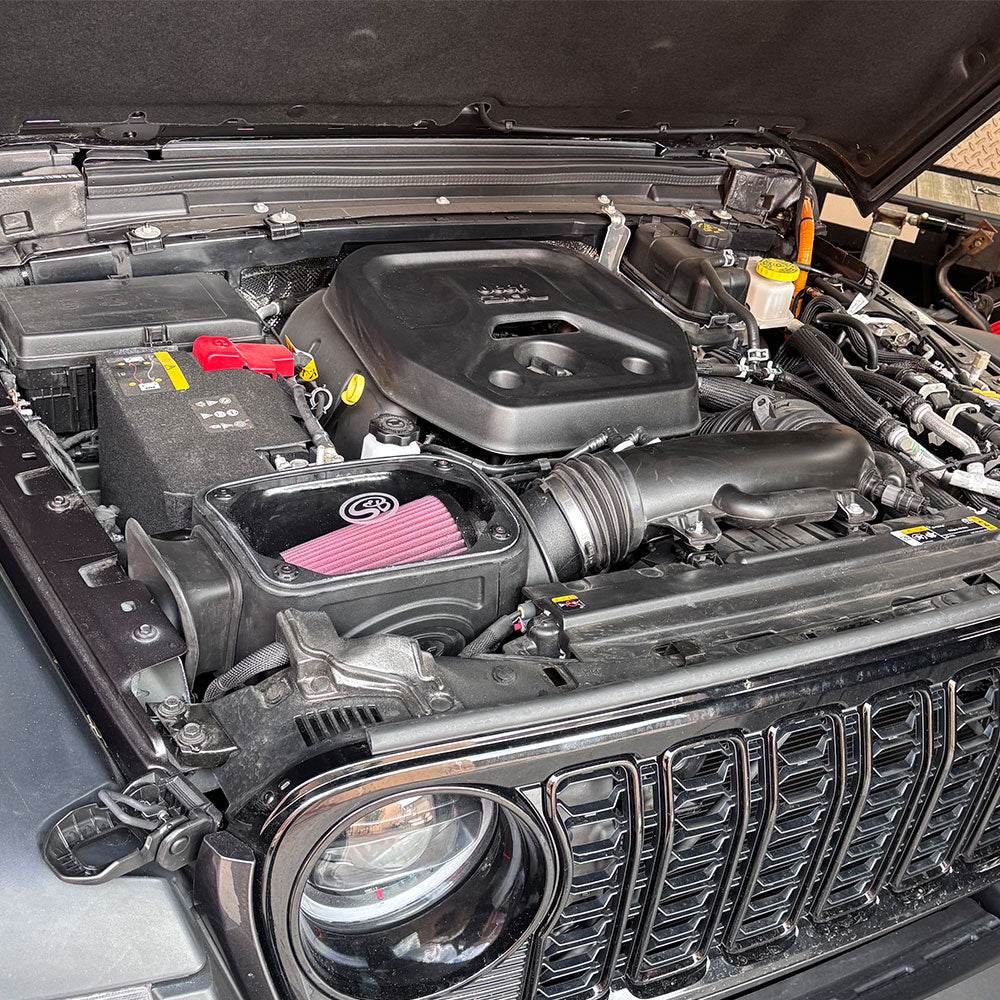
- Heat Shield Importance: Many beginners skip the heat shield during installation. Without it, hot engine air can mix with intake air, reducing gains. Always install the shield for best results.
- Sensor Compatibility: The Jeep JL uses sensors to monitor airflow. Some cheap intakes can cause sensor errors, leading to engine warning lights. Choose a kit that is specifically designed for your Jeep JL.
When A Cold Air Intake Is Worth It
A cold air intake is a good choice if:
- You want modest performance gains without spending much
- You enjoy the sound of a more aggressive engine
- You like easy DIY upgrades
- You drive in dusty or muddy areas (reusable filters are handy)
However, if you expect major power increases, or if you’re worried about warranty or emissions, it may be better to invest elsewhere.
Expert Advice For Jeep Jl Owners
Always research before buying a cold air intake. Read reviews, check compatibility, and make sure the kit is legal in your state. For the best results, pair a cold air intake with other upgrades, such as a performance exhaust or ECU tune.
This can multiply the benefits.
If you want more detailed technical info, you can check official data at Jeep’s official site.
Frequently Asked Questions
Is A Cold Air Intake Safe For My Jeep Jl Engine?
Yes, as long as you buy a quality kit that fits your Jeep JL and follow the installation instructions. Avoid cheap intakes that may let in dirt or cause sensor errors.
Will A Cold Air Intake Void My Jeep Jl Warranty?
Usually, no. Most cold air intakes do not void the warranty unless they directly cause engine damage. Always keep your original intake parts in case you need to switch back.
How Much Horsepower Will My Jeep Jl Gain?
Most Jeep JL cold air intakes add 7–13 horsepower. The exact gain depends on the kit, engine, and other upgrades.
Do I Need To Tune The Ecu After Installing A Cold Air Intake?
For most Jeep JL cold air intakes, ECU tuning is not required. However, tuning can help maximize gains if you add other upgrades.
How Often Should I Clean The Cold Air Intake Filter?
Reusable filters should be cleaned every 12,000–15,000 miles or sooner if you drive in dusty conditions. Follow the kit’s cleaning instructions for best results.
Final Thoughts
A cold air intake can offer real benefits for your Jeep JL, especially if you value better throttle response, sound, and modest power gains. The cost is reasonable, and installation is simple for most drivers. While the power boost is not dramatic, the upgrade makes your Jeep feel more lively and responsive.
If you combine it with other performance parts, the gains become more noticeable. Always choose a quality kit, install it correctly, and keep up with filter maintenance. For many Jeep JL owners, a cold air intake is a practical, worthwhile upgrade.