The 2000 Jeep Cherokee is a name that stands out for those who appreciate rugged SUVs. Known for its boxy shape and off-road skills, it has a loyal fan base. But is it a good car for today’s drivers? Let’s take an honest look at what this vehicle offers, where it shines, and where it falls short. If you’re considering a used SUV, read on for practical insights.
What Makes The 2000 Jeep Cherokee Unique?
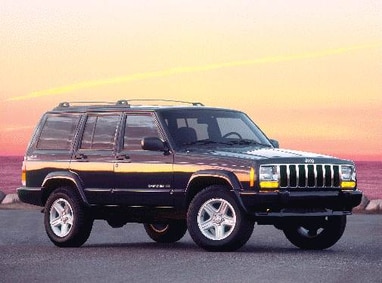
The 2000 Jeep Cherokee, especially in its XJ generation, is often called a classic SUV. It was one of the last models before Jeep switched to more modern designs. Its solid front and rear axles, simple interior, and tough build are big reasons why it’s still popular among off-road fans.
This SUV comes with two main engines: a 2.5L four-cylinder and a 4.0L inline-six. The 4.0L is famous for being reliable and powerful. The 2000 model also offers two- and four-wheel drive options, making it flexible for different needs.
Reliability And Durability
The 2000 Cherokee is known for its durability. Many owners report their vehicles crossing 200,000 miles with regular maintenance. The 4.0L engine is praised for its long life and ability to handle tough use, like towing or trail driving.
However, like any older vehicle, the Cherokee does have weak points:
- The cooling system can develop leaks.
- Rust is common around the rear hatch and under the doors.
- The suspension bushings may wear out after many years.
For many, these issues are minor compared to the overall toughness. Still, buyers should always check for rust and ask for service records before purchasing.
Driving Experience
Behind the wheel, the 2000 Cherokee offers a basic but enjoyable drive. The steering feels direct, and the suspension is firm. On the road, it’s not as smooth as modern SUVs, but it handles bumps well.
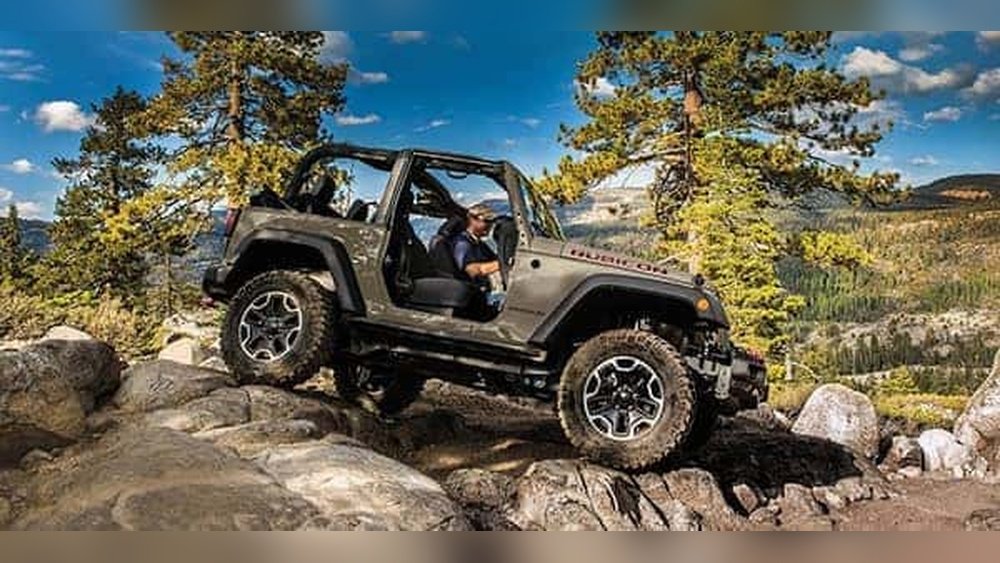
Off-road, this vehicle shines:
- Solid axles give great traction.
- The short wheelbase makes it easy to maneuver on trails.
- The 4WD system is simple to use and repair.
In the city, the Cherokee can feel dated. The ride is bumpy, and road noise is higher than in newer cars. But if you want a car that can go almost anywhere, it’s hard to beat.
Interior And Features
The interior is simple and practical. There’s enough space for five adults, though rear legroom is tight for tall passengers. The cargo area is big enough for camping gear or groceries.
Standard features include:
- Air conditioning
- AM/FM radio (some with CD player)
- Cloth seats (leather in higher trims)
- Power windows and locks (optional)
Safety is one area where the Cherokee shows its age. It has basic airbags and anti-lock brakes, but it lacks modern systems like electronic stability control or side curtain airbags.

Cost Of Ownership
Buying a 2000 Jeep Cherokee is usually affordable. Prices vary by location and condition, but they often range from $3,000 to $7,000. Insurance costs are moderate since it’s not a high-theft or high-speed vehicle.
Maintenance is also reasonable. Parts are easy to find, and many repairs can be done at home with basic tools. However, older Jeeps may need more attention as parts wear out.
Here’s a quick look at average yearly costs:
| Expense | Average Cost (USD) |
|---|---|
| Routine Maintenance | $400 – $700 |
| Insurance | $600 – $1,000 |
| Fuel (15 MPG city/20 highway) | $2,000 – $2,800 |
Fuel economy is not a strong point. The 4.0L engine averages about 15-20 MPG, so expect higher fuel bills compared to newer SUVs.
How Does The 2000 Cherokee Compare?
If you’re looking at other used SUVs, here’s a quick comparison with similar models:
| Model | Reliability | Off-Road Ability | Comfort | Fuel Economy |
|---|---|---|---|---|
| 2000 Jeep Cherokee | Above Average | Excellent | Basic | Poor |
| 2000 Toyota 4Runner | Excellent | Very Good | Good | Average |
| 2000 Ford Explorer | Average | Good | Better | Average |
The Cherokee stands out for its off-road skills and simple design. However, it can’t match the comfort or quiet ride of the Toyota 4Runner.
Common Buyer Mistakes
Many first-time buyers make these errors:
- Ignoring rust inspection—rust can hide under plastic trim.
- Overlooking the cooling system—ask about the radiator and water pump.
- Assuming all Cherokees have 4WD—some are rear-wheel-drive only.
It’s smart to have a trusted mechanic check the vehicle before buying. This can save money and headaches later.
Real-world Owner Insights
Owners love the dependability and easy repairs. Many use their Cherokees for camping, winter driving, or as daily workhorses. However, some note that interior noise and rough ride make it less ideal for long road trips.
One non-obvious tip: These Jeeps hold value well in off-road communities. A well-kept Cherokee can be easier to resell than you might think.

Should You Buy One?
The 2000 Jeep Cherokee is a good choice for those who:
- Want a reliable, rugged SUV
- Plan to drive off-road or in snowy areas
- Don’t mind a basic interior and lower fuel economy
It may not be the best fit if you want modern safety, comfort, or quiet rides. But for many, its strengths make up for its age.
If you want more details on the Jeep Cherokee’s history, see the Jeep Cherokee (XJ) Wikipedia page.
Frequently Asked Questions
Is The 2000 Jeep Cherokee Reliable?
Yes, the 4.0L engine is known for reliability. Many owners reach 200,000+ miles with proper care. Check for rust and cooling issues before buying.
What Is The Fuel Economy?
Expect 15-20 MPG. It uses more fuel than modern SUVs, especially in city driving.
How Does It Perform Off-road?
The Cherokee is excellent off-road. Its solid axles and simple 4WD make it a favorite for trail driving.
Are Parts And Repairs Expensive?
No, most parts are affordable and easy to find. Many repairs can be done by owners with basic tools.
Is It Safe By Today’s Standards?
Safety is basic. It has airbags and anti-lock brakes but lacks modern features like side airbags and electronic stability control.