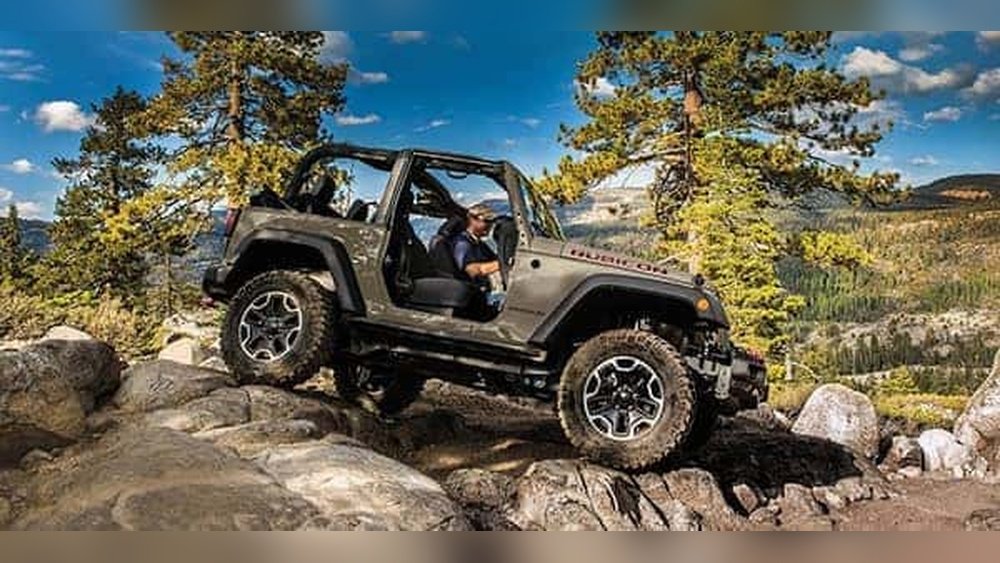
When it comes to off-road vehicles, the Jeep Wrangler stands out as a top choice. Within the Wrangler lineup, you’ll often hear about the Jeep JK and Jeep JKU. These two models share a strong reputation, but they are not the same. If you’re thinking about buying a Wrangler or just want to learn more, understanding the JK vs JKU differences is essential. Let’s break down their features, advantages, and which one might fit your needs.
What Do Jk And Jku Mean?
The Jeep JK refers to the Wrangler model built between 2007 and 2018. This is the third generation of the Wrangler. The “JK” is the two-door version. The JKU is almost the same vehicle, but the “U” stands for “Unlimited.” This means it has four doors and a longer wheelbase. Both versions are popular for their strong engines, rugged look, and off-road ability.
Key Differences: Size, Space, And Seating
The most obvious difference is the number of doors. But there’s more to it. Here’s a simple table showing their key size stats:
| Model | Doors | Wheelbase (inches) | Overall Length (inches) | Seating Capacity |
|---|---|---|---|---|
| JK | 2 | 95.4 | 164.3 | 4 |
| JKU | 4 | 116.0 | 184.9 | 5 |
The JKU is 20 inches longer, giving you more legroom and extra cargo space. The JK is shorter and easier to park in tight places. In the JKU, you’ll find an extra seat, which is helpful for families.
Off-road Performance: Handling And Capability
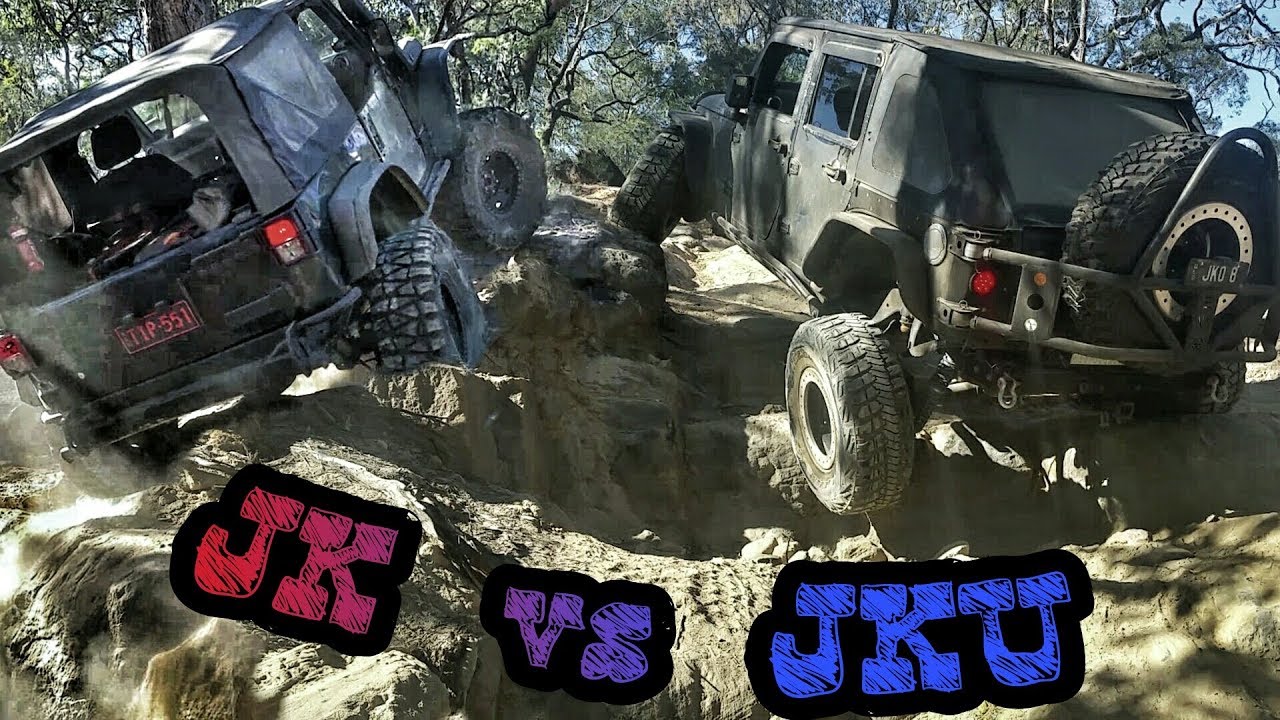
Both JK and JKU have the same engine options: a 3.6L Pentastar V6 in later years and a 3.8L V6 in earlier models. Their off-road parts—like solid axles and strong frames—are similar. However, the JK’s shorter wheelbase makes it better for sharp turns and technical trails. It can handle tighter spaces and steep hills more easily.
The JKU, with its longer body, offers more stability on rough ground and when carrying heavy loads. But it may scrape its middle (“belly”) more often on sharp rises.
| Model | Approach Angle (degrees) | Departure Angle (degrees) | Breakover Angle (degrees) |
|---|---|---|---|
| JK | 38.4 | 31.3 | 25.1 |
| JKU | 37.4 | 29.2 | 18.4 |
Breakover angle is especially important. The JK is less likely to get stuck on the crest of a hill.
Interior Comfort And Cargo
Inside, the JKU stands out. The extra doors make it easy to get in and out, especially for people in the back seat. The cargo area is much bigger—especially with the seats folded down.
A JK can carry about 12. 8 cubic feet of cargo with the seats up. The JKU can handle up to 31. 5 cubic feet. That difference matters if you plan to haul camping gear, pets, or groceries.
Price And Value For Money
When both were new, the JKU cost about $3,000 more than the JK. Today, used JKU models still cost more because of their extra space and popularity. Here’s a look at average used prices (2024):
| Model | Year Range | Average Used Price (USD) |
|---|---|---|
| JK | 2012–2018 | $18,000–$28,000 |
| JKU | 2012–2018 | $22,000–$34,000 |
Remember, prices change based on trim, mileage, and location. While the JKU is more expensive, many buyers feel the extra room and comfort are worth it.
Customization And Aftermarket Support
Jeep Wranglers are famous for aftermarket upgrades. Both JK and JKU have strong support from parts makers. You can add larger tires, lift kits, winches, and more. However, some add-ons—like roof racks or side steps—must fit the exact body style (2-door vs. 4-door).
One non-obvious tip: Some off-roaders prefer the JK for extreme rock crawling because it needs less reinforcement after modifications. The JKU’s longer body needs careful planning for heavy-duty upgrades.

Fuel Economy And Daily Driving
Neither the JK nor JKU is known for high fuel efficiency. The JK gets about 17 mpg city and 21 mpg highway, while the JKU gets slightly less. The difference comes from the extra weight and length. In daily driving, the JK feels more nimble, but the JKU is more practical for families or road trips.
Many new owners are surprised by wind noise at highway speeds. This is normal for Wranglers, as their design focuses on off-road ability, not silent rides.
Choosing Between Jk And Jku: Which Is Right For You?
Consider these questions:
- Do you need to carry more than one passenger often? If yes, the JKU is better.
- Do you park in tight spots or drive on narrow trails? The JK’s size helps.
- Is cargo space important for your hobbies or travel? The JKU wins here.
- Do you plan extreme off-roading? The JK’s short wheelbase is an advantage.
As a rule, pick the JK for fun, agility, and classic Jeep style. Choose the JKU for family, road trips, or camping.

Frequently Asked Questions
What Does “jk” Stand For In Jeep Wrangler Jk?
“JK” is just Jeep’s internal code for the third-generation Wrangler, made from 2007 to 2018. It does not stand for a specific phrase.
Can You Take The Roof And Doors Off Both Jk And Jku?
Yes, you can remove both the roof and doors on all JK and JKU models. This is a classic feature that makes Wranglers special.
Is There A Big Difference In Towing Capacity Between Jk And Jku?
Yes. The JKU can tow up to 3,500 lbs when properly equipped, while the JK is limited to 2,000 lbs. The longer wheelbase helps the JKU tow safely.
Are Repair And Maintenance Costs Different?
Costs are similar, but replacing parts like the longer driveshaft on a JKU can be a bit more expensive. Both models are easy to work on and have lots of available parts.
Where Can I Learn More About Jeep Wrangler Generations?
For more history and details, visit the Wikipedia Jeep Wrangler page.
Both the JK and JKU have their own strengths. Your choice depends on how you use your Jeep, your family size, and your sense of adventure. No matter which you pick, you’ll join a strong community of Jeep fans and get a vehicle that’s ready for almost anything.