Is The Jeep 2.0 Turbo Reliable?
When it comes to compact SUVs and off-road vehicles, the Jeep brand has always been a topic of discussion. The Jeep 2.0 Turbo engine—found in models like the Wrangler, Cherokee, and Grand Cherokee—promises both power and fuel efficiency. But many buyers ask a crucial question: Is the Jeep 2.0 Turbo reliable? This article dives deep into 20 key factors that impact the reliability of this engine, offering real-world insights, comparisons, and practical guidance for anyone considering a Jeep with this powertrain.
1. Engine Build Quality
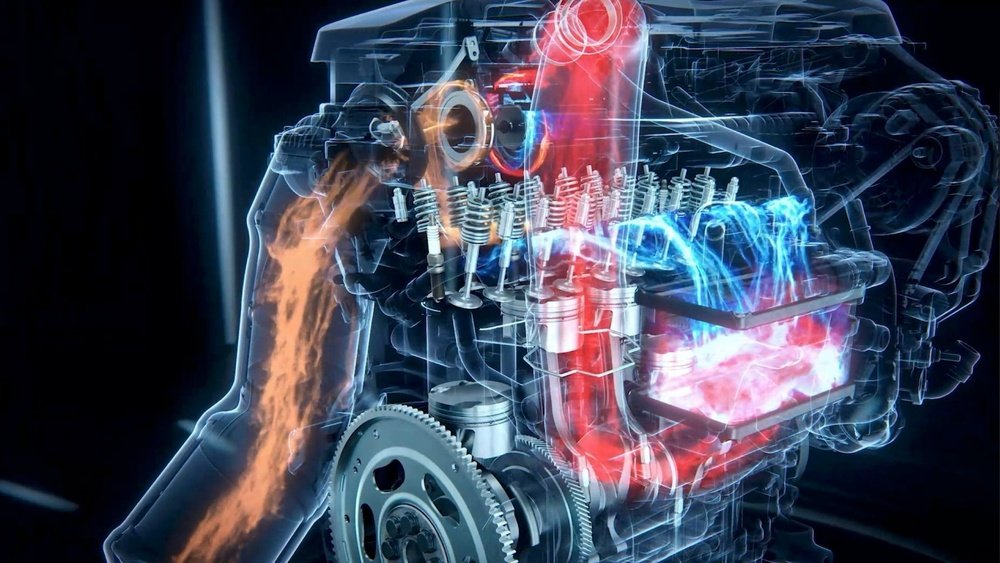
The Jeep 2.0 Turbo uses an aluminum block and head, which keeps the weight down and helps with heat management. Most owners report that, with proper maintenance, the build quality is solid and there are few cases of major mechanical failures in the first 100,000 miles.
2. Turbocharger Durability
Turbochargers can be a weak spot in some engines, but the Jeep’s twin-scroll turbo is well-regarded for its robust design. Still, like all turbos, it’s sensitive to oil quality and heat cycles. Regular oil changes are critical to prolonging its life.
3. Fuel System
This engine uses direct fuel injection for better power and efficiency. Direct injection systems can suffer from carbon buildup on intake valves over time, which may require cleaning around 60,000 miles.
4. Engine Cooling
The 2.0 Turbo uses an advanced cooling system with electric water pumps. Owners rarely report overheating, but it’s important to keep coolant at proper levels and have the system checked during routine service.
5. Transmission Pairing
Most 2.0 Turbo Jeeps come with an 8-speed automatic transmission. Shifting is smooth and responsive, and the transmission is generally seen as reliable if serviced according to Jeep’s recommendations.
6. Timing System
Unlike older engines with timing belts, the Jeep 2.0 Turbo uses a timing chain, which usually lasts the life of the engine. This reduces the risk of expensive timing failures.
7. Fuel Economy
Compared to the 3.6L Pentastar V6, the 2.0 Turbo offers better fuel economy—averaging around 22–24 mpg combined in most models. This means fewer fuel stops and lower running costs.
8. Engine Power
With 270 horsepower and 295 lb-ft of torque, the 2.0 Turbo is more powerful than Jeep’s older 3.6L V6. It delivers strong acceleration, especially at low speeds, making it well-suited for both city driving and off-road adventures.
9. Common Engine Issues
Some owners mention minor oil leaks around the oil pan or turbo oil lines. These are not widespread but worth watching for. A few early models had coolant leaks from the turbo, which Jeep addressed in later versions.
10. Maintenance Costs
Routine maintenance costs for the 2.0 Turbo are similar to other modern four-cylinder engines. Expect to pay a bit more for synthetic oil and high-quality filters, but these help the engine last longer.
11. Parts Availability
Since the 2.0 Turbo is now common in Jeep models, replacement parts are widely available in the US. This keeps repair costs reasonable and reduces downtime.
12. Towing Capacity
The 2.0 Turbo can tow up to 3,500 pounds when properly equipped. This is enough for small trailers or boats, though not as high as some V6 options.
13. Electronics And Sensors
The engine relies on many sensors for optimal performance. While these rarely fail, a malfunction can trigger warning lights or limp mode. A scan tool can quickly diagnose most issues.
14. Warranty Coverage
Jeep offers a 5-year/60,000-mile powertrain warranty, which covers major engine components. This gives peace of mind to buyers worried about unexpected failures.
15. Real-world Owner Reviews
Most owners rate the 2.0 Turbo as reliable and fun to drive. The engine’s quick response and good fuel economy are often praised. Some wish for a more traditional V6 sound, but this is a minor point for most.
16. Off-road Performance
Jeep’s 2.0 Turbo provides plenty of torque for rock crawling and sand. However, it’s important to use high-quality fuel and let the engine cool after heavy use to avoid turbo heat soak.
17. Emissions System
The engine uses a gasoline particulate filter to meet emissions rules. This system is reliable, but using low-quality fuel can clog the filter over time.
18. Recalls And Service Bulletins
There have been a few recalls related to wiring harnesses and coolant leaks. Always check the VIN before buying a used Jeep to confirm all recall work is complete.

19. Resale Value
Jeeps with the 2.0 Turbo generally hold their value well, especially Wranglers. Buyers often seek out turbo models for their mix of power and efficiency.
20. Aftermarket Support
There is growing aftermarket support for the 2.0 Turbo, including performance upgrades and improved cooling parts. However, modifying the engine may affect warranty coverage.
Comparing The Jeep 2.0 Turbo To Other Engines
To help you decide if the Jeep 2.0 Turbo is right for you, here’s a quick comparison with other common Jeep engines:
| Engine | Horsepower | Torque | Combined MPG |
|---|---|---|---|
| 2.0L Turbo | 270 hp | 295 lb-ft | 22–24 |
| 3.6L V6 | 285 hp | 260 lb-ft | 19–21 |
| 2.4L Tigershark | 180 hp | 175 lb-ft | 22–25 |
Jeep 2.0 Turbo: Maintenance Intervals
Understanding the maintenance schedule is key for reliability. Here’s a summary:
| Service | Interval |
|---|---|
| Oil Change | Every 5,000–7,500 miles |
| Spark Plugs | Every 30,000 miles |
| Coolant Flush | Every 60,000 miles |
| Timing Chain | Inspection at 100,000 miles |
Real-world Reliability Data
Recent surveys show that the 2.0 Turbo engine scores above average for reliability compared to other turbocharged four-cylinders. Most common issues are minor and manageable with regular maintenance. For more detailed reliability statistics, check resources like Consumer Reports.
Two Non-obvious Insights
- The 2.0 Turbo’s cooling system is more complex than older Jeep engines. Always ensure air pockets are bled after coolant service to avoid overheating.
- Using the wrong oil grade or missing oil changes can quickly damage the turbocharger, which is more expensive to fix than on non-turbo engines.

Final Thoughts
The Jeep 2. 0 Turbo offers a smart balance of power, efficiency, and modern technology. While it brings some complexity compared to older engines, most reliability concerns can be managed with proper maintenance and attention to detail. For drivers who follow the service schedule and use quality fluids, the 2.
0 Turbo can be a dependable choice for years of adventure.
Frequently Asked Questions
Is The Jeep 2.0 Turbo Good For Off-roading?
Yes, its high torque at low RPM makes it well-suited for off-road driving, especially in models like the Wrangler.
How Does The 2.0 Turbo Compare To The V6?
The 2. 0 Turbo offers more torque and better fuel economy, but the V6 is simpler and may appeal to those who prefer fewer electronics.
What Is The Most Common Problem With The Jeep 2.0 Turbo?
Minor oil leaks and occasional sensor issues are the most commonly reported problems.
It is recommended to use at least 91 octane for best performance and engine life.
Can I Tune Or Modify The Jeep 2.0 Turbo?
Yes, but be aware that modifications may void your warranty and increase wear on engine components.