Many people ask if the Jeep Liberty is a good vehicle. This question comes from its unique place in the SUV world. The Liberty, sold from 2002 to 2012, sits between Jeep’s smaller and larger models. It promises off-road ability with everyday comfort. But is it the right choice today? Let’s take a closer look at how the Liberty performs in the real world, and what you should know before buying one.
Basic Overview Of The Jeep Liberty
The Jeep Liberty is a compact SUV. It replaced the Cherokee in the early 2000s. The Liberty was produced in two generations: 2002-2007 (KJ) and 2008-2012 (KK). Both models offer a mix of features that make them stand out in their class.
Key highlights include:
- Four-wheel drive options for off-road use
- V6 engines as standard (3.7L and 3.7L PowerTech)
- Towing capacity up to 5,000 lbs
- Classic Jeep styling
Here’s how the two generations compare:
| Generation | Years | Engine Options | Towing Capacity | Transmission |
|---|---|---|---|---|
| KJ | 2002–2007 | 2.4L I4, 3.7L V6, 2.8L Diesel (limited markets) | Up to 5,000 lbs | 4-speed auto, 5/6-speed manual |
| KK | 2008–2012 | 3.7L V6 only | Up to 5,000 lbs | 4-speed auto, 6-speed manual (rare) |
Performance And Driving Experience
On-road Feel
The Liberty offers a solid driving experience on regular roads. It is taller than many SUVs, giving good visibility. However, it feels heavier and less agile than newer crossovers. The steering is not very sharp, and the ride can be bumpy, especially on rough pavement.
- Acceleration: Not very quick, but enough for daily use
- Braking: Average, with some reports of longer stopping distances
- Noise: Wind and engine noise can be noticeable at highway speeds
Off-road Capability
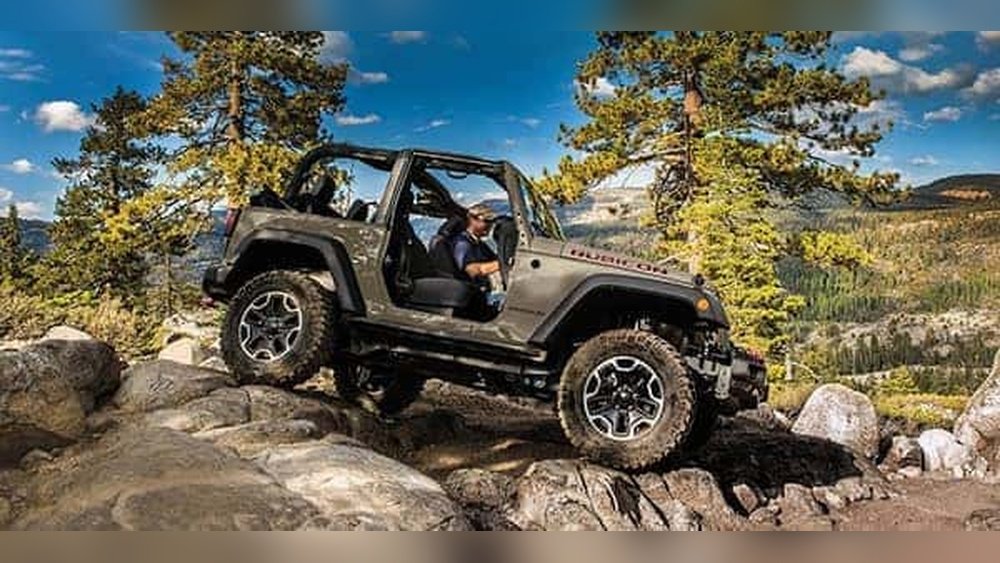
The Liberty stands out in its class for off-road strength. It has a real four-wheel drive system and solid ground clearance. Few compact SUVs in its price range match its ability on trails, snow, or mud.
Typical off-road features:
- Part-time or full-time 4WD systems
- Skid plates (on some trims)
- Hill descent control (on later models)
If you want a small SUV that can handle dirt, rocks, or deep snow, the Liberty is a good option.

Reliability And Common Problems
Many buyers worry about Jeep reliability. The Liberty has a mixed reputation here. Some owners report years of good service, while others have had several repairs.
Known Issues
- Window regulator failure: Common in both generations. Side windows can stop working.
- Suspension wear: Ball joints, control arms, and bushings wear out, causing noise or loose steering.
- Engine problems: Especially with the 3.7L V6, including valve and head gasket issues.
- Electrical gremlins: Sensors, switches, and dashboard lights can fail.
The second generation (2008–2012) fixed some issues but brought new ones, like occasional transmission problems.
Maintenance Costs
The Liberty is not expensive to repair, but it does need regular attention. Parts are widely available, and many mechanics know how to fix them. Expect to spend more on maintenance than a Toyota RAV4 or Honda CR-V, but less than a luxury SUV.
Here’s a quick look at average yearly repair costs:
| Model | Average Yearly Repair Cost | Reliability Rating (out of 5) |
|---|---|---|
| Jeep Liberty | $600–$800 | 3.0 |
| Toyota RAV4 | $450–$600 | 4.5 |
| Honda CR-V | $400–$550 | 4.5 |
Comfort, Space, And Features
Interior Quality
The Liberty’s interior is basic. Materials are tough but not fancy. The dashboard is simple, with large buttons and gauges. Older models look dated compared to newer SUVs.
- Seats: Supportive, but back seats can feel cramped for adults
- Cargo space: Around 31 cubic feet with seats up, 64 with seats down
- Noise: More wind and road noise than rivals
Features And Technology
The Liberty offers:
- Power windows and locks
- Air conditioning
- Optional leather seats
- Basic infotainment (CD player, later models had Bluetooth)
If you want heated seats, navigation, or advanced safety aids, you’ll need to look at the highest trims or newer SUVs.

Fuel Economy
One area where the Liberty falls behind is gas mileage. Its V6 engines use more fuel than competitors. Expect real-world numbers of 15–20 mpg in the city and 20–24 mpg on the highway.
Here’s a quick fuel economy comparison:
| Vehicle | City MPG | Highway MPG |
|---|---|---|
| Jeep Liberty (3.7L V6) | 15–16 | 21–24 |
| Toyota RAV4 (4-cyl) | 22–24 | 28–31 |
| Honda CR-V (4-cyl) | 23–25 | 30–34 |
If saving on gas is important, the Liberty is not the best choice.
Who Should Consider The Jeep Liberty?
The Liberty is best for drivers who:
- Value off-road ability in a small SUV
- Want a vehicle with classic Jeep looks
- Don’t mind higher fuel and repair costs
- Need to tow small trailers or boats
It’s less ideal for those who want maximum reliability, comfort, or fuel savings.
Non-obvious insight: Many buyers miss that the Liberty’s boxy shape limits rear visibility. Backing up can be tricky without a camera. Also, the Liberty’s short wheelbase means it can feel “jumpy” on bumpy roads—something you only notice after driving it a while.

Frequently Asked Questions
Is The Jeep Liberty Reliable?
The Liberty is average in reliability. Some owners have trouble-free years, while others face repeated repairs. Regular maintenance is key to a good experience.
Does The Jeep Liberty Have Good Resale Value?
No, the Liberty’s resale value is lower than many rivals. This can be good if you buy used, but don’t expect to sell it for a high price later.
How Does The Jeep Liberty Compare To Other Compact Suvs?
The Liberty is better off-road than most compact SUVs. But it uses more fuel, is noisier, and needs more repairs than models like the CR-V or RAV4.
What Are Common Problems With The Jeep Liberty?
Frequent issues include window regulator failure, suspension wear, engine problems, and electrical faults. Later models may have transmission troubles.
Is The Jeep Liberty Safe?
The Liberty has average safety ratings. It comes with basic airbags and stability control. However, crash test scores are lower than some newer SUVs. For more details, see the official NHTSA site.
In summary, the Jeep Liberty is a good vehicle for drivers who need off-road ability in a compact package. It’s not as refined or efficient as most modern crossovers, but it offers a unique blend of toughness and value—if you know what to expect.