Boat winches are essential tools for anyone who owns a boat. They make launching, loading, and securing boats easier and safer. Whether you have a small fishing boat or a large yacht, choosing the right winch can save you time and effort.
In this article, you’ll learn what boat winches are, the types available, how to choose one, and practical tips for using them effectively.
What Is A Boat Winch?
A boat winch is a mechanical device used to pull, lift, or secure boats. It uses a crank, motor, or hydraulic system to wind a cable or strap. Winches are most commonly used to move boats onto trailers, anchor them, or help with docking. They reduce manual labor and improve safety, especially with heavy boats.
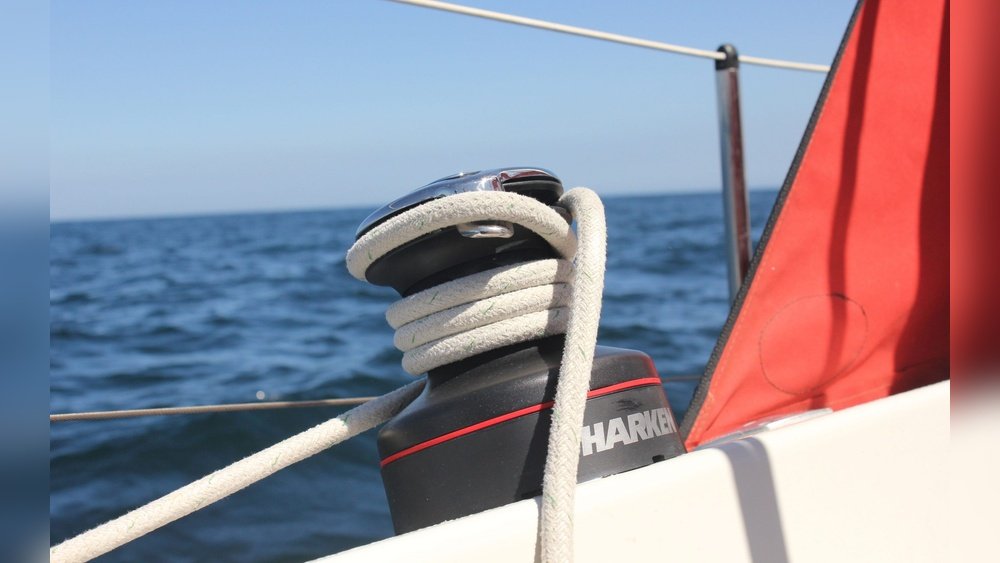
Most winches have a drum, handle, and gear system. The drum holds the cable or strap, while the handle or motor provides the pulling power. The gear system increases force, making it possible to move boats much heavier than you could lift by hand.
Types Of Boat Winches
Boat winches come in several forms, each suited for different tasks and boat sizes. Here’s a quick overview:
| Type | Best For | Power Source | Typical Capacity |
|---|---|---|---|
| Manual Winch | Small boats, trailers | Hand crank | Up to 2,000 lbs |
| Electric Winch | Medium to large boats | Battery/motor | Up to 10,000 lbs |
| Hydraulic Winch | Heavy-duty, commercial | Hydraulic pump | Over 20,000 lbs |
Manual Winches
These are simple, affordable, and require no power source. They work well for small boats and are common on trailers. However, they demand physical strength and are slower than powered winches.
Electric Winches
Electric winches are more convenient. They run on a boat’s battery or an external power source. They are ideal for larger boats and frequent use. Electric winches often come with remote controls, making operation easier.
Hydraulic Winches
Hydraulic winches are used for very large boats or commercial purposes. They provide high pulling power and are reliable, but they require a hydraulic system, which is expensive and complex.

Choosing The Right Boat Winch
Picking the right winch is crucial for both safety and efficiency. Consider these factors:
- Boat Weight and Size: Always choose a winch rated for your boat’s fully loaded weight (including gear and fuel). Add 20% to the weight for safety.
- Winch Type: Manual winches are fine for smaller boats, but electric or hydraulic winches suit larger vessels.
- Cable or Strap Material: Most winches use steel cable or synthetic strap. Steel is durable but can rust, while synthetic straps are lighter and easier to handle.
- Mounting Location: Ensure the winch fits your trailer or dock setup. Some winches require custom mounts.
- Gear Ratio: Higher gear ratios make cranking easier, especially with heavy loads.
- Weather Resistance: Look for winches made from corrosion-resistant materials like stainless steel or galvanized steel.
Here’s a quick comparison of cable vs. strap winches:
| Material | Strength | Weight | Maintenance |
|---|---|---|---|
| Steel Cable | Very high | Heavy | Needs regular oiling |
| Synthetic Strap | Moderate | Light | Easy to clean |
Using Boat Winches Safely
Operating a boat winch seems simple, but there are important safety steps to follow. Many beginners overlook these, leading to accidents or damage.
- Inspect Before Use: Always check the cable or strap for wear, fraying, or rust. Replace if damaged.
- Secure Attachments: Make sure hooks and fasteners are locked securely to the boat and trailer.
- Even Loading: Keep the winch cable or strap straight and avoid tangles. Uneven winding can cause snapping.
- Don’t Overload: Never exceed the winch’s rated capacity. This is a common mistake and can lead to equipment failure.
- Use Gloves: Handling steel cables can cause injuries. Wear gloves to protect your hands.
A non-obvious tip: When winching in wet conditions, synthetic straps are safer than steel cables. Steel can slip more easily, while straps grip better.
Another overlooked insight: Regularly lubricate gears and moving parts, even if the winch is used rarely. Lack of lubrication causes rust and makes operation harder over time.
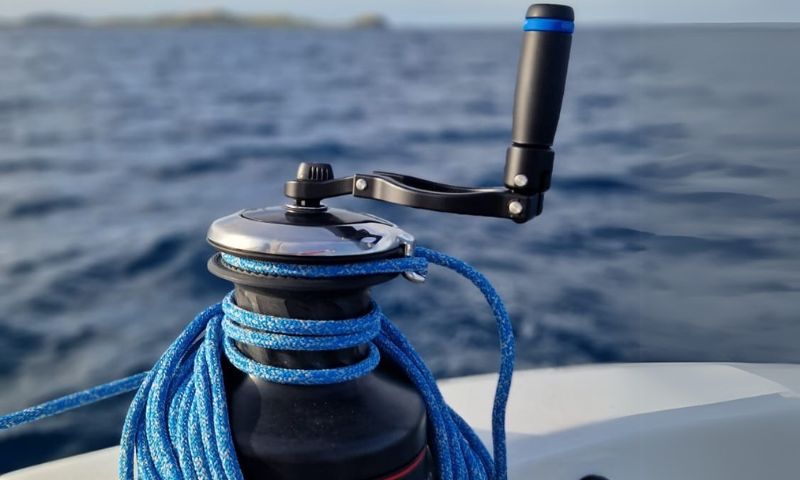
Maintenance Tips For Long Life
Proper care extends the life of your boat winch. Here are quick maintenance steps:
- Rinse the winch with fresh water after use, especially if exposed to saltwater.
- Dry thoroughly to prevent rust.
- Lubricate gears and moving parts every few months.
- Store in a dry, covered area when not in use.
Most manufacturers suggest an annual inspection for heavy-use winches. This helps spot early signs of wear or failure.
Common Boat Winch Mistakes
Many boat owners make simple mistakes that can lead to trouble:
- Using a winch rated for less than the boat’s weight
- Ignoring frayed cables or straps
- Mounting the winch incorrectly, leading to unstable loading
- Forgetting to lock the winch after use
- Not checking the battery (for electric winches)
Avoid these errors to keep your winch—and your boat—safe.
Frequently Asked Questions
What Size Winch Do I Need For My Boat?
Choose a winch rated at least 20% higher than your boat’s total weight. For example, if your boat weighs 3,000 lbs fully loaded, pick a winch with a minimum rating of 3,600 lbs.
Can I Use A Boat Winch For Other Tasks?
Yes, many winches can pull or lift heavy objects besides boats. However, always follow the manufacturer’s instructions and never exceed the rated capacity.
How Often Should I Lubricate My Boat Winch?
Lubricate gears and moving parts every three months, or more often if used frequently. Always check after exposure to saltwater.
Are Electric Winches Worth The Extra Cost?
Electric winches are ideal for larger boats or frequent use. They save time and energy. If you have a small boat and launch occasionally, manual winches may be enough.
Where Can I Find More Information About Winch Safety?
For comprehensive safety guidelines, visit the official boating safety page at BoatUS.org.
Boat winches are simple but powerful tools. With the right type and proper care, you can make boating easier and safer. Remember to choose a winch that matches your boat, keep it well maintained, and follow safety steps every time you use it.
This way, you’ll enjoy more time on the water and less time struggling with loading or launching.