Anyone who owns a 2016 Jeep Grand Cherokee knows it’s a reliable SUV built for performance and comfort. But when it comes to basic maintenance—especially checking the transmission fluid—many drivers feel lost. Unlike older cars, the 2016 model doesn’t make things simple. There’s no obvious dipstick under the hood. So how do you check or add transmission fluid? Understanding the exact transmission fluid dipstick location and the right way to check fluid levels can save you headaches, expensive repairs, and keep your Jeep running smoothly.
Why Transmission Fluid Matters
Transmission fluid is more than just another liquid in your car. It lubricates moving parts, cools the transmission, and enables smooth gear shifting. Low or dirty fluid can lead to rough shifting, overheating, or even major transmission damage. For the 2016 Jeep Grand Cherokee, regular checks are important because the transmission is a sealed unit—making it less obvious when problems begin.
Where Is The Transmission Fluid Dipstick In A 2016 Jeep Grand Cherokee?
If you pop the hood and look for a traditional transmission dipstick, you’ll notice something missing. For the 2016 Jeep Grand Cherokee (especially with the 8-speed automatic), there is no user-serviceable dipstick installed from the factory. Jeep and FCA designed the transmission as a “sealed unit,” meaning routine checks are not expected for most drivers.
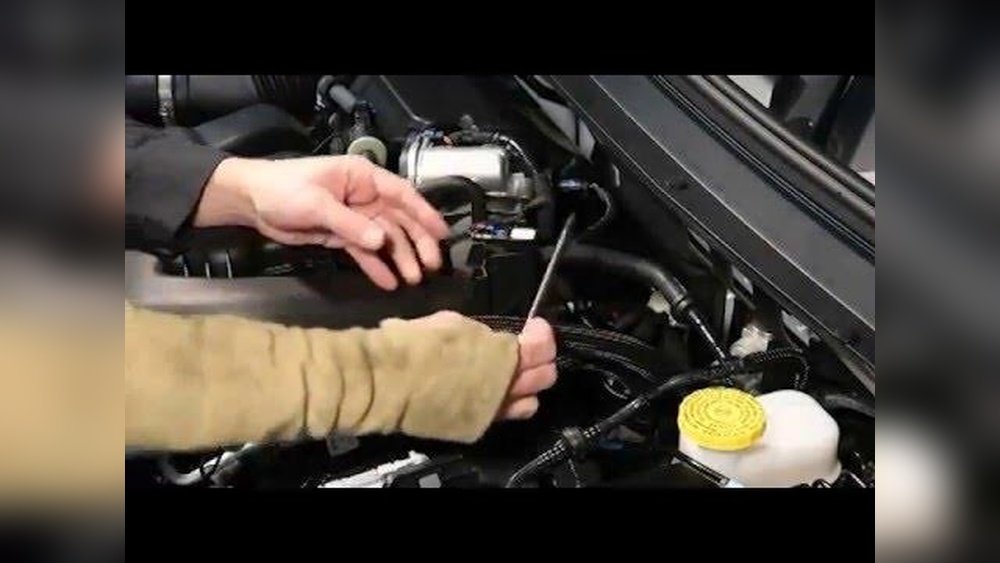
However, professionals and experienced DIYers can access the fluid using a special tool and a hidden tube. The transmission fluid check tube is located toward the rear of the engine bay, low down near the transmission housing. It’s usually capped with a yellow or black plug marked for dealer use only.
Locating The Check Tube
- Open the hood and secure it.
- Look down behind the engine, near the firewall (closer to the cabin side).
- Find a capped plastic tube—often hidden under wires or hoses.
- This is the access point for the transmission dipstick tool.
Jeep uses a special dipstick tool (part number 9336 or similar) for this tube. Most owners don’t have this, and it’s not sold at regular auto stores.
Why Did Jeep Remove The Dipstick?
Jeep moved to sealed transmissions to reduce owner errors and limit contamination. The idea was to make the transmission maintenance-free until higher mileage. However, in real life, fluid can still degrade or leak, so professional fluid checks are recommended every 60,000 miles.
How To Check Transmission Fluid Properly
If you want to check your fluid at home, you’ll need:
- A transmission dipstick tool (Jeep or aftermarket)
- A basic socket set
- Jack and jack stands (if you need to access from underneath)
- Gloves and rags
Step-by-step Process
- Warm up the engine: Run your Jeep until the transmission is at operating temperature (usually after 15–20 minutes of driving).
- Level ground: Park on a flat surface with the engine idling and foot on the brake.
- Access the check tube: Remove the plastic cap carefully.
- Insert the dipstick tool: Slide it into the tube until it bottoms out.
- Read the fluid level: There are markings for different temperatures. Make sure you reference the correct chart (see below).
- Top up if needed: Add only approved ATF+4 fluid in small amounts.
- Reinstall the cap: Make sure it’s fully sealed.
Transmission Fluid Level Reference Table
To read the dipstick correctly, compare the temperature and fluid level.
| Transmission Temp (°F) | Fluid Level Range (mm) |
|---|---|
| 86 | 18.5 – 24.5 |
| 104 | 26.5 – 32.5 |
| 122 | 32.5 – 38.5 |
| 140 | 38.5 – 44.5 |
Make sure your fluid matches the range for your transmission temperature.
Signs Your Transmission Fluid Needs Attention
Even with a sealed system, issues can develop over time. Watch for:
- Delayed or rough shifting
- Transmission slipping
- Burning smell
- Visible fluid leaks under your vehicle
If you notice these, have the transmission checked soon.
How To Add Or Change Transmission Fluid
Most owners will not need to add fluid unless there’s a leak. For full fluid changes, a professional is recommended because:
- The process requires the Jeep to be level and at the right temperature.
- Overfilling can cause foaming and shifting problems.
- Fluid must be ATF+4 and meet Jeep’s exact requirements.
If you want to add fluid:
- Remove the fill plug (same tube as for checking).
- Use a funnel designed for transmission fluid.
- Add small amounts, checking the level often.
Never use generic fluid or overfill.
Cost And Service Comparison
Transmission fluid service costs can vary. Here’s a quick comparison.
| Service Type | Average Cost (USD) | Time Required |
|---|---|---|
| Fluid Check Only | $50–$100 | 30 min |
| Full Fluid Change | $200–$400 | 1–2 hours |
| DIY Fluid Change | $60–$120 (materials) | 2–3 hours |
Professional service is usually safer and more accurate.
Two Common Mistakes Owners Make
- Trying to check fluid with the engine off: The fluid expands when warm, so levels will seem low if you check it cold.
- Using the wrong fluid: Only use ATF+4, never mix with other types.
When To See A Professional
If you’re unsure, it’s best to let a certified mechanic handle transmission fluid checks and changes. They have the tools and experience for your specific Jeep. Many shops also have the right diagnostic scanners to check for transmission error codes.
For more detail, Jeep’s official service manual is a useful guide. You can also visit the official Jeep website for updates and technical bulletins.
Frequently Asked Questions
Where Is The Transmission Fluid Dipstick On A 2016 Jeep Grand Cherokee?
There is no traditional dipstick. The fluid check tube is behind the engine, near the firewall, capped and intended for service use only.
Can I Check The Transmission Fluid Myself?
Yes, but you need a special dipstick tool and must follow the exact procedure. Most owners should visit a professional.
What Fluid Should I Use For My 2016 Grand Cherokee?
Always use ATF+4 transmission fluid, which meets Jeep’s requirements.
How Often Should I Change Transmission Fluid?
Jeep recommends fluid checks at 60,000-mile intervals under normal driving, but sooner if you tow or drive in tough conditions.
What Happens If I Overfill The Transmission?
Too much fluid can cause foaming, shifting problems, or leaks. Always fill to the correct level for your transmission temperature.
Taking care of your transmission is key to keeping your 2016 Jeep Grand Cherokee on the road for years. While Jeep has made things less DIY-friendly, knowing the basics helps you communicate with your mechanic and spot issues early.