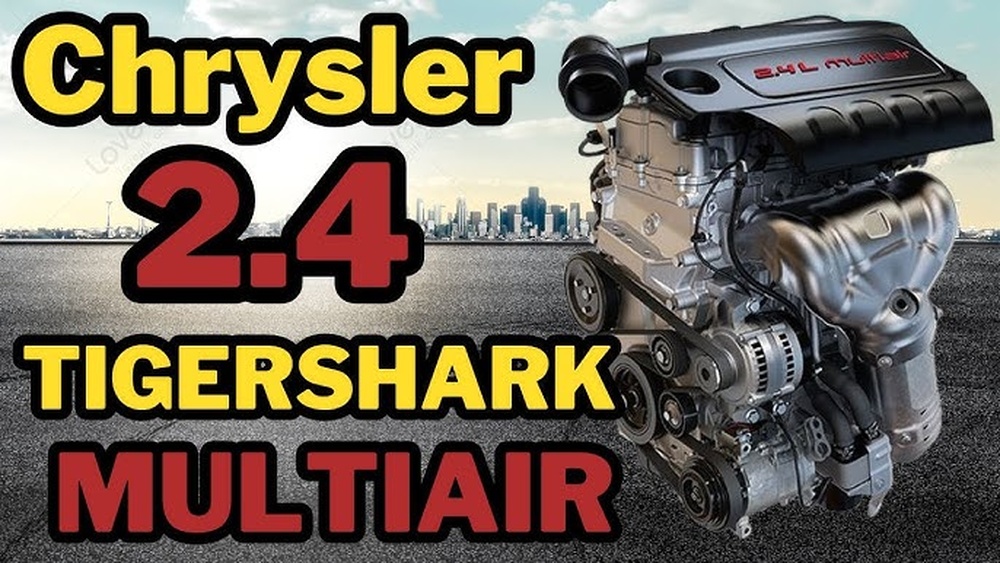
If you own a Jeep with the 2.4 Multiair engine, you know it can be a reliable powertrain—but only when running smoothly. Many drivers, especially those with the Jeep Renegade, Compass, or Fiat 500X, have faced engine issues that are confusing and stressful. If you’re dealing with rough idling, loss of power, or warning lights, you’re not alone. This guide will help you identify common problems, understand their causes, and give you clear steps to troubleshoot and fix them.
Common Problems With The 2.4 Multiair Engine
Understanding the most frequent issues with this engine is the first step. Here are the main complaints Jeep owners report:
- Oil consumption: Many 2.4 Multiair engines burn oil faster than expected.
- Check engine light: This can mean many things, but often points to sensor or emissions problems.
- Rough idle or stalling: The engine may shake, especially when cold.
- Loss of power: Acceleration feels weak or delayed.
- Timing issues: The Multiair system can develop problems that affect valve timing.
You may notice these symptoms together or separately. Quick action can prevent more serious damage.
Diagnosing The Problem
Start by paying attention to the symptoms and gathering as much information as possible. Never ignore engine warning lights.
Visual Checks
Look under the hood for these signs:
- Oil leaks around the valve cover or oil pan.
- Dirty or clogged air filter that may restrict airflow.
- Worn spark plugs or damaged coil packs.
Reading Error Codes
A simple OBD-II scanner lets you read error codes from your Jeep’s computer. Common codes for the 2.4 Multiair engine include:
- P0011/P0016: Problems with camshaft or crankshaft position sensors.
- P0300: Random misfire detected.
- P0520: Oil pressure sensor issue.
Write down these codes before clearing them. They are essential clues.
Comparing Engine Data
Here’s a quick reference for normal vs. problematic engine data:
| Parameter | Normal Range | Problem Indicator |
|---|---|---|
| Idle RPM | 700–800 | Unstable or <600 |
| Oil Pressure (idle) | 20–30 psi | <15 psi |
| Coolant Temp | 190–210°F | >220°F |
If your Jeep shows abnormal numbers, focus your troubleshooting in that area.
Fixing The Most Common Issues
Now let’s look at how to fix the top 2. 4 Multiair engine problems.
1. Reducing Excessive Oil Consumption
High oil use is typical. Causes include worn piston rings, bad PCV valves, or leaks. Here’s what you can do:
- Check oil level every 1000 miles. Top up as needed.
- Replace the PCV valve if it’s clogged or dirty.
- Use high-quality synthetic oil recommended by Jeep.
Neglecting oil levels can lead to engine failure.
2. Addressing Check Engine Light
If the light is on, don’t panic. Use your OBD-II scanner to read the code.
- For sensor-related codes (like P0011/P0016), check the wiring and connectors first.
- Replace faulty sensors if they’re damaged.
- After repairs, clear the code and see if it returns.
3. Fixing Rough Idle Or Stalling
A rough idle often points to spark or air/fuel mix issues.
- Replace spark plugs every 30,000 miles.
- Clean the throttle body and intake system.
- Inspect air filter and replace if dirty.
4. Power Loss And Hesitation
If your Jeep feels weak, the cause may be fuel delivery or Multiair actuator problems.
- Replace fuel filter if it’s clogged.
- Check for intake manifold leaks.
- If the Multiair actuator fails, it must be replaced—this is a specialized job.
5. Timing And Multiair Solenoid Issues
The Multiair system uses electronically controlled solenoids to manage valves.
- Listen for ticking noises from the top of the engine.
- Replace the Multiair actuator if tests show it’s faulty.
- Use genuine parts—cheap replacements often fail early.
Preventive Maintenance Tips
Regular care reduces problems and extends engine life.
- Change oil every 5,000–7,500 miles.
- Use the right oil viscosity (check your manual).
- Inspect drive belts and coolant hoses every service.
- Update the engine computer software if Jeep releases new versions.
A missed oil change or low oil level is the fastest way to ruin a Multiair engine.
Real-world Example
Maria, a Jeep Renegade owner, noticed her engine was using a quart of oil every 1,200 miles. Her mechanic found a clogged PCV valve and replaced it, which cut oil use in half. Later, a check engine light (P0011) appeared.
This was traced to a loose wiring connector at the camshaft sensor. With a new connector, the code cleared, and performance returned to normal.
These small fixes, when done early, can save thousands of dollars.
Cost Comparison: Diy Vs. Professional Repair
The cost for fixing common 2.4 Multiair engine issues can vary widely:
| Repair | DIY Parts Cost | Shop Labor Cost |
|---|---|---|
| Spark Plug Replacement | $40–$60 | $120–$200 |
| PCV Valve Replacement | $20–$50 | $100–$150 |
| Multiair Actuator | $500–$800 | $1000–$1800 |
| Sensor Replacement | $30–$80 | $100–$250 |
DIY repairs save money, but complex fixes (like the Multiair actuator) are best left to professionals.
Two Insights Most Owners Miss
First, many owners forget that software updates can solve engine problems. Jeep sometimes releases updates that improve Multiair performance or fix sensor issues. Ask your dealer to check for updates if you have persistent engine codes.
Second, the coolant temperature sensor can cause rough running and poor fuel economy if it fails, even without a warning light. If your Jeep’s temperature gauge acts up, consider replacing this sensor.
When To See A Professional
If you hear loud ticking, see constant warning lights, or experience total loss of power, stop driving and call for help. These may signal major mechanical failure, and continuing to drive can destroy the engine.

Frequently Asked Questions
What Causes High Oil Consumption In The 2.4 Multiair Engine?
High oil use is usually due to worn piston rings, a clogged PCV valve, or leaks. Regularly check and top up oil, and replace the PCV valve if needed.
How Often Should I Change The Oil In My Jeep 2.4 Multiair?
Change oil every 5,000 to 7,500 miles, using the oil type recommended in your manual. Frequent oil changes protect the Multiair system.
Is The Multiair System Reliable?
The Multiair system is reliable with proper maintenance, but it’s sensitive to oil quality and level. Skipping oil changes or using the wrong oil can cause expensive failures.
Can I Drive With A Check Engine Light On?
You can drive short distances, but you should read the code as soon as possible. Some issues are minor, but others can lead to major engine damage if ignored.
Where Can I Find More Technical Information About The Multiair Engine?
For more detailed specs and technical info, visit the official MultiAir Wikipedia page.
If you’re patient and catch problems early, the Jeep 2. 4 Multiair engine can deliver years of reliable service. Always listen to your engine, act quickly on warning signs, and don’t hesitate to consult a professional for complex issues.