Is The 3.6 Jeep Engine Good?
The 3.6-liter Jeep engine—also known as the Pentastar V6—has powered Jeeps for over a decade. Many drivers wonder if it’s reliable, powerful, and worth buying. In this guide, you’ll discover 36 key aspects of the 3.6 Jeep engine, each explained simply and clearly. Whether you’re buying a new Jeep or considering a used one, you’ll know exactly what to expect from this engine.
1. Engine Type
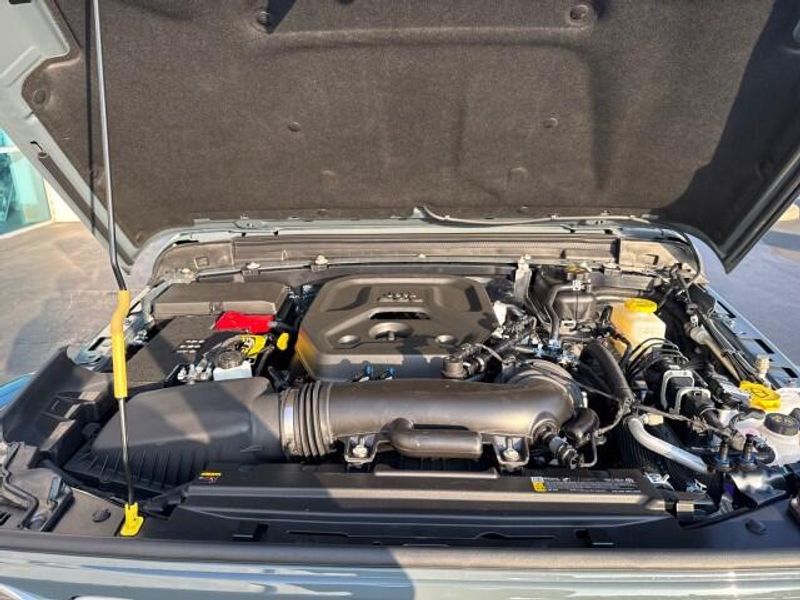
The 3.6 Jeep engine is a naturally aspirated V6. This means it uses six cylinders in a V shape and doesn’t rely on a turbocharger or supercharger.
2. Displacement
With a 3.6-liter displacement, this engine strikes a balance between fuel economy and power. This size is common in midsize SUVs.

3. Horsepower
Most 3.6 Pentastar engines deliver between 285–305 horsepower, depending on the model year and tuning.
4. Torque
It produces around 260 lb-ft of torque, giving enough low-end pull for off-roading and towing.
5. Fuel Economy
In a Jeep Wrangler, you can expect around 17–25 mpg (city/highway), which is reasonable for its size and power.
6. Reliability
Overall, the Pentastar V6 has a solid reliability record. Most owners report few major issues with regular maintenance.
7. Common Issues
Some early models (pre-2016) had rocker arm and cylinder head problems. Later versions improved these weaknesses.
8. Maintenance Costs
Regular servicing (oil, filters, spark plugs) is affordable. Major repairs are rare after 2016.
9. Timing Chain
The engine uses a timing chain (not a belt), which typically lasts the engine’s life if maintained well.
10. Oil Capacity
It holds about 6 quarts of oil. Always check the manual for your specific Jeep model.
11. Cooling System
The cooling system is robust, but always keep an eye on coolant levels, especially in hot climates.
12. Transmission Compatibility
The engine pairs well with both manual and automatic transmissions found in Wranglers, Cherokees, and Grand Cherokees.

13. Off-road Performance
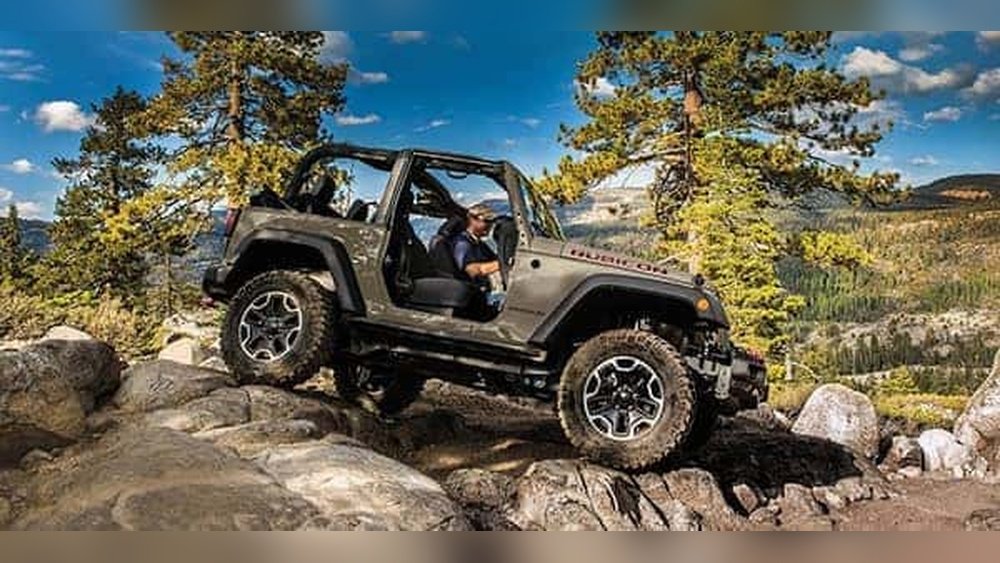
In a Jeep Wrangler, the 3.6 engine provides strong off-road capability, handling steep climbs and rough terrain confidently.
14. Towing Capacity
Most Jeep models with the 3.6 can tow up to 3,500–6,200 lbs depending on configuration.
15. Aftermarket Support
There’s a wide range of aftermarket parts for tuning, exhaust upgrades, and cold air intakes.
16. Emissions Compliance
The engine meets modern emission standards and is legal in all 50 U.S. states.
17. Engine Weight
Weighing about 425 lbs, it’s not too heavy for a V6, helping with vehicle balance.
18. Smoothness
The V6 layout offers good vibration control and smooth acceleration.

19. Start-stop System
Recent models include start-stop technology for better fuel efficiency in traffic.
20. Resale Value
Jeeps with the 3.6 engine generally hold their value well, especially Wranglers.
21. Noise Level
The engine is quiet at idle and highway speeds, with a satisfying growl under acceleration.
22. Engine Lifespan
With proper care, the 3.6 V6 can last 200,000+ miles.
23. Oil Filter Location
The oil filter is easy to access, making DIY oil changes simple.
24. Spark Plug Changes
It uses platinum or iridium spark plugs, which last 80,000–100,000 miles.
25. Water Pump
The water pump is reliable but should be checked every 100,000 miles.
26. Intake Manifold
The intake manifold design helps with even airflow, supporting both power and efficiency.
27. Exhaust Note
Many owners like the deep exhaust note, especially with aftermarket mufflers.
28. Throttle Response
The electronic throttle is responsive, making the Jeep feel lively in city and off-road driving.
29. Electronic Features
It supports modern electronics like push-button start and advanced infotainment systems.
30. Fuel Type
The engine runs well on 87-octane regular gasoline, keeping running costs reasonable.
31. Cylinder Deactivation
Unlike some competitors, the 3.6 does not use cylinder deactivation, avoiding some complexity.
32. Camshaft Design
A dual overhead camshaft (DOHC) setup allows better breathing at high RPM.
33. Engine Updates
In 2016, Jeep improved the rocker arms and cylinder heads, making newer versions more reliable.
34. Jeep Model Compatibility
The 3.6 V6 is found in:
- Wrangler
- Grand Cherokee
- Cherokee
- Gladiator
- Dodge models (like Charger and Grand Caravan)
35. Real-world Owner Feedback
Most owners praise the engine’s balance of power and economy. Complaints are rare after 2016.
36. How It Compares To Alternatives
Compared to the Jeep 2. 0 turbo and V8 Hemi, the 3. 6 offers a middle ground—more power than the 4-cylinder, better fuel economy than the V8.
Here’s a quick comparison for context:
| Engine | Horsepower | Torque (lb-ft) | MPG (highway) |
|---|---|---|---|
| 3.6 V6 | 285–305 | 260 | 23–25 |
| 2.0 Turbo | 270 | 295 | 24–27 |
| 5.7 Hemi V8 | 360 | 390 | 17–22 |
Insights Beginners Often Miss
- The 3.6 is not built for extreme towing. If you need to tow over 6,000 lbs often, consider the V8.
- Early Pentastar engines (2011–2013) had unique problems not found in later models. Buying a newer used Jeep means fewer worries.
Should You Choose The 3.6 Jeep Engine?
If you want solid reliability, good power, and reasonable running costs, the 3.6 Pentastar is an excellent choice. It’s not the most fuel-efficient or the strongest, but it’s the best all-rounder in the Jeep lineup.
Here’s how the 3.6 stacks up in three key areas:
| Category | Score (out of 5) |
|---|---|
| Reliability | 4 |
| Power | 4 |
| Efficiency | 3 |
If you want more data, Jeep provides engine details on their official website.
Frequently Asked Questions
Does The 3.6 Jeep Engine Have A Timing Belt Or Chain?
It uses a timing chain, which usually lasts the life of the engine if maintained properly.
What Is The Average Lifespan Of A 3.6 Pentastar Engine?
With regular maintenance, 200,000 miles or more is common.
Are There Known Issues With The 3.6 Engine?
Early models had rocker arm and cylinder head problems, but newer engines (2016+) are much more reliable.
Can The 3.6 Engine Handle Off-roading?
Yes. The 3.6 engine is strong enough for most off-road trails and obstacles.
Is The 3.6 Pentastar Better Than The 2.0 Turbo?
It depends. The 3.6 is simpler and usually more reliable, while the 2.0 turbo offers more torque and better fuel economy.
When you choose a Jeep with the 3. 6 engine, you’re getting a well-balanced blend of power, reliability, and value. It’s a smart choice for most drivers looking for a dependable SUV or truck.