The Jeep CJ is one of the most famous names in the world of off-road vehicles. People often wonder, “What does Jeep CJ stand for? ” The answer is simple, but the history behind it is rich and fascinating. Whether you love classic cars or just want to understand the roots of this iconic line, learning about the Jeep CJ helps you appreciate how it shaped the world of adventure vehicles.
What Does “cj” Mean?
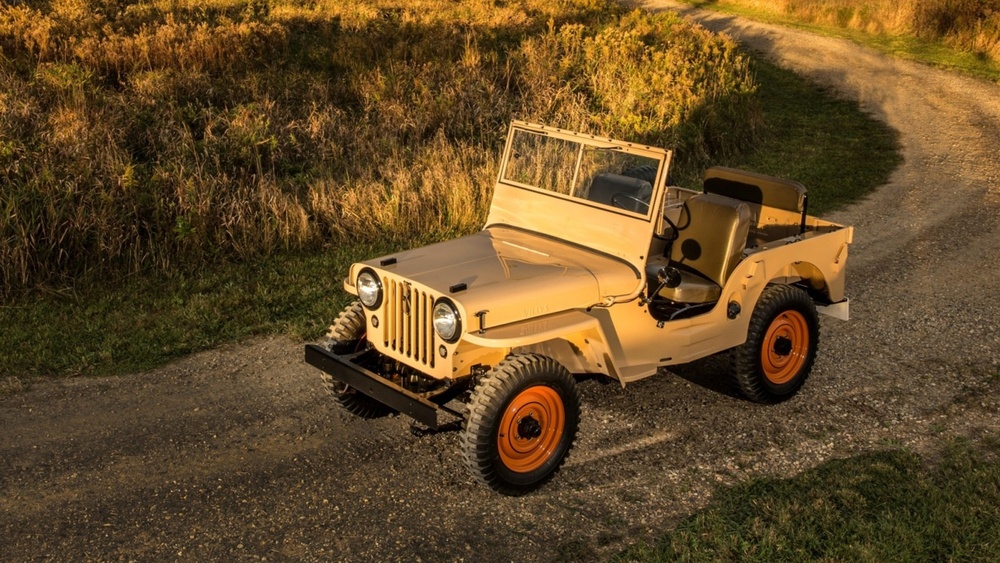
The CJ in Jeep CJ stands for “Civilian Jeep”. When World War II ended, Willys-Overland, the company that produced military Jeeps, wanted to make a version for everyday people. The first CJ, the CJ-2A, was introduced in 1944. It was designed for farming, ranching, and general use—not for war.
This marked a big shift. Before the CJ, Jeeps were built only for soldiers. The CJ line opened up the world of off-road driving to civilians. The name “CJ” reminds us that these vehicles were made for regular people, not just the army.
Jeep Cj Models And Their Differences
The Jeep CJ series includes several models, each with unique features and upgrades. Here’s a look at the main models and what makes them special.
| Model | Production Years | Main Features |
|---|---|---|
| CJ-2A | 1944–1949 | First civilian Jeep, flat front grille, side-mounted spare tire |
| CJ-3A | 1949–1953 | Improved windshield, stronger chassis |
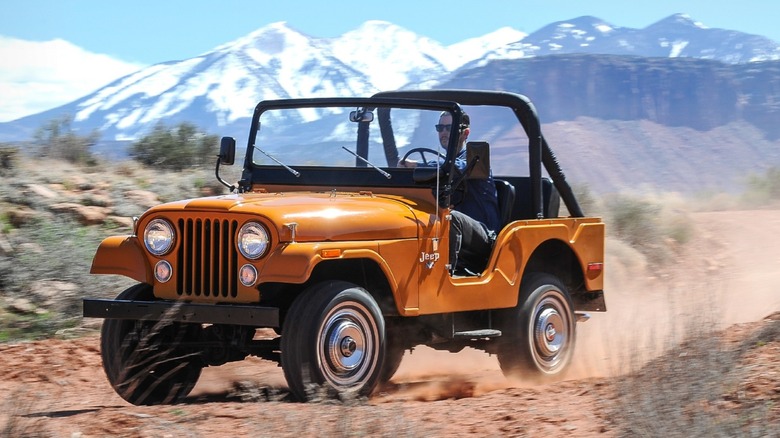
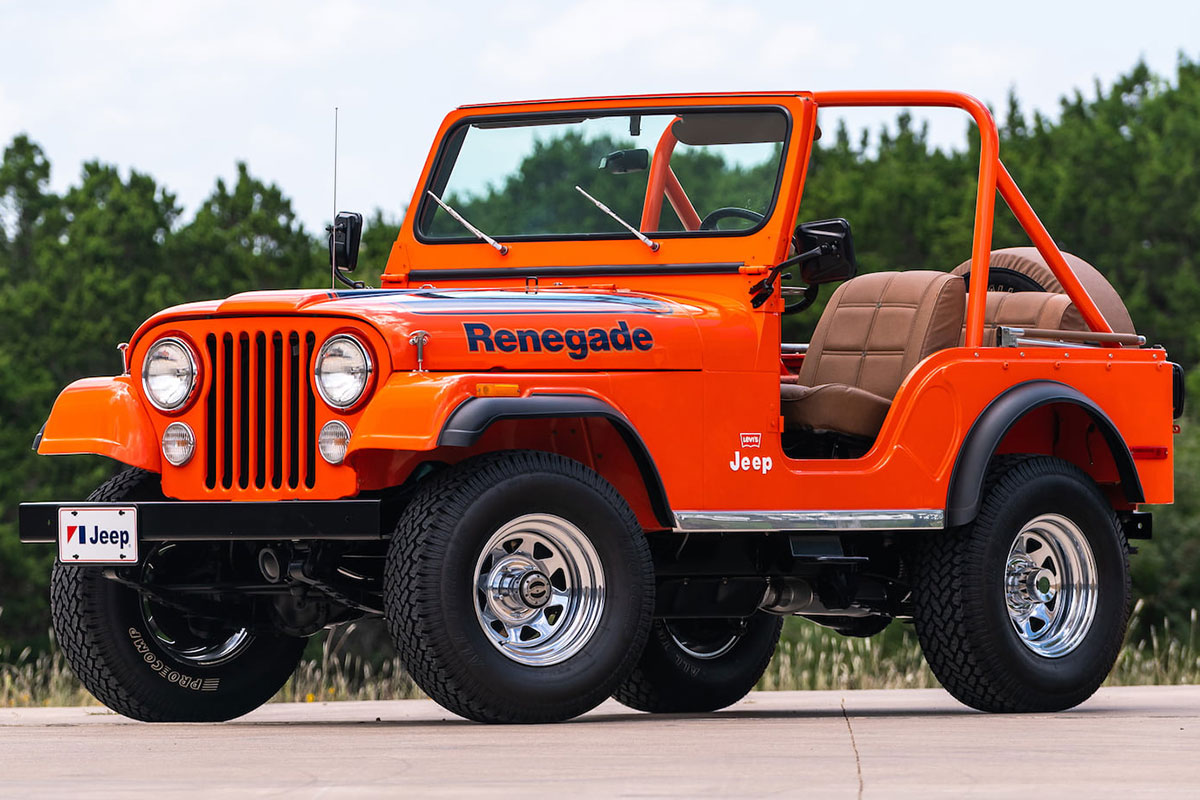
| CJ-5 | 1954–1983 | Rounded fenders, longer wheelbase, multiple engine options |
| CJ-7 | 1976–1986 | Extended wheelbase, automatic transmission option, removable doors |
| CJ-8 (Scrambler) | 1981–1986 | Pickup-style body, longer cargo bed |
The CJ-5 and CJ-7 are the most well-known. The CJ-7, for example, had a longer wheelbase and more comfort features, making it popular for both off-road and daily driving.
Why The Jeep Cj Became So Popular
Many people love the Jeep CJ for its simple design and tough build. Here are some reasons why it stood out:
- Easy to fix: The CJ was built with basic parts. This made repairs simple and cheap.
- Strong and reliable: These Jeeps could handle rough roads, mud, and snow. Farmers and outdoor lovers trusted them.
- Customizable: Owners could add winches, bigger tires, or special seats. It was easy to make a CJ fit your needs.
- Affordable: Compared to other 4×4 vehicles, the CJ was usually cheaper and more available.
A non-obvious insight: The CJ’s popularity also came from its ability to be used for both work and play. While many vehicles at the time were either for fun or for jobs, the CJ could do both.
Jeep Cj Vs. Modern Jeep Wranglers
The Jeep CJ line ended in 1986. It was replaced by the Jeep Wrangler, which continues the legacy. But the CJ and Wrangler are not exactly the same.
Here’s a clear comparison:
| Feature | Jeep CJ | Jeep Wrangler |
|---|---|---|
| Body Style | Simple, boxy | More rounded, modern |
| Safety | Basic, few safety features | Airbags, ABS, improved crash protection |
| Comfort | Minimal | Air conditioning, advanced sound systems |
| Engine Choices | Limited | Wide range, including V6 and hybrid |
| Customization | Very flexible | Still flexible, but more complex |
A second non-obvious insight: Many Jeep fans still prefer the CJ for its “bare bones” feel. While Wranglers are more comfortable and safe, the CJ connects drivers directly to the classic off-road experience.
Key Statistics And Interesting Facts
- CJ-5 was produced for almost 30 years, one of the longest runs of any Jeep model.
- Over 1.5 million CJ-5s were made.
- The CJ helped start the idea of the “weekend off-roader,” a vehicle used for both daily life and adventure.
- The CJ-7 introduced automatic transmission to the line, a major change for Jeep fans.
Common Uses And Legacy
The Jeep CJ was not just a car—it became a tool for many types of people. Here are some real examples:
- Farmers used it to pull equipment, carry tools, and drive across rough fields.
- Ranchers liked it for checking cattle and moving supplies.
- Outdoor fans used CJs for camping, hunting, and fishing trips.
- Military collectors still restore old CJ models to show their link to the wartime Jeep.
The CJ’s legacy is still strong. Many modern Jeeps are inspired by the CJ’s shape and spirit. You can find CJ models at vintage car shows and on tough trails around the world.

The End Of The Cj Line
The last CJ, the CJ-7, was made in 1986. The main reason for ending the CJ line was new safety rules. The Wrangler, launched in 1987, offered more comfort and safety features. Yet, the Wrangler kept many CJ traits—removable doors, open top, and strong 4×4 ability.
If you want to learn more about the history of the Jeep CJ, the official Jeep CJ Wikipedia page gives a detailed timeline and facts.
Frequently Asked Questions
What Does Cj Stand For In Jeep Cj?
CJ stands for Civilian Jeep. It marks the shift from military Jeeps to versions made for regular people.
Which Cj Model Is The Most Popular?
The CJ-5 is the most famous, with the longest production run and highest sales.
Are Jeep Cj Models Still Made Today?
No, Jeep CJ models stopped production in 1986. The Jeep Wrangler replaced them.
What Is The Difference Between Cj-7 And Cj-8?
The CJ-8 (Scrambler) has a pickup-style body with a longer bed, while the CJ-7 is a traditional Jeep with a shorter cargo area.
Can You Buy A Jeep Cj Now?
You can’t buy a new CJ, but used models are available. Many people restore old CJs for fun or shows.
The Jeep CJ stands as a symbol of freedom and adventure. Its simple design, tough build, and lasting legacy make it more than just a vehicle—it’s a piece of history. If you ever see a classic CJ on the road, you’re looking at the original civilian Jeep that started it all.