Jeeps are everywhere. From city streets to muddy trails, you see these rugged vehicles almost anywhere people drive. But why are Jeeps so popular, especially in the United States? It’s not just about looks or history. The reasons go deeper, mixing smart design, lifestyle appeal, and even clever marketing.
If you’re curious about why so many people love Jeeps, this article will break it down in clear, simple terms.
Iconic Design And History
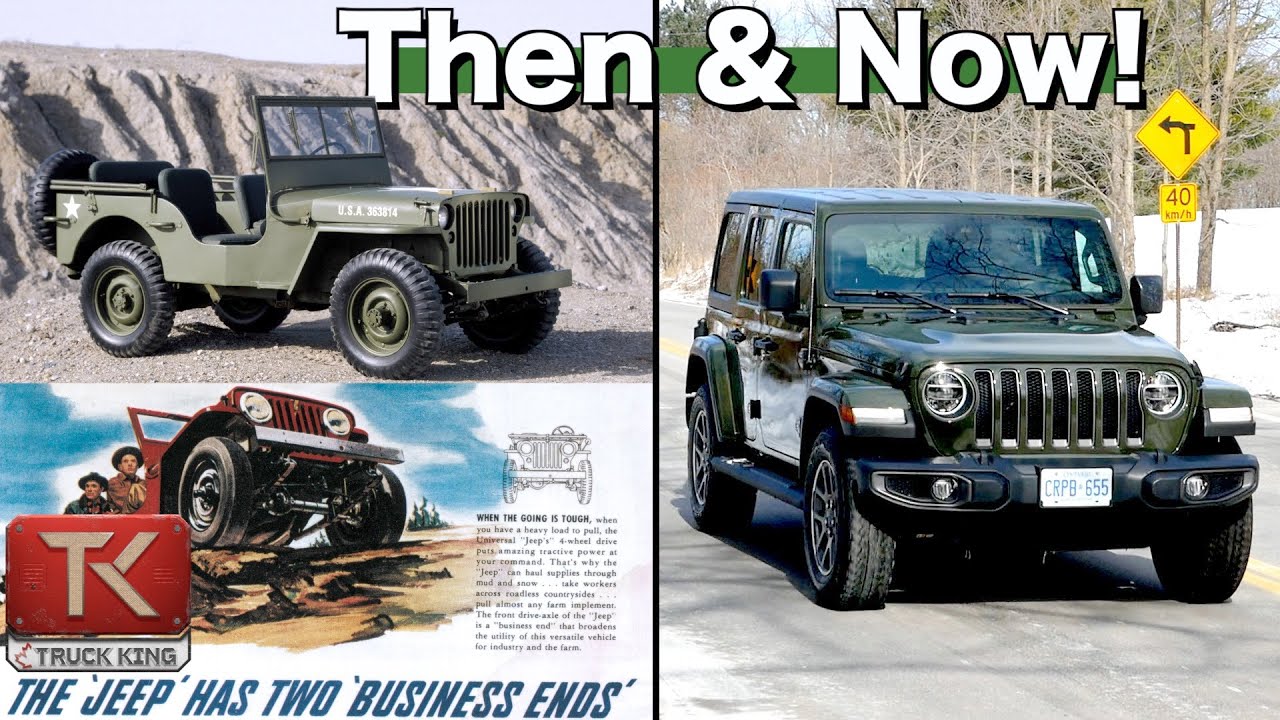
The classic Jeep look is easy to spot. With its boxy shape, round headlights, and seven-slot grille, it stands out from other SUVs. This design is more than just style—it’s a symbol. Jeeps started as military vehicles during World War II. Soldiers trusted them for their toughness and ability to go anywhere.
After the war, Jeeps became available to the public. Many people saw them as a sign of freedom and adventure. Over time, the design evolved but kept its original character. Today, you can still see hints of those early military Jeeps in models like the Wrangler.
Jeep’s Historical Timeline
| Year | Event |
|---|---|
| 1941 | Jeep introduced for military use |
| 1945 | First civilian Jeep (CJ-2A) released |
| 1987 | Wrangler launched, keeping classic style |
| 2020 | Jeep Gladiator pickup arrives |
Off-road Capability
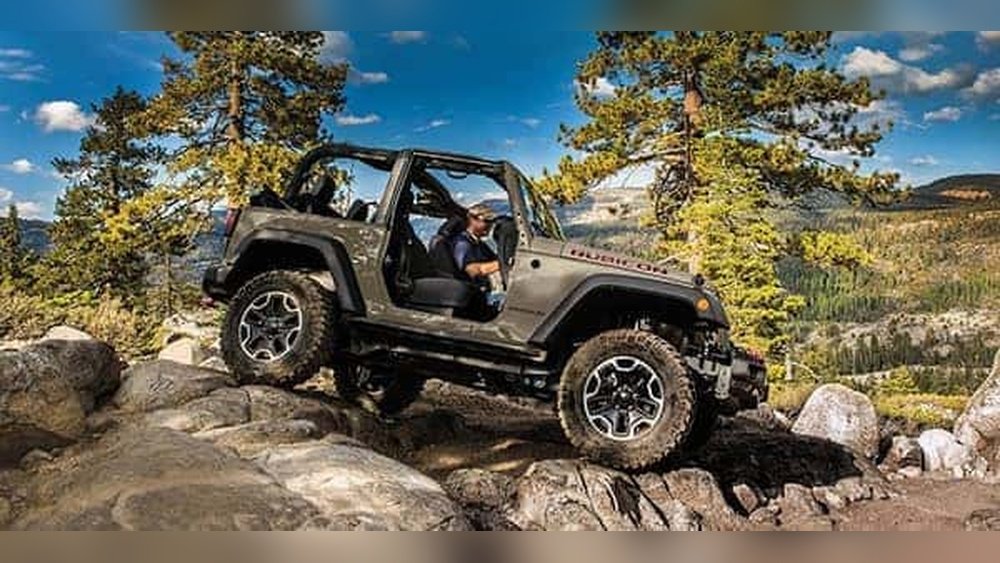
One of Jeep’s biggest selling points is off-road performance. Most Jeep models are built to handle tough conditions—mud, rocks, snow, and sand. Features like four-wheel drive, high ground clearance, and strong suspension make Jeeps ideal for outdoor enthusiasts.
Even if you never take your Jeep off-road, knowing it can handle rough terrain adds to its appeal. Many drivers feel safer in bad weather or on rough roads. This confidence is a major reason people choose Jeeps.
Off-road Features Compared
| Model | Ground Clearance (inches) | 4WD Standard? | Water Fording Depth (inches) |
|---|---|---|---|
| Wrangler | 10.8 | Yes | 30 |
| Grand Cherokee | 8.6 | Optional | 24 |
| Renegade | 8.7 | Optional | 19 |
Lifestyle And Community Appeal
Owning a Jeep is more than just having a car. It’s joining a community. Jeep owners often wave to each other, attend meetups, and share tips online. There’s a sense of belonging that comes with the brand.
Jeep also supports this lifestyle. Events like Jeep Jamboree and Camp Jeep bring people together for off-road adventures and socializing. Many drivers customize their Jeeps, adding special tires, lights, or roof racks. This makes each Jeep unique and shows off the owner’s personality.
Jeep Wave And Community Stats
- About 70% of Jeep Wrangler owners report waving to other Jeep drivers.
- Over 250 Jeep clubs exist in the US.
- Jeep Jamboree events attract thousands every year.
One non-obvious insight: The Jeep “wave” is a real tradition among owners, creating instant connection on the road. Another detail beginners might miss: Many Jeep communities help with off-road safety training, which makes the hobby safer for everyone.
Versatility And Practical Features
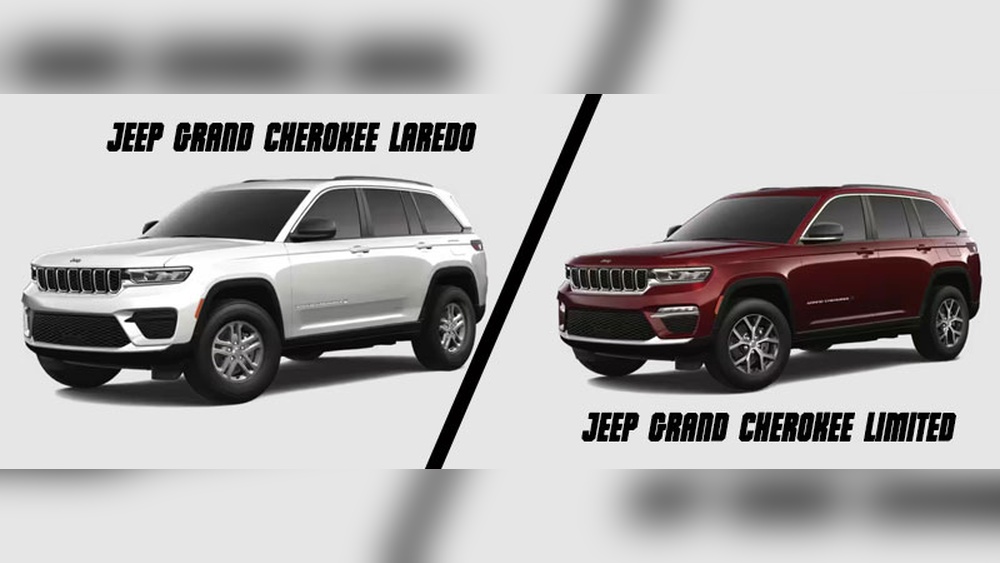
Jeeps are not just for off-roading. They work well for daily tasks, too. Many models offer spacious interiors and good cargo space. The Jeep Grand Cherokee, for example, is known for comfort and family-friendly features.
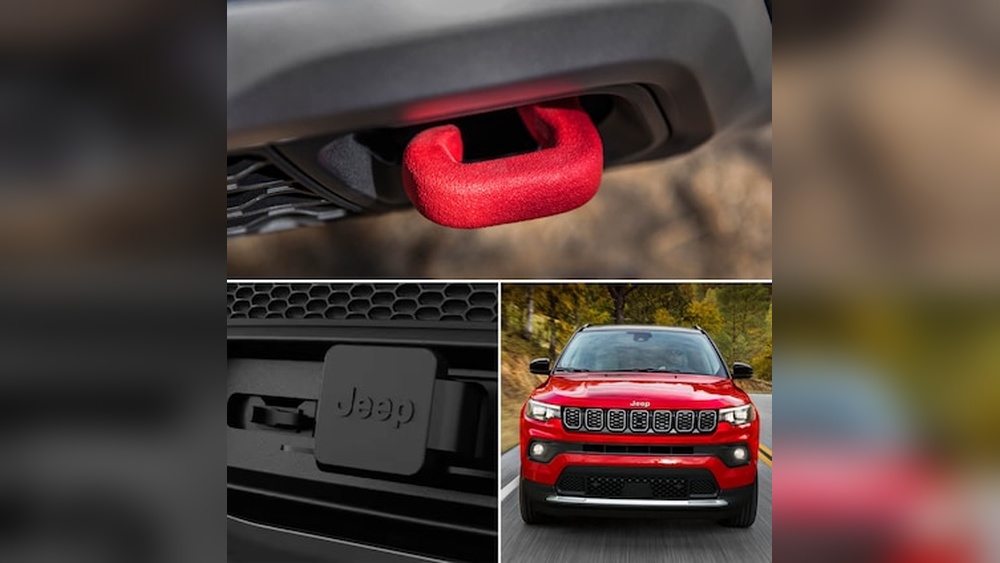
Some Jeeps are also fuel-efficient. The Jeep Compass gets up to 32 miles per gallon on the highway. This versatility makes Jeeps popular for both adventure seekers and city drivers.
Comparison: Jeep Vs. Other Suvs
| Feature | Jeep Wrangler | Ford Bronco | Toyota RAV4 |
|---|---|---|---|
| Removable doors/roof | Yes | Yes | No |
| Off-road rating | Excellent | Very good | Average |
| Cargo space (cu ft) | 31.7 | 35.6 | 37.6 |
| MPG (city/highway) | 17/25 | 17/20 | 27/35 |
Strong Brand And Marketing
Jeep’s brand is powerful. The company knows how to connect with people who want adventure and freedom. Their ads often show Jeeps climbing mountains or crossing rivers, tapping into people’s desire for excitement.
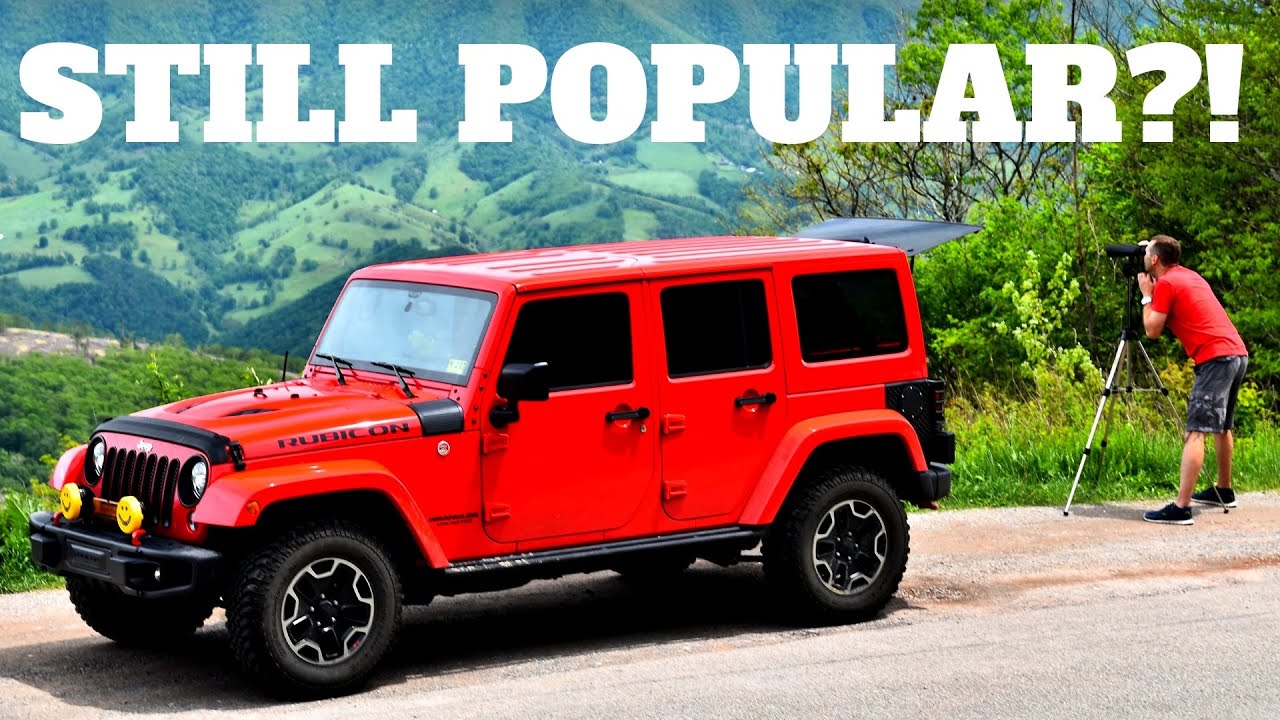
Jeep also uses clever marketing. For example, they offer special editions like the Rubicon or Trailhawk that promise extra capability. The brand name itself is recognized worldwide, and Jeep has won awards for reliability and resale value. According to a recent study, Jeep Wranglers keep about 60% of their value after five years, which is higher than most SUVs.
For those looking for more details about Jeep’s history and stats, the Wikipedia Jeep page offers deep information.
Frequently Asked Questions
Why Do People Wave At Each Other When Driving Jeeps?
This is called the Jeep wave. It’s a tradition among Jeep owners to show respect and friendship. It makes the Jeep community feel more connected.
Are Jeeps Expensive To Maintain?
Compared to other SUVs, maintenance costs for Jeeps can be a bit higher. Parts for off-road models like the Wrangler are pricier. However, regular models like the Compass are similar in cost to other vehicles.
Which Jeep Model Is Best For City Driving?
The Jeep Grand Cherokee and Jeep Compass are both good choices for city use. They offer comfort, good fuel economy, and easy handling.
How Safe Are Jeeps?
Most Jeeps have modern safety features like airbags, anti-lock brakes, and stability control. Some models have scored well in crash tests. Always check the latest safety ratings for each model.
Can Jeeps Be Customized Easily?
Yes, Jeep vehicles are known for their customization options. Owners can add accessories like roof racks, bigger tires, lights, and winches. The Wrangler is especially popular for modifications.
Jeep’s popularity isn’t just a trend—it’s built on decades of trust, smart engineering, and a unique lifestyle. Whether you want adventure or just a reliable car, Jeep offers something for almost everyone. The mix of history, community, and capability keeps the brand strong and loved around the world.