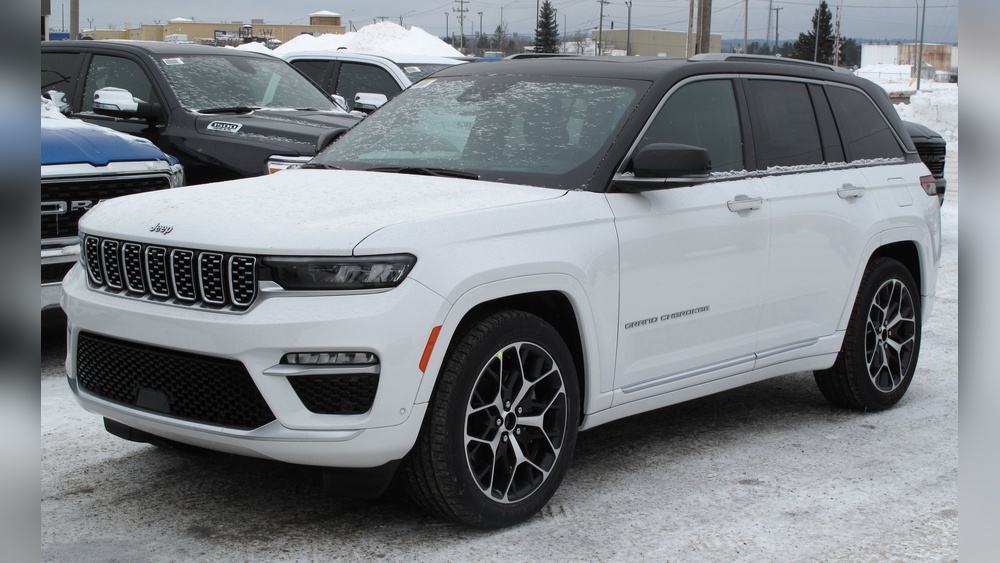
The 1999 Jeep Grand Cherokee marked a new era for Jeep’s popular SUV. Known for its rugged off-road ability and comfort, this model year also introduced a fresh design and a range of updates under the hood. But for many owners and buyers, the transmission is a key part of the story—sometimes a source of pride, other times a source of trouble. Whether you own one, plan to buy one, or just want to know more, understanding the 1999 Grand Cherokee’s transmission is important for a smooth ride and fewer headaches.
Transmission Types In The 1999 Grand Cherokee
The 1999 Grand Cherokee offered two main transmission options:
- 42RE 4-speed automatic – This was paired with the 4.0L inline-six engine. It was a traditional automatic, known for a simple design but sometimes criticized for rough shifts.
- 45RFE 4-speed automatic – Available with the 4.7L V8 engine, this transmission was more advanced for its time, offering smoother shifts and better handling of the V8’s power.
No manual transmission was available for the US market in 1999. Both automatics featured electronic controls, making them more efficient but also more complex than older models.
Transmission Specifications
Here’s how the two main transmissions compare in key areas:
| Transmission | Engine | Gears | Max Torque | Fluid Type |
|---|---|---|---|---|
| 42RE | 4.0L I6 | 4 | 350 lb-ft | ATF+4 |
| 45RFE | 4.7L V8 | 4 | 450 lb-ft | ATF+4 |
The ATF+4 fluid type is critical for both. Using the wrong fluid can cause shifting problems and damage.
Common Transmission Problems
The 1999 Grand Cherokee’s transmission is not without issues. Owners most often report:
- Rough or delayed shifting – Especially in cold weather or after the vehicle ages.
- Slipping gears – The transmission may lose power or “hunt” for the right gear.
- Check Engine Light – Often, this signals a transmission sensor or solenoid problem.
A less obvious problem is premature fluid breakdown. Many owners forget regular fluid changes, leading to overheating and faster wear.
Example Failure Rates
Based on owner surveys and mechanic reports, here’s a rough estimate of transmission problem frequency by mileage:
| Mileage | Minor Issues (%) | Major Failure (%) |
|---|---|---|
| 0-60,000 | 7 | 2 |
| 60,001-120,000 | 18 | 8 |
| 120,001+ | 30 | 20 |
Most serious problems appear after 120,000 miles if maintenance has been skipped.
Maintenance And Fluid Changes
Good maintenance can make a big difference. For the 1999 Grand Cherokee:
- Fluid change interval: Every 30,000 miles or 2 years, whichever comes first.
- Filter replacement: With every fluid change.
- Check for leaks: Especially around the transmission pan and cooler lines.
A common beginner mistake is using Dexron/Mercon fluid instead of ATF+4. Even if it seems to work at first, it can cause long-term damage.
Transmission Fluid Change Cost
Expect to pay between $150–$300 at a shop for a fluid and filter change. DIY costs are lower, but you need the right tools and patience.
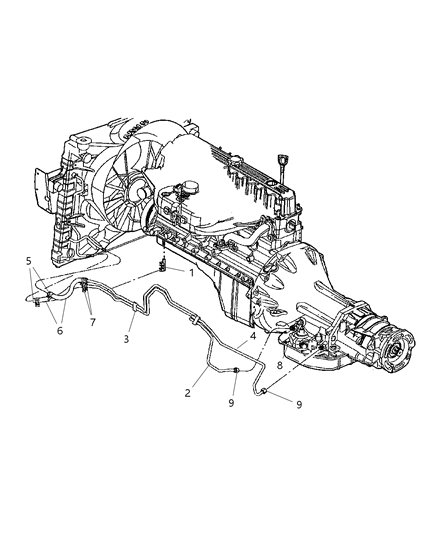
Signs Your Transmission Needs Attention
Watch for these symptoms:
- Delayed or harsh engagement when shifting from Park to Drive or Reverse.
- Burning smell from under the vehicle.
- Leaking red fluid on your driveway.
- Transmission warning light on the dashboard.
If you notice any of these, get your Grand Cherokee checked soon. Ignoring them can turn a simple fix into a full rebuild.
Upgrades And Replacement Options
If your transmission is failing, you have choices:
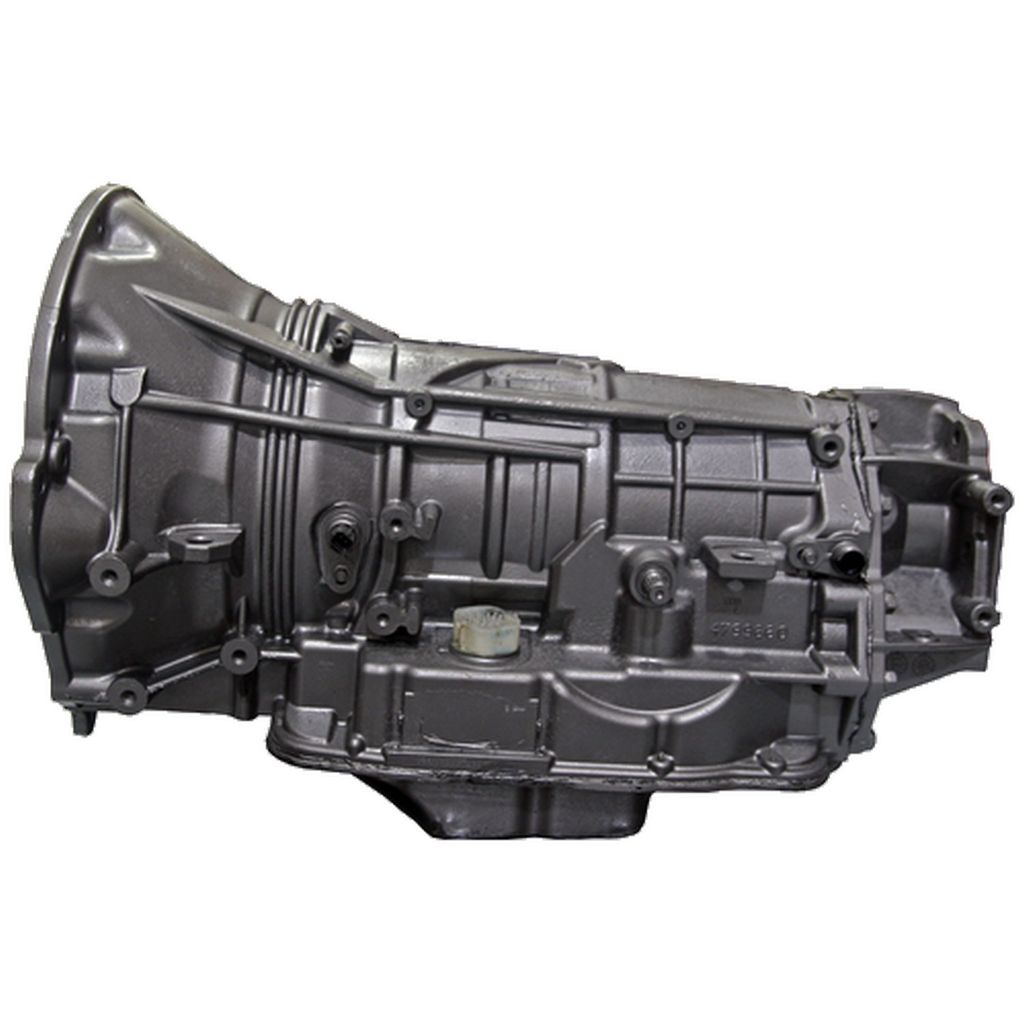
- Rebuild – A mechanic replaces worn parts. It’s cheaper than new but depends on the shop’s skill.
- Remanufactured transmission – Fully rebuilt in a factory setting with upgrades. Often comes with a warranty.
- Used transmission – Cheapest, but risky unless you know its history.
Some owners upgrade the 45RFE with shift kits for firmer shifts and longer life. These kits aren’t for everyone—they require expert installation.
How The 1999 Transmission Compares To Other Years
The 1999 model year was a transition. The 42RE was used in older Jeeps, but the 45RFE was new. In later years, Jeep upgraded to the 545RFE, adding an extra gear for better fuel economy and smoother driving.
Here’s a simple comparison:
| Year | Main Transmission | Number of Gears |
|---|---|---|
| 1998 | 42RE | 4 |
| 1999 | 42RE / 45RFE | 4 |
| 2001+ | 545RFE | 5 |
If you’re considering a used Grand Cherokee, know that the 45RFE is generally more robust than the 42RE but both need maintenance.
Non-obvious Insights For Owners
Most owners forget that transmission cooling matters. The 1999 Grand Cherokee’s transmission is cooled by a small radiator. If you tow or drive in hot climates, upgrading to a larger cooler can prevent overheating.
Another often-missed detail is the PCM (Powertrain Control Module) software. Jeep sometimes released updates that improve transmission performance and reliability. Ask your dealer about software updates if your Jeep shifts poorly.

Frequently Asked Questions
What Transmission Fluid Does The 1999 Jeep Grand Cherokee Use?
Both the 42RE and 45RFE use ATF+4. Never substitute other fluids, even if they seem compatible.
How Can I Tell Which Transmission My Jeep Has?
Check the engine: 4.0L models have the 42RE, while 4.7L V8 models have the 45RFE. The build sticker under the hood also lists the transmission code.
What Is The Cost To Replace A 1999 Grand Cherokee Transmission?
A rebuilt transmission can cost $1,800–$3,500 installed. Used units can be cheaper, but riskier. Remanufactured units usually have the best warranty.
Are There Any Recalls For The 1999 Transmission?
No major recalls, but some technical service bulletins (TSBs) were issued for shifting problems. Always check your VIN with a dealer for updates.
Where Can I Find More Technical Information?
The Jeep Grand Cherokee Wiki has deep technical info and owner guides. Visit Wikipedia for more.
The 1999 Jeep Grand Cherokee transmission is reliable with proper care, but requires attention to detail. If you keep up with fluid changes and watch for problems, it can last many years—even beyond 200,000 miles. For peace of mind and fewer surprises, learn your transmission’s needs and stay proactive.