If you drive a Jeep, especially models like the Wrangler or Cherokee, you might have heard the term death wobble. It sounds scary—and for good reason. Imagine your steering wheel shaking violently, your vehicle feeling out of control, and the whole experience lasting for several seconds. Many Jeep owners worry about this problem, but few know exactly what causes it or how to fix it. Let’s break down what the death wobble is, why it happens, and how you can deal with it confidently.
What Is The Death Wobble?
The death wobble is a sudden and intense shaking of the front wheels, steering wheel, and sometimes the whole vehicle. It usually happens after hitting a bump or pothole at speeds above 40 mph. Drivers describe the experience as terrifying, making it hard to control the Jeep until the vehicle slows down.
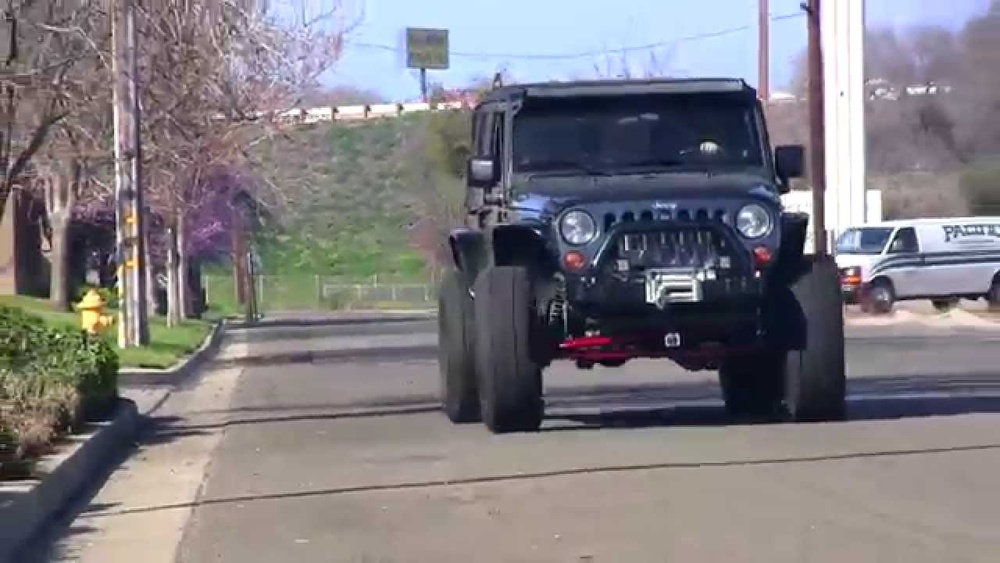
This problem mainly affects solid front axle Jeeps, like the Wrangler (especially the JK and TJ models) and the older Cherokee XJ. The design of the solid axle gives Jeeps their off-road strength, but it also makes them more likely to experience the death wobble compared to other SUVs with independent front suspensions.
What Causes The Death Wobble?
Many people think death wobble is just a tire problem, but it’s much more complex. The wobble usually happens because of loose, worn, or damaged parts in the Jeep’s steering or suspension. Here are the most common causes:
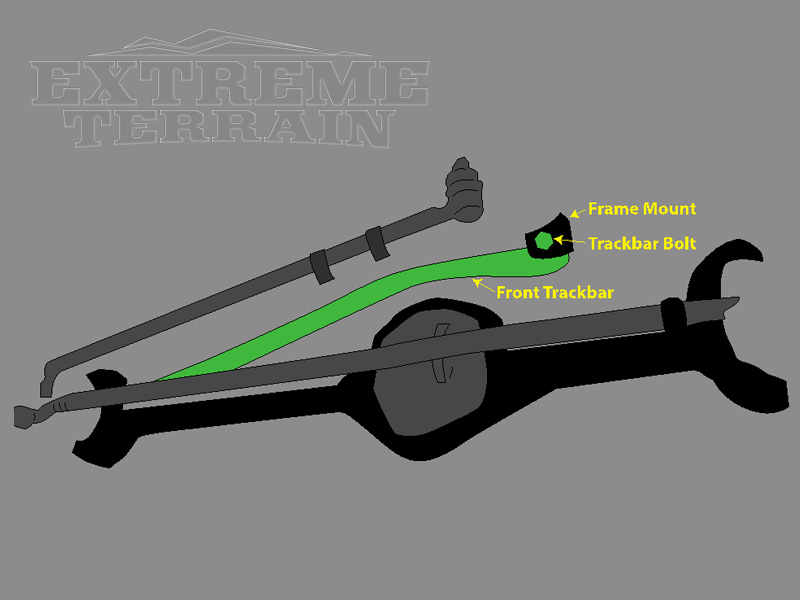
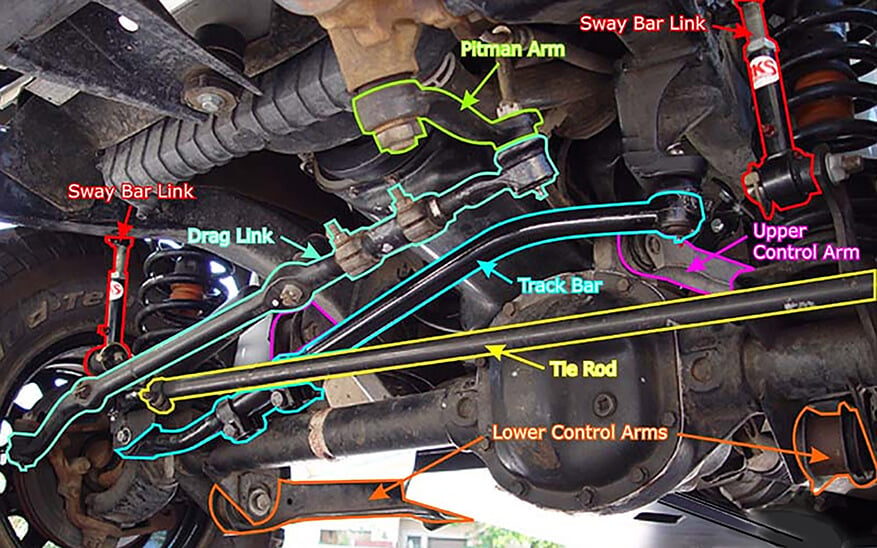
- Track bar issues: The track bar keeps the axle centered. If its bolts or bushings are loose or worn, the axle moves side to side, causing shaking.
- Tie rod and ball joints: Worn tie rods and ball joints make the steering unstable.
- Steering stabilizer: A weak or leaking stabilizer can’t control vibrations well.
- Wheel alignment and balance: Bad alignment or unbalanced wheels can make the problem worse.
- Suspension bushings: Old bushings allow extra movement in the suspension.
One non-obvious insight: Even small amounts of play in these parts can trigger death wobble. Many beginners check only for large damage, but minor looseness often causes the issue.

Signs Your Jeep Might Have Death Wobble
Early warning signs help you fix the problem before it gets worse:
- Steering feels loose or “wanders” on the road
- Unusual vibrations at highway speeds
- Clunking noises from the front suspension
- Uneven tire wear
If you notice these symptoms, inspect your Jeep immediately. Waiting can make repairs costlier and increase safety risks.
How To Fix Death Wobble In A Jeep
Solving death wobble requires careful inspection and repair. Here’s a step-by-step approach:
- Check the track bar: Make sure bolts are tight and bushings are in good condition. Replace if needed.
- Inspect tie rods and ball joints: Look for wear or looseness. Replace parts that have play.
- Test the steering stabilizer: If it leaks or feels weak, install a new one.
- Review wheel alignment and balance: Get a professional alignment and balance the tires.
- Examine suspension bushings: Replace any that look cracked or worn.
A common mistake: Many owners install a stronger steering stabilizer without fixing the root cause. This only hides symptoms and won’t solve the real problem.
Jeep Models Most Affected
Not all Jeeps suffer equally. Here’s a comparison of models commonly linked to death wobble:
| Model | Front Axle Type | Reported Cases | Years Most Affected |
|---|---|---|---|
| Wrangler JK | Solid | High | 2007-2018 |
| Wrangler TJ | Solid | Medium | 1997-2006 |
| Cherokee XJ | Solid | Medium | 1984-2001 |
| Grand Cherokee | Independent | Low | 2011+ |
Solid axle models have more cases because the design is less forgiving when parts become loose.
How To Prevent Death Wobble
Prevention is easier than repair. Here are practical tips:
- Regularly inspect the track bar, tie rods, and ball joints.
- Keep tires properly inflated and balanced.
- Avoid oversized tires without upgrading suspension.
- Get a professional alignment after off-road trips.
Another insight: Lifting your Jeep changes suspension angles, increasing death wobble risk unless you upgrade related parts.
Repair Cost Comparison
If you need to fix death wobble, costs vary depending on which parts are damaged. Here’s a breakdown:
| Part | Average Cost (USD) | Labor Time |
|---|---|---|
| Track Bar | $150-$300 | 1-2 hours |
| Ball Joints | $250-$500 | 2-3 hours |
| Steering Stabilizer | $50-$100 | 30 minutes |
| Alignment | $80-$150 | 1 hour |
Total repair costs can range from $80 to $1000, depending on the Jeep’s condition and parts needed.
Real-life Example
In 2019, a Jeep Wrangler JK owner reported death wobble after hitting a pothole. The dealership found a loose track bar bolt and worn tie rod ends. After tightening the bolt and replacing the tie rods, the problem disappeared. This shows that simple fixes can solve even scary problems if you know where to look.
Frequently Asked Questions
What Should I Do If My Jeep Gets Death Wobble While Driving?
Stay calm, slow down safely, and avoid sudden steering movements. Pull over and inspect your Jeep as soon as possible.
Can Death Wobble Happen To Other Vehicles?
Yes, but it’s most common in vehicles with a solid front axle. Trucks and some older SUVs can also experience it.
Will Bigger Tires Cause Death Wobble?
Oversized tires increase stress on suspension parts. If you add bigger tires, upgrade your steering and suspension to handle the extra weight.
Is Death Wobble Dangerous?
Yes, it can make your Jeep hard to control, especially at high speeds. Fix the problem immediately to stay safe.
Where Can I Find More Technical Information?
You can read more about the death wobble and solid axle designs at Wikipedia.
If you own a Jeep, understanding death wobble is important for safety and enjoyment. Regular maintenance, careful inspection, and prompt repairs will keep your Jeep running smoothly. Don’t let myths or fear hold you back—most cases are fixable with basic tools and knowledge.