If you drive a Jeep Wrangler or another solid-axle Jeep, you may have heard of a problem called death wobble. The name sounds dramatic, and for good reason—it’s a violent shaking of the steering wheel that can make any driver panic. But what actually causes death wobble on Jeeps? Why does it happen, and what can you do about it? Let’s break down the real reasons behind this problem, how to spot early signs, and how to fix it with confidence.
What Is Death Wobble?
Death wobble is not just a simple vibration or minor shake. It’s a powerful and rapid oscillation in the steering system, usually triggered when you hit a bump at speeds above 40 mph. The steering wheel shakes left and right so hard that it feels like you could lose control. Most drivers have to slow down or stop completely to make it go away.
Not all Jeeps are affected, but it’s most common in Wranglers (YJ, TJ, JK, JL) and some Cherokees with solid front axles. Modified suspension or larger tires can increase the risk, but even stock Jeeps can experience it.
Main Causes Of Death Wobble On Jeeps
Several components must work together for your Jeep’s front end to feel stable. If just one part wears out or gets loose, death wobble can happen. Here are the top causes:
1. Worn Track Bar Bushings Or Bolts
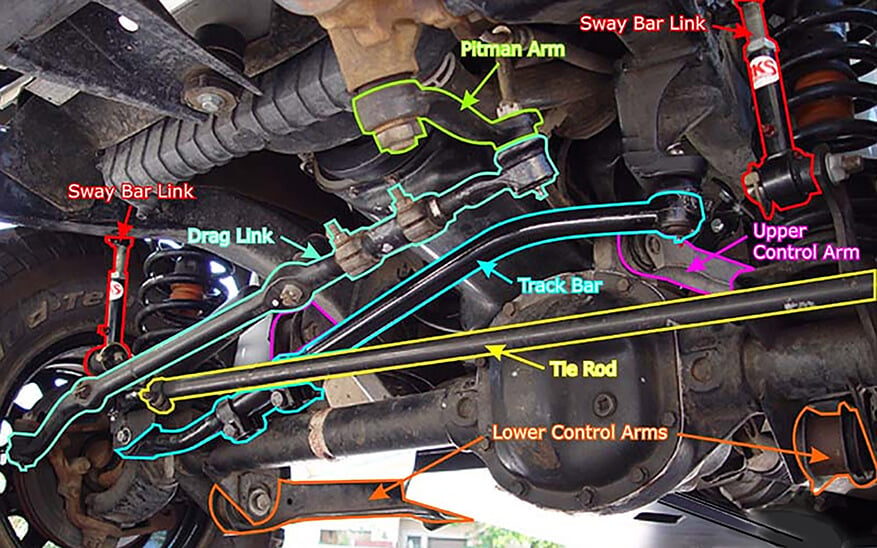
The track bar (also called panhard rod) is the most common culprit. It holds the axle centered under your Jeep. If its bushings or bolts are worn, the axle can shift side-to-side, starting the wobble.
2. Loose Or Worn Tie Rod Ends
Tie rod ends connect your steering system to the wheels. If these joints become loose, they can’t control movement properly, letting vibrations build up.
3. Failing Ball Joints
Ball joints allow your front wheels to turn and move up and down. When they wear out, the wheels can wobble, which amplifies steering shake.
4. Bad Wheel Alignment
Incorrect toe-in or caster angle can make the steering feel loose. This allows oscillations to start more easily, especially after hitting a pothole.
5. Weak Or Broken Steering Stabilizer
The steering stabilizer is like a shock absorber for your steering. If it’s leaking or damaged, it can’t dampen small shakes that lead to death wobble. However, a stabilizer alone is rarely the root cause—it just hides the real problem.
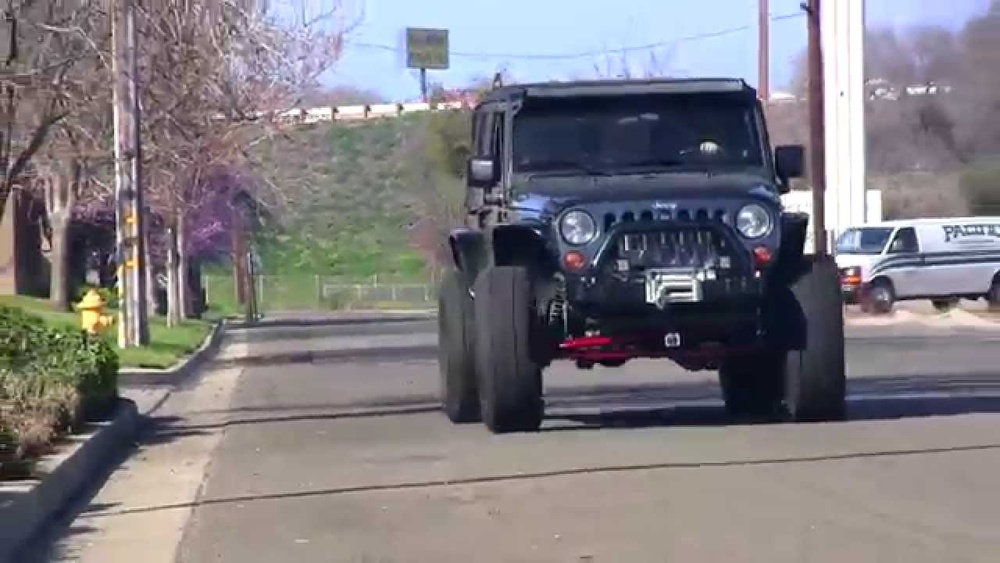
6. Suspension Lift Kits And Larger Tires
Many Jeep owners add lift kits or bigger tires. These changes add stress to steering and suspension parts, and sometimes installation mistakes leave bolts under-torqued.
7. Bent Or Damaged Axle Or Suspension Parts
After an accident or severe off-roading, parts like the axle housing or control arms can bend, throwing everything out of alignment.
How To Diagnose Death Wobble
Finding the exact cause isn’t always simple. Here’s how experienced mechanics check for death wobble:
- Inspect all steering and suspension bolts for tightness.
- Grab the track bar at each end and shake it hard. Any movement means the bushings or bolts are bad.
- Check tie rod ends and drag link by moving the steering wheel with the engine off. Look for loose joints.
- Lift the front axle and wiggle the tires up/down and side-to-side. Play in the ball joints or wheel bearings will be obvious.
- Look for bent components underneath, especially after off-road use.
Most times, there isn’t just one bad part—several may be worn out. Fixing only one won’t solve the problem if others are close to failure.
Real-world Example: What Jeep Owners Experience
Imagine driving your 2015 Jeep Wrangler at 55 mph. You hit a small bump, and suddenly the steering wheel starts shaking violently. You have to slow to 20 mph before it stops. After pulling over, you check the wheels but see nothing wrong. This situation is classic death wobble, often caused by a loose track bar bolt or worn tie rod end.
Data: Which Jeeps Are Most Affected?
Here’s a comparison of how often different Jeep models experience death wobble:
| Jeep Model | Death Wobble Frequency | Years Most Affected |
|---|---|---|
| Wrangler JK | High | 2007–2018 |
| Wrangler TJ | Medium | 1997–2006 |
| Wrangler JL | Medium | 2018–present |
| Cherokee XJ | Low | 1984–2001 |
How To Fix Death Wobble
Fixing death wobble is about finding and repairing the real cause, not just hiding the symptoms. Here are the steps:
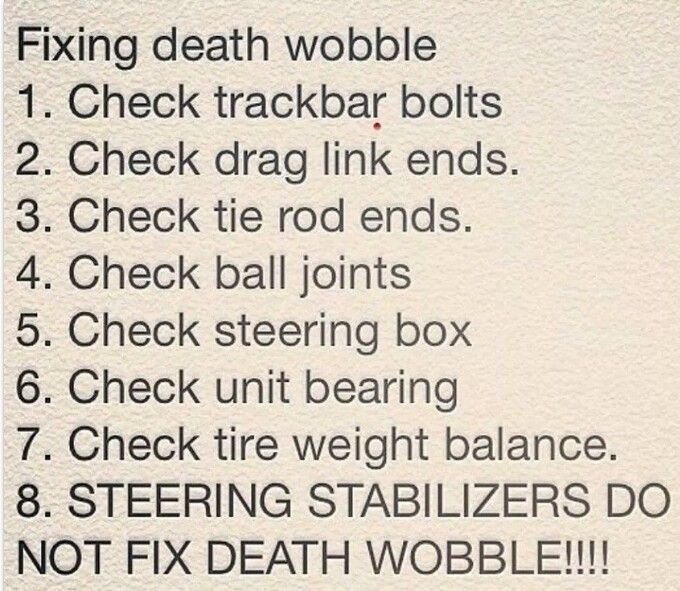
- Check and tighten all bolts on the track bar, control arms, and steering.
- Replace worn bushings, ball joints, and tie rod ends—never ignore even slight play.
- Get a professional wheel alignment after repairs.
- Upgrade worn steering stabilizer only after other issues are fixed.
- Balance all tires. Even a small imbalance can trigger wobble in a sensitive system.
- Inspect for frame cracks or bent parts if the problem keeps coming back.
Pro tip: Many Jeep owners replace the track bar with a heavy-duty aftermarket version. This can prevent future problems, especially if you run larger tires or go off-road often.
Common Myths About Death Wobble
Many believe that death wobble is normal for lifted Jeeps, but that’s not true. A properly built and maintained Jeep should drive smoothly, even with a lift. Another myth is that a new steering stabilizer will solve everything. In reality, it only masks the issue for a short time.
A less-known insight: Death wobble can sometimes start after a routine service if a mechanic forgets to torque bolts correctly. Always re-check critical bolts after any suspension or steering work.
Death Wobble Vs. Other Vibrations
Not every shake is death wobble. Here’s how it compares:
| Type | Symptoms | Typical Causes |
|---|---|---|
| Death Wobble | Violent, side-to-side steering shake | Loose/worn suspension parts |
| Tire Vibration | Steady vibration at speed | Unbalanced tires |
| Brake Pulsation | Shaking only when braking | Warped rotors |

When To Seek Professional Help
If you can’t find the cause or the wobble returns after repairs, don’t risk your safety. Visit a shop with experience in Jeep suspension. Some problems, like a cracked frame or bent axle, need expert tools to find.
For more technical detail, you can read the official guidance on Wikipedia.
Frequently Asked Questions
What Is The First Thing To Check If My Jeep Has Death Wobble?
Start with the track bar. Make sure its bolts are tight and the bushings aren’t worn. This is the most common cause.
Can Death Wobble Damage My Jeep?
Yes, if left unfixed, death wobble can wear out other steering and suspension parts faster, leading to more expensive repairs.
Will Bigger Tires Always Cause Death Wobble?
No, but larger tires add stress to parts. With proper installation and maintenance, most lifted Jeeps are safe from death wobble.
Is Death Wobble Covered Under Warranty?
Some suspension parts may be covered if your Jeep is still under warranty. However, modifications can void coverage. Check with your dealer.
Can I Drive Home If My Jeep Starts To Death Wobble?
It’s best to slow down and pull over safely. Driving with death wobble is risky, especially at high speeds.
A Jeep with death wobble isn’t just annoying—it’s unsafe. Catching and fixing the root causes will give you back a safe, smooth drive, whether you’re on the highway or the trail. Regular checks and quality repairs are the key to keeping death wobble away for good.