Many people notice small rubber ducks placed on Jeeps in parking lots, events, or even while driving. At first, it may seem strange or playful, but this trend has grown into a unique tradition among Jeep owners. Why do people put ducks on their Jeeps? The answer goes beyond just decoration or humor. This article explores the origins, meaning, and impact of Jeep ducking, including how it connects drivers and builds a sense of community.
The Origin Of Jeep Ducking
The practice of placing rubber ducks on Jeeps, called “Jeep ducking,” began in 2020 in Ontario, Canada. A Jeep owner named Allison Parliament wanted to spread positivity after a difficult experience. She started leaving rubber ducks on other Jeeps with friendly notes. Soon, other Jeep enthusiasts joined the movement, and it quickly spread across North America and then globally.
Today, Jeep ducking is recognized at Jeep events, in online communities, and by thousands of Jeep owners. It’s not only a fun game but also a symbol of kindness and connection.
What Ducking Means To Jeep Owners
For many Jeep fans, the duck is more than a toy. It represents belonging to a special group. Owners often feel pride when they find a duck on their vehicle, knowing someone appreciated their Jeep.
Ducking is seen as:
- A sign of respect for other Jeep owners
- A way to start conversations and make friends
- An act of kindness that brightens someone’s day
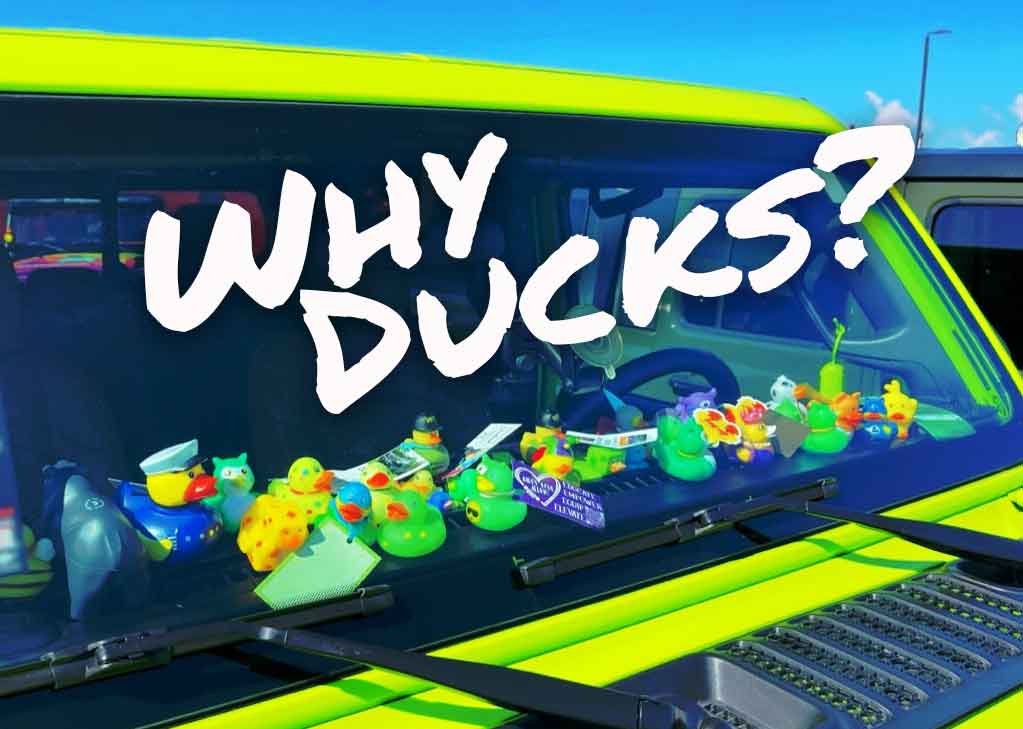
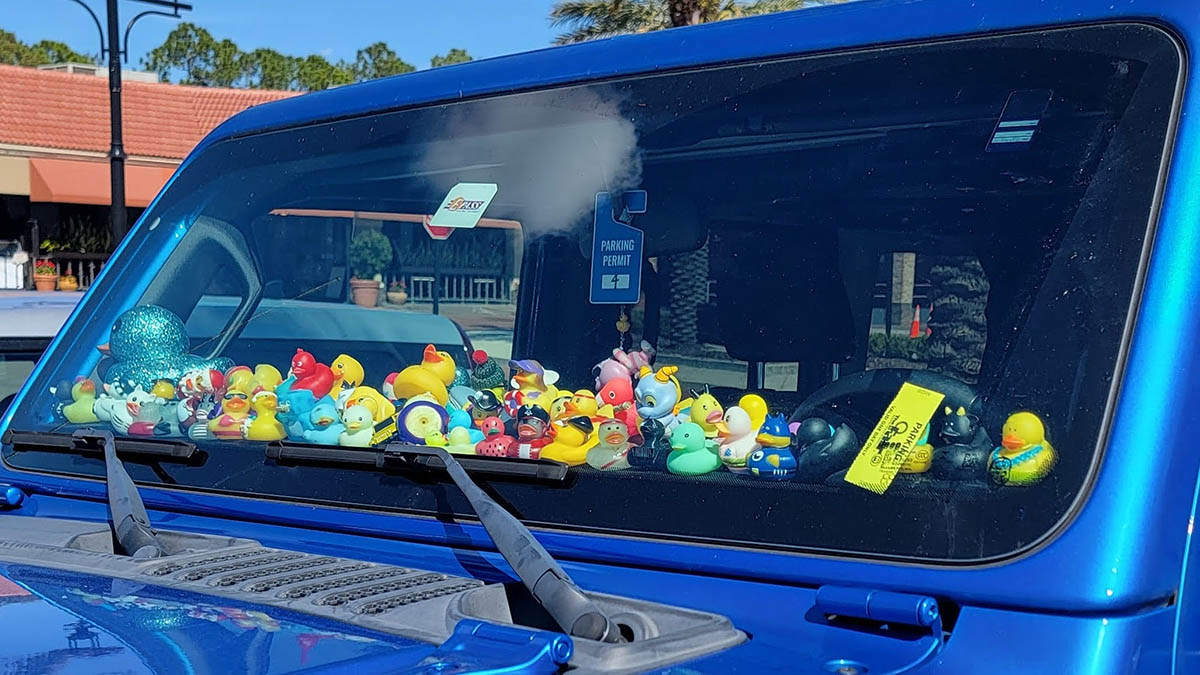
Some Jeeps collect dozens or even hundreds of ducks, showing their popularity in the community.

How Ducking Works
The process is simple. When a Jeep owner sees another Jeep, they place a small rubber duck on it, usually on the door handle or windshield. They sometimes include a note or tag explaining the tradition.
Here’s a quick breakdown of how ducking happens:
- Buy a pack of rubber ducks (any color, size, or style)
- Spot a Jeep in public
- Place a duck on the Jeep, often with a friendly note
- Share a photo on social media with hashtags like #duckduckJeep
Some owners get creative, using themed ducks or personalized messages. Events like Jeep festivals often include ducking contests.
Why Ducks? The Symbolism
Ducks are friendly, harmless, and playful. They are easy to recognize and bring smiles. The rubber duck is also affordable and widely available. For Jeep owners, ducks became the mascot of this new tradition because they stand out and make people happy.
The choice of ducks over other toys is practical. Ducks are waterproof, easy to clean, and fit well on vehicle surfaces. Their bright colors are visible from a distance, catching attention quickly.
Ducking Compared To Other Car Traditions
Jeep ducking is unique, but other car groups have similar customs. For example, some motorcycle clubs use patches or challenge coins. Volkswagen fans exchange stickers. These traditions help members feel part of a group.
Below is a comparison of popular vehicle community traditions:
| Vehicle Group | Tradition | Purpose |
|---|---|---|
| Jeep | Rubber Ducking | Friendship, positivity |
| Volkswagen | Sticker Exchange | Identity, belonging |
| Motorcycle | Challenge Coins | Recognition, achievement |
One insight many beginners miss is the role of social media in spreading these traditions. Hashtags and online groups help connect people and encourage participation worldwide.
The Impact On Jeep Culture
Jeep ducking has changed how people view Jeep ownership. It’s not just about driving an off-road vehicle; it’s about joining a community. Many Jeep owners say ducking makes them feel more welcome and valued.
A recent survey by Jeep forums found that over 65% of Jeep owners have received at least one duck, and 40% actively participate in ducking. This level of engagement shows how important the tradition has become.
Jeep dealerships sometimes give ducks to new buyers, and some Jeep clubs hold ducking events for charity.
| Year | Estimated Participants | Social Media Posts (#duckduckJeep) |
|---|---|---|
| 2020 | 500 | 2,000 |
| 2022 | 20,000 | 150,000 |
| 2024 | 100,000+ | 700,000+ |
Another insight beginners overlook is the boost in local Jeep club activity. Ducking often leads to new friendships, group drives, and community service projects.
Tips For Joining The Ducking Tradition
If you want to start ducking, follow these steps:
- Choose rubber ducks that are clean and safe
- Write a short note explaining ducking, such as “You’ve been ducked! Welcome to the Jeep family.”
- Place ducks in visible but safe spots (avoid blocking mirrors or vents)
- Respect private property and local laws
- Join Jeep groups online for sharing and inspiration
Don’t overthink it. The goal is to spread fun and positivity. Some Jeep owners even trade rare ducks, adding a playful competition.
Jeep events, such as festivals and meetups, often feature ducking as a game or contest. Owners compete to collect the most ducks or share creative photos. Social media platforms, especially Instagram and Facebook, use hashtags like #duckduckJeep to connect participants.
These activities build stronger communities and help newcomers feel involved. Jeep ducking is now part of official Jeep culture, mentioned in magazines and even on the Jeep Wikipedia page.
Frequently Asked Questions
What Is Jeep Ducking?
Jeep ducking is the tradition of placing rubber ducks on Jeeps to spread kindness and connect owners. It started in 2020 and has grown worldwide.
Do All Jeep Models Participate In Ducking?
Yes, all models—from Wrangler to Grand Cherokee—can be ducked. The tradition is not limited to a specific type or year.
Is Ducking Only For Jeep Owners?
Mostly, yes. While anyone can place a duck, the community is centered on Jeep drivers. Other car groups have their own customs.
How Many Ducks Do People Usually Collect?
Numbers vary. Some owners display a single duck, while others collect dozens or even hundreds. It depends on local activity and personal involvement.
Are There Rules For Ducking?
There are no strict rules. The main guidelines are to be respectful, avoid causing damage, and keep the spirit friendly and positive.
Putting ducks on Jeeps is more than a trend—it’s a symbol of friendship and community. Whether you’re a Jeep owner or just curious, this tradition shows how simple acts can create lasting connections and brighten everyday life.